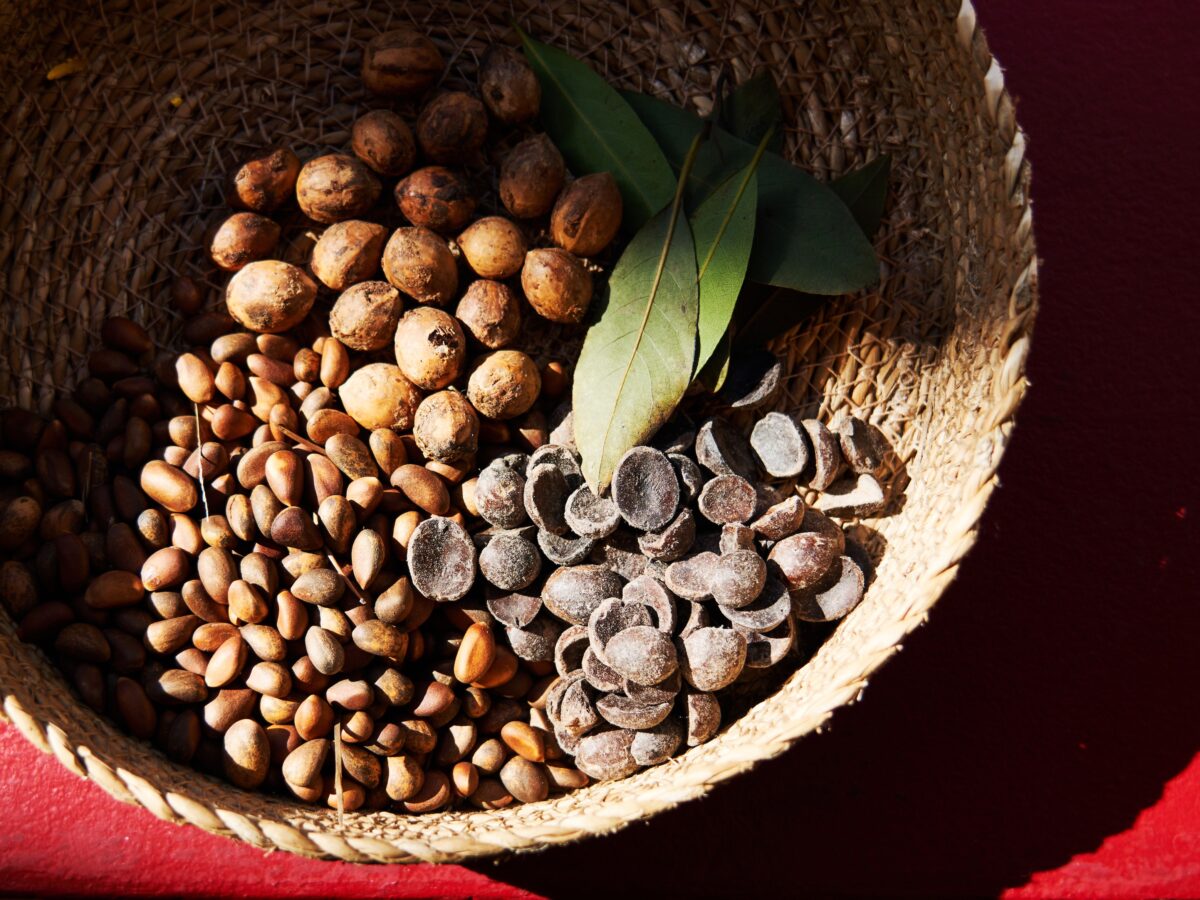
Acorns are a nutrient-dense, highly sustainable, and naturally gluten-free wild food source rich in complex carbohydrates, healthy monounsaturated fats, and essential minerals. Eating acorns connects you to traditional foodways and provides a flavor-packed flour alternative, provided you leach out their naturally occurring bitter tannins using simple water-soaking techniques before eating.
Why Try Acorns as Food? The Case for an Ancient Superfood
For thousands of years, acorns served as a primary dietary staple for indigenous populations across North America, Europe, Asia, and North Africa. Before the mass cultivation of wheat, maize, and rice, oak trees provided millions of people with a reliable, storeable source of calorie-dense nourishment. In contemporary cuisine, acorns are undergoing a major resurgence among foragers, wild food chefs, and health-conscious eaters seeking local, sustainable, and nutrient-dense ingredients.
Exploring acorns as a food source offers several distinct advantages over conventional commercial grains:
- Exceptional Sustainability: Oak trees are perennial, long-lived species that require zero tilling, synthetic fertilizers, irrigation, or pesticides to yield abundant annual crops. Harvesting acorns relies on natural surpluses, making it one of the most ecologically friendly food gathering practices available.
- Rich Nutritional Profile: Depending on the oak species, acorns contain a well-balanced mix of complex carbohydrates, healthy monounsaturated fats (similar to olive oil), dietary fiber, and vital minerals such as potassium, magnesium, calcium, and manganese.
- Naturally Gluten-Free: For individuals with celiac disease, non-celiac gluten sensitivity, or those simply wishing to reduce refined wheat consumption, acorn flour offers a fragrant, nut-flavored alternative for baking and cooking.
- Low Glycemic Impact: Unlike refined white flour, processed acorn starch digests slowly, providing sustained energy without triggering rapid spikes in blood glucose levels.
- Flavor Complexity: Properly processed acorns exhibit a rich, nutty, slightly maple-like or earthy taste profile that elevates both sweet baked goods and savory dishes.
The Science of Tannins: Why Raw Acorns Require Processing
While acorns are abundant and edible, raw acorns should never be consumed in significant quantities. Raw acorns contain high concentrations of tannins (specifically hydrolyzable tannins such as tannic acid and gallotannins). Tannins are bitter, astringent polyphenolic compounds produced by the oak tree to deter herbivores and insects from eating its seeds.
- Raw Acorn Kernel (High Tannins: Bitter & Astringent)
- Gastrointestinal Distress / Nutrient Inhibition
- Water Leaching Process (Dissolves & Flushes Tannins)
- Sweet / Nutty Acorn Meal Ready for Cooking
Potential Health Impacts of Raw Tannins
Consuming raw or insufficiently leached acorns can lead to several unpleasant side effects:
- Astringency and Gastrointestinal Distress: High tannin levels irritate the stomach lining, causing nausea, stomach cramps, vomiting, or severe constipation.
- Antinutrient Effects: Tannins bind to dietary proteins and digestive enzymes in the gastrointestinal tract, preventing the body from efficiently absorbing essential nutrients and minerals.
- Potential Organ Stress: Extreme overconsumption of raw tannins over extended periods can cause stress on the kidneys and liver.
Fortunately, tannins are completely water-soluble. By soaking ground or chopped acorn kernels in water, you can wash away all excess tannins, leaving behind a mild, wholesome, and completely safe food product.
Identifying Oak Species: White Oaks vs. Red Oaks
Not all acorns are created equal. Oak trees belong to the genus Quercus, which is broadly divided into two main categories: white oaks (Leucobalanus) and red/black oaks (Erythrobalanus). Identifying which category your local oak trees belong to helps determine the taste, tannin concentration, and processing time required.
- Oak Trees (Quercus)
- White Oak Group (Lower tannins, rounded leaf lobes, fast leaching)
- Red/Black Oak Group (Higher tannins, pointed leaf lobes, higher oil content)
White Oak Group (Quercus alba, Quercus lobata, Quercus virginiana)
White oaks feature leaves with smooth, rounded lobes and acorns that mature in a single growing season. Their acorn caps lack hair on the inner surface.
- Tannin Level: Low to moderate.
- Fat Profile: Moderate fat, higher carbohydrates.
- Processing Time: Fast. Cold-water leaching often takes only 2 to 4 days.
- Flavor Profile: Mild, naturally sweet, light nuttiness.
Red and Black Oak Group (Quercus rubra, Quercus velutina, Quercus kelloggii)
Red oaks feature leaves with sharp, bristle-tipped lobes and acorns that take two growing seasons to mature. The inner cap of the acorn typically has a felt-like or woolly lining.
- Tannin Level: High to very high.
- Fat Profile: Higher fat content, yielding a richer meal.
- Processing Time: Slow. Cold-water leaching can take 1 to 2 weeks of daily water changes.
- Flavor Profile: Deep, robust, deeply roasted nut flavor once leached.
How to Harvest and Select Edible Acorns
Harvesting acorns takes place during autumn, typically from late September through November depending on your geographic region. Following proper selection techniques ensures you harvest only healthy, pest-free nuts.
- Autumn Drop
- Collect Ground Acorns
- Perform Float Test
- Discard Floaters / Shell Sinkers
Step 1: Gathering
Gather acorns directly from the ground beneath mature trees or shake low-hanging branches gently. Avoid taking acorns that are green, as they are immature. Collect acorns that have turned a rich tan, brown, or deep reddish-brown color and naturally separate easily from their caps.
Step 2: The Inspection and Float Test
Inspect your harvest for small holes (signs of the oak weevil larva, Curculio spp.). Discard any nuts with visible insect holes, cracked shells, mold, or severe dark discoloration.
To perform the float test:
- Place your harvested acorns into a large bucket filled with cold water.
- Stir thoroughly and allow the water to settle for 5 minutes.
- Discard all acorns that float to the top. Floating indicates that insect larvae have consumed the interior, or that air pockets have formed due to rot or desiccation.
- Keep only the acorns that sink firmly to the bottom.
Step-by-Step Processing Guide: Shelling and Leaching
Once you have gathered clean, heavy acorns, you must shell and leach them to render them edible. There are two primary methods for leaching tannins: Cold-Water Leaching and Hot-Water Leaching.
- Shelled Acorn Kernels
- Cold-Water Leaching
- Preserves starch starch-binding power
- Ideal for Flour & Baking
- Hot-Water Leaching
- Faster process, gelatinizes starch
- Ideal for Porridge & Soups
- Cold-Water Leaching
Step 1: Shelling the Acorns
Freshly harvested acorns can be tough to crack. You can use a dedicated nutcracker, a flat rock, or gently press them with a pair of pliers. Alternatively, drying the whole acorns in a dehydrator or low oven (under 150°F / 65°C) for a few hours makes the outer shell brittle, allowing it to pop open easily without cooking the inner kernel.
Remove the hard outer shell and the papery skin (testa) covering the nutmeat. While small amounts of skin are harmless, removing it reduces residual bitter flavors.
Step 2: Coarse Grinding
Coarsely chop or pulse the shelled nutmeat in a food processor. Breaking the kernels into pea-sized bits or coarse meal increases the surface area exposed to water, accelerating the tannin extraction process.
Step 3: Choosing Your Leaching Method
Method A: Cold-Water Leaching (Recommended for Flour)
Cold leaching preserves the native starches in the acorn meal. Cold-leached flour retains its binding properties, making it suitable for baking breads, pancakes, and muffins without relying entirely on gluten binders.
- Place coarse acorn meal into a large glass jar or food-grade container.
- Fill the jar with cold water at a ratio of 1 part acorn meal to 3 parts water.
- Store the container in the refrigerator to prevent bacterial growth or fermentation.
- Once or twice daily, carefully pour off the brown, tannin-rich water without losing the settled meal, and refill with fresh cold water.
- Repeat this process daily. Depending on the acorn species, it will take between 3 and 10 days.
- Taste Test: Sample a small piece of meal. If it feels astringent or turns your mouth dry and bitter, continue leaching. When it tastes bland, mildly sweet, and earthy with zero bitterness, leaching is complete.
Method B: Hot-Water Leaching (Faster, for Immediate Use)
Hot leaching uses boiling water to remove tannins rapidly. However, heat cooks (gelatinizes) the starches, rendering the meal unable to bind dough effectively for traditional bread baking. Hot-leached acorns work exceptionally well in stews, grain bowls, and porridges.
- Bring a large pot of water to a rolling boil.
- Add the shelled, chopped acorns to the boiling water.
- Prepare a second pot of boiling water simultaneously.
- Boil the acorns for 15–20 minutes until the water turns dark brown.
- Strain the acorns and immediately transfer them into the second pot of boiling water. Crucial: Never drop hot acorns into cold water, as cold water locks the remaining tannins into the nutmeat.
- Repeat boiling and transferring between pots of hot water 3 to 6 times until the water remains clear and the acorns lose all bitterness.
Step 4: Drying and Storage
For long-term storage, spread cold-leached acorn meal thinly across baking sheets or dehydrator trays. Dry the meal at low temperatures (below 115°F / 46°C for cold-leached starch integrity) until completely bone-dry.
Mill the dried meal in a high-speed blender or grain mill to produce fine acorn flour. Store dried acorn flour in an airtight glass container in a cool, dark place, or freeze it to protect its healthy natural oils from rancidity. Properly stored dry flour stays fresh for over a year.
Nutritional & Functional Comparison
Understanding how acorn flour compares to traditional kitchen staples helps you adapt recipes effectively.
| Characteristic | Acorn Flour (Cold-Leached) | Whole Wheat Flour | Almond Flour | All-Purpose White Flour |
|---|---|---|---|---|
| Gluten Status | Naturally Gluten-Free | Contains Gluten | Naturally Gluten-Free | Contains Gluten |
| Primary Macronutrient | Complex Carbohydrates & Monounsaturated Fats | Carbohydrates | Monounsaturated Fats & Protein | Refined Carbohydrates |
| Glycemic Index (GI) | Low | Medium (55–69) | Very Low (<15) | High (70+) |
| Starch Binding Ability | Moderate (Cold-leached) | High | None | High |
| Flavor Profile | Earthy, nutty, subtle sweet-maple notes | Wheaty, nutty | Sweet, distinct almond | Neutral |
| Processing Required | High (Shelling & Leaching) | Minimal (Store-bought) | Minimal | None |
| Dietary Fiber Content | High | High | High | Low |
Culinary Applications: Cooking and Baking with Acorns
Acorns bring a rich flavor profile and high nutritional density to a wide range of traditional and modern culinary creations.
- Acorn Culinary Uses
- Baked Goods (Pancakes, Bread Blends, Cookies)
- Traditional Dishes (Korean Dotorimuk / Acorn Jelly)
- Warm Beverages (Roasted Acorn Coffee Alternative)
- Savory Fillings (Soups, Meat Substitutes, Stew Thickeners)
1. Acorn Flour Baking Blends
Because acorn flour lacks gluten, using 100% acorn flour yields a dense crumb similar to cornmeal. For light, airy baked goods, blend cold-leached acorn flour with traditional wheat flour or a gluten-free baking blend at a ratio of 1 part acorn flour to 3 parts standard flour.
- Pancakes and Waffles: Adding 25% acorn flour to your favorite batter imparts a deep amber color and a flavor reminiscent of hazelnut and maple.
- Rustic Breads and Biscuits: Acorn flour adds moisture retention, keeping artisan breads soft for longer periods.
2. Traditional Korean Acorn Jelly (Dotorimuk)
In Korean cuisine, acorn starch is a prized ingredient used to make Dotorimuk (도토리묵), a savory, silky jelly served with a soy sauce, sesame oil, garlic, and chili dressing. According to food history documented by the National Institute of Agricultural Sciences, acorn starch jellies have been consumed in the Korean peninsula for centuries as a traditional delicacy.
To make Dotorimuk, pure cold-leached acorn starch is boiled with water at a 1:6 ratio along with a pinch of salt and a drizzle of oil until thick, then poured into a mold and allowed to set into a firm, sliceable jelly.
3. Roasted Acorn Coffee Substitute
Coarsely ground, leached acorn pieces can be slow-roasted in a dry oven or skillet at 350°F (175°C) until deep dark brown. Ground in a coffee grinder and brewed in a French press or drip brewer, roasted acorns produce a rich, caffeine-free hot beverage with chocolate and dark-nut notes.
4. Savory Soups and Grain Bowls
Hot-leached acorn pieces can be chopped and added directly to long-simmering winter stews, game meats, roasted root vegetables, or wild rice pilafs, contributing texture and a robust savory undertone.
Health Benefits and Risk Precautions
Verified Health Benefits
- Heart-Healthy Fatty Acid Profile: Acorns are rich in unsaturated fatty acids, primarily oleic acid (the same monounsaturated fat found in olive oil), which supports healthy cholesterol levels.
- Micronutrient Density: Research cataloged by the USDA FoodData Central demonstrates that tree nuts and wild acorn kernels deliver notable quantities of potassium, calcium, magnesium, and essential trace minerals needed for bone and cardiovascular health.
- Antioxidant Content: Even after leaching, acorns retain beneficial polyphenols and vitamin E compounds that help combat oxidative stress in body tissues.
Important Safety and Risk Precautions
- Tree Nut Allergies: Acorns are seeds from a tree species. Individuals with diagnosed tree nut allergies (such as walnuts, pecans, or almonds) should exercise caution or consult an allergist before consuming acorn products due to potential cross-reactivity.
- Incomplete Leaching Risks: Never eat un-leached or intensely bitter acorn products. If an acorn dish leaves a dry, puckering sensation in your mouth, it still contains active tannins that can irritate your digestive tract.
- Foraging Location Hazards: Avoid collecting acorns along busy highway shoulders, near industrial sites, or in urban parks treated with synthetic pesticides or herbicides. Trees absorb surrounding ground contaminants, which can concentrate in the nuts.
Frequently Asked Questions (FAQ)
Can you eat raw acorns right off the tree?
No, you should not eat raw acorns off the tree. Raw acorns contain high levels of tannins, which make them extremely bitter, astringent, and difficult to digest. Consuming raw acorns can cause stomach cramps, nausea, and intestinal distress. Always leach tannins out with water before eating.
What does properly processed acorn flour taste like?
Properly leached acorn flour has a mild, nutty, earthy flavor with faint notes of maple, cocoa, or hazelnut. It lacks the sharp bitterness of raw acorns and adds a warm, savory undertone to both sweet and savory recipes.
Is acorn flour completely gluten-free?
Yes, acorn flour is naturally 100% gluten-free. However, because it lacks gluten proteins (gliadin and glutenin), pure acorn flour will not rise like wheat flour. For yeast-risen breads, it is best blended with gluten-containing flour or combined with gluten-free binders such as xanthan gum or psyllium husk.
How long does cold-leached acorn flour stay fresh?
Dried, cold-leached acorn flour stored in a sealed glass jar in a cool, dark pantry stays fresh for up to 6 months. Because acorns contain natural fats, storing the flour in an airtight container in the freezer extends its shelf life up to 2 years without risk of rancidity.
How can I tell when all the tannins are leached out of my acorns?
The easiest and most reliable test is tasting a small sample of the acorn meal during processing. If the meal leaves a bitter taste or a dry, astringent sensation in your mouth, tannins remain, and leaching must continue. When the meal tastes clean, mild, and neutral or nutty, it is ready to use.
Getting Started: Next Steps for Your Acorn Feast
If you are ready to introduce acorns into your diet, start small to master the technique:
- Identify Your Trees: Take a autumn walk in a local woods or clean park area and identify oak trees. Look for white oaks first if you want a faster leaching process.
- Gather a Small Test Batch: Collect about 2 to 3 pounds of fresh acorns off the ground, perform the float test, and discard floaters.
- Process Using Cold Leaching: Shell, chop, and leach your batch in the refrigerator over several days to create your first jar of raw acorn flour.
- Bake a Test Recipe: Substitute 25% of the flour in your favorite pancake or muffin recipe with your fresh acorn flour to enjoy its unique, forest-to-table flavor profile.