Determining the exact cost of an AARP Medicare Supplement (Medigap) Plan F policy for the 2025 calendar year involves evaluating your specific age, location, gender, tobacco usage, and the underwriting methodology used by UnitedHealthcare. Because Plan F is a standardized policy, its benefits remain identical across every insurance provider; however, premiums fluctuate based on regional medical costs and the specific risk pool of the carrier in your zip code.
The Nature of Medicare Supplement Plan F
Medicare Supplement Insurance, commonly referred to as Medigap, is designed to fill the "gaps" in Original Medicare (Part A and Part B). Plan F is the most comprehensive standardized Medigap plan available to those who became eligible for Medicare prior to January 1, 2020.
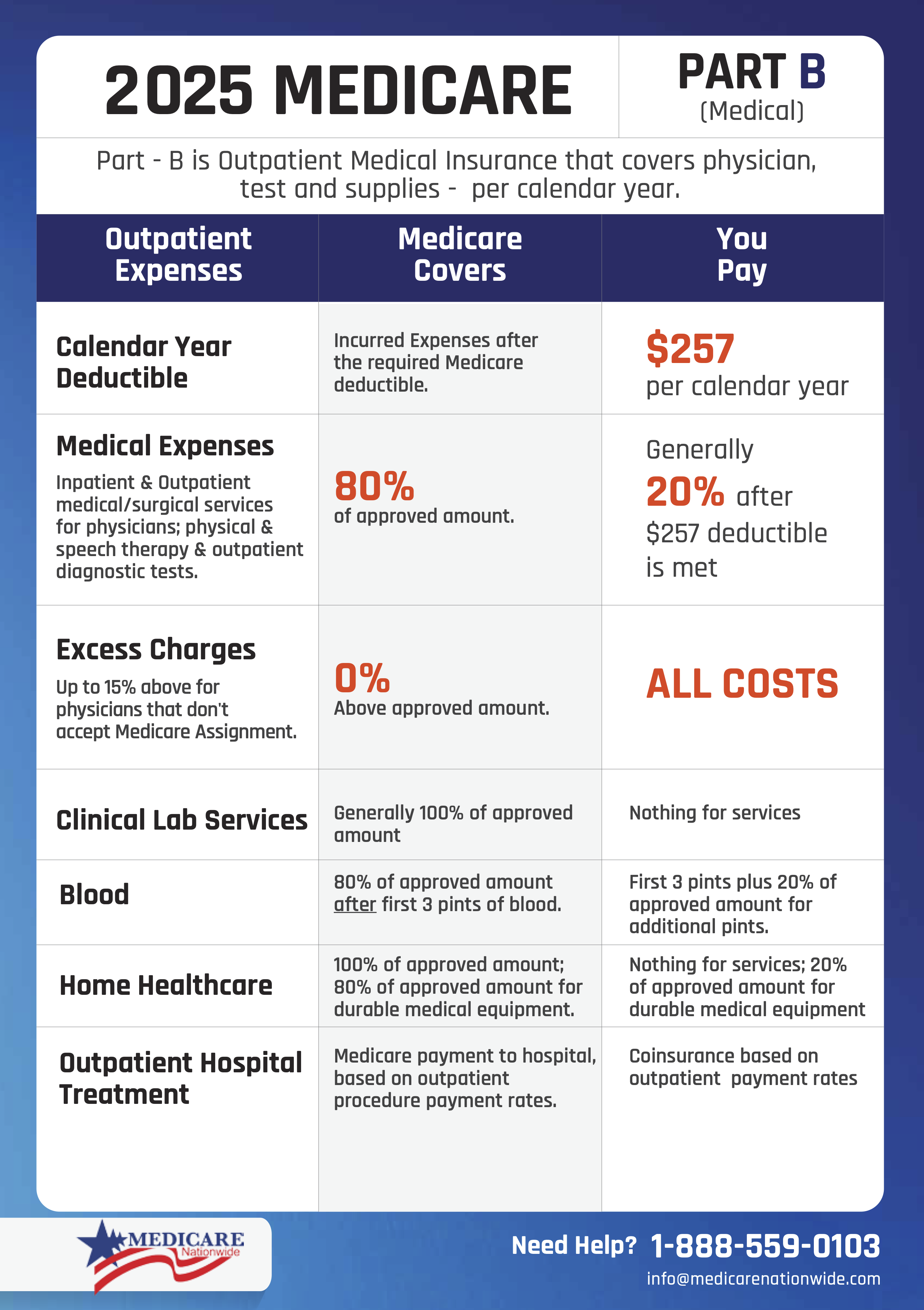
It is vital to understand that Plan F covers nearly all out-of-pocket costs associated with Original Medicare, including the Part A deductible, the Part B deductible, and the Part B excess charges. Because of this high level of coverage, Plan F has historically been a popular choice for beneficiaries seeking predictable healthcare expenses. However, because Plan F is no longer available to "newly eligible" beneficiaries (those who turned 65 or became eligible for Medicare on or after January 1, 2020), the risk pool for this plan is closed, which can influence long-term pricing trends.
Factors Influencing Your 2025 Premium
While the benefits of Plan F are federally standardized, the cost of an AARP-endorsed plan provided by UnitedHealthcare varies significantly from person to person. When you request a quote for 2025 or current coverage, the following variables determine your specific rate:
1. The Underwriting Method
Insurance carriers use different methods to set their rates. It is critical to know which one your policy uses, as it dictates how your premiums will change over time:
- Community-Rated: Premiums are the same for everyone in the plan, regardless of age. While this avoids age-related hikes, the starting premium may be higher.
- Issue-Age-Rated: Premiums are based on your age at the time you first purchase the policy. While they stay lower initially, they may increase due to inflation or medical cost trends.
- Attained-Age-Rated: Premiums start lower but increase automatically as you get older. This is the most common and often the most unpredictable method in the long term.
2. Location and Regional Variations
Medical costs are not uniform across the United States. Your state and specific zip code play a massive role in your 2025 premium. A beneficiary in a rural area with lower regional healthcare utilization will typically pay a different rate than someone living in a major metropolitan area where hospital and specialist fees are significantly higher.
3. Household Discounts
UnitedHealthcare often offers household discounts for AARP Medicare Supplement plans. If you and a spouse (or another qualifying household member) both hold policies, or if you live with someone who meets specific criteria, you may be eligible for a percentage reduction on your monthly premium. These discounts are not universal and depend on state-specific filings.
4. Tobacco Usage
Underwriting guidelines for Medigap plans allow insurance carriers to charge more for tobacco users. In many jurisdictions, being a smoker will significantly increase your monthly premium compared to a non-smoker of the same age and gender.
Why Plan F Is No Longer Available to New Entrants
The legislative change brought about by the Medicare Access and CHIP Reauthorization Act (MACRA) of 2015 prohibited the sale of Medigap plans that cover the Part B deductible to individuals who first become eligible for Medicare on or after January 1, 2020.
If you already had a Plan F policy before this date, or if you were eligible for Medicare before this date, you generally maintain your right to purchase or retain a Plan F policy. Because no new, younger, and theoretically healthier enrollees are joining the Plan F pool, the average age of the pool is slowly rising. Financial analysts often observe that such "closed" pools may face steeper premium increases over time compared to plans like Plan G, which remains available to new Medicare beneficiaries.
Comparison of Plan F, Plan G, and Plan N
To determine if the cost of Plan F is appropriate for your financial situation, it is helpful to compare it against the most common alternatives.
| Feature | Plan F | Plan G | Plan N |
|---|---|---|---|
| Part A Deductible | Covered | Covered | Covered |
| Part B Deductible | Covered | Not Covered | Not Covered |
| Part B Excess Charges | Covered | Covered | Not Covered |
| Foreign Travel Emergency | Covered (80%) | Covered (80%) | Covered (80%) |
| Monthly Premium | Generally Higher | Generally Lower | Lowest |
Note: With Plan G, you are responsible for the Part B deductible. With Plan N, you are responsible for the Part B deductible plus copayments for certain office and emergency room visits.
Steps to Verify Your 2025 Costs
Because AARP Medicare Supplement plans are managed by UnitedHealthcare, you should utilize their official channels to get accurate, personalized information. Avoid relying on third-party aggregators that may provide outdated "average" costs that do not apply to your specific demographics.
- Visit the Official UnitedHealthcare/AARP Portal: Navigate to the official Medicare Supplement website managed by UnitedHealthcare to enter your zip code and date of birth.
- Review the Outline of Coverage: Once you receive a quote, always download the "Outline of Coverage." This document confirms the exact, legally binding premiums for your area and details any planned rate increases or discount eligibility.
- Check for Rate History: In many states, insurance departments require companies to file their rate history. You can often look up whether the carrier has requested rate increases in your state over the last three years to get a sense of stability.
Managing Potential Premium Increases
Medigap premiums are not locked in for life; they are subject to change based on state insurance department approvals. To manage your costs:
- Evaluate Switching Plans: If Plan F premiums become unsustainable, you may be able to switch to Plan G or Plan N. Note that unless you are in an "Open Enrollment" period or have "Guaranteed Issue" rights, you may have to go through medical underwriting to switch plans, meaning your health history could impact your eligibility or rates.
- Review Household Discounts: If your household situation changes, ensure you are still receiving all applicable discounts.
- Monitor Annual Notices: Every year, you will receive an Annual Notice of Change (ANOC) or a premium adjustment notice. Do not discard these; they contain the exact date and amount of any upcoming changes to your bill.
Important Considerations for Financial Planning
Medicare Supplement insurance is a fixed expense that should be integrated into your annual budget. Because Plan F covers all out-of-pocket costs, it provides the most "fixed" budget environment for your healthcare. However, the trade-off is the vulnerability to the premium inflation mentioned earlier.
If you are currently enrolled in Plan F, perform a cost-benefit analysis once a year. Calculate your total annual premium versus the out-of-pocket costs you would pay under a Plan G or Plan N policy. If the premium difference between Plan F and Plan G is greater than the amount of the Part B deductible (which is adjusted annually by the Centers for Medicare & Medicaid Services), switching to Plan G may offer immediate net savings.
Frequently Asked Questions
Can I switch from Plan F to another plan at any time?
Yes, you can apply to switch your Medicare Supplement plan at any time during the year. However, if you are outside of your initial six-month Medigap Open Enrollment period and do not have Guaranteed Issue rights, you will likely be subject to medical underwriting. The insurance carrier can deny your application or charge higher rates based on pre-existing health conditions.
Does the cost of Plan F change if I move to a different state?
Yes, premiums for Medigap plans are highly localized. If you move to a new zip code or state, you must notify UnitedHealthcare. Your premium will be recalculated based on the medical loss ratio and risk pool of your new location.
Is the AARP Medicare Supplement Plan F cost the same as other Plan F providers?
No. While the benefits are identical, the premium cost varies by insurance carrier. UnitedHealthcare sets rates based on their own actuarial data and the performance of their specific block of business. Other carriers may have different pricing models, although they must offer the same standardized coverage.
Will my Plan F premium increase because of my health?
No. Once you are enrolled in a Medigap plan, your premium cannot be increased because of your health status. Premiums may only increase due to age-related rating (if applicable), general inflation/medical cost increases, or state-wide rate adjustments approved by your state's Department of Insurance.
What are Part B excess charges?
Part B excess charges are fees that some doctors may charge above the Medicare-approved amount, provided they do not "accept assignment." By law, these charges cannot exceed 15% of the Medicare-approved amount. Plan F covers these charges entirely, whereas many other plans do not.
Final Recommendation
If you currently hold an AARP Medicare Supplement Plan F, perform an annual review of your premium statement compared to your total health expenditures. If your premium increases are outpacing your medical needs, consult with a licensed, independent insurance agent to determine if you qualify for "Guaranteed Issue" rights to move to a lower-cost plan without undergoing medical underwriting. Always prioritize using the official UnitedHealthcare portal to verify your 2026 status and future projections, as these systems represent the most accurate source for your specific policy contract.