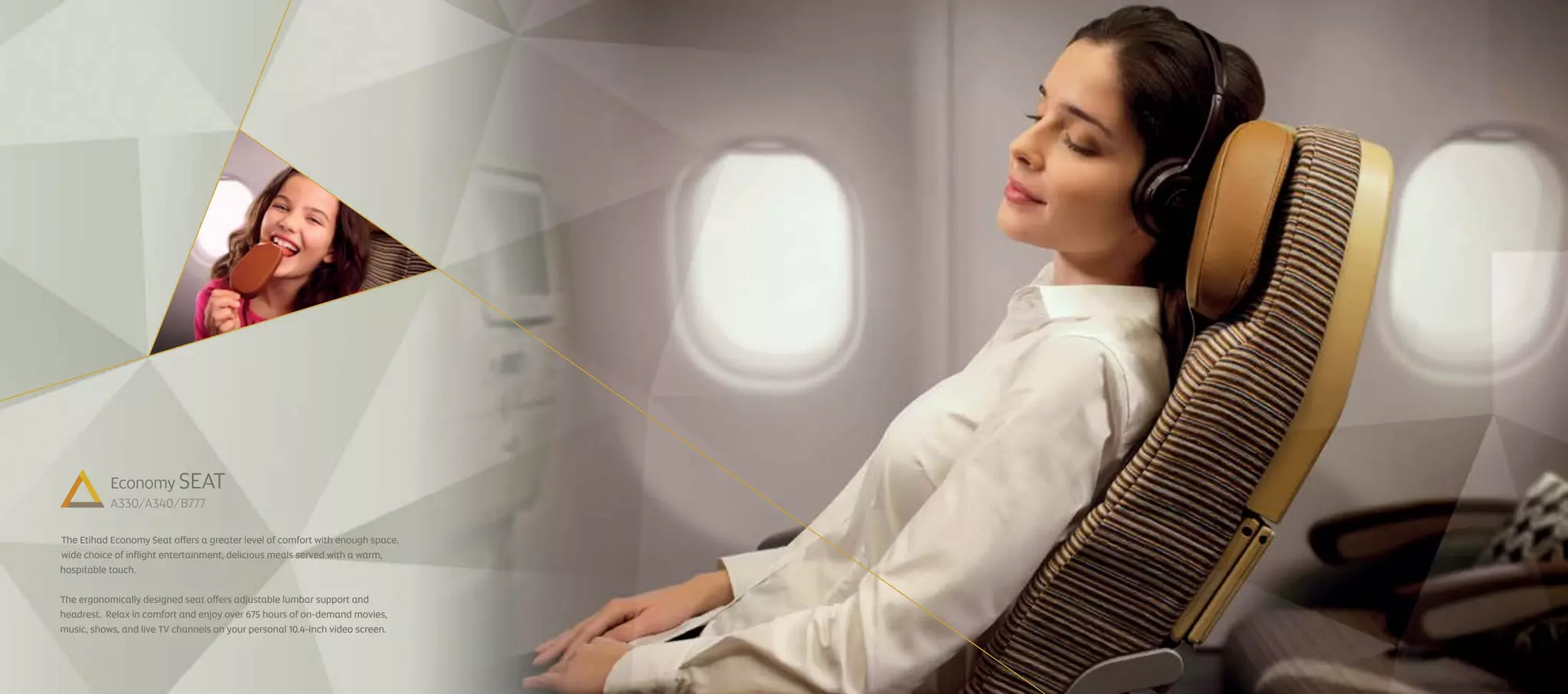
The Airbus A380 economy class experience offers passengers a remarkably quiet, wide-body cabin with generally generous seat pitch, massive window footprints on the main deck, and a uniquely smooth ride, though passenger comfort heavily depends on the specific airline's chosen seating configuration and cabin layout.
Introduction to the Airbus A380 Economy Experience
The Airbus A380 remains an engineering marvel. As the world’s largest passenger airliner, it commands a unique position in commercial aviation history. For travelers booking the back of the bus, an a380 economy class overview reveals an experience vastly different from narrow-body aircraft or even smaller twin-aisle jets like the Boeing 777 or Dreamliner. Because the A380 was designed from the ground up with a full double-deck fuselage, the sheer volume of the cabin fundamentally alters the flight environment.
Aboard the superjumbo, economy passengers are typically seated on the main deck (lower deck), which boasts a wider cabin cross-section than almost any other commercial aircraft flying today. This structural width changes the math of high-density seating, allowing some airlines to offer a more comfortable layout without sacrificing airline profitability. However, because airlines configure their A380 interiors independently, the economy experience varies wildly between operators like Emirates, British Airways, Singapore Airlines, and Korean Air. Understanding these variations helps travelers select the right seat, manage expectations, and maximize long-haul comfort on multi-hour journeys.
Structural and Cabin Design Advantages
The architectural layout of the Airbus A380 provides inherent physical advantages that directly benefit economy passengers. Understanding these structural traits explains why the A380 has maintained a loyal following among frequent flyers long after production of the aircraft concluded.
Cabin Width and Spaciousness
The main deck of the A380 accommodates a standard economy layout configured in a 3-4-3 or sometimes a 2-4-2 setup depending on the airline and structural tapering near the tail. Because the fuselage is remarkably wide, even a 3-4-3 configuration often feels less claustrophobic than the same seating density on narrower aircraft. Passengers seated near the windows on the main deck frequently notice a unique architectural quirk: due to the steep curvature of the lower deck fuselage, the interior cabin wall curves inward significantly near the floor, sometimes creating extra space for feet or small bags, though it can slightly limit shoulder clearance for window-seat occupants.
Cabin Quietness and Pressurization
One of the most frequently cited benefits of flying economy on an A380 is the exceptionally low ambient cabin noise. The massive size of the aircraft, combined with advanced engine technologies (such as the Engine Alliance GP7200 or Rolls-Royce Trent 900) and sophisticated sound-dampening insulation materials, makes the A380 one of the quietest commercial jets in the skies. Furthermore, the aircraft features modern cabin pressurization systems that maintain a lower equivalent cabin altitude (often around 6,000 feet) compared to older aircraft types. This reduced altitude pressure helps minimize dehydration, fatigue, and jet lag during ultra-long-haul sectors.
Airline Variations: Who Flies the A380 and How Do They Configure It?
Because Airbus delivered the A380 to a select group of global carriers, the economy class product is defined entirely by the airline operating the flight. While the physical airplane provides the shell, the seats, entertainment systems, and catering are up to the individual operator.
Emirates
Emirates operates the world's largest A380 fleet and is synonymous with the superjumbo. Their economy cabin is located entirely on the main deck in a 3-4-3 configuration. Emirates has earned praise for its ICE (Information, Communication, Entertainment) inflight entertainment system, which consistently ranks among the industry's best, featuring thousands of channels, external tail-cameras, and generous screen sizes even in economy. Seat pitch generally hovers around 32 to 34 inches, providing adequate legroom for average-height adults.
Singapore Airlines
Singapore Airlines operates a heavily optimized A380 fleet. While their premium economy and business products occupy large portions of the upper deck, their economy cabin on the main deck offers ergonomically designed seats with adjustable headrests, footrests, and comprehensive amenity kits upon request. Singapore Airlines maintains a reputation for high service standards in economy, delivering multi-course meal options and dedicated snack baskets on ultra-long-haul routes.
British Airways and Qantas
Both British Airways and Qantas utilize the A380 for key kangaroo routes and transatlantic services. British Airways houses its World Traveller (economy) class on both the main deck and a small section of the upper deck. The upper deck economy seats (configured in a 2-4-2 layout due to the narrower upper fuselage) are widely considered "unicorn" seats for economy passengers, offering a more intimate cabin feel, dedicated storage bins along the window walls, and faster deplaning. Qantas provides a reliable, traditional mainline product with robust meal services and self-serve snack bars on longer flights.
| Airline | Economy Cabin Deck(s) | Typical Seating Layout | Inflight Entertainment (IFE) Quality | Notable Economy Feature |
|---|---|---|---|---|
| Emirates | Main Deck | 3-4-3 | Industry-leading (ICE system, tail cams) | Consistent soft product and vast route network |
| Singapore Airlines | Main Deck | 3-4-3 | Excellent (KrisWorld, touchscreen controllers) | Adjustable footrests and ergonomic padding |
| British Airways | Main & Upper Deck | 3-4-3 (Main) / 2-4-2 (Upper) | Good (responsive touchscreens and broad media library) | Upper deck 2-4-2 configuration provides intimate feel |
| Qantas | Main Deck | 3-4-3 | Very Good (extensive movie and TV catalog) | Self-serve snack areas on long-haul flights |
Seat Selection Strategies and Comfort Optimization
Securing a comfortable journey in A380 economy requires careful seat mapping and strategic planning. Not all economy seats on a superjumbo are created equal, and knowing the structural layout of the aircraft helps passengers avoid pitfalls.
Main Deck vs. Upper Deck Economy
For the vast majority of carriers, economy is exclusively on the main deck. However, for airlines like British Airways that extend economy seating to the rear of the upper deck, booking an upper-deck economy seat is a major upgrade. The 2-4-2 layout on the upper deck means couples can sit together without a stranger climbing over them, and the overhead storage bins fitted directly against the cabin walls provide easy-access personal storage without reaching across the aisle.
Best and Worst Economy Seats
- Exit Row Seats: Offering unmatched legroom, exit row seats on the A380 main deck are prime real estate. However, passengers should verify that the emergency slide does not intrude into the footwell, which can occasionally reduce usable stretching space.
- Bulkhead Seats: Bulkhead rows offer no passengers reclining into your knees, but they frequently feature fixed armrests that house tray tables (slightly reducing seat width) and lack under-seat storage during takeoff and landing.
- Galley and Lavatory Proximity: The A380 features massive galley complexes and multiple lavatories distributed across both decks. Avoid seats immediately adjacent to lavatories or galley prep areas to minimize foot traffic noise, light pollution, and queue congestion during long-haul flights.
Inflight Entertainment, Connectivity, and Amenities
The passenger experience in A380 economy extends beyond the physical seat to digital connectivity and comfort items.
Modern A380s are equipped with high-speed satellite Wi-Fi, allowing passengers to stay connected via messaging or full web-browsing packages, though connection speeds and pricing structures vary depending on the airline and loyalty program membership.
Inflight entertainment screens on the A380 are generally larger and sharper than those found on older Boeing or Airbus models, paired with responsive touchscreens and USB charging ports at every seat. Power outlets (AC sockets) are also standard across most modern A380 fleets, ensuring electronic devices remain charged throughout flights lasting upward of 14 hours. Standard amenity kits—often including socks, eye masks, and toothbrushes—are frequently distributed on ultra-long-haul routes, supplementing the standard pillow and blanket provided at each seat.
Advantages and Disadvantages of A380 Economy Class
Evaluating whether to choose an A380 flight over a twin-engine alternative requires weighing clear operational and comfort trade-offs.
Pros
- Smoother Ride: The sheer mass and inertia of the A380 help dampen turbulence compared to smaller, lighter aircraft.
- Cabin Environment: Lower cabin altitude pressure and advanced air filtration systems reduce travel fatigue.
- Lower Noise Levels: Engine placement and sound insulation create a significantly quieter cabin atmosphere.
- Spacious Feel: High ceilings on the main deck and wider cabin cross-sections reduce feelings of confinement.
Cons
- Boarding and Deplaning Delays: Loading and unloading up to 500+ passengers through limited jet bridges can create massive bottlenecks at departure and arrival gates.
- Customs and Baggage Queues: Disembarking alongside hundreds of other economy passengers means lengthy lines at international immigration and baggage reclaim halls.
- Variable Airline Standards: While the plane is large and modern, an airline with poor catering or tight 31-inch seat pitch can still deliver a mediocre experience.
Frequently Asked Questions
Is A380 economy better than Boeing 777 economy?
Generally, yes. The A380 cabin cross-section is wider, which allows airlines to offer slightly more generous seat widths or aisle spacing while maintaining a 3-4-3 layout. Additionally, the A380 is notably quieter and features a smoother ride in turbulence due to its massive size and weight.
Do all A380 economy cabins have a 3-4-3 seating layout?
Most airlines configure their main deck economy cabins in a 3-4-3 arrangement. However, select airlines operating economy sections on the upper deck utilize a 2-4-2 layout, which is significantly more comfortable for couples and solo travelers wanting window or aisle access.
Are power outlets available in A380 economy seats?
Yes, the vast majority of operating A380 carriers provide universal AC power outlets and USB charging ports integrated into the seatback or under the seat in economy class.
How does boarding a double-deck aircraft work?
Airlines typically utilize multi-jetbridge infrastructure at major hub airports to board the main deck and upper deck simultaneously. While this speeds up the boarding process compared to single-door narrow-bodies, deplaning can still take considerable time due to the high passenger volume.
Is the A380 being phased out?
Airbus officially ended production of the A380 in 2021, but major global carriers including Emirates, British Airways, Singapore Airlines, Qatar Airways, and Korean Air continue to fly refurbished A380 fleets on high-density international routes, securing their operational lifespan well into the future.
Conclusion and Next Action
When planning long-haul international travel, checking the aircraft type during the booking process can significantly impact your comfort. If your itinerary offers a choice between a smaller twin-engine jet and an Airbus A380, opting for the superjumbo often yields a quieter, more stable flight experience. To maximize your journey, review the specific airline's seat map early, target upper-deck economy seats if available, and select mid-cabin main deck locations to avoid galley and lavatory noise.