8-star performance refers to a high-level thermal efficiency benchmark for residential buildings, typically measured under the Nationwide House Energy Rating Scheme (NatHERS). An 8-star rated home requires approximately 40% less energy for heating and cooling than a standard 6-star home, utilizing advanced passive design, superior insulation, and high-performance glazing to maintain year-round comfort.
In the 2026 construction landscape, where the National Construction Code (NCC) has solidified the 7-star minimum as the baseline for new builds, 8-star performance represents the "high-performance" tier. It is the sweet spot for homeowners and developers seeking to balance upfront construction costs with long-term climate resilience and minimal operational expenses. Achieving this level of performance moves a building beyond mere compliance and into the realm of sustainable excellence, significantly reducing the reliance on mechanical heating and cooling systems.
Understanding the NatHERS Star Rating Scale
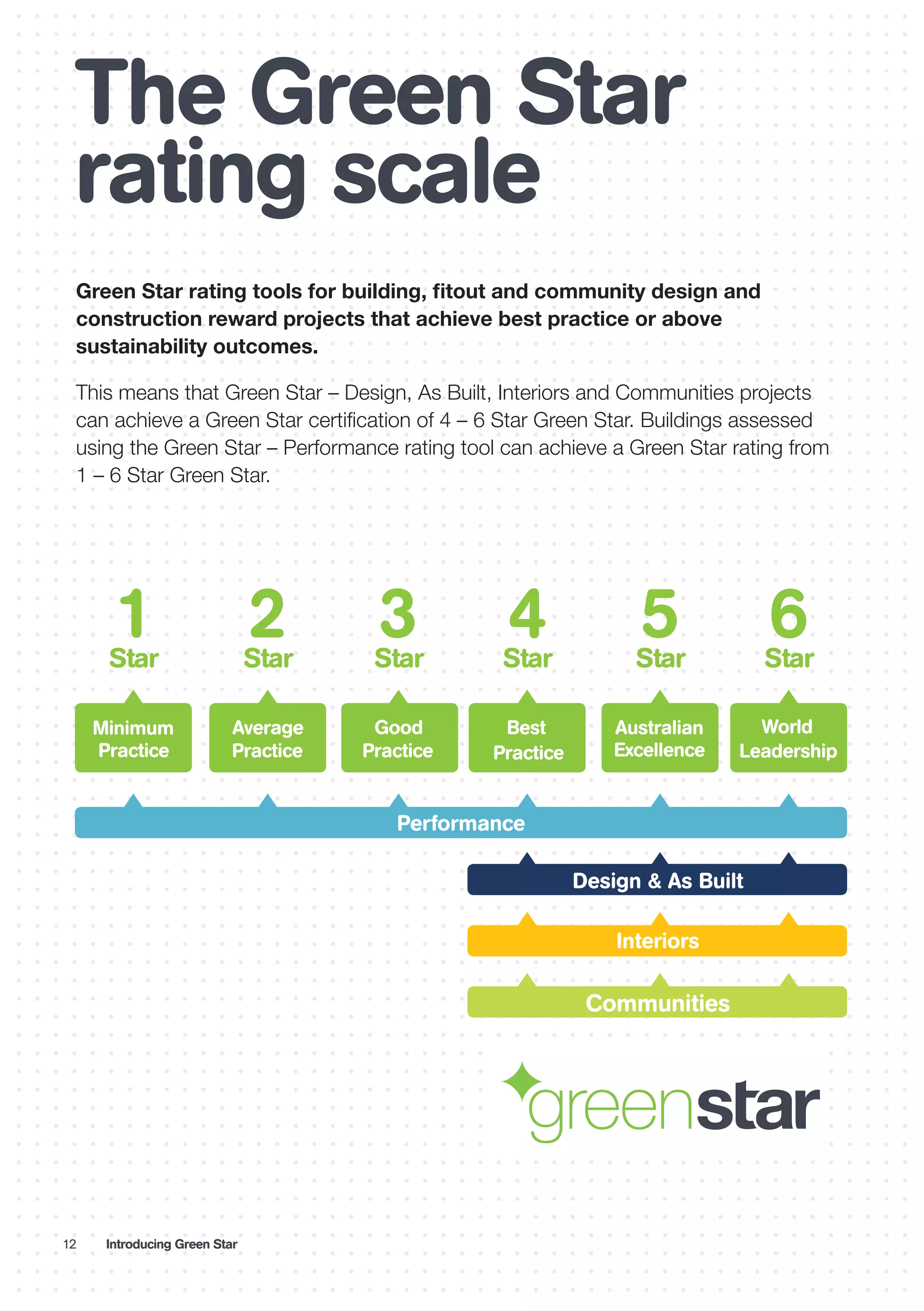
The NatHERS star rating system (0 to 10 stars) provides a standardized way to estimate the energy required to keep a home comfortable. A 0-star rating implies the building shell does practically nothing to temper the outside environment, while a 10-star rating indicates a home that requires no artificial heating or cooling at all.
As of 2026, the jump from the mandatory 7-star requirement to an 8-star performance level is a significant technical leap. While 7 stars focuses on basic optimization of orientation and insulation, 8 stars requires a holistic integration of the building envelope. Every star gained on the scale represents a non-linear reduction in energy demand. For example, in many temperate climate zones, moving from 6 to 7 stars reduces energy use by about 25–30%, but moving from 7 to 8 stars provides a further substantial reduction, often making the home "passive-ready."
The rating is calculated based on the building’s layout, materials, and local climate data. It focuses specifically on the "thermal envelope"—the roof, walls, windows, and floors—rather than the efficiency of the appliances inside. This ensures that the structure itself is inherently efficient, regardless of how the occupants use their electronics or water heaters.
The Technical Pillars of 8-Star Performance
To reach an 8-star performance level, designers and builders must look beyond standard building practices. The strategy involves a synergy between site-specific variables and advanced material science.
Passive Solar Design and Orientation
The foundation of 8-star performance is how the building sits on the land. Passive solar design utilizes the sun's energy for heating and natural breezes for cooling. In the southern hemisphere, this primarily involves maximizing northern exposure for living areas.
In 2026, sophisticated modeling software allows designers to simulate sun paths with extreme precision. For 8-star performance, glazing must be carefully sized. Too much northern glass can lead to overheating in summer if not managed with calculated eave depths or external shading. Conversely, too little glass prevents the "heat sink" effect required to keep the home warm during winter. The goal is to allow the low-angle winter sun to penetrate deep into the home while blocking the high-angle summer sun.
High-Performance Glazing and Window Selection
Windows are typically the weakest link in a building's thermal envelope. To achieve 8-star performance, standard single-glazed windows are entirely insufficient. Even basic double glazing may not be enough depending on the climate zone and the total window-to-wall ratio.
Builders now frequently turn to Low-Emissivity (Low-E) coatings and argon-filled cavities within double or triple-glazed units. The two critical metrics here are the U-Value (which measures heat transfer) and the Solar Heat Gain Coefficient (SHGC). For an 8-star home:
- Low U-Values: (Typically below 3.0) are essential to prevent heat from escaping in winter and entering in summer.
- Contextual SHGC: In cooler climates, a higher SHGC is preferred on northern windows to "harvest" solar heat. In warmer climates, a low SHGC is vital across all orientations to reject solar radiation.
Thermal Mass and Insulation Strategies
Thermal mass refers to the ability of a material to absorb and store heat energy. Materials like concrete, brick, and rammed earth have high thermal mass. When positioned correctly—such as an exposed concrete slab floor receiving direct winter sunlight—thermal mass acts as a natural heater, releasing stored energy as the evening temperature drops.
Insulation, on the other hand, provides the "blanket" that keeps that heat in. 8-star performance usually requires R-values (thermal resistance) well above the standard code. This often includes:
- R5.0 to R6.0 in the ceiling/roof space.
- R2.5 to R4.0 in external walls.
- Under-slab insulation to prevent the ground from leaching heat from the home.
In 2026, the focus has shifted toward continuous insulation. This technique involves placing a layer of insulation outside the structural studs to eliminate "thermal bridging," where heat bypasses the insulation through the timber or steel frame itself.
8-Star vs. 7-Star: A Comparative Analysis
The transition from the 7-star baseline to 8-star performance involves specific upgrades and results in measurable differences in energy loads.
| Feature | 7-Star Performance (Baseline) | 8-Star Performance (High Performance) |
|---|---|---|
| Energy Reduction | Standard compliance | ~40% reduction vs. 6-star |
| Glazing Requirements | Standard double glazing | High-spec Double or Triple Glazing |
| Typical Insulation | Standard batts between studs | Continuous insulation / Higher R-values |
| Airtightness | Moderate (approx. 5-10 ACH) | High (approx. 2-5 ACH) |
| HVAC Dependency | Periodic use required | Minimal/Seasonal use |
| Thermal Comfort | Stable, with some fluctuations | Highly stable internal temperatures |
| Estimated Cost Premium | Base cost | 3% to 8% additional investment |
Note: ACH refers to Air Changes per Hour at 50 Pascals of pressure. Measurements vary by climate zone.
Practical Steps to Achieving an 8-Star Rating in 2026
Achieving 8-star performance is a front-loaded process. It is far more expensive to retroactively improve a building's performance than it is to design it correctly from the outset.
- Early Thermal Modeling: Engage a NatHERS assessor during the concept design phase, not after the plans are finalized. This allows for adjustments to window sizes and room layouts that can boost the rating by a full star without adding material costs.
- Focus on Airtightness: Even the best insulation fails if hot or cold air leaks through gaps in the building envelope. Using high-quality vapor-permeable membranes (wraps) and sealing penetrations for plumbing and electricity is crucial. In 2026, many high-performance builders use Blower Door Testing to verify that the 8-star performance target is actually met on-site.
- Optimize the Floor Plan: Minimize the "surface area to volume" ratio. A complex, sprawling floor plan has more wall surface area through which heat can escape. A more compact, well-designed layout inherently performs better.
- Zoning: Design the home so that areas like laundries, garages, and hallways act as "buffer zones" on the western or southern sides of the house, protecting the main living areas from extreme temperatures.
Common Challenges and Troubleshooting Thermal Bridging
One of the most frequent hurdles in reaching 8-star performance is the presence of thermal bridges. A thermal bridge is a pathway that allows heat to bypass insulation. In a standard house, the timber or steel studs in the walls act as bridges.
To solve this, 2026 construction standards for 8-star homes often employ thermal breaks. For example, in aluminum window frames, a non-conductive material is placed between the interior and exterior sections of the frame to stop heat transfer. Similarly, using external rigid foam insulation over the wall studs creates a "thermal break" for the entire building, ensuring the insulation layer is uninterrupted.
Another challenge is "over-glazing." While large windows are aesthetically popular, they are thermal holes. If a design requires large expanses of glass, the performance of that glass must be exceptionally high (often triple-glazed with thermally broken frames) to maintain an 8-star rating, which can significantly increase the budget.
Financial Implications: Construction Costs vs. Long-term Savings
The primary deterrent to 8-star performance is the perceived "green premium." Building to 8 stars typically adds between 3% and 8% to the total construction cost. For a $500,000 build, this represents an investment of $15,000 to $40,000.
However, the financial return is found in two areas:
- Operational Savings: 8-star homes have drastically lower utility bills. In many cases, a small solar PV system can make an 8-star home "net-zero," meaning it produces more energy than it consumes.
- Resale Value and Future-Proofing: As energy prices remain volatile in 2026 and climate consciousness increases, high-performance homes command higher resale prices. Furthermore, an 8-star home is already ahead of future regulatory changes, meaning it won't require expensive thermal retrofitting in the coming decade.
According to the CSIRO (Commonwealth Scientific and Industrial Research Organisation), homeowners in high-performance houses report significantly higher satisfaction levels regarding comfort and health, as these homes are less prone to mold and condensation issues due to better temperature regulation and ventilation.
Frequently Asked Questions
Does an 8-star rating mean I don't need air conditioning?
While an 8-star performance rating significantly reduces the need for artificial cooling, it does not strictly eliminate it, especially during extreme heatwaves. However, the amount of energy required to cool an 8-star home is a fraction of what a standard home needs. Most 8-star homes can maintain a comfortable temperature with just a small split-system or even high-quality ceiling fans for the majority of the summer.
Is triple glazing mandatory for 8-star performance?
Not necessarily. In milder climates, 8-star performance can often be achieved with high-specification double glazing, provided the orientation and insulation are optimized. In colder or alpine regions, triple glazing is almost always required to hit the 8-star mark because the temperature differential between inside and outside is so high.
How does 8-star performance affect indoor air quality?
8-star homes are generally built to be much tighter (less "leaky") than standard homes. Because of this, proper ventilation is critical. In 2026, many 8-star builds include a Heat Recovery Ventilation (HRV) system. These systems bring in fresh filtered air while "exchanging" the heat from the outgoing stale air, ensuring high air quality without losing the thermal energy you've paid to create.
Can I achieve an 8-star rating on an existing house?
Achieving a full 8-star NatHERS rating on a retrofit is extremely difficult and often cost-prohibitive. It usually involves stripping walls to install high-R-value insulation, replacing all windows, and potentially altering the roof structure. However, "8-star equivalent performance" can be approached by focusing on the "big three": draught-proofing, ceiling insulation, and secondary glazing or window films.
What is the difference between 8-star NatHERS and Passive House?
NatHERS is a rating system based on modeled energy loads for heating and cooling. Passive House (Passivhaus) is a rigorous international construction standard that includes strict limits on total primary energy renewable use and mandatory airtightness levels (0.6 ACH or less). While an 8-star home is very efficient, a certified Passive House usually performs at a level equivalent to 9 or 10 stars on the NatHERS scale.
Final Recommendation
For those planning a construction project in 2026, aiming for 8-star performance is the most pragmatic way to ensure a home is both sustainable and economically sound. To succeed, prioritize the building’s orientation and envelope over expensive interior finishes. Use a qualified NatHERS assessor during the initial "sketch" phase of your design to identify the most cost-effective path to 8 stars. By investing in the structure's thermal performance now, you secure a home that remains comfortable, affordable, and valuable for decades to come.