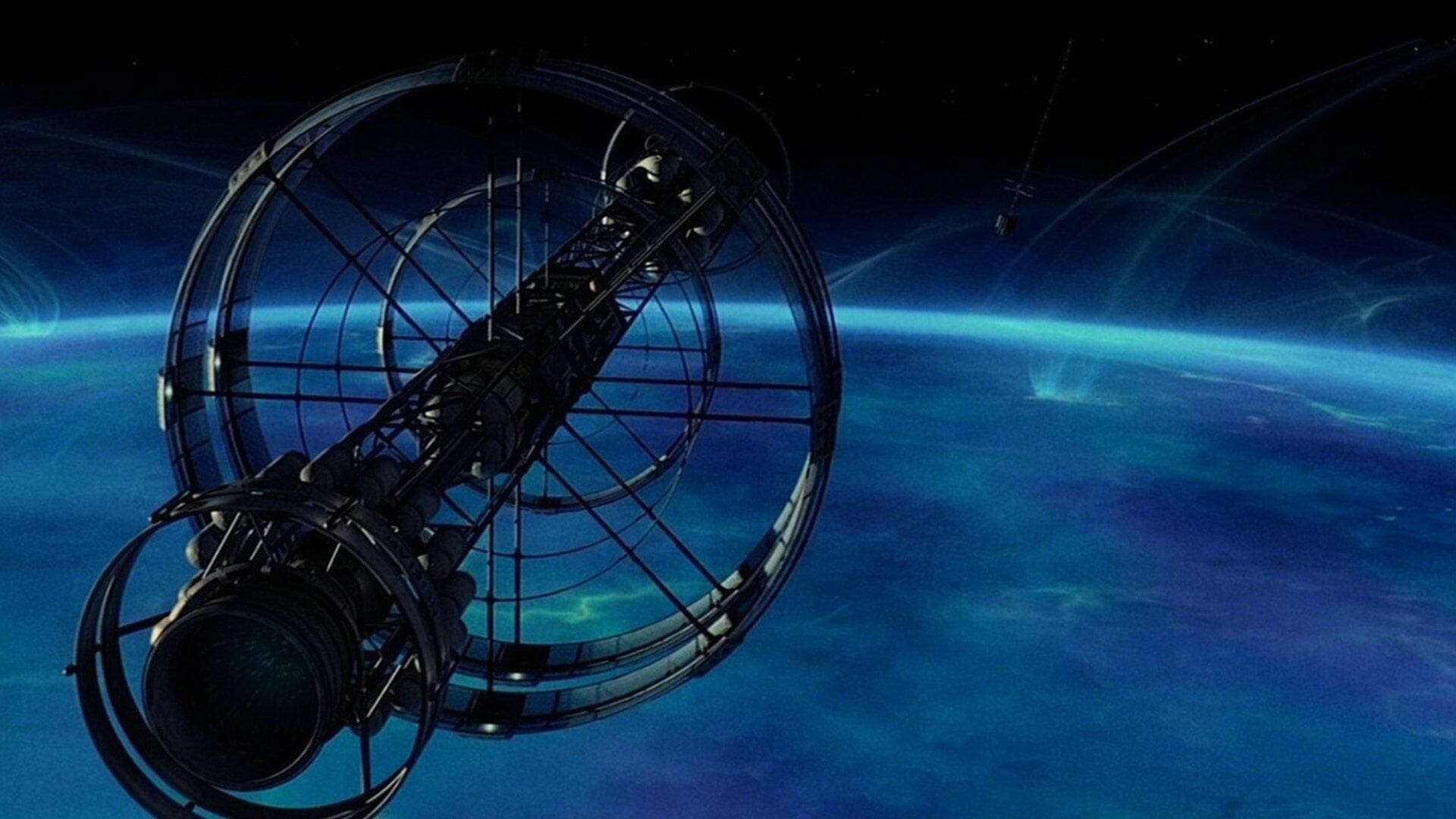
Steven Soderbergh’s 2002 psychological science fiction drama Solaris—starring George Clooney and Natasha McElhone, and produced by James Cameron—remains one of the most intellectually polarizing films of the early 2000s. Based on Stanisław Lem’s legendary 1961 philosophical novel, the movie explores grief, memory, and human consciousness aboard a research station orbiting a sentient planet. While the film's atmospheric direction and philosophical weight generated immense discussion, the ensemble cast delivered intensely internal performances that grounded its surreal concepts. Examining the actors behind this cerebral space drama reveals fascinating background details regarding their casting, preparation, and career trajectories.
1. George Clooney Was the First and Only Choice for Dr. Chris Kelvin
When director Steven Soderbergh began developing the American adaptation of Solaris, he immediately envisioned George Clooney in the lead role of Dr. Chris Kelvin, a psychologist sent to investigate strange phenomena on the Prometheus space station. At the time, Clooney was transitioning from his blockbuster television fame on ER toward more complex, dramatic cinematic projects, having just collaborated with Soderbergh on Out of Sight (1998) and Ocean's Eleven (2001).
Soderbergh did not hold traditional auditions for the role of Chris Kelvin. He approached Clooney directly, knowing the actor possessed the rare combination of traditional Hollywood leading-man charisma and the emotional vulnerability required to portray a man consumed by guilt over his wife's suicide. Clooney accepted the part without hesitation, drawn to the project's philosophical depth and the opportunity to subvert audience expectations by playing a deeply melancholic, quiet character rather than an action hero.
2. Natasha McElhone Underwent Intense Emotional Preparation to Play Rheya
British actress Natasha McElhone secured the critical role of Rheya, the physical manifestation of Chris Kelvin’s deceased wife generated by the sentient ocean of Solaris. Playing an entity that looks and feels human yet lacks genuine memories of a past life outside what Kelvin projects onto her required an exceptional level of psychological nuance.
To prepare for the role, McElhone analyzed Stanisław Lem's original novel while collaborating closely with Soderbergh to establish the precise physical and emotional boundaries of her character. Unlike typical science fiction androids or ghosts, Rheya experiences genuine confusion, fear, and evolving self-awareness. McElhone’s performance required her to transition seamlessly from innocent, childlike disorientation to profound existential dread, all while maintaining an ethereal, haunting presence that anchors the film’s central thesis on the pain of unresolved mourning.
3. Jeremy Davies Brought Method Intensity to Snow
Character actor Jeremy Davies played Snow, one of the two surviving scientists aboard the troubled Prometheus research station. Known for his distinctive speech patterns and hyper-kinetic intensity in films like Saving Private Ryan (1998), Davies brought a palpable sense of paranoia and psychological unraveling to the ensemble.
Within the narrative, Snow is deeply disturbed by the manifestations created by Solaris, leading to erratic behavior and profound isolation from his remaining crewmate. Davies leaned heavily into this alienation on set, often isolating himself between takes to maintain the sharp, jittery energy required for his character. His portrayal of a man teetering on the edge of a nervous breakdown provided a vital contrast to George Clooney's stoic, grieving restraint.
4. Viola Davis Anchored the Production's Scientific Skepticism as Dr. Gordon
Long before earning her status as an EGOT-winning cinematic powerhouse, Viola Davis delivered a powerful, grounded supporting performance as Dr. Gordon, a pragmatic physicist determined to destroy the alien manifestations rather than succumb to their psychological pull.
Dr. Gordon serves as the voice of rigorous scientific skepticism within the station, frequently clashing with Chris Kelvin as he grows increasingly attached to the manifestation of his dead wife. Davis brought immense authority and fierce intelligence to the role, ensuring that the sci-fi premise remained anchored in recognizable human stubbornness and fear. Her scenes with George Clooney represent some of the most emotionally charged confrontations in the film, highlighting the friction between clinical detachment and raw emotional trauma.
5. Ulrich Tukur Completed the Core Ensemble as the Tragic Dr. Gibarian
German actor Ulrich Tukur took on the pivotal role of Dr. Gibarian, whose mysterious death by suicide before Kelvin's arrival sets the entire plot of Solaris into motion. Although his screen time is relatively brief compared to his co-stars, Tukur's presence looms large over the entire narrative through video logs and haunting psychological echoes.
Tukur, a celebrated stage and screen actor in Europe, brought classical gravity to the production. His portrayal of a brilliant scientist driven to despair by the extraterrestrial intelligence established the high emotional stakes of the mission. The video message he leaves behind for Kelvin serves as a chilling thesis statement for the film, warning him about the inescapable nature of human memory and guilt.
Cast Overview and Character Reference
To help clarify the principal ensemble and their respective roles within Soderbergh's adaptation, the following table summarizes the main cast members, their character names, and their narrative functions:
| Actor | Character | Narrative Role & Function |
|---|---|---|
| George Clooney | Dr. Chris Kelvin | A grief-stricken psychologist sent to evaluate the remaining crew of the Prometheus station. |
| Natasha McElhone | Rheya | The sentient ocean's physical recreation of Kelvin's deceased wife. |
| Jeremy Davies | Snow | A paranoid, erratic scientist struggling to cope with the station's anomalies. |
| Viola Davis | Dr. Gordon | A pragmatic physicist who advocates for destroying the alien manifestations. |
| Ulrich Tukur | Dr. Gibarian | The station's commander whose tragic suicide initiates Kelvin's journey. |
6. The Production Relied Heavily on Intimate Ensemble Chemistry
Unlike large-scale science fiction epics featuring sprawling armies and massive creature effects, Soderbergh’s Solaris functioned more like an intimate chamber play staged within a claustrophobic spacecraft. Because the cast was exceptionally small, the success of the film depended almost entirely on the interpersonal chemistry and mutual trust among the actors.
Soderbergh famously operated as his own director of photography and camera operator, working in tight, enclosed studio sets with minimal crew. This minimalist filmmaking style allowed the actors to remain deeply immersed in their scenes without the distraction of massive lighting rigs or technical delays. The resulting performances feel raw, theatrical, and deeply intimate, resembling a psychological stage drama translated into a cinematic sci-fi medium.
7. The Cast Navigated a Polarizing Critical and Commercial Reception
When 20th Century Fox released Solaris in November 2002, the film faced an uphill battle at the box office. Audiences expecting a fast-paced action thriller in the vein of Alien or a traditional space adventure were met instead with a slow-burn, philosophical meditation on love and memory.
Despite initial commercial friction—grossing roughly $30 million worldwide against its production budget—the cast's performances received widespread critical appreciation. Reviewers singled out George Clooney and Natasha McElhone for sustaining the film’s heavy emotional weight without resorting to traditional genre tropes. Over the subsequent two decades, critical reassessment has transformed the 2002 Solaris into a respected cult classic, with modern critics frequently praising the ensemble for anchoring such an abstract and melancholic narrative.
Frequently Asked Questions
Was the 2002 Solaris a remake of the famous 1972 Soviet film?
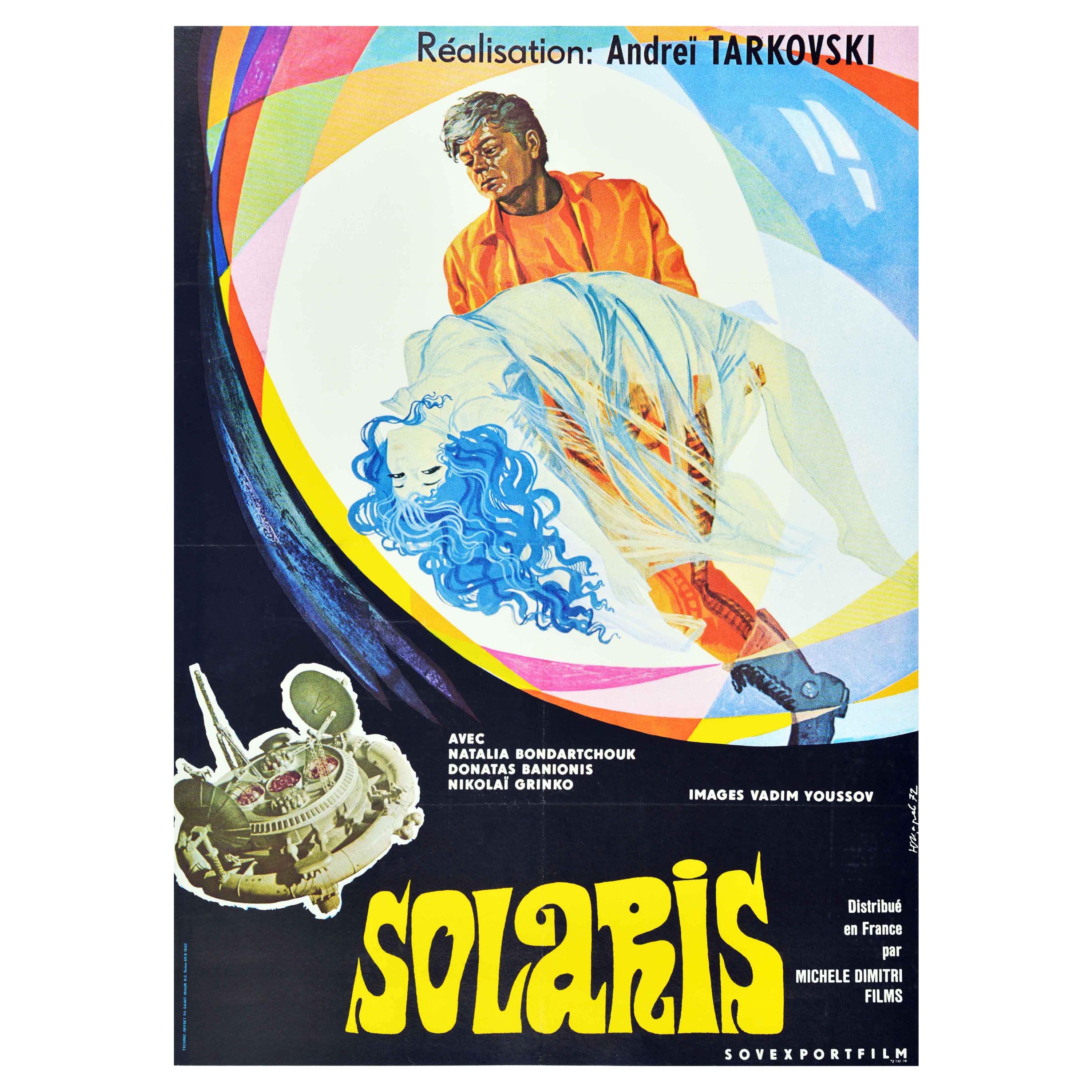
No, Steven Soderbergh’s 2002 film is technically a new adaptation of Stanisław Lem’s original 1961 novel rather than a direct remake of Andrei Tarkovsky’s acclaimed 1972 Soviet masterpiece. However, both cinematic versions draw directly from the same source material, though Soderbergh's adaptation is notably shorter and focuses more heavily on the central romance and grief narrative.
Why did James Cameron produce Solaris 2002?
James Cameron was a passionate fan of Stanisław Lem’s novel and originally intended to direct an adaptation himself during the 1990s. When scheduling conflicts and other cinematic projects (such as Titanic) intervened, Cameron handed the project over to Steven Soderbergh while remaining involved as a producer through his Lightstorm Entertainment banner.
How did George Clooney feel about taking on a serious sci-fi role?
George Clooney actively sought out roles that challenged his public persona as a mainstream romantic lead. He welcomed the opportunity to collaborate with Steven Soderbergh on a cerebral, character-driven project that prioritized philosophical inquiry over explosions and special effects.
Did Natasha McElhone watch the 1972 Tarkovsky version before filming?
No, Natasha McElhone deliberately chose not to watch Andrei Tarkovsky’s 1972 film adaptation starring Natalya Bondarchuk. She wanted her performance as Rheya to be shaped exclusively by Stanisław Lem’s novel, her direct conversations with Steven Soderbergh, and her own intuitive understanding of the character's emotional alienation.
Where was the 2002 Solaris filmed?
Principal photography for Solaris took place primarily on soundstages in Los Angeles, California. Because the film is set almost entirely inside a confined research station orbiting a distant planet, the production utilized detailed interior sets designed to evoke a sterile, claustrophobic, and atmospheric environment.