Choosing the right interview outfit sets the stage for a strong first impression, balancing industry expectations with personal polish to build professional confidence. As standards evolve across different professional landscapes, navigating what to wear requires an understanding of both traditional corporate environments and modern, creative workplaces.
Finding the ideal professional look involves understanding company culture, fabric quality, fit, and seasonal appropriateness. Whether you are preparing for a high-stakes banking role, a dynamic tech position, or a client-facing creative role, your wardrobe should communicate competence and attention to detail without distracting from your qualifications.
1. The Classic Tailored Pant Suit
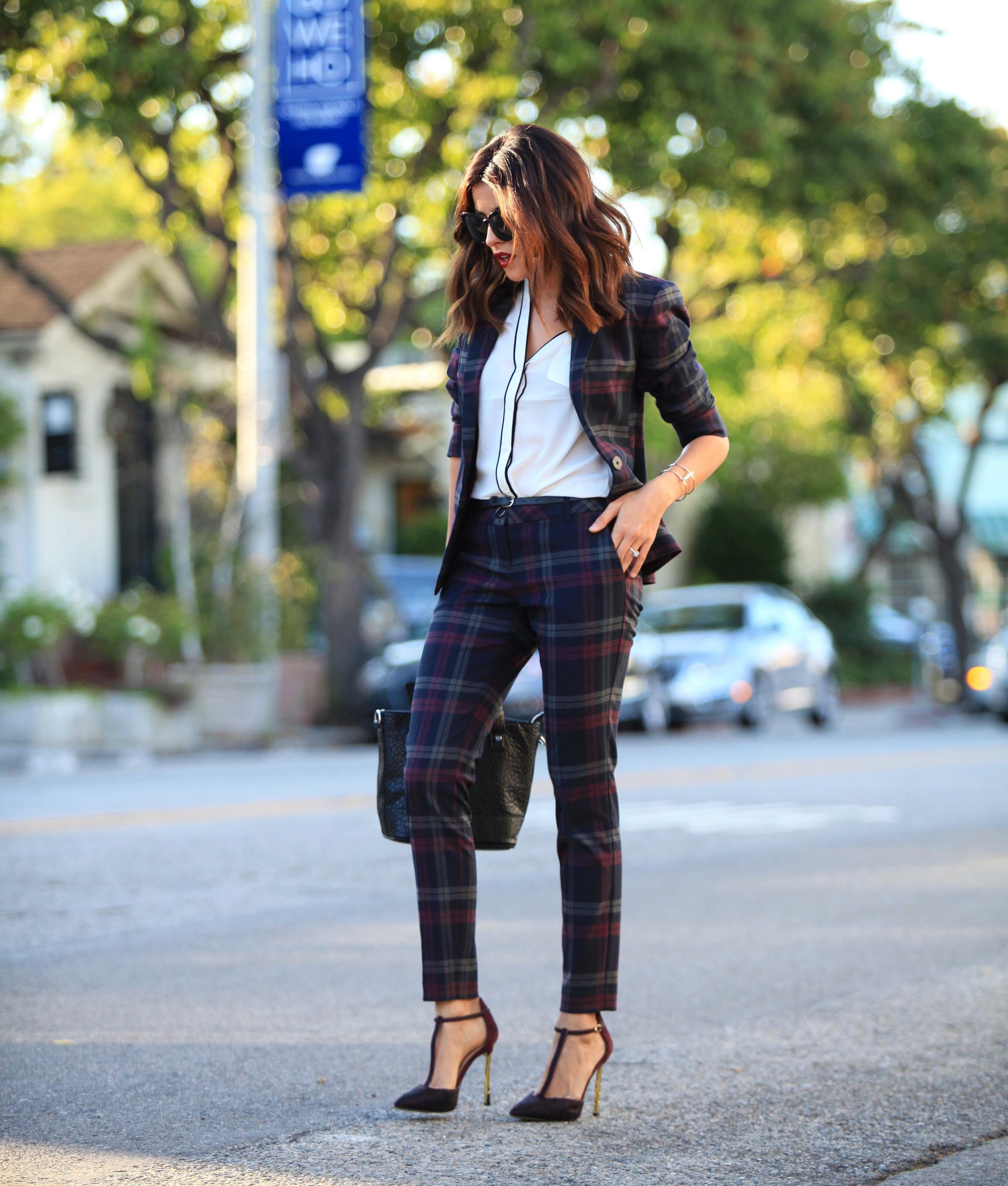
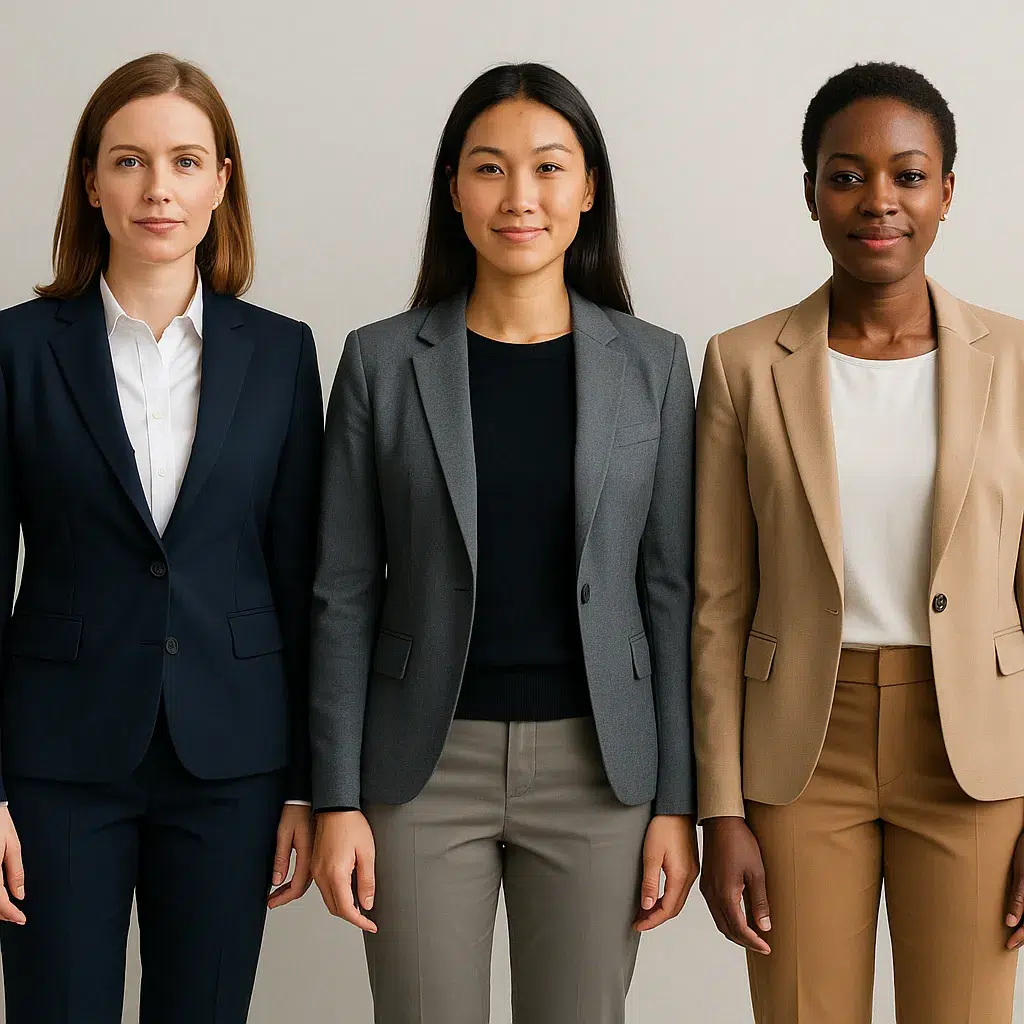
The classic tailored pant suit remains the gold standard for traditional industries such as finance, law, corporate management, and government sectors. This ensemble communicates authority, seriousness, and strict adherence to professional decorum.
To execute this look effectively, opt for neutral colors like navy blue, charcoal gray, or classic black. The fit is critical: trousers should be tailored to break neatly at the top of the shoe, while the blazer should nip slightly at the waist without pulling across the chest. Pair the suit with a crisp white or pastel silk-blend button-down shirt or a fine-gauge knit shell. Complete the outfit with closed-toe pumps featuring a modest 2-to-3-inch heel and minimal, understated jewelry like silver or gold studs.
- Best For: Finance, legal, corporate banking, insurance, and executive roles.
- Key Pieces: Structured blazer, matching ankle-length or straight-leg trousers, silk blouse.
- Color Palette: Navy, charcoal gray, black, deep slate.
2. The Structured Sheath Dress with a Blazer
A tailored sheath dress paired with a coordinating blazer offers a sophisticated, highly feminine alternative to the traditional pant suit. This combination maintains a sharp, authoritative silhouette while providing a streamlined look that works exceptionally well in warm weather or formal indoor environments.
The dress itself should be knee-length and constructed from a structured, mid-weight fabric such as wool crepe or high-grade cotton blend that holds its shape throughout the day. Avoid overly tight cuts or plunging necklines. Layering a structured blazer over the shoulders or wearing it fully adds the necessary professional edge. Keep accessories refined with a structured leather tote bag and classic pumps.
- Best For: Corporate sales, marketing executive roles, and corporate management.
- Key Pieces: Knee-length sheath dress, open-front or single-button blazer, pointed-toe heels.
- Color Palette: Jewel tones (emerald, burgundy) paired with neutral blazers, or classic monochrome.
3. The Modern Midi Skirt and Blouse Combination
For industries that lean slightly more modern while still demanding high-level professionalism, a midi skirt paired with a sophisticated blouse strikes an ideal balance. This look projects approachability, creativity, and executive polish.
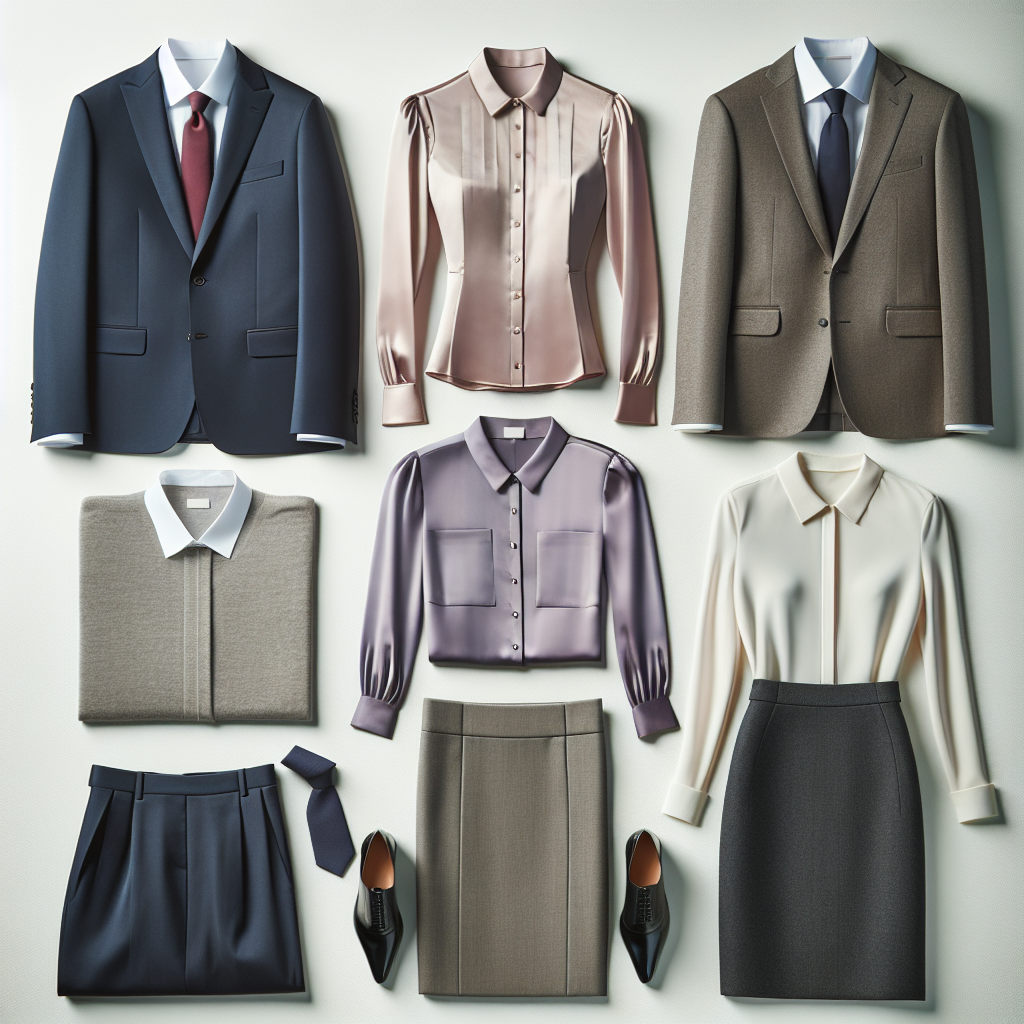
The midi skirt should feature a modest hemline that falls at or just below the knee, avoiding overly voluminous tiered styles in favor of A-line, pencil, or subtle pleated silhouettes. Pair it with a tucked-in silk or crepe blouse featuring a modest neckline, such as a mock neck or soft V-neck. Layer with a fitted cardigan or a collarless blazer to complete the structured appearance. Ensure the fabrics do not cling or wrinkle easily during transit.
- Best For: Higher education, non-profit management, publishing, and public relations.
- Key Pieces: A-line or pencil midi skirt, tucked silk blouse, fitted knit cardigan.
- Color Palette: Earthy neutrals, muted jewel tones, subtle patterns like houndstooth or fine stripes.
4. Smart Casual Tailored Trousers and a Blazer
In contemporary work environments—particularly in tech, creative agencies, and modern startups—a full suit can sometimes feel overly formal or out of touch with company culture. A smart-casual approach featuring tailored trousers and a contrasting blazer offers the ideal middle ground.
Pair sleek, ankle-grazing trousers with a tailored blazer in a complementary color, such as camel trousers paired with a navy blazer. Underneath, wear a high-quality cotton or modal t-shirt or a fine-knit shell rather than a formal button-down. This softens the formality of the jacket while maintaining an elevated, pulled-together aesthetic that shows you respect the interview process without looking stuffy.
- Best For: Tech companies, marketing agencies, architecture firms, and startups.
- Key Pieces: Slim-fit colored trousers, unstructured blazer, premium knit t-shirt, leather loafers or block heels.
- Color Palette: Camel, olive, navy, soft grey, cream.
5. The Elegant Culotte or Wide-Leg Trouser Ensemble
Wide-leg trousers and tailored culottes have firmly established themselves as fashion-forward yet professional options for modern interviews. When styled correctly, they offer exceptional comfort and a distinct, confident silhouette.
To keep the look interview-appropriate, choose high-waisted, wide-leg trousers crafted from heavy drape fabrics like wool-blend or crepe. Because the bottom half has significant volume, balance the proportions with a fitted, tucked-in top. A sleek mock-neck top or a structured wrap blouse works best. Anchor the outfit with block heels or pointed flats to ensure the hemline floats cleanly just above the floor without dragging.
- Best For: Fashion industry, interior design, creative direction, and media roles.
- Key Pieces: High-waisted wide-leg trousers, fitted bodysuit or tucked blouse, block-heel shoes.
- Color Palette: Monochrome black, cream, rust, deep forest green.
6. The Sophisticated Shirt Dress
A structured shirt dress is a versatile, single-piece outfit that simplifies morning preparation while delivering effortless style. It is particularly effective for creative corporate environments and warm-weather interviews where comfort and breathability are essential.
Look for shirt dresses made from substantial fabrics like structured cotton poplin, linen-blends (that have been heavily pressed), or silk-twill. The dress must feature a defined waist—either through a self-belt or a tailored seam—and a hemline that hits at or below the knee. Avoid overly casual shirt dresses featuring beachy prints or raw hems; instead, stick to solid colors or subtle pinstripes. Pair with structured leather accessories and slingback heels.
- Best For: Advertising, media production, HR roles, and design agencies.
- Key Pieces: Belted shirt dress, leather handbag, classic slingbacks.
- Color Palette: French blue, crisp white, stone, olive.
7. The Elevated Knitwear and Trouser Look
For winter interviews or cooler climates, high-end knitwear can be styled to look thoroughly professional. The key is avoiding casual, chunky sweaters in favor of fine-gauge, luxury materials like cashmere, merino wool, or tightly woven cotton blends.
Pair a fitted crewneck or mock-neck fine-knit sweater with sharply pressed, wide-leg or straight-cut trousers. Tucking the sweater in cleanly prevents the outfit from looking sloppy. Layer a structured trench coat or a wool overcoat over the top for the commute. This outfit communicates warmth, practicality, and effortless style, proving that comfort and high professional standards are not mutually exclusive.
- Best For: Consultancies, editing houses, research institutions, and client advisory roles.
- Key Pieces: Fine-gauge cashmere sweater, tailored wool trousers, leather ankle boots with a low heel.
- Color Palette: Oatmeal, charcoal, espresso brown, navy.
Interview Outfit Comparison Guide
| Outfit Style | Recommended Industry | Key Clothing Items | Footwear Choice |
|---|---|---|---|
| Tailored Pant Suit | Finance, Law, Government | Blazer, trousers, silk blouse | Closed-toe pumps (2–3 inch) |
| Sheath Dress & Blazer | Corporate Management, Sales | Sheath dress, structured blazer | Pointed-toe heels or flats |
| Midi Skirt & Blouse | Education, Publishing, PR | Midi skirt, tucked blouse, cardigan | Low block heels or loafers |
| Smart Casual Separates | Tech, Startups, Creative | Tailored trousers, unstructured blazer | Leather loafers, sleek flats |
| Wide-Leg Trousers | Fashion, Design, Media | High-waist wide trousers, fitted top | Block heels |
| Sophisticated Shirt Dress | Media, HR, Advertising | Belted shirt dress | Slingback heels |
| Elevated Knitwear | Consultancies, Research | Fine-gauge sweater, wool trousers | Low-heel leather boots |
Frequently Asked Questions
What colors are best for a job interview?
Neutral colors remain the safest and most effective choice for job interviews because they project professionalism and do not distract from your qualifications. Navy blue, charcoal gray, black, and deep slate convey authority and trustworthiness. Soft neutrals like camel, beige, and ivory work well in creative or warmer environments, while subtle jewel tones like emerald or burgundy can add personality when balanced with neutral tailoring.
Are open-toe shoes acceptable for an interview?
Generally, closed-toe shoes are the safest choice for traditional and corporate job interviews. They represent a conservative, polished standard. However, in modern creative industries, fashion roles, or during warm summer months, high-end, neat open-toe shoes or dressy slingbacks may be acceptable, provided your feet are meticulously groomed and the overall outfit remains professional.
How should I dress for an interview at a casual tech company?
Even when a company has a casual dress code, you should dress one step above their daily wear for an interview. Avoid wearing ripped jeans, hoodies, or overly casual athletic wear. Instead, opt for smart-casual separates: tailored trousers paired with a clean knit top or a blazer thrown over a simple t-shirt. This demonstrates that you respect the occasion while fitting into their progressive culture.
Should I wear jewelry and accessories to an interview?
Yes, accessories complete an outfit, but they should remain understated and minimal. Stick to the "less is more" rule by wearing simple stud earrings, a delicate necklace, or a classic watch. Avoid noisy bracelets, large statement necklaces, or excessive rings that can jingle or distract the interviewer during conversation.
What should I avoid wearing to any interview?
Regardless of the industry, avoid overly revealing clothing, such as plunging necklines, extremely short skirts, or sheer fabrics without proper lining. Additionally, steer clear of overly loud neon colors, distracting graphic prints, wrinkled clothing, athletic wear, and heavily scuffed shoes. Comfort is also key; avoid shoes that cause you to limp or clothes that restrict your breathing.
Final Recommendation
When preparing your interview wardrobe, always research the company culture beforehand through their website, social media, or employee profiles to gauge their daily dress code. When in doubt, it is always better to be slightly overdressed than underdressed. Ensure your chosen outfit is clean, freshly pressed, and tried on a few days prior to the interview so you can step into the room feeling comfortable, confident, and entirely focused on showcasing your skills.