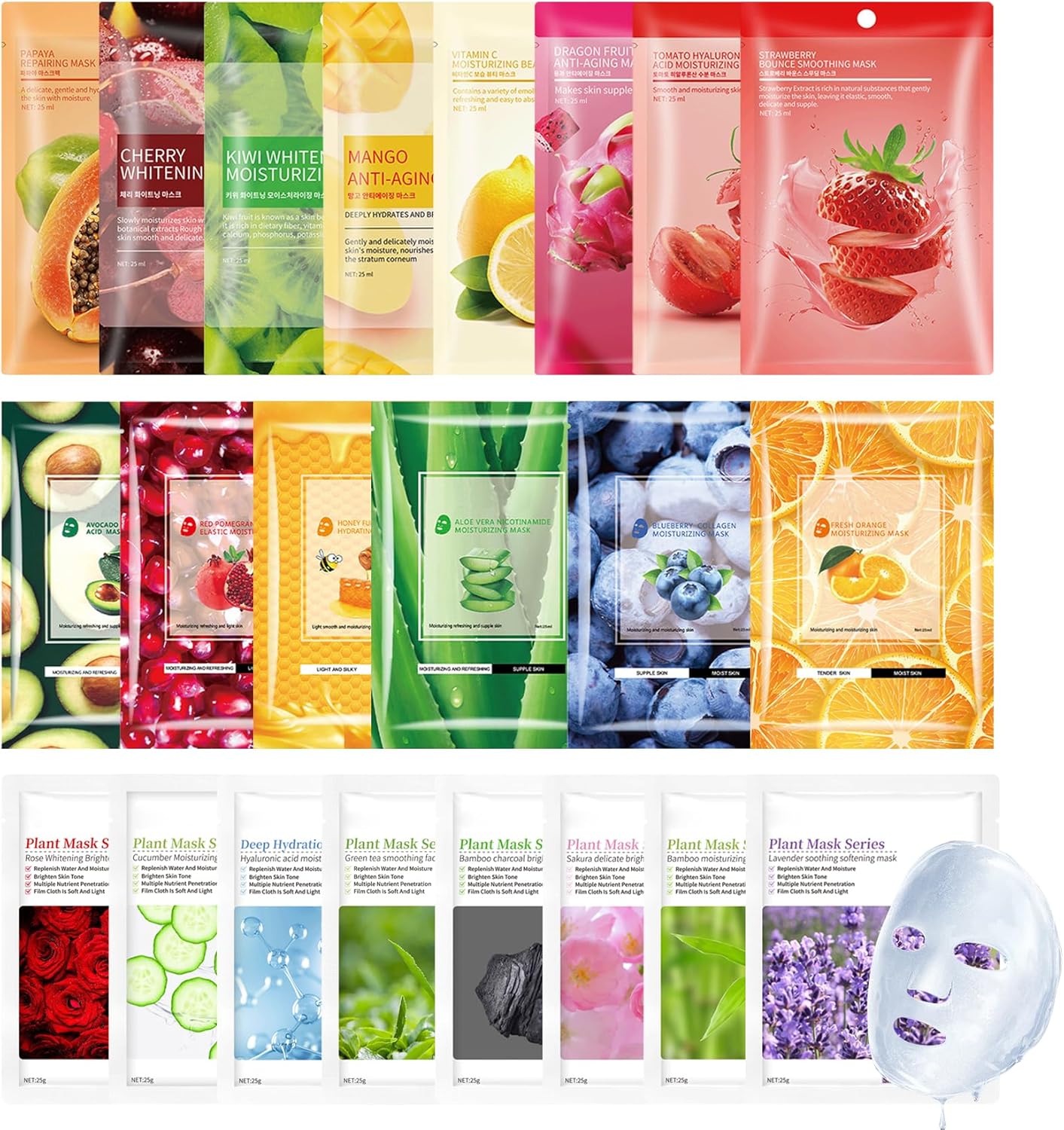
Sheet facial masks have become a staple in modern skincare routines, offering a concentrated dose of active ingredients designed to hydrate, brighten, or soothe the skin in a matter of minutes. When evaluating the market, choosing the right sheet mask involves looking closely at material composition, active serum formulations, skin type compatibility, and overall value. This comparative analysis examines five notable sheet masks available on the market, breaking down their distinct features, advantages, and limitations to help you select the ideal treatment for your skincare needs.
Understanding Sheet Facial Masks: Materials and Delivery Mechanisms
Before comparing specific products, it is essential to understand how sheet masks work and why material selection matters. A sheet mask typically consists of a pre-cut fabric, cellulose, hydrogel, or bio-cellulose sheet saturated with a liquid serum. The primary function of the sheet is to act as an occlusive barrier. By covering the face, the mask prevents the evaporation of the water-soluble and oil-soluble active ingredients, forcing them to penetrate the stratum corneum more effectively than a standard topical cream applied with bare hands.
Different materials offer varying levels of adherence, moisture retention, and absorption efficiency:
- Cotton and Tencel: Breathable and affordable, these traditional fibers hold a moderate amount of serum and adhere reasonably well to facial contours.
- Hydrogel: Made from a gel matrix, these masks provide a cooling sensation, excellent adherence, and deep moisture delivery, though they tend to be more expensive.
- Bio-Cellulose: Formulated through the fermentation of natural coconut water or bacteria, bio-cellulose fibers are exceptionally fine. They mold to the face like a second skin, offering superior serum retention and maximum ingredient transfer.
Criteria for Evaluating Sheet Masks
To establish a fair and comprehensive comparison, each product in this evaluation is assessed across four primary criteria:
- Serum Formulation and Active Ingredients: The quality, concentration, and synergy of key components such as hyaluronic acid, niacinamide, ceramides, and botanical extracts.
- Sheet Fit and Material Quality: How comfortably and securely the mask sits on various facial shapes without slipping or tearing.
- Skin Tolerance and Sensitivity: The presence of potential irritants, artificial fragrances, or parabens, making the mask suitable for sensitive skin types.
- Cost and Value: The price per mask relative to the immediate and cumulative results delivered.
The 5 Best Sheet Facial Masks Compared
The following selections represent a cross-section of top-performing sheet masks categorized by their primary formulations and target benefits.
1. Dr. Jart+ Dermask Water Jet Vital Hydra Solution
- Primary Benefit: Intensive hydration and moisture barrier reinforcement.
- Key Ingredients: Hyaluronic acid, aquaxyl, and seaweed extract.
- Material: Fine cellulose fiber.
Performance and Evaluation: The Dr. Jart+ Vital Hydra Solution is widely recognized for its clinical approach to dry skin. The fine cellulose sheet is lightweight and holds a generous amount of viscous, clear serum without dripping excessively. Upon application, it delivers an immediate cooling and plumping effect. The inclusion of low-molecular-weight hyaluronic acid ensures hydration reaches beyond the surface layers of the epidermis.
Pros: Excellent for dehydrated or post-flight skin; fragrance-free formula minimizes allergic reactions; leaves a non-sticky finish. Cons: Premium price point compared to drugstore alternatives; single-use packaging generates non-recyclable waste.
2. Mediheal N.M.F Intensive Hydrating Mask
- Primary Benefit: Deep moisture retention and skin elasticity support.
- Key Ingredients: Sodium hyaluronate, amino acids, hydrolyzed collagen, andallantoin.
- Material: Silky cellulose acetate (cupro sheet).
Performance and Evaluation: Developed by dermatologists, Mediheal's N.M.F (Natural Moisturizing Factor) mask focuses on biochemical mimicry to restore skin hydration balance. The cupro sheet shrinks slightly as it dries, creating a gentle tightening sensation that helps press the serum into the pores. It is particularly effective for dry and combination skin types experiencing flakiness or tightness.
Pros: High concentration of amino acids; adheres securely to the skin allowing for movement during use; dermatologically tested. Cons: Contains a mild, clean fragrance that may sensitivity-prone users should patch-test.
3. SK-II Facial Treatment Mask
- Primary Benefit: Radiance boosting, texture refinement, and anti-aging support.
- Key Ingredients: Pitera (Galactomyces Ferment Filtrate), butylene glycol, and pentylene glycol.
- Material: Thick, multi-layered cotton.
Performance and Evaluation: Often referred to as a luxury benchmark in sheet masking, the SK-II Facial Treatment Mask relies on the brand's proprietary bio-ingredient, Pitera—a bio-ferment liquid rich in vitamins, amino acids, and organic acids. The mask fabric is notably thicker than average, soaking up a potent, watery essence. Regular use helps accelerate natural surface cell turnover, resulting in a brighter, more even complexion.
Pros: Noticeable brightening effect after a single use; high concentration of signature active ingredients; ideal for special occasions. Cons: Significantly higher price per sheet; distinct natural ferment scent may not appeal to everyone.
4. Innisfree Second Skin Mask (Firming / Hyaluronic Acid)
- Primary Benefit: Bio-cellulose barrier repair and targeted nutrient delivery.
- Key Ingredients: Fermented soybean peptides and botanical oils.
- Material: Natural coconut-derived bio-cellulose.
Performance and Evaluation: Innisfree utilizes bio-cellulose technology to create a mask that mimics human skin structure. This allows for superior adhesion and deep penetration of active ingredients. The firming variant utilizes fermented soybean extract to enhance skin elasticity and firmness. The gel-like texture feels exceptionally soothing against irritated or wind-burned skin.
Pros: Second-skin fit minimizes serum evaporation; biodegradable bio-cellulose material; excellent for sensitive skin. Cons: Requires careful handling during removal from protective mesh layers to avoid tearing.
5. Tatcha Luminous Dewy Skin Mask
- Primary Benefit: Instant glow and deep nourishment for dry or dull skin.
- Key Ingredients: Hadasei-3 (green tea, rice, and algae extracts), squalane, and botanical oils.
- Material: Silky, microfiber sheet.
Performance and Evaluation: Designed to impart an immediate dewy glow, the Tatcha Luminous Dewy Skin Mask infuses a rich blend of botanical oils and anti-aging superfoods into a soft microfiber sheet. Unlike watery essence masks, this formula leaves a substantial, nourishing layer of moisture on the skin that acts almost like a rich moisturizer. It is best used in the evening as an intensive overnight recovery treatment.
Pros: Luxurious sensorial experience; highly moisturizing for dry skin types; clean formulation. Cons: May feel too heavy or greasy for oily or acne-prone skin types; premium luxury pricing.
Comparison Summary
| Product Name | Primary Skin Concern | Material Type | Key Active Ingredients | Price Tier |
|---|---|---|---|---|
| Dr. Jart+ Vital Hydra Solution | Dehydration & Dryness | Cellulose Fiber | Hyaluronic Acid, Aquaxyl | Mid-Range |
| Mediheal N.M.F Hydrating Mask | Moisture Balance & Elasticity | Cupro Sheet | Sodium Hyaluronate, Amino Acids | Budget-Friendly |
| SK-II Facial Treatment Mask | Dullness & Texture Refinement | Cotton | Pitera (Galactomyces Ferment) | Luxury |
| Innisfree Second Skin Mask | Barrier Repair & Firming | Bio-Cellulose | Fermented Soybean Peptides | Mid-Range |
| Tatcha Luminous Dewy Skin Mask | Intensive Glow & Nourishment | Microfiber | Hadasei-3, Squalane, Botanical Oils | Luxury |
Practical Application and Best Practices
To maximize the efficacy of any sheet facial mask, correct application technique is essential. Follow these steps for optimal results:
- Cleanse and Tone: Start with a thoroughly cleansed face. Apply a hydrating toner to prep the skin, which helps the active ingredients in the serum absorb more evenly.
- Unfold and Align: Carefully remove the mask from its pouch, unfold it, and align the cutouts with your eyes, nose, and mouth. Smooth out any air bubbles or folds to ensure complete skin contact.
- Observe Timing: Leave the mask on for the duration specified by the manufacturer—typically between 10 and 20 minutes. Do not let the mask dry out completely on your face, as a dry sheet will begin to draw moisture back out of the skin via reverse osmosis.
- Massage Excess Serum: After removing the mask, do not wash your face. Gently pat the remaining serum into your skin using your fingertips until fully absorbed.
- Seal the Moisture: Follow up with your regular moisturizer or facial oil to lock in the active ingredients and prevent moisture loss.
Frequently Asked Questions
How often should I use a sheet facial mask?
Most sheet masks can be used 2 to 3 times per week, depending on your skin type and the specific formulation. Hydrating and soothing masks can often be used more frequently, while exfoliating or active-heavy anti-aging masks should be limited to once a week to prevent irritation.
Should I wash my face after removing a sheet mask?
No, washing your face after a sheet mask removes the concentrated active serum left on the surface of your skin. Instead, gently massage the remaining essence into your face, neck, and décolletage, and seal it in with a moisturizer.
Can I reuse a sheet mask?
No. Sheet masks are strictly single-use products. Reusing a mask introduces bacteria from your skin back into the remaining packaging liquid, increasing the risk of breakouts, irritation, and microbial contamination.
Are sheet masks suitable for oily or acne-prone skin?
Yes, provided you choose lightweight, non-comedogenic formulas. Look for masks containing ingredients like tea tree, niacinamide, or centella asiatica rather than heavy botanical oils or butters, which can clog pores.
What should I do with the leftover serum in the pouch?
Many sheet mask packages contain excess liquid. You can apply this extra serum to your neck, chest, hands, or dry elbows before or after applying the mask to maximize the value of the product.
Final Recommendation
When choosing among these top sheet masks, align your selection with your immediate skin condition and budget. For everyday deep hydration without breaking the bank, Mediheal N.M.F offers reliable dermatological results. If you need targeted intensive recovery for sensitive or compromised skin barriers, Dr. Jart+ Vital Hydra Solution or Innisfree Second Skin provide exceptional biocompatibility. For special occasions where an immediate, radiant glow is desired, luxury options like SK-II and Tatcha deliver noticeable textural and luminosity improvements.