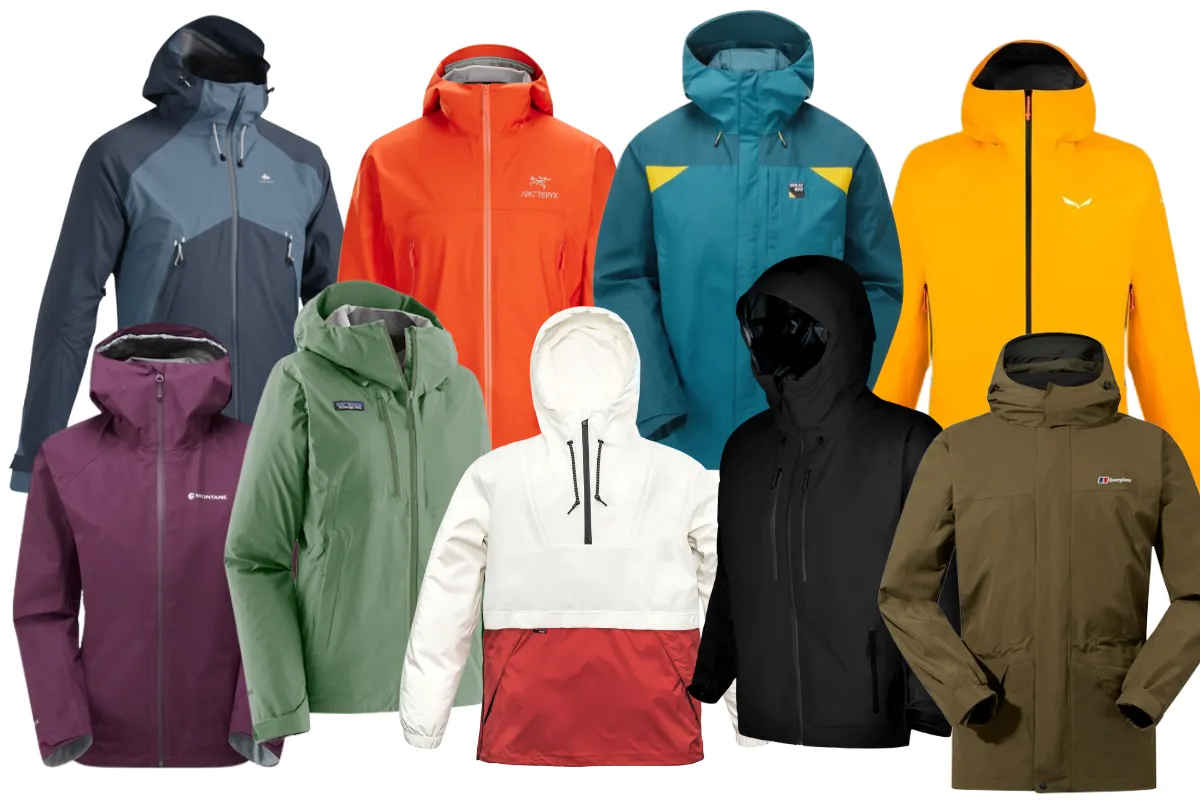
Finding a reliable waterproof shell that does not cost a fortune can be challenging, but the market offers several high-performing, budget-friendly rain jackets that deliver exceptional weather protection without sacrificing durability or comfort. Whether you need a lightweight daily commuter or a dependable layer for weekend hikes, the right affordable rain jacket balances waterproofing technology, breathability, and packability.
Understanding the Essentials of Budget Rainwear
Navigating the market for affordable rain protection requires an understanding of what separates a truly waterproof garment from a mere windbreaker or water-resistant shell. When shopping for cheap rain jackets, consumers often encounter confusing technical jargon, varied fabric treatments, and drastically different price points. A lower price tag should not mean sacrificing core functionality; rather, budget rainwear typically achieves its lower cost through simpler construction methods, non-proprietary membrane technologies, or minimalist feature sets rather than inferior weatherproofing chemistry.
Weather resistance generally falls into two distinct categories: water-resistant and waterproof-breathable. Water-resistant jackets typically feature a Durable Water Repellent (DWR) coating that causes moisture to bead up and roll off the fabric surface. However, these jackets will eventually wet out under steady or heavy rainfall. True waterproof jackets incorporate a waterproof membrane or polyurethane (PU) coating combined with fully taped or welded seams. Seam sealing is critical because water easily penetrates microscopic stitch holes; without it, even the most advanced waterproof fabric will eventually leak at the seams.
Breathability is another crucial factor, particularly for active users. When you hike, bike, or walk briskly, your body generates heat and sweat. Inexpensive rain jackets with solid plastic coatings often trap perspiration, creating a clammy, greenhouse-like effect inside the garment. Modern budget rain jackets increasingly utilize microporous membranes or hydrophilic coatings that allow water vapor to escape while blocking liquid water from entering. While high-end brands like Gore-Tex dominate premium price brackets, budget alternatives utilize reliable technologies such as polyurethane laminates and proprietary 2.5-layer constructions to manage internal moisture effectively.
Key Criteria for Evaluating Affordable Rain Jackets
When assessing budget rain jackets, several objective metrics determine their overall performance and value. Evaluating these elements ensures that a lower upfront cost translates to long-term utility rather than premature replacement.
Waterproof Ratings and Seam Construction
Waterproof performance is measured in millimeters (mm) using a hydrostatic head test, which determines how much water pressure a fabric can withstand before leaking. A rating of 5,000mm to 10,000mm is generally sufficient for light to moderate rain during daily commutes or short walks. For extended exposure or heavier downpours, a rating of 10,000mm to 20,000mm is recommended. Furthermore, inspect the product specifications for seam sealing: fully taped seams offer complete waterproof integrity, whereas critically taped seams only protect high-exposure areas like the shoulders and hood.
Weight, Packability, and Portability
For travelers, hikers, and urban commuters, the ability to pack a jacket down into its own pocket or a small storage pouch is a major advantage. Budget rain jackets often utilize 2.5-layer fabrics, which bond a protective print or thin layer to the inside of the waterproof membrane, eliminating the need for a separate lining fabric. This construction keeps the jacket exceptionally lightweight and packable, making it easy to stow in a backpack or messenger bag when the weather clears.
Fit, Layering, and Mobility
A well-designed rain jacket should accommodate internal layers without restricting movement. Consider whether you plan to wear the jacket over a lightweight t-shirt in warm weather or layer it over a thick fleece or insulated puffer jacket during colder months. Features such as articulated sleeves, adjustable cuffs with hook-and-loop closures, and a drawcord hem help seal out drafts and wind-driven rain while ensuring natural arm movement during outdoor activities.
Comparison of Top Budget Rain Jackets
The following comparison highlights five standout budget-friendly rain jackets, focusing on their core specifications, construction types, and ideal use cases.
| Jacket Model | Waterproof Tech | Weight | Best Suited For | Key Feature |
|---|---|---|---|---|
| Columbia Watertight II | Omni-Tech 2-Layer | ~10 oz | Daily commutes & light hiking | Drop tail coverage and packable design |
| Marmot Precip Eco | NanoPro 2.5-Layer | ~12 oz | Backpacking & active outdoor use | Recycled nylon face fabric & pit zips |
| Patagonia Torrentshell 3L | H2No Performance Standard | ~14 oz | Technical trails & severe weather | 3-layer construction & fair trade sewing |
| Outdoor Research Helium | Pertex Shield Diamond Fuse | ~6 oz | Ultralight backpacking & running | Extreme packability and low weight |
| The North Bay Venture 2 | DryVent 2.5-Layer | ~11.5 oz | Urban travel & variable weather | Pit zips and adjustable hood |
Detailed Reviews of the 5 Best Cheap Rain Jackets
1. Columbia Watertight II
The Columbia Watertight II stands as a staple in budget-friendly outdoor apparel. Utilizing Columbia's proprietary Omni-Tech technology, this jacket combines microporous waterproof breathability with seam-sealed construction to keep moisture at bay. The 2-layer design features a mesh interior lining that enhances comfort against the skin by preventing the clammy feeling often associated with cheaper polyurethane shells.
Weighing in at approximately 10 ounces, the Watertight II packs down easily into its own hand pocket, making it a convenient option to keep in a car trunk or backpack. While it lacks pit zips for mechanical ventilation—meaning high-output activities may cause heat buildup—its adjustable storm hood, drawcord hem, and zippered hand pockets provide reliable, straightforward weather protection for everyday errands and light trail walks.
2. Marmot Precip Eco
The Marmot Precip Eco bridges the gap between budget pricing and technical performance. Constructed from Marmot's proprietary NanoPro 2.5-layer waterproof and breathable coating, this jacket incorporates recycled nylon face fabric treated with a PFC-free DWR. The inclusion of PitZips—underarm zippered vents—is a standout feature at this price point, allowing users to dump excess body heat rapidly during strenuous uphill climbs without removing the jacket.
The Precip Eco also features an adjustable hood with a stiffened brim, DriClime-lined chin guard to prevent chafing, and Angel-Wing Movement patterning that keeps the jacket from riding up when you raise your arms. Its balance of eco-friendly materials, mechanical ventilation, and reliable waterproofing makes it a top pick for hikers and backpackers seeking high performance on a modest budget.
3. Patagonia Torrentshell 3L
While sitting near the higher end of the budget spectrum, the Patagonia Torrentshell 3L offers exceptional long-term value by utilizing a true 3-layer construction. Unlike 2.5-layer jackets that rely on a delicate interior coating, a 3-layer jacket sandwiches a waterproof-breathable membrane between a durable face fabric and a protective tricot backer. This design significantly enhances durability, tear resistance, and longevity.
The Torrentshell utilizes Patagonia's H2No Performance Standard shell, featuring a Fair Trade Certified sewn construction and recycled Econyl nylon. It includes a two-way adjustable hood with a laminated visor, microfleece-lined neck for comfort, pit zips for ventilation, and self-packet storage with a carabiner clip-in loop. For users willing to invest slightly more upfront for a jacket that withstands years of heavy daily use and rugged trail conditions, the Torrentshell 3L is a premier choice.
4. Outdoor Research Helium Rain Jacket
For those who prioritize minimal weight and maximum packability, the Outdoor Research Helium is an exceptional choice. Utilizing Pertex Shield Diamond Fuse technology, the Helium achieves an impressive waterproof rating while remaining remarkably featherlight at around 6 ounces. The fabric incorporates high-tenacity yarns with interlocking filaments, creating a durable tear-resistant surface that defies its ultralight appearance.
The Helium is designed for fast-and-light pursuits like trail running, fastpacking, and cycling where every ounce matters. It features a YKK AquaGuard front zipper, a low-profile hood adjustment, and a single chest pocket that doubles as a stuff sack with a carabiner loop. Because it is an ultralight minimalist shell, it omits hand pockets and pit zips, making it less ideal for casual urban wear but unmatched for backcountry emergency shells.
5. The North Face Venture 2
The North Face Venture 2 is a dependable, versatile waterproof shell built around DryVent 2.5-layer technology. Designed to block wind and water while allowing internal moisture to escape, the Venture 2 is well-suited for both city commuting and unpredictable mountain weather. The fabric features a dry-touch interior coating that feels comfortable against short-sleeve shirts.
Notable features include pit zips for active ventilation, fully adjustable Velcro cuff tabs, a hem cinch-cord, and generous zippered hand pockets. The Venture 2 packs entirely into one of its own pockets for easy transport. Its classic fit easily accommodates bulkier mid-layers, ensuring year-round utility across multiple seasons.
Common Mistakes to Avoid When Buying a Budget Rain Jacket
Purchasing an affordable rain jacket requires careful evaluation to avoid common pitfalls that lead to poor performance or wasted money.
- Ignoring Seam Construction: Buying a jacket with waterproof fabric but unsealed seams will result in leaks along the stitching during steady rain. Always verify that the product description specifies fully taped or sealed seams.
- Overlooking Ventilation Needs: If you plan on hiking, cycling, or running in your rain jacket, choosing a model without pit zips or breathable membrane technology will trap sweat, leaving you soaked from the inside out regardless of external weather protection.
- Neglecting Sizing for Layers: Buying a rain jacket in your exact fitted size without accounting for clothing layers can restrict movement when you attempt to wear a fleece or sweater underneath during colder months.
- Mistaking Water-Resistant for Waterproof: Relying solely on a DWR-treated windbreaker for heavy downpours will lead to saturation. Ensure the jacket features a dedicated waterproof membrane or PU coating.
Frequently Asked Questions
How do I maintain and restore the water-repellent coating on my rain jacket?
Over time, dirt, body oils, and abrasion wear down the Durable Water Repellent (DWR) finish, causing water to soak into the face fabric rather than bead up. To restore performance, wash the jacket using a technical cleaner designed for waterproof garments, as standard laundry detergents leave chemical residues that attract water. Follow the manufacturer's care label, often tumble drying on low heat or applying a wash-in or spray-on DWR treatment to reactivate and renew the water-repellent barrier.
Are cheap rain jackets suitable for heavy mountain downpours?
While many budget rain jackets handle light to moderate rain and urban commuting exceptionally well, severe mountain storms with high winds and sustained heavy precipitation require higher waterproof ratings (10,000mm to 20,000mm+) and robust 3-layer construction. For casual hiking and daily use, budget models perform admirably, but prolonged exposure in extreme alpine environments calls for technical shells.
What is the difference between 2.5-layer and 3-layer rain jackets?
A 2.5-layer jacket bonds a waterproof membrane to the face fabric and applies a protective print or thin layer to the interior, resulting in a lighter, more packable, and more affordable garment. A 3-layer jacket sandwiches the membrane between a durable face fabric and an integrated inner lining fabric, offering superior durability, longevity, and comfort against the skin at a higher price point and weight.
Can I use a cheap rain jacket for winter weather?
Yes, provided you size the jacket appropriately to accommodate warm insulating layers underneath, such as fleece pullovers or down jackets. Because rain jackets block wind effectively, they serve as an excellent outer shell to trap heat and prevent windchill during cold, wet winter days.
Final Recommendations for Your Purchase
Selecting the ideal cheap rain jacket depends entirely on your primary intended use. If you need a straightforward, reliable shell for daily commutes and walking the dog, the Columbia Watertight II offers unbeatable value and simplicity. For hikers and active outdoor enthusiasts who require mechanical ventilation, the Marmot Precip Eco provides pit zips and eco-friendly construction at an accessible price point. Evaluate your local climate, activity level, and layering requirements to choose a jacket that keeps you dry and comfortable for seasons to come.