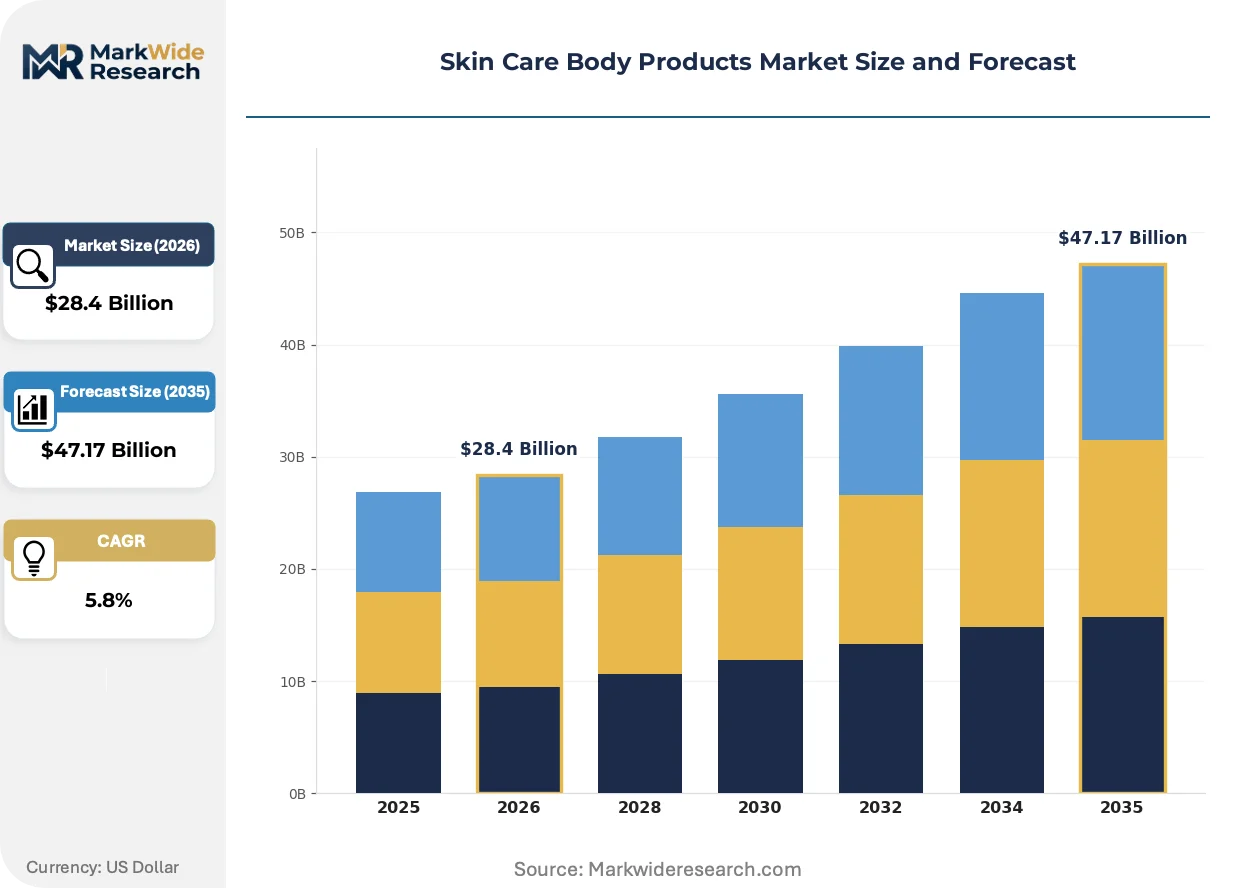
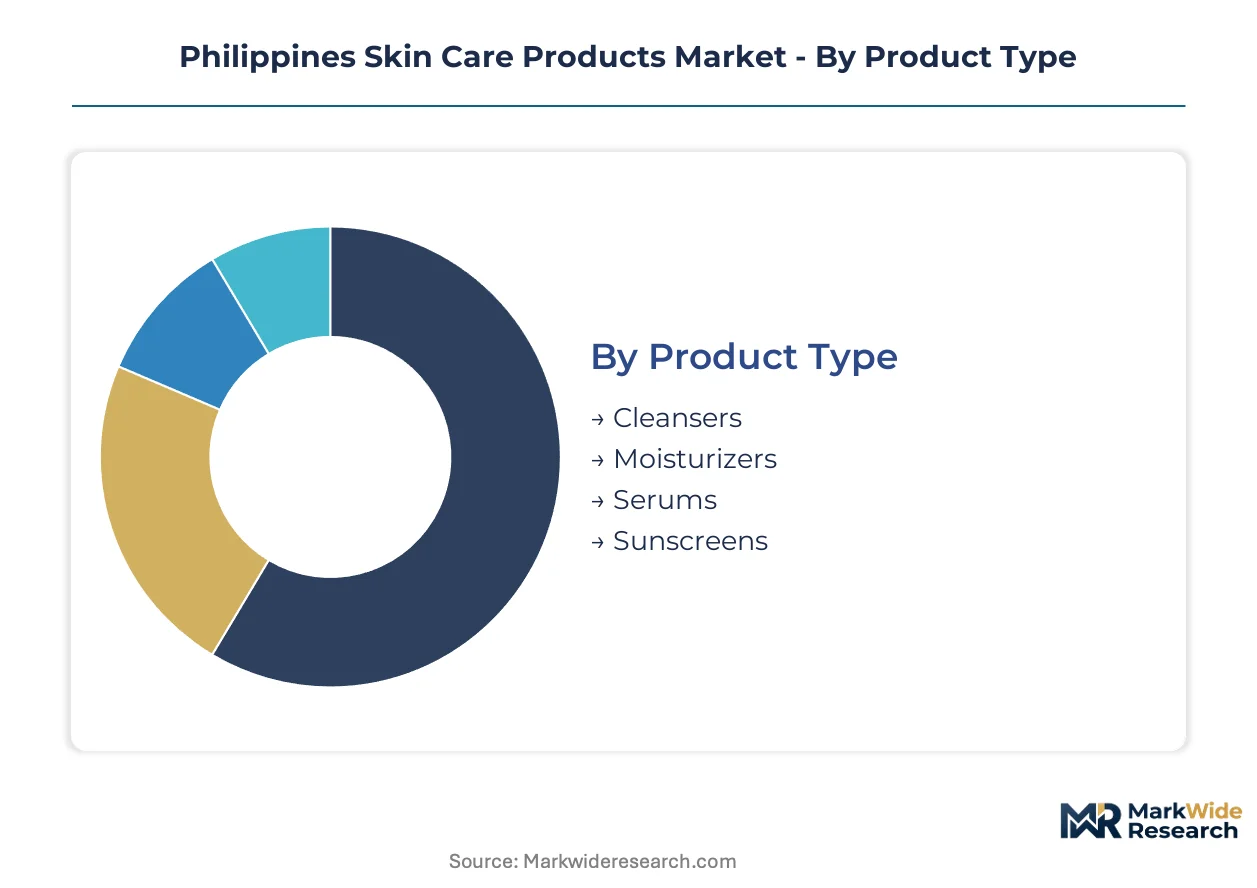
Reaching the age of 25 serves as a pivotal biological and strategic juncture in skincare, as the skin’s natural production of collagen and elastin begins a gradual, progressive decline. Transitioning from simple maintenance to a structured, preventive regimen requires prioritizing hydration, sun protection, and targeted active ingredients like retinoids to address early signs of volume loss and environmental damage.
The Biological Shift at 25
While the skin at 25 often appears firm and resilient, dermatological research confirms that this is the decade when metabolic processes shift. In your early twenties, the rate of cellular turnover begins to slow down. The skin’s extracellular matrix, which provides structural support, begins to undergo subtle changes as collagen synthesis decreases by approximately 1% per year.
This is not a time for aggressive "anti-aging" products designed for mature skin, but rather a time for foundational preservation. The primary goal is to maintain the integrity of the moisture barrier and mitigate oxidative stress, which is the leading cause of premature extrinsic aging. If you view your skin at 25 as a financial portfolio, the investments you make now—specifically in broad-spectrum protection and consistent hydration—yield the highest compound interest for the health of your skin in your thirties and beyond.
Identifying Your Skin Type and Primary Concerns
Before engaging with the vast, often overwhelming skincare market, you must identify your specific skin type. The market is segmented into categories that prioritize different ingredients based on how they interact with your natural sebum production and sensitivity levels.
The Four Core Skin Types
- Oily: Characterized by excess sebum production throughout the day, often leading to enlarged pores and a tendency toward congestion or acne.
- Dry: Defined by a lack of oil, resulting in a feeling of tightness, flaking, or dullness.
- Combination: A mix of both, usually presenting with an oily T-zone (forehead, nose, and chin) and dry or normal cheeks.
- Sensitive: Prone to redness, burning, or irritation when exposed to active ingredients or environmental triggers.
Understanding this allows you to bypass marketing hype and focus on product formulations that serve your biological needs. For instance, those with oily skin should seek non-comedogenic (pore-clogging resistant) gel-based moisturizers, while those with dry skin require occlusive ingredients like ceramides or squalane to lock in hydration.
Essential Components of a 25-Plus Regimen
A effective regimen at this stage does not need to be an eleven-step process. In fact, minimalism often yields better results by preventing barrier disruption. The following categories represent the non-negotiable pillars of a 2026 skincare strategy.
1. Broad-Spectrum Sun Protection (SPF 30+)
This is the single most important product in the skincare market. UV radiation is responsible for up to 80% of visible facial aging. Using an SPF 30 or higher daily, regardless of the weather, prevents the degradation of collagen fibers and protects against hyperpigmentation.
2. Gentle Cleansing
The transition to age 25 often involves moving away from harsh, stripping foaming cleansers. Look for pH-balanced, gentle cleansers that remove impurities without removing the lipids your skin needs to remain supple.
3. Antioxidants (Vitamin C)
Morning application of a Vitamin C serum serves as a shield against environmental stressors, such as pollution and infrared radiation, which create free radicals. Free radicals are unstable molecules that damage healthy skin cells; antioxidants neutralize these before they can cause damage.
4. Topical Retinoids
At 25, many dermatologists recommend introducing a low-concentration retinoid or retinol. This ingredient accelerates cell turnover and stimulates collagen production. Start slowly—usually twice a week—to allow the skin to retinize without irritation.
Comparative Overview of Skincare Strategies
The table below outlines how to distinguish between marketing trends and scientifically sound skincare priorities for the mid-twenties demographic.
| Category | Recommended Focus (25) | Strategy to Avoid |
|---|---|---|
| Cleansing | Double-cleansing (oil then water-based) | Physical scrubs with walnut shells or harsh bristles |
| Protection | Daily mineral or chemical SPF 30+ | Relying on SPF in makeup as the sole source of protection |
| Treatment | Vitamin C (AM), Retinol (PM) | Over-exfoliation with high-percentage acids |
| Hydration | Hyaluronic acid and ceramides | Heavy, comedogenic heavy creams for dry skin |
| Maintenance | Consistent barrier repair | Excessive "slugging" if acne-prone |
Common Pitfalls in the Modern Market
The 2026 skincare market is saturated with "miracle" ingredients and viral trends. It is easy to fall into the trap of product-hopping—switching routines every time a new product gains traction on social media. This practice is detrimental to the skin barrier.
The Over-Exfoliation Trap
Exfoliation is beneficial for clearing dull, dead skin cells, but at 25, the skin does not require daily chemical peels or high-strength AHAs (Alpha Hydroxy Acids) and BHAs (Beta Hydroxy Acids). Over-exfoliation compromises the acid mantle, the protective layer of the skin, leading to chronic dehydration, redness, and increased sensitivity. If your skin feels "tight" or "squeaky clean," your barrier is likely damaged.
Ignoring the Neck and Hands
The skin on the neck and the backs of the hands is thin and often neglected. As you reach 25, include these areas in your daily application of SPF and moisturizer. These regions often reveal the first signs of neglect years later, as they are frequently exposed to the same environmental stressors as the face but receive significantly less protection.
When to Seek Professional Guidance
While home-based regimens are effective for general health, they are not a substitute for clinical advice. If you are experiencing persistent acne that does not respond to over-the-counter options, or if you have specific concerns regarding hyperpigmentation or early skin laxity, consult a board-certified dermatologist.
Professional dermatological care in 2026 offers advanced options such as chemical peels, non-ablative laser treatments, or prescription-grade retinoids (like Tretinoin) that can be tailored to your specific genetic profile and lifestyle. Attempting to manage clinical-grade conditions with cosmetic-grade products often leads to wasted time and resources.
Frequently Asked Questions
Is it too early to use Botox or fillers at 25? "Preventive" injectables are increasingly common, but they are a medical decision, not a skincare step. Consult a provider to discuss your specific facial anatomy. Many choose to focus on quality skincare before turning to cosmetic procedures to address static lines.
How long does it take to see results from a new routine? The skin’s natural turnover cycle is approximately 28 to 40 days. You should remain consistent with a new product for at least three full cycles (roughly 3 months) before determining if it is effective, unless you experience an immediate allergic reaction.
Can I use anti-aging products at 25? The term "anti-aging" is largely a marketing construct. Focus on "pro-aging" or "healthy aging" ingredients like retinoids and antioxidants. These are technically anti-aging, but they function by maintaining skin health rather than trying to reverse advanced damage.
Should I change my routine based on the season? Yes. In drier months or colder climates, you may need to incorporate richer emollients or facial oils to prevent trans-epidermal water loss. In humid conditions, lighter, water-based hydrators are often more comfortable and less prone to causing congestion.
What is the best way to introduce retinol? Start with a low-concentration retinol (0.01% to 0.03%). Apply a pea-sized amount at night on clean, dry skin. Use the "sandwich method" by applying a layer of moisturizer before and after the retinol to buffer the transition and reduce potential irritation.
Next Actions for Your Skin Health
To transition effectively into your mid-twenties, begin by evaluating your current cabinet. Discard any expired products—check the "Period After Opening" (PAO) symbol on the back of your containers, typically represented by a jar icon with a number like "6M" or "12M."
Audit your routine for the three pillars: a mild cleanser, a broad-spectrum SPF, and a basic moisturizer. Once these are consistent for one month, introduce a single active ingredient, such as a Vitamin C serum in the morning. Monitor your skin's response for two weeks before introducing a secondary active like a retinol at night. By maintaining this slow, methodical approach, you ensure the health of your skin barrier while building a foundation that will serve you effectively throughout your twenties and well beyond.