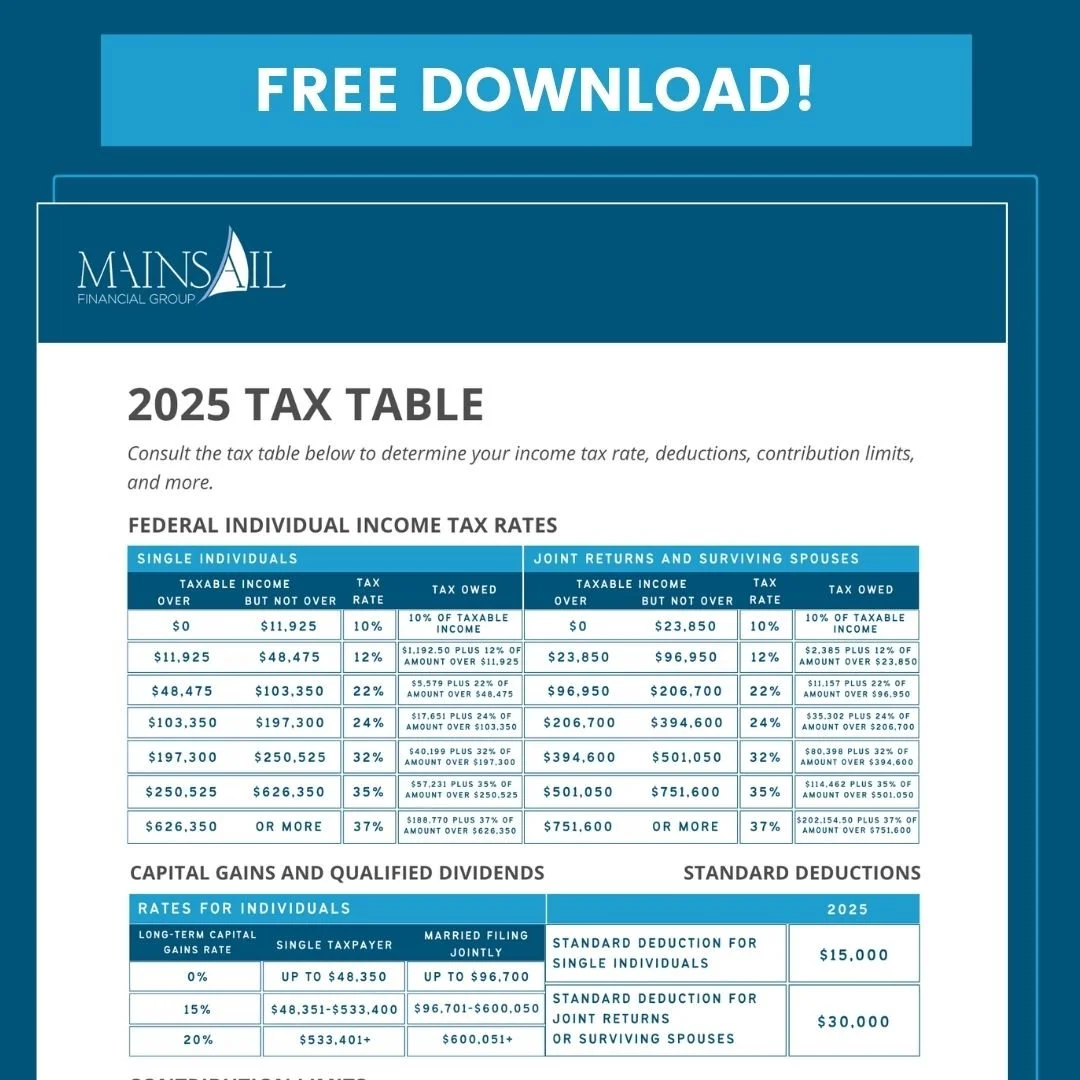
IRS Publication 17 serves as the comprehensive tax guide for individuals filing federal income tax returns, providing a detailed breakdown of filing statuses, exemptions, deductions, credits, and reporting requirements under the Internal Revenue Code. This summary covers the structural layout, core concepts, vital updates, and strategic filing considerations designed to help taxpayers navigate their annual obligations efficiently and accurately.
Introduction to IRS Publication 17
For decades, the Internal Revenue Service has published Publication 17, "Your Federal Income Tax," as a premier reference manual for individual taxpayers. Rather than introducing entirely novel tax legislation, Publication 17 consolidates existing rules, code sections, and procedural regulations into a single, comprehensive volume. It bridges the gap between complex tax statutes and everyday financial transactions, making it an indispensable resource for self-filers, students of taxation, and financial professionals alike.
Navigating the tax code can feel intimidating due to the sheer volume of rules governing gross income, adjustments, itemized deductions, and tax credits. Publication 17 addresses this challenge by organizing tax rules logically, beginning with the decision of whether a taxpayer must file a return and culminating in the mechanics of refunds, payments, and recordkeeping. Understanding how to utilize this guide ensures that taxpayers claim every allowable tax benefit while remaining compliant with federal standards.
When preparing to file, individuals must recognize that Publication 17 reflects tax laws applicable to the specific tax year in question. While tax provisions experience annual adjustments for inflation—such as changes to standard deduction amounts, tax bracket thresholds, and contribution limits—the fundamental architecture of filing statuses, income definitions, and deduction rules remains consistent. Reviewing this guide before submitting a return minimizes the risk of mathematical errors, overlooked deductions, and costly filing delays.
Core Structure and Scope of the Publication
Publication 17 is meticulously organized into multiple parts, each focusing on a distinct phase of the individual tax preparation lifecycle. The document generally begins by clarifying fundamental filing requirements, guiding the reader through the decision of who must file, what constitutes gross income, and which filing status applies to their specific household configuration.
Following the preliminary rules, the guide transitions into the mechanics of calculating adjusted gross income (AGI). This section examines taxable versus non-taxable compensation, including wages, tips, interest, dividends, business income, capital gains, retirement plan distributions, and unemployment compensation. It also details allowable adjustments to income—often referred to as above-the-line deductions—such as educator expenses, student loan interest, and health savings account contributions.
The subsequent segments of the publication address the critical fork in the road for tax deductions: choosing between the standard deduction and itemizing deductions. Publication 17 provides rigorous criteria for evaluating medical and dental expenses, state and local taxes, home mortgage interest, charitable contributions, and casualty losses. By laying out these thresholds clearly, the publication enables taxpayers to make mathematically sound decisions regarding their deductions.
Finally, the manual covers tax computation, non-refundable and refundable credits, estimated tax payments, withholding rules, and the final steps for filing and record retention. It concludes with comprehensive appendices listing helpful phone numbers, forms, and a detailed index for cross-referencing specific tax topics.
Determining Filing Status and Requirements
Before calculating income or deductions, a taxpayer must establish their correct filing status, as this dictates tax bracket thresholds, standard deduction amounts, and overall filing requirements. Publication 17 outlines five distinct filing statuses recognized by the Internal Revenue Service:
- Single: Generally applies to individuals who are unmarried, divorced, or legally separated under a decree of divorce or separate maintenance as of the last day of the tax year.
- Married Filing Jointly: Available to married couples who combine their income and deductions on a single return, offering the most favorable tax brackets and higher standard deduction thresholds in most scenarios.
- Married Filing Separately: Designed for married individuals who elect to file separate returns, which may be advantageous in specific financial circumstances but often limits eligibility for certain credits and deductions.
- Head of Household: Targeted at unmarried individuals who provide a home for a qualifying person, such as a dependent child or relative, providing higher standard deductions and more favorable tax rates than the Single status.
- Qualifying Surviving Spouse with Dependent Child: Allows a qualifying widow or widower with a dependent child to use joint return tax rates for up to two years following the death of a spouse, provided specific criteria are met.
Filing requirements are further determined by gross income thresholds, age, and dependency status. Publication 17 provides clear charts and worksheets that cross-reference age and marital status against minimum gross income levels. Taxpayers whose gross income falls below these thresholds are generally not required to file a federal return, though filing may still be necessary to claim refundable tax credits or recover withheld income taxes.
Navigating Income, Adjustments, and Deductions
A thorough understanding of income recognition is essential for accurate tax compliance. Publication 17 categorizes income into taxable and non-taxable streams, ensuring taxpayers report all reportable receipts while excluding exempt items such as qualified gifts, inheritances, and certain life insurance proceeds.
Taxable Income Components
- Wages, salaries, tips, and other employee compensation reported on Form W-2.
- Interest and dividend income from bank accounts, bonds, and mutual funds.
- Business income from sole proprietorships, freelance work, and independent contracting.
- Capital gains from the sale of stocks, real estate, and other capital assets.
- Taxable distributions from traditional IRAs, 401(k) plans, and pensions.
Once gross income is established, taxpayers subtract above-the-line adjustments to arrive at Adjusted Gross Income (AGI). These adjustments do not require itemization and are available to eligible filers regardless of whether they take the standard deduction.
When moving from AGI to taxable income, taxpayers must choose between the standard deduction and itemizing. The standard deduction is a flat dollar amount that reduces taxable income based on filing status, age, and blindness. Conversely, itemized deductions require compiling specific receipts and records across categories such as medical expenses exceeding percentage floors, deductible taxes up to statutory limits, home mortgage interest under acquisition debt caps, and substantiated charitable donations. Publication 17 provides step-by-step worksheets to compare both methods, ensuring taxpayers choose the path that yields the lowest overall tax liability.
Tax Credits: Reducing Liability Dollar-for-Dollar
Unlike deductions, which reduce the amount of income subject to tax, tax credits provide a direct, dollar-for-dollar reduction of total tax liability. Publication 17 dedicates extensive coverage to both non-refundable and refundable credits, detailing the statutory qualifications and income phase-outs associated with each.
| Credit Type | Primary Purpose | Refundable vs. Non-Refundable | Key Eligibility Considerations |
|---|---|---|---|
| Child Tax Credit | Assists families with the cost of raising qualifying dependent children. | Partially Refundable (Additional Child Tax Credit) | Dependent age limits, modified AGI phase-out thresholds, and citizenship requirements. |
| Earned Income Tax Credit (EITC) | Supports low- to moderate-income working individuals and couples. | Fully Refundable | Earned income limits, investment income caps, and qualifying child rules. |
| Education Credits | Offsets post-secondary tuition and fee expenses (American Opportunity / Lifetime Learning). | Partially Refundable (American Opportunity) | Enrollment status, eligible institution criteria, and modified AGI limits. |
| Child and Dependent Care Credit | Helps working taxpayers pay for care services for dependents or spouses. | Non-Refundable | Earned income requirements, provider identification, and expense caps. |
Understanding the distinction between refundable and non-refundable credits is vital. Non-refundable credits can reduce a taxpayer's liability to zero, but any excess credit amount is forfeited. Refundable credits, however, are paid out directly to the taxpayer as part of a tax refund even if the credit amount exceeds the total tax liability.
Filing Procedures, Payments, and Recordkeeping
The final sections of Publication 17 focus on execution: filing the return, settling tax liabilities, and maintaining proper records. Taxpayers can file electronically using IRS-approved software or submit paper returns by mail, though electronic filing combined with direct deposit remains the fastest and most secure method for receiving refunds.
If a tax liability is owed, Publication 17 outlines various payment options, including electronic funds withdrawal, credit card payments, and IRS Direct Pay. Taxpayers unable to pay their full liability by the filing deadline can explore installment agreements or offers in compromise, though interest and failure-to-pay penalties continue to accrue on unpaid balances.
Recordkeeping is the final administrative safeguard emphasized in the publication. Taxpayers are advised to retain copies of filed tax returns, Form W-2s, 1099s, receipts, canceled checks, and supporting documentation for a minimum of three years from the date of filing—or longer if specific situations apply, such as claiming a loss from worthless securities or failing to report income that exceeds statutory thresholds.
Common Taxpayer Pitfalls and Troubleshooting
Even with comprehensive guides like Publication 17, taxpayers frequently encounter avoidable errors during the filing process. Recognizing these pitfalls helps maintain compliance and prevents unnecessary correspondence or audits from the Internal Revenue Service.
- Filing Status Mismatch: Selecting an incorrect filing status—such as claiming Head of Household without a qualifying dependent—is a frequent error that triggers automated notices and recalculations.
- Income Omissions: Failing to report income from freelance work, gig economy platforms, or miscellaneous 1099 forms leads to matching discrepancies in IRS databases.
- Math Errors: Miscalculating credits, deductions, or taxable income on paper returns remains a primary cause of processing delays. Electronic filing software largely mitigates this risk through automated calculations.
- Incorrect Social Security Numbers: Typographical errors in taxpayer identification numbers for dependents or spouses invalidate claims for exemptions and credits.
When an error is discovered after a return has been submitted, taxpayers should not panic. Publication 17 and related IRS guidelines permit the filing of an amended return using Form 1040-X to correct income, deductions, or filing statuses from previous years.
Conclusion and Next Actions
IRS Publication 17 remains an essential compendium for navigating individual federal income taxation. By mastering its core sections—ranging from filing status selection and income categorization to deductions, credits, and record retention—taxpayers can approach tax season with confidence and precision. For complex financial situations, such as multi-state business operations, intricate trust distributions, or major investment transactions, consulting a qualified certified public accountant or tax attorney is strongly recommended to ensure complete compliance with evolving federal tax laws.