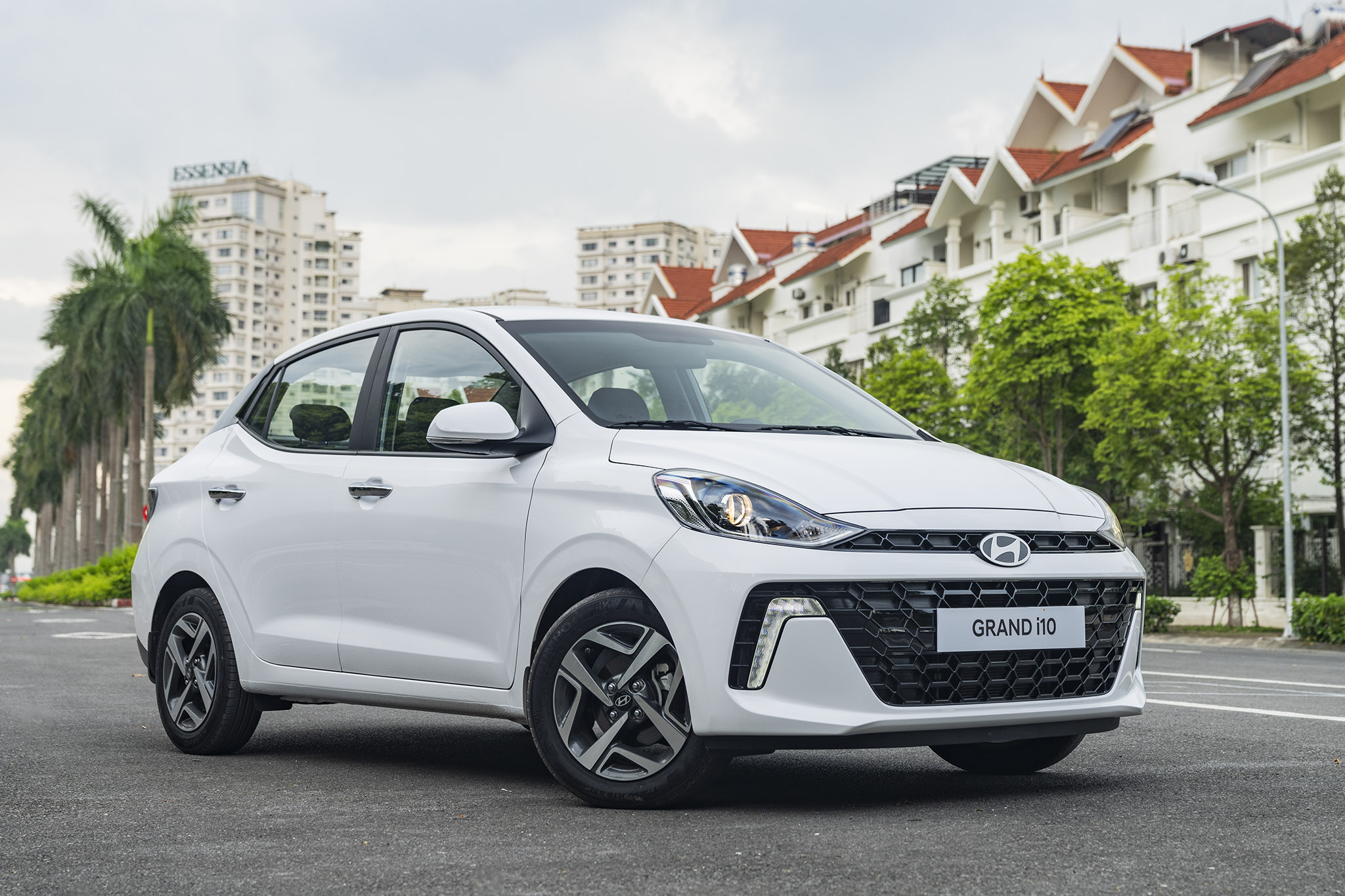
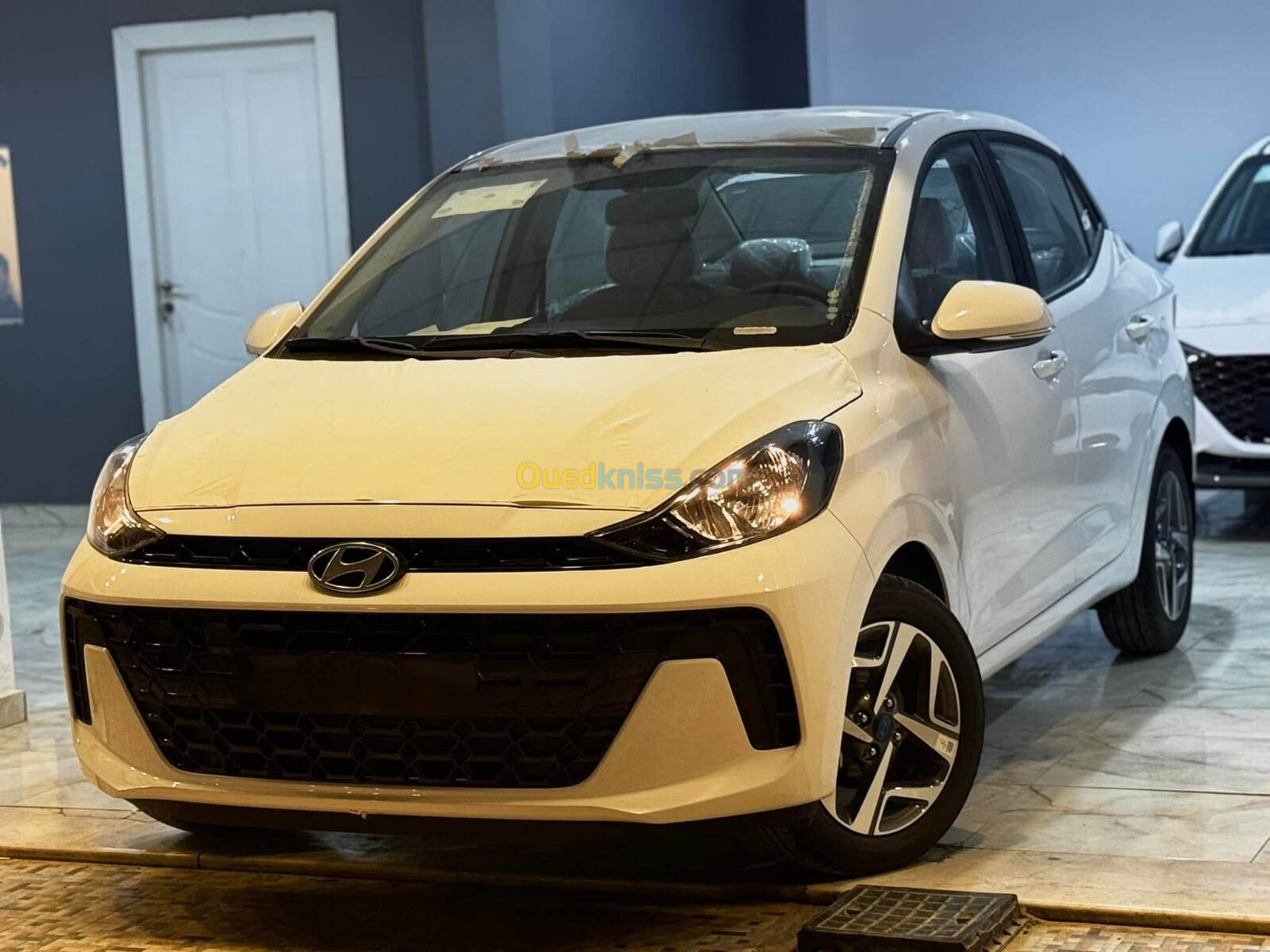
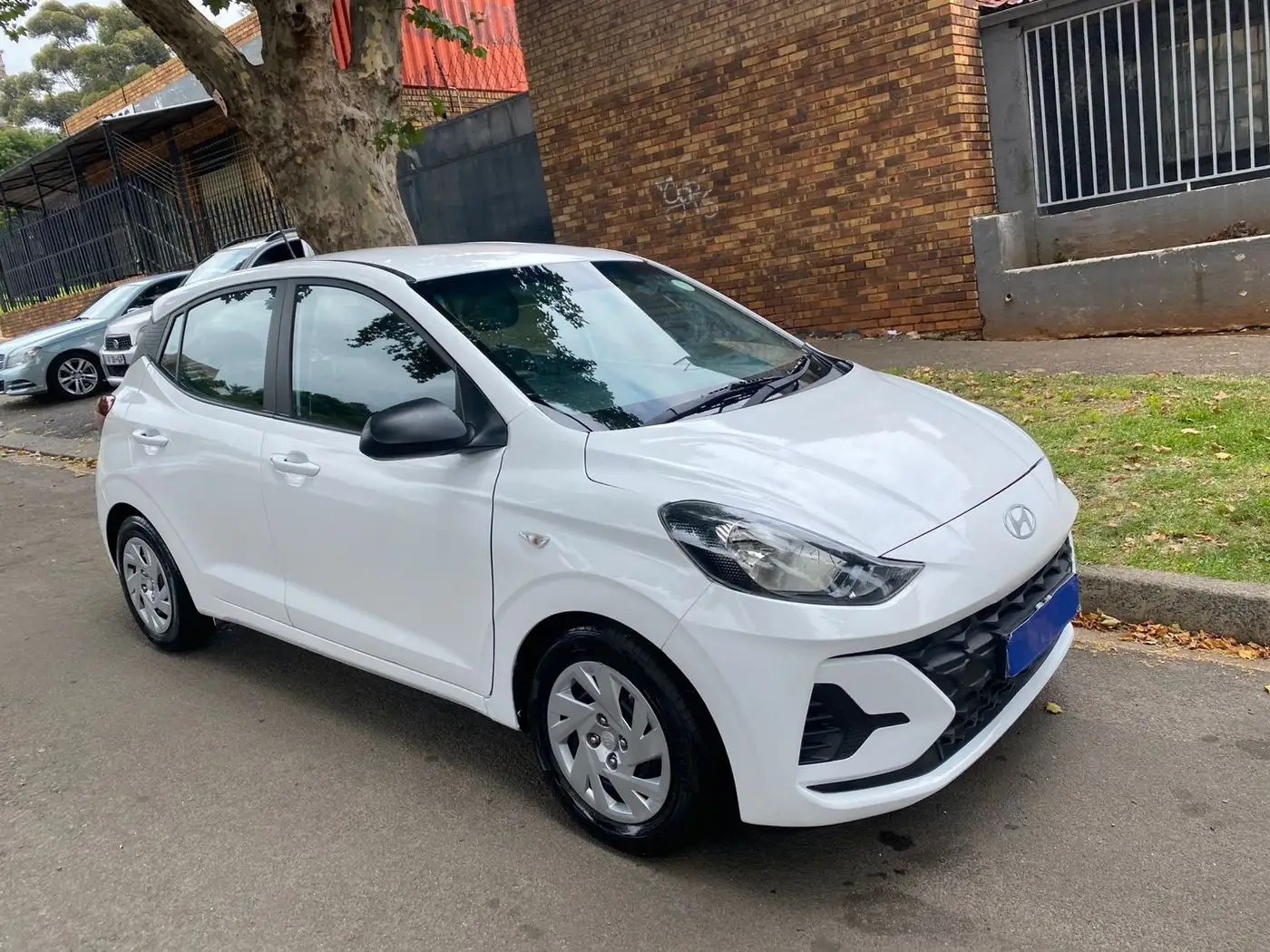
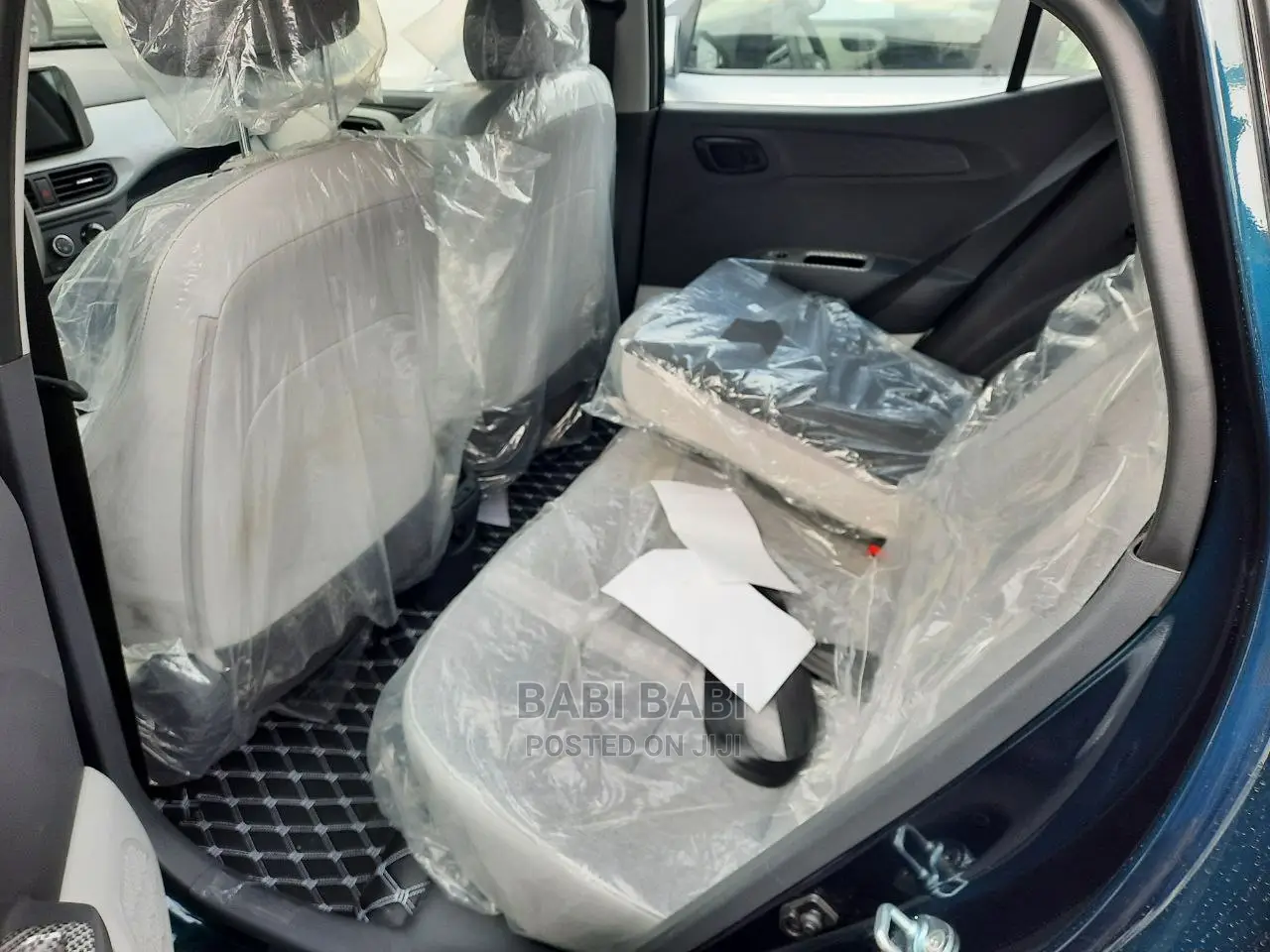
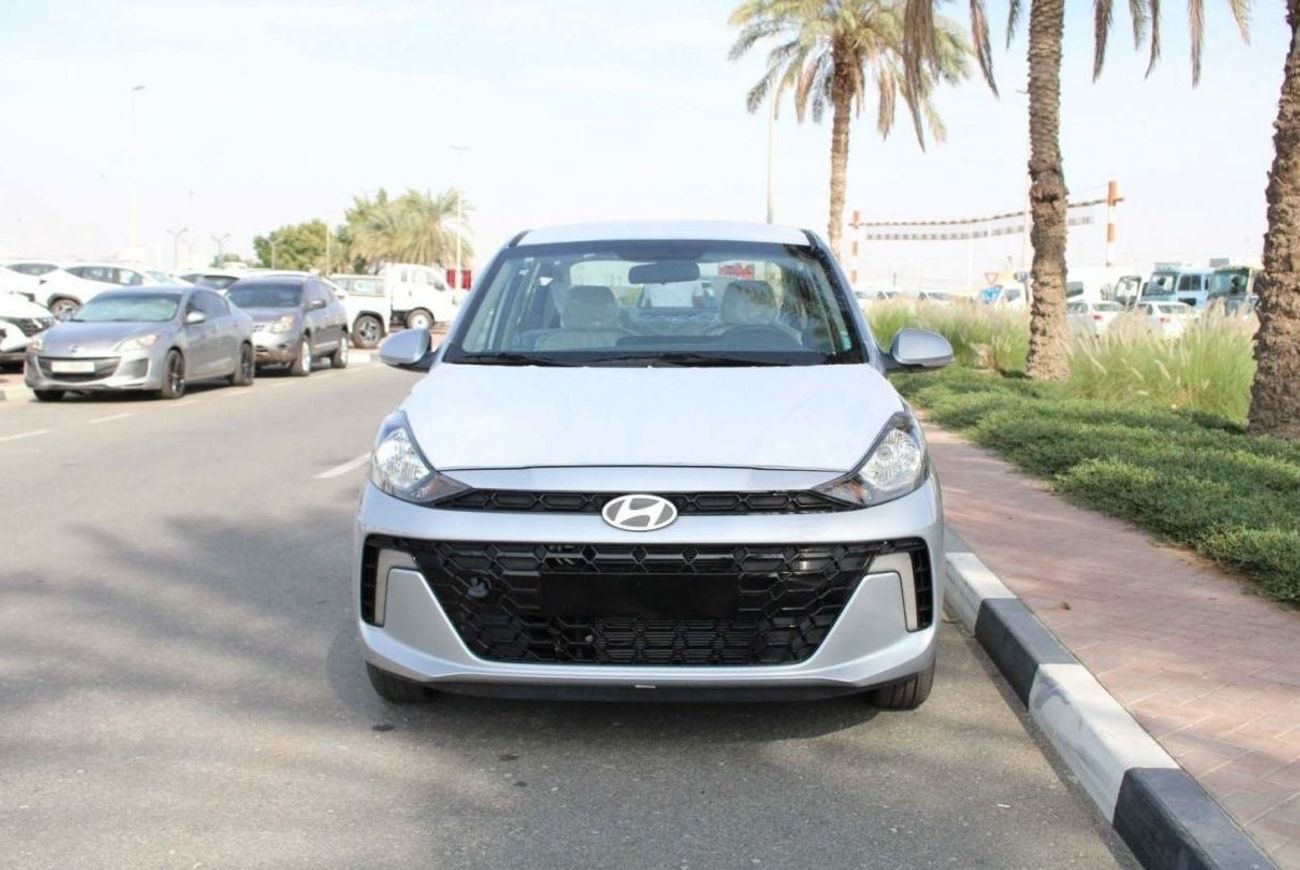
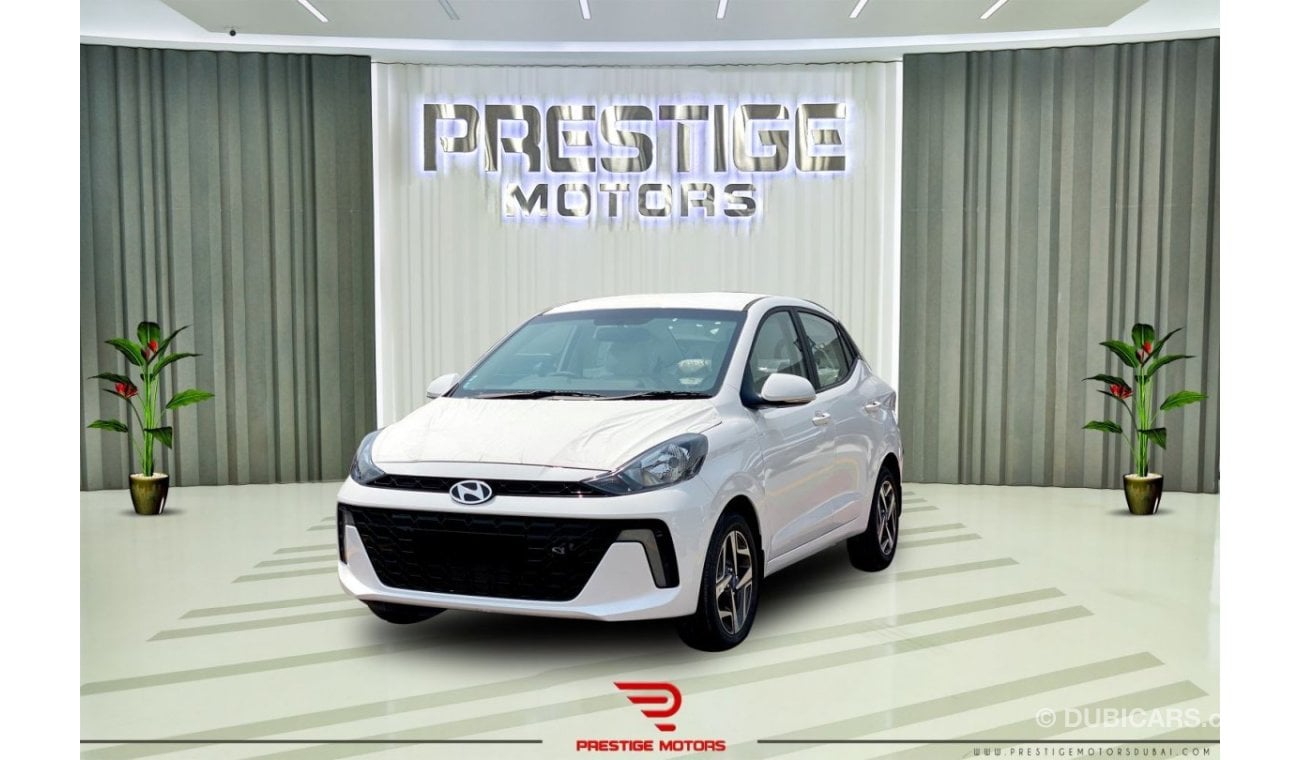
The 2024 Hyundai Grand i10 remains a benchmark in the sub-compact hatchback segment, offering a balance of premium features, engine efficiency, and urban maneuverability. While the original retail pricing for the 2024 model year varied by trim level and regional tax structures—typically ranging between approximately ₹6.00 lakh and ₹8.70 lakh ex-showroom in the Indian market—current buyers should focus on certified pre-owned valuations and residual value analysis as of 2026.
The Evolution of the Hyundai Grand i10 NIOS
To understand the pricing of the 2024 model, it is essential to recognize its position within the Hyundai lifecycle. The Grand i10 NIOS underwent significant updates leading into the 2024 model year, including aesthetic revisions to the front fascia, the integration of six airbags as a standard safety feature across all variants, and refined interior ergonomics.
When analyzing the "latest price" for this specific model, one must differentiate between the original manufacturer's suggested retail price (MSRP) and the current secondary market valuation. Since the vehicle has been on the road for approximately two years, the 2024 model is now primarily found in the used car ecosystem. Prices for these units are dictated by depreciation curves, odometer readings, and the ongoing demand for reliable, fuel-efficient city commuters.
Factors Influencing the Market Value of a 2024 Model
Several variables affect the valuation of a used 2024 Hyundai Grand i10. Unlike purchasing a new vehicle, where prices are fixed by dealership MSRP and state-mandated road taxes, the value of a two-year-old vehicle is highly subjective.
- Variant Hierarchy: The Grand i10 NIOS was offered in several trims, including Era, Magna, Sportz, and Asta. The Asta variant, featuring wireless charging, push-button start, and a premium infotainment system, retains a higher resale value compared to the base Era trim.
- Transmission Type: The availability of both manual transmission (MT) and automated manual transmission (AMT) creates a pricing divide. Urban buyers often pay a premium for the AMT variant due to its convenience in heavy traffic, which keeps its residual value higher.
- Engine and Fuel Options: The 1.2-liter Kappa petrol engine was the standard for the 2024 model. However, CNG-integrated factory-fitted models command a higher secondary price due to lower running costs, making them highly sought after in the pre-owned market.
- Maintenance History: A complete service record from an authorized Hyundai service center acts as a price stabilizer. Vehicles with documented, timely oil changes and tire rotations are valued significantly higher than those with gaps in their service history.
Comparative Market Analysis
Understanding where the 2024 Grand i10 stands requires looking at its primary competitors. In the current 2026 market, the vehicle competes with the Maruti Suzuki Swift and the Tata Tiago. While the Swift often holds a marginal lead in absolute resale percentage, the Grand i10 consistently ranks higher in cabin build quality and NVH (noise, vibration, and harshness) levels.
| Feature | 2024 Grand i10 (Asta) | 2024 Maruti Swift (ZXi) | 2024 Tata Tiago (XZ+) |
|---|---|---|---|
| Engine | 1.2L Petrol | 1.2L Petrol | 1.2L Petrol |
| Safety Rating | High (6 Airbags) | Moderate | High (4-Star GNCAP) |
| Interior Quality | Premium/Soft Touch | Standard | Robust |
| Typical Resale Value | High | Very High | Moderate |
Depreciation and Financial Realities
When assessing the price of a 2024 model in 2026, buyers typically see a depreciation of 15% to 25% from the original on-road price, depending on the mileage. If you are looking to acquire a 2024 model, it is crucial to calculate the "cost-to-own" rather than just the purchase price.
The cost-to-own includes the immediate requirement for a potential tire replacement, as factory-fitted tires often reach their end-of-life cycle around the 30,000 to 40,000-kilometer mark, which is common for a two-year-old vehicle. Additionally, buyers should factor in insurance transfer costs and the remaining duration of the manufacturer’s warranty. Hyundai’s standard warranty period is generous, meaning many 2024 models will still carry active coverage well into 2027 or 2028, adding significant value to the purchase.
Inspecting for Value: A Checklist
Before finalizing a purchase price for a 2024 Grand i10, conducting a technical verification is non-negotiable. Do not rely solely on the sticker price provided by a private seller or a local dealer.
- Electronic Control Unit (ECU) Scan: Use an OBD-II scanner to identify any hidden error codes. Modern cars like the Grand i10 have complex sensor arrays; a clean scan is the best indicator of a healthy engine management system.
- Suspension Health: Drive the vehicle over varied terrain. Listen for clunks or rattles, which might indicate worn-out strut mounts or bushings—common areas for wear in urban-driven hatchbacks.
- Climate Control Performance: Test the HVAC system at maximum cooling. A weak compressor is an expensive repair that should be reflected in the final negotiation of the price.
- Body Panels and Paint: Check for inconsistencies in paint texture or gaps between panels. While minor dings are expected in city cars, misaligned panels often point to past structural incidents.
Legal and Documentation Requirements
When settling on a price, ensure the transaction includes a clear title transfer. In India, verifying the RTO (Regional Transport Office) records is vital to ensure there are no pending hypothecations (outstanding loans) on the vehicle. If the car was financed, the seller must provide a "No Objection Certificate" (NOC) from the bank. The final price you pay should be inclusive of the paperwork processing fees if handled by a dealer, or you should set aside a budget for RTO transfer duties if dealing privately.
Frequently Asked Questions
1. Is the 2024 Hyundai Grand i10 still worth buying in 2026? Yes, it remains a highly relevant choice. It offers modern safety features, including six airbags, and a refined powertrain. Because the model underwent a significant refresh recently, it does not feel outdated compared to newer 2026 sub-compact offerings.
2. What is a fair price for a 2024 Grand i10 in 2026? A fair price generally falls between 75% and 85% of the original ex-showroom price, adjusted for mileage. A vehicle with less than 20,000 kilometers on the odometer will command a higher price than one with 40,000+ kilometers.
3. Does the CNG variant cost more in the used market? Yes. Due to the high cost of fuel, factory-fitted CNG variants of the Grand i10 NIOS have higher demand and better residual value than pure petrol models, often commanding a premium of 5% to 8% over similar petrol-only trims.
4. Are parts for the 2024 model easily available? Hyundai maintains a massive service network. Parts for the 2024 Grand i10 are widely available, and the mechanical architecture is shared with other Hyundai models, ensuring low maintenance costs for the foreseeable future.
5. How does the 6-airbag feature affect the price? The safety upgrade introduced in 2024 improved the vehicle's market position. It acts as a primary selling point for family-oriented buyers, which helps maintain the vehicle's price floor in the used car market compared to older models that lacked these safety features.
Final Recommendation
If you are currently evaluating a 2024 Hyundai Grand i10 for purchase, prioritize vehicles with a "Full Service History" (FSH). Aim to inspect the vehicle during daylight hours to accurately assess paint condition and interior wear. Prioritize the Sportz or Asta variants for better feature-to-price utility. When you reach the negotiation stage, use the existence of known maintenance requirements—such as upcoming tire changes or routine service intervals—to justify a price that aligns with your total budget including transfer and registration taxes.