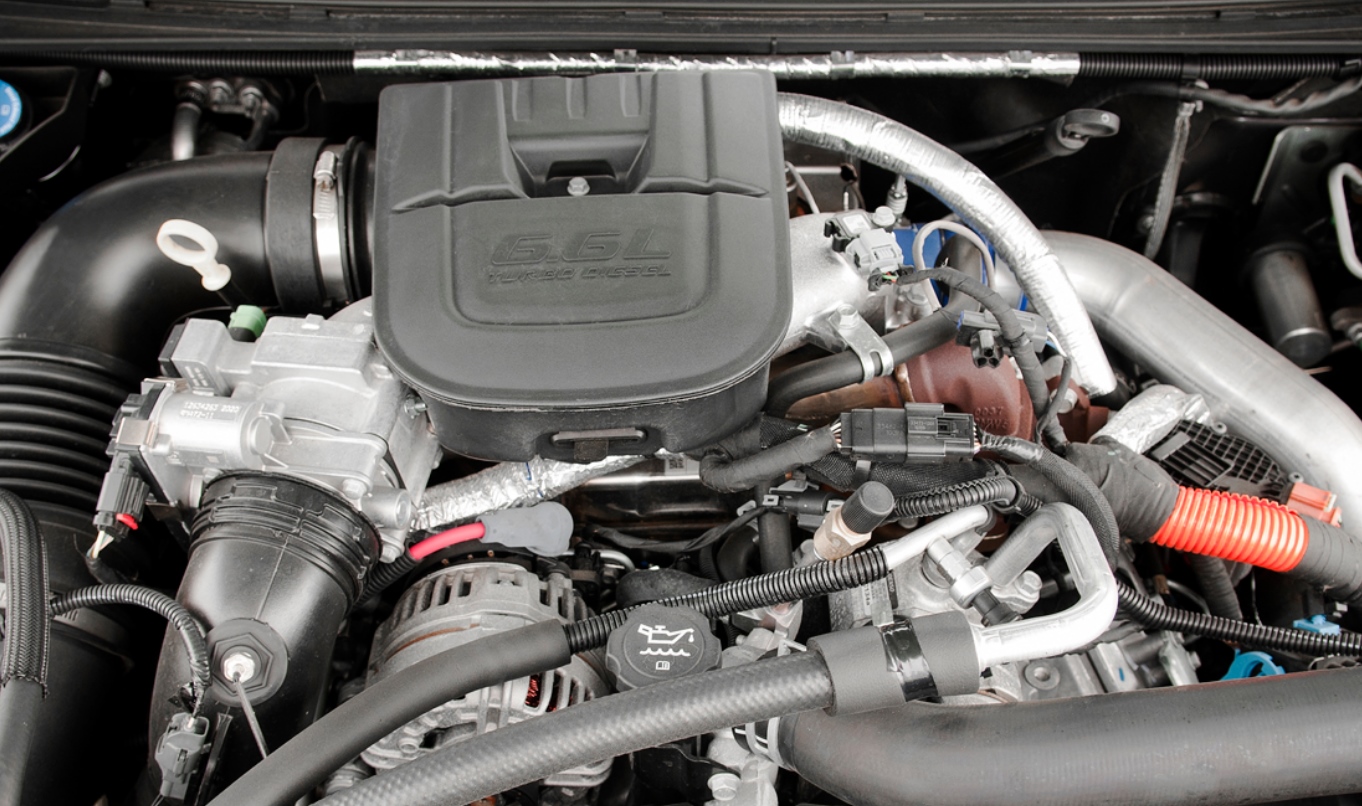
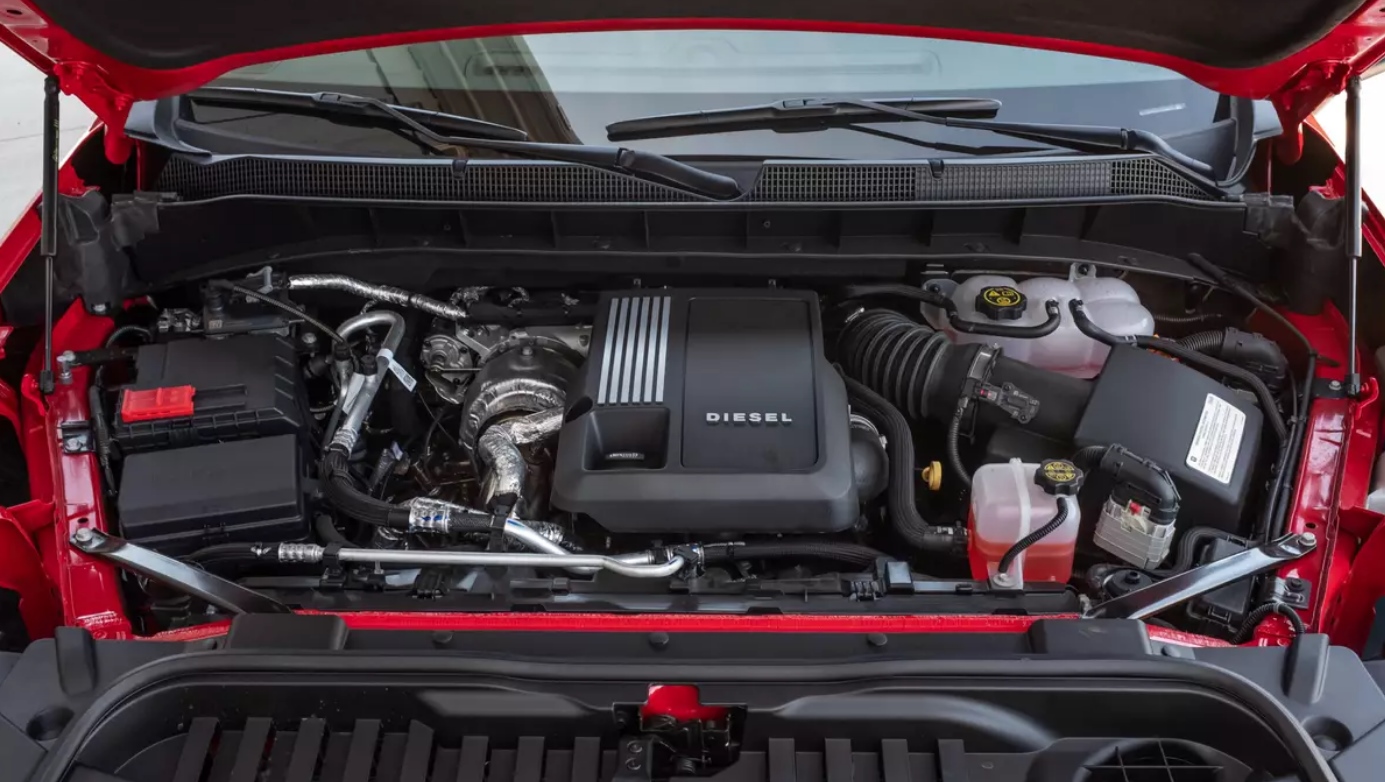
The 2024 Chevrolet Silverado 1500 offers four distinct engine configurations designed to balance towing capacity, fuel efficiency, and off-road performance. Drivers can choose between a turbocharged 2.7L I-4, a 5.3L V8, a 6.2L V8, or a 3.0L Duramax turbo-diesel, each paired with an electronically controlled 10-speed automatic transmission to optimize power delivery across varying load conditions.
Understanding the 2024 Engine Lineup
The Silverado 1500 remains a benchmark in the full-size truck segment, largely due to the diversity of its powertrain offerings. By 2024, Chevrolet refined the engine lineup to focus on specialized performance roles. Whether the primary objective is maximum trailering weight, consistent long-haul fuel economy, or high-output acceleration, the engine selection defines the utility of the vehicle. All engines utilize the Hydra-Matic 10-speed automatic transmission, which features a wide gear spread designed to improve torque output during initial acceleration and maintain efficiency at cruising speeds.
2.7L TurboMax High-Output Engine
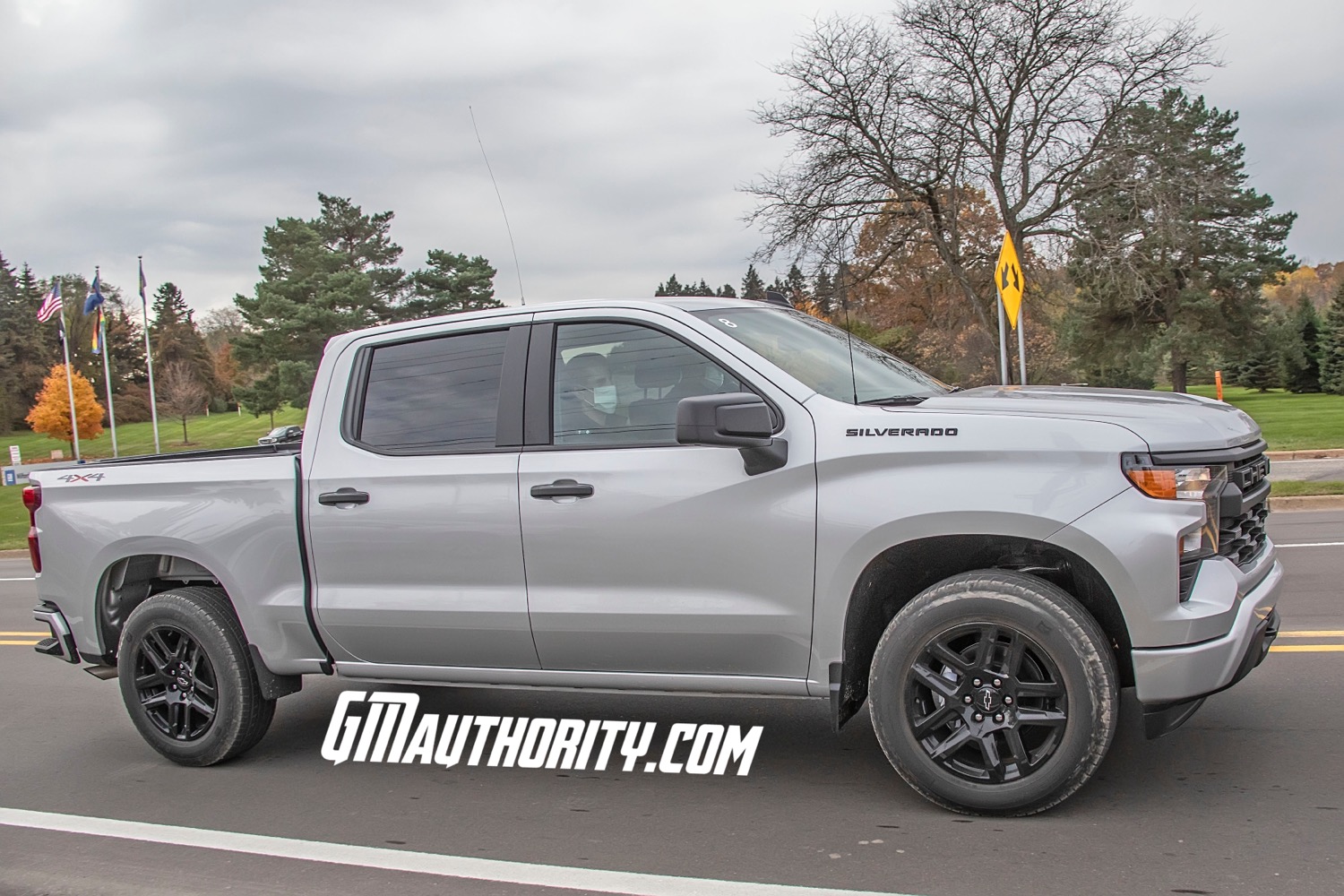
The TurboMax engine serves as the standard powerplant for the base and mid-level trims of the 2024 Silverado 1500. Despite its smaller displacement, this four-cylinder engine is engineered for high-torque performance.
- Engineering Philosophy: Chevrolet utilizes a dual-volute turbocharger design to minimize turbo lag. By separating the exhaust pulses, the system directs more energy into the turbine, resulting in torque delivery that feels comparable to a naturally aspirated V6 or entry-level V8.
- Performance Metrics: It produces 310 horsepower and an impressive 430 lb-ft of torque. This torque figure is the standout specification, providing enough low-end grunt for confident towing of light-to-medium loads.
- Ideal Use Case: This engine is the most efficient choice for daily commuters who occasionally tow trailers, boats, or campers. It is also the lightest of the engine options, which slightly improves front-end handling compared to the heavier V8 and diesel variants.
5.3L EcoTec3 V8
The 5.3L V8 is the quintessential Silverado engine. It represents a mature platform that relies on traditional displacement to provide the consistent power delivery expected from a heavy-duty light-truck engine.
- Dynamic Fuel Management (DFM): This engine utilizes advanced cylinder deactivation technology. DFM can monitor engine load and deactivate up to 17 different cylinder patterns, allowing the engine to run on as few as two cylinders when full power is not required. This drastically aids in balancing V8 power with acceptable highway fuel economy.
- Reliability and Maintenance: Because this engine has been a staple in the General Motors truck portfolio for many years, parts availability and technician expertise are widespread. For owners planning to keep their truck for a long duration, the 5.3L represents a known quantity.
- Towing Performance: While the torque is lower than the TurboMax or the 6.2L, the 5.3L provides a balanced towing experience. It excels at maintaining speed on highway inclines without the need for excessive downshifting.
6.2L EcoTec3 V8
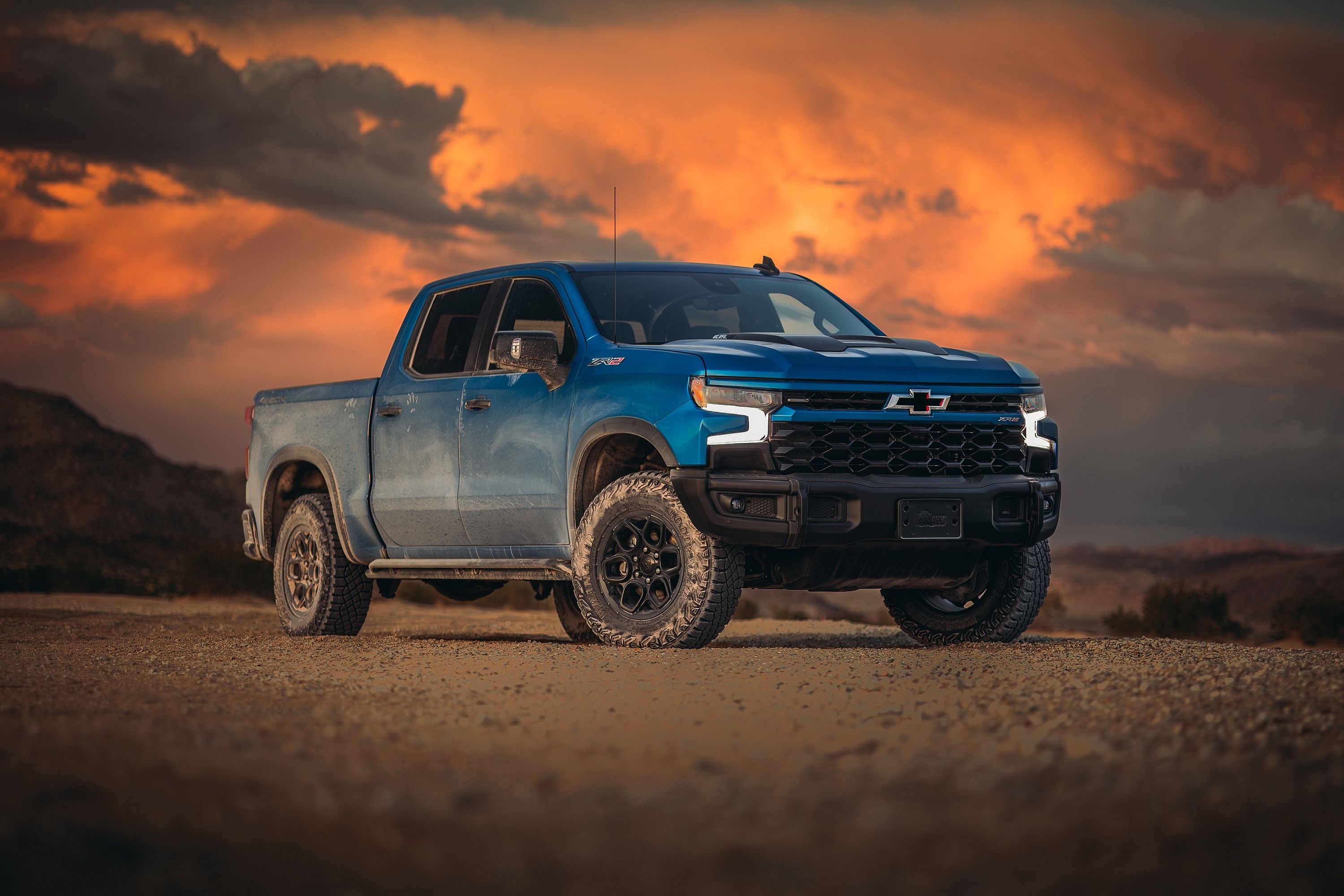
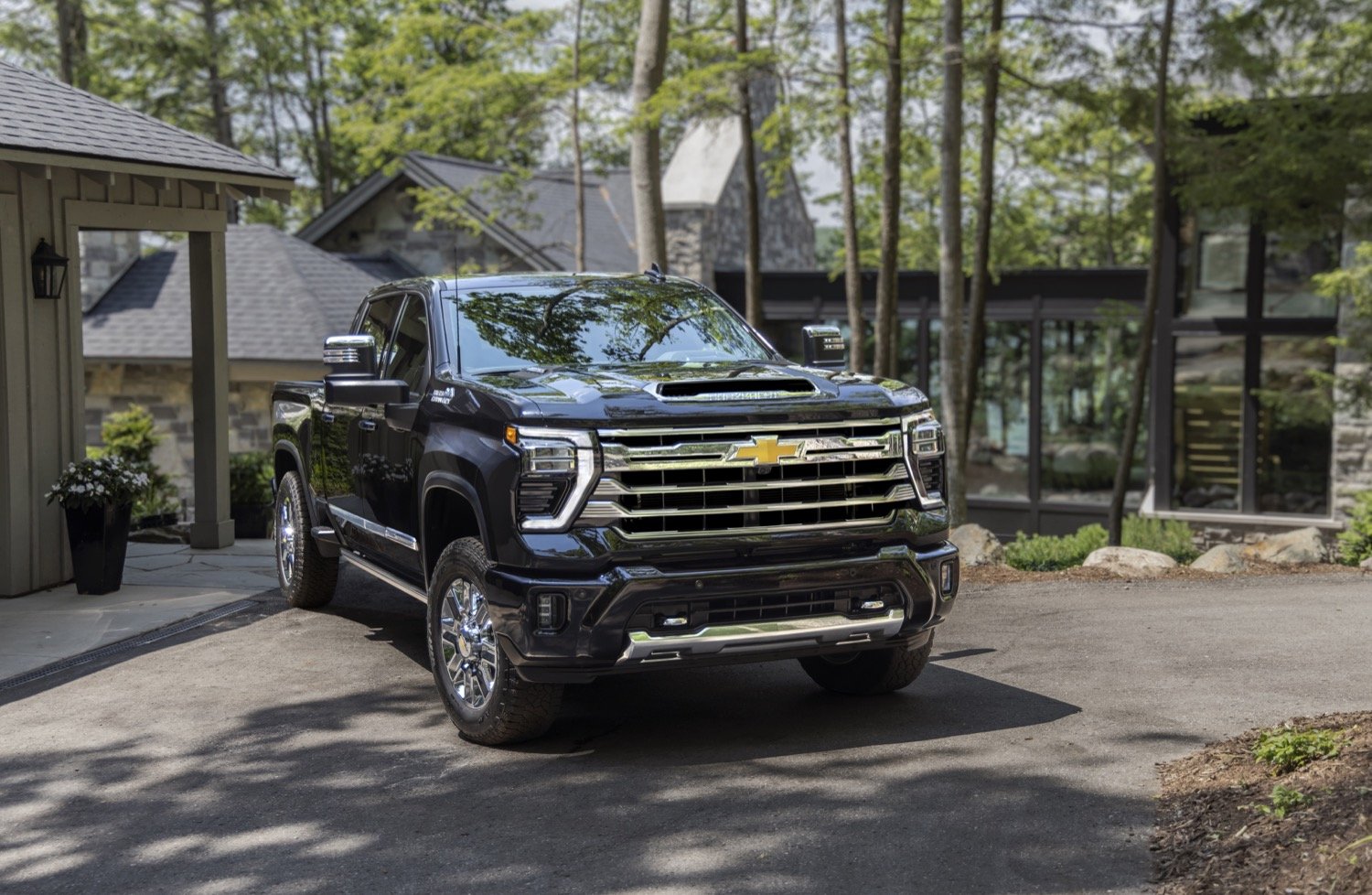
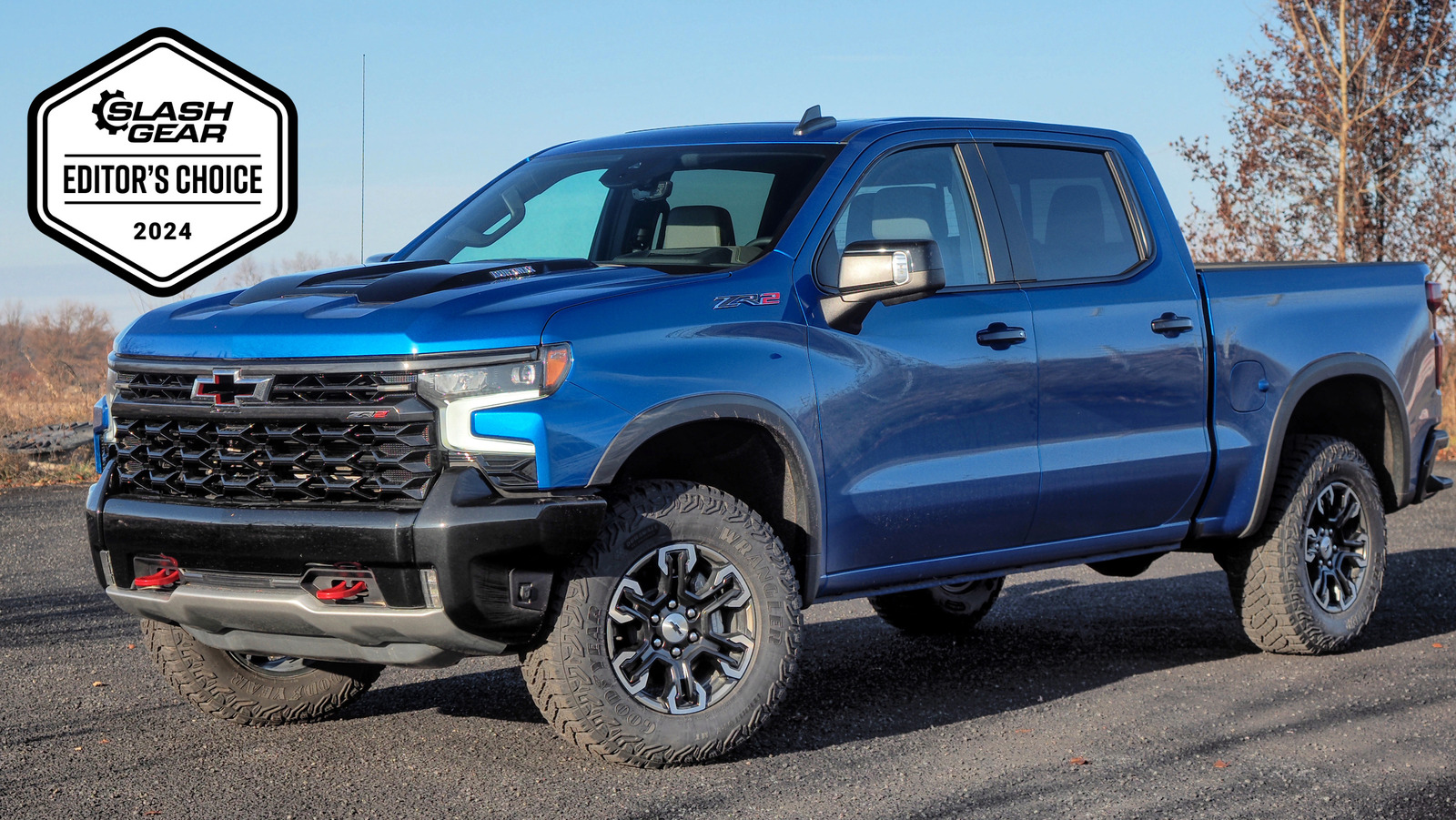
For those who prioritize raw horsepower and maximum towing capacity, the 6.2L V8 is the flagship gasoline option. It is typically reserved for higher trims like the High Country, LTZ, or the ZR2 off-road variant.
- Power Output: Rated at 420 horsepower and 460 lb-ft of torque, this engine is designed for drivers who frequently tow heavy trailers or require rapid acceleration for highway merging while fully loaded.
- Off-Road Capability: In the ZR2 trim, the 6.2L is tuned to provide immediate power delivery, which is essential for low-speed rock crawling or maneuvering through challenging terrain. The immediate throttle response allows for precise control when the vehicle is in 4WD Low.
- Operational Considerations: This is the most fuel-intensive engine in the lineup. Prospective buyers should be prepared for lower fuel economy figures, as the engine's design prioritizes power over efficiency.
3.0L Duramax Turbo-Diesel Inline-Six
The 3.0L Duramax is arguably the most sophisticated powertrain in the 2024 Silverado lineup. It utilizes an inline-six architecture, which is inherently smoother than the V-configurations found in the gasoline engines.
- Torque Advantages: Producing 305 horsepower and 495 lb-ft of torque, the Duramax offers the highest torque rating of any engine in the standard Silverado 1500 range. This makes it exceptionally capable for towing heavy loads over long distances.
- Long-Distance Efficiency: The primary advantage of the diesel engine is fuel economy. It consistently outperforms the gasoline variants during highway driving, offering a superior range per tank—a significant factor for long-distance haulers.
- Diesel Maintenance Requirements: Owners must account for the regular addition of Diesel Exhaust Fluid (DEF) and the potential for increased maintenance costs associated with the diesel particulate filter and fuel system. It is best suited for drivers who use the truck for consistent work rather than short, intermittent urban trips.
Comparative Analysis of Engine Specifications
| Engine | Horsepower | Torque (lb-ft) | Primary Strength |
|---|---|---|---|
| 2.7L TurboMax | 310 hp | 430 lb-ft | Efficiency & Daily Utility |
| 5.3L V8 | 355 hp | 383 lb-ft | Versatility & Reliability |
| 6.2L V8 | 420 hp | 460 lb-ft | Max Towing & Acceleration |
| 3.0L Duramax | 305 hp | 495 lb-ft | Fuel Range & Hauling Torque |
Choosing the Right Engine for Your Needs
Selecting the optimal powertrain requires an honest assessment of how the truck will be utilized. If your ownership experience involves 90% commuting and 10% recreational towing, the 2.7L TurboMax is the most economical choice. Conversely, if you are a contractor or recreational enthusiast pulling heavy trailers across varied geography, the 3.0L Duramax offers a superior towing experience due to its high low-end torque.
For those who adhere to the "no replacement for displacement" philosophy, the 6.2L V8 provides a thrilling driving experience and the highest capability for the toughest tasks. The 5.3L remains the "middle-ground" choice, suitable for buyers who want the classic V8 feel and capability without the premium pricing of the 6.2L or the specific fuel requirements of the diesel.
Maintenance and Operational Tips
Regardless of the engine selected, longevity depends on adherence to the manufacturer's recommended maintenance schedule.
- Oil Changes: The TurboMax and V8 engines require full synthetic oil to ensure the longevity of the turbochargers and the complex valvetrain systems, including the Dynamic Fuel Management components.
- Transmission Care: Because the 10-speed transmission is shared, keeping the fluid clean is critical. If you are regularly towing near the maximum rating, consider a more frequent transmission fluid service interval than the standard manual suggests.
- Diesel Considerations: The 3.0L Duramax is sensitive to fuel quality. Using high-quality diesel from high-volume stations helps prevent issues with fuel injectors and filters. Always keep the DEF reservoir topped off, as the vehicle will initiate a countdown and eventually restrict speed if the fluid is depleted.
Frequently Asked Questions
Which Silverado engine is best for towing heavy trailers? The 3.0L Duramax turbo-diesel is widely considered the best for heavy towing due to its 495 lb-ft of torque and superior fuel efficiency under load. If you prefer a gasoline engine, the 6.2L V8 provides the highest peak horsepower for merging and passing.
Does the 5.3L V8 have cylinder deactivation? Yes, the 5.3L EcoTec3 V8 is equipped with Dynamic Fuel Management (DFM), which is an advanced cylinder deactivation system. It helps the engine save fuel by operating on fewer cylinders during light-load driving conditions.
Is the 2.7L engine reliable for long-term ownership? The 2.7L TurboMax has proven to be a durable engine within the Silverado lineup. It is built with a reinforced block and robust internal components designed to handle the high stress of turbocharging, provided the owner follows the recommended oil change intervals.
Can all these engines use regular unleaded fuel? The 2.7L, 5.3L, and 6.2L engines are designed to run on regular unleaded gasoline. However, for the 6.2L engine, the owner's manual may suggest premium fuel for maximum performance, though it is not strictly required for everyday operation.
Why is the 3.0L Duramax better for long-distance driving? The Duramax provides excellent thermal efficiency and high torque at low RPMs, allowing the engine to stay in a lower gear (or a higher overdrive gear) for longer periods, resulting in fewer stops at the fuel pump and less engine strain.
Final Recommendation
The best way to decide is to prioritize your specific environment. If you live in an area with steep elevation changes, the torque of the 3.0L Duramax or 6.2L V8 will provide a significantly better driving experience than the smaller options. Test driving these engines back-to-back—paying close attention to the sound, throttle response, and the way the 10-speed transmission shifts under light load—will clarify which engine matches your personal driving style. For the majority of suburban users, the 2.7L TurboMax provides more than enough performance while keeping operating costs manageable.