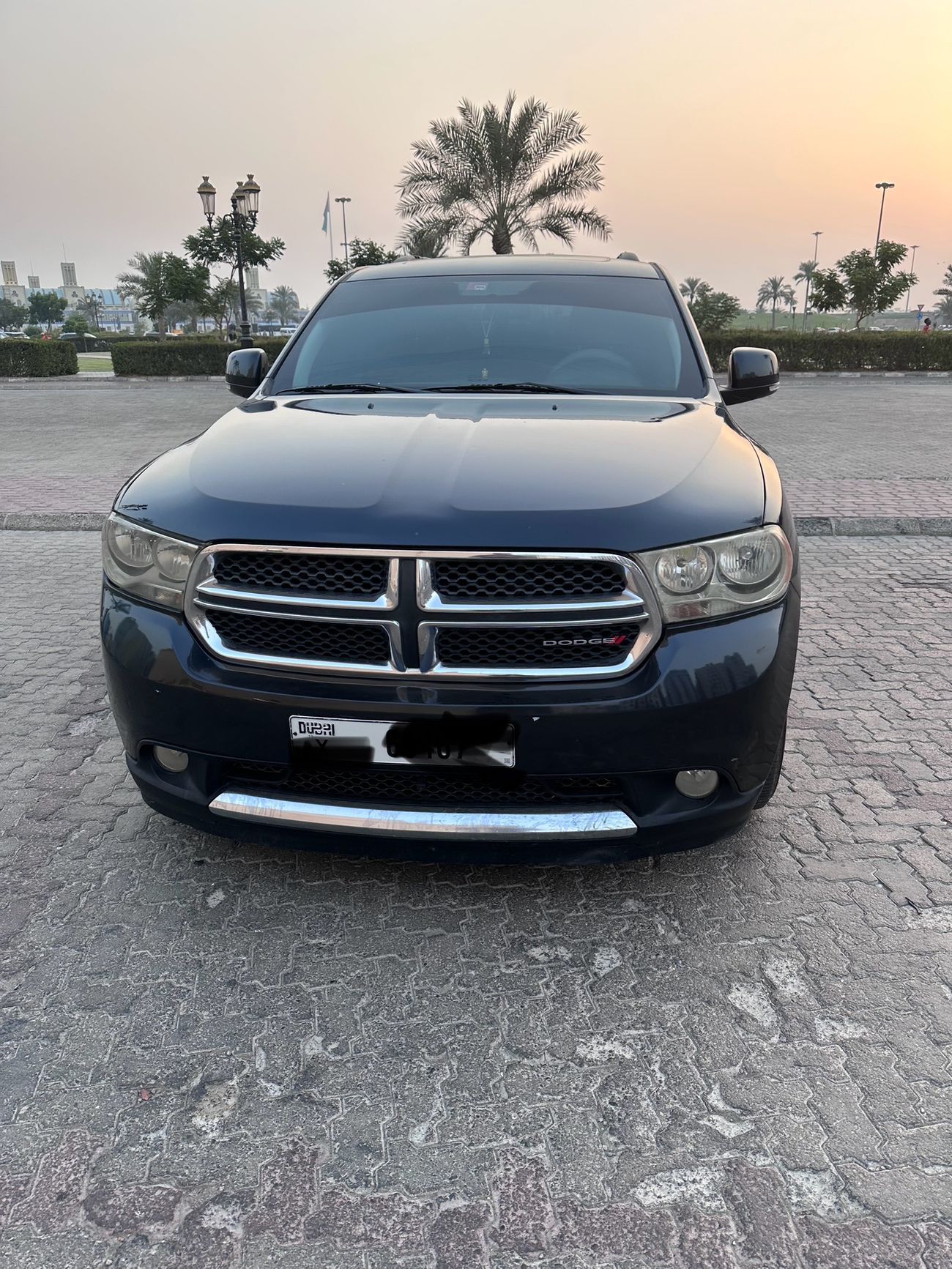
The 2013 Dodge Durango is a midsize three-row SUV offering a choice between a 290-horsepower 3.6L Pentastar V6 and a 360-horsepower 5.7L HEMI V8. Known for its class-leading towing capacity of up to 7,400 pounds and unibody construction, it balances car-like handling with truck-like utility across SXT, Crew, R/T, and Citadel trims.
The Engineering Foundation of the 2013 Durango
The 2013 Dodge Durango represents the third year of the vehicle’s third generation. Unlike the body-on-frame Durangos of the past, this iteration utilized a unibody architecture shared with the Jeep Grand Cherokee and the Mercedes-Benz M-Class (GLE) of that era. This engineering choice was pivotal, providing a much stiffer chassis that improved crash safety, reduced interior noise, and allowed for a sophisticated four-wheel independent suspension system.
From a technical standpoint, the 2013 model focuses on a near 50/50 weight distribution. By placing the engine lower and further back in the bay, Dodge engineers achieved a center of gravity that was relatively low for a vehicle of its size. This resulted in a more composed ride on winding roads compared to contemporaries like the Chevrolet Traverse or the Toyota Highlander. As we look back from 2026, the 2013 Durango remains a significant milestone in the shift from rugged utility to refined performance in the SUV segment.
Powertrain Specifications and Performance
The 2013 Durango offered two distinct engines, each catering to different consumer needs regarding fuel efficiency and raw power. Understanding these engines is critical for anyone evaluating the vehicle's performance capabilities.
The 3.6L Pentastar V6
The base engine for the SXT, Crew, and Citadel trims was the 3.6-liter Pentastar V6. This engine was a centerpiece of Chrysler’s lineup at the time, featuring a high-pressure die-cast aluminum cylinder block and dual overhead cams with variable-valve timing (VVT).
- Horsepower: 290 hp @ 6,400 rpm
- Torque: 260 lb-ft @ 4,800 rpm
- Transmission: 5-speed automatic (W5A580)
- Fuel Economy (RWD): 16 city / 23 highway mpg
The V6 was designed for flexibility. It provided enough power for daily commuting and light towing while remaining more economical than the larger V8. In 2013, the V6 was paired with a five-speed automatic transmission, which, while reliable, lacked the gear density of the eight-speed units that arrived in subsequent years.
The 5.7L HEMI V8
For those requiring maximum capability or a more spirited driving experience, the 5.7-liter HEMI V8 was available (standard on the R/T, optional on Crew and Citadel). This engine utilized a cast-iron block with aluminum alloy heads and featured Fuel Saver Technology (Multi-Displacement System), which deactivated four cylinders during light-load cruising to improve efficiency.
- Horsepower: 360 hp @ 5,150 rpm
- Torque: 390 lb-ft @ 4,250 rpm
- Transmission: 6-speed automatic (65RFE)
- Fuel Economy (RWD): 14 city / 20 highway mpg
The HEMI V8 transformed the Durango into one of the most powerful SUVs in its price bracket. The six-speed automatic transmission allowed for better management of the V8's massive torque, particularly when merging onto highways or hauling heavy trailers.
Drivetrain and Suspension Mechanics
The 2013 Durango was offered in both Rear-Wheel Drive (RWD) and All-Wheel Drive (AWD) configurations. The AWD systems differed significantly depending on the engine choice, a detail often overlooked in basic overviews.
AWD Configurations
V6 models equipped with AWD used a single-speed transfer case (MP3010). This system was designed for on-road traction in slippery conditions like rain or light snow. It did not offer a "Low" range, making it less suitable for serious off-roading but highly efficient for everyday safety.
In contrast, V8 AWD models featured a two-speed active transfer case (MP3022). This system provided a true low-range gear for towing heavy loads up steep grades or navigating difficult terrain. The system could also vary torque distribution between the front and rear axles dynamically, ensuring that the wheels with the most grip received the most power.
Chassis and Braking
The suspension setup consists of a short/long arm (SLA) front suspension and a multi-link rear suspension. The R/T trim featured a specifically tuned "sport" suspension with a lower ride height and firmer dampers to enhance cornering.
Stopping power was provided by four-wheel disc brakes with Anti-lock Braking System (ABS) as standard. The front rotors measured 13.0 inches (or 13.8 inches on heavy-duty cooling models), while the rear rotors were 13.0 inches. This substantial braking hardware was necessary to manage the vehicle’s nearly 5,000-pound curb weight.
Towing Capacities and Utility Specs
One of the primary reasons buyers chose the 2013 Durango over competitors was its towing prowess. Even by 2026 standards, the 2013 model's ratings are impressive for a unibody SUV.
| Engine Type | Max Towing Capacity (lbs) | Max Payload (lbs) | Standard Hitch Class |
|---|---|---|---|
| 3.6L Pentastar V6 | 6,200 | 1,330 | Class IV (Optional) |
| 5.7L HEMI V8 | 7,400 (7,200 for AWD) | 1,350 | Class IV (Optional) |
To achieve these numbers, Dodge offered a Trailer Tow Group IV package. This included a 220-amp alternator, a heavy-duty engine cooling system, a Class IV hitch receiver, a 7-and-4-pin wiring harness, and rear load-leveling shocks. The load-leveling shocks were particularly important; they used the vehicle's movement to pump up the internal pressure, keeping the rear end level even when a heavy trailer was attached, which preserved steering geometry and braking efficiency.
Interior Dimensions and Cargo Flexibility
The 2013 Durango was designed as a "Right-Sized" SUV—larger than a compact crossover but more manageable than a full-size suburban hauler. It standardly seated seven passengers, though an optional second-row captain’s chair configuration reduced capacity to six while increasing comfort and ease of access to the third row.
Passenger Space
The interior volume was generous, with specific focus on the utility of the third row:
- Headroom (1st/2nd/3rd): 39.9 / 39.8 / 37.8 inches
- Legroom (1st/2nd/3rd): 40.3 / 38.6 / 31.5 inches
- Shoulder Room (1st/2nd/3rd): 58.5 / 58.3 / 50.4 inches
While the third row was tighter than the second, it was significantly more usable for adults than the "emergency-only" seats found in smaller competitors.
Cargo Volume
The Durango excelled in cargo flexibility. The second and third rows could fold flat to create a massive loading floor.
- Behind 1st Row: 84.5 cubic feet
- Behind 2nd Row: 47.7 cubic feet
- Behind 3rd Row: 17.2 cubic feet
Additionally, the front passenger seat could fold flat on certain trims, allowing the Durango to carry items up to 10 feet long, such as lumber or a kayak, with the liftgate fully closed.
Trim Level Breakdown
The 2013 model year featured four primary trims, each with a specific personality and standard equipment list.
- SXT: The entry-level model. It came standard with 18-inch wheels, tri-zone automatic climate control, and the V6 engine. Despite being the base model, it featured premium touches like a leather-wrapped steering wheel and a quality audio system.
- Crew: Aimed at families, the Crew trim added luxury and convenience. Key upgrades included a power liftgate, a backup camera, keyless Enter 'n Go, and leather upholstery. The 5.7L V8 became an option at this level.
- R/T (Road/Track): The performance variant. It featured a unique aggressive front fascia, 20-inch black or polished wheels, a sport-tuned suspension, and the 5.7L HEMI V8 as standard. It also removed the roof racks to improve aerodynamics and give a "sleeper" performance look.
- Citadel: The luxury flagship. It included almost every available feature as standard: 20-inch chrome wheels, Nappa leather seating, heated and ventilated front seats, a heated steering wheel, a power sunroof, and the Uconnect 730N navigation system.
Safety and Technology
In 2013, the Durango was recognized for its safety suite. It was named a "Top Safety Pick" by the Insurance Institute for Highway Safety (IIHS). Standard safety features included:
- Electronic Stability Control (ESC): Included electronic roll mitigation and trailer-sway control.
- Airbags: Advanced multistage front airbags, supplemental side-curtain airbags for all three rows, and front-seat-mounted side airbags.
- Active Head Restraints: Designed to reduce the risk of injury during a rear-impact collision.
Technologically, the 2013 Durango utilized the Uconnect system. High-tier models featured a 6.5-inch touchscreen with Garmin-based navigation, a 30GB hard drive for music storage, and Bluetooth connectivity for hands-free calling and audio streaming. While the resolution of these screens might seem dated by 2026 standards, the Uconnect system was praised at the time for its intuitive interface and physical redundant knobs for volume and tuning.
Maintenance and Long-Term Reliability Outlook
As the 2013 Dodge Durango passes the 13-year mark in 2026, certain maintenance patterns have emerged. For those looking at these specs with an eye on the used market, durability is as important as horsepower.
The Pentastar V6 Longevity
The 3.6L Pentastar is generally robust, but early versions (2011–2013) were known for occasional cylinder head issues, specifically on the left bank (cylinder 2). Most affected vehicles had this repaired under a factory extended warranty years ago. By 2026, any surviving V6 Durango has likely either been repaired or never suffered the defect. Regular oil changes are critical for this engine to protect the variable valve timing actuators.
The HEMI V8 and "Hemi Tick"
The 5.7L HEMI is a legendary engine but requires high-quality oil and filters to prevent lifter wear, often referred to as the "Hemi tick." Owners should ensure the MDS system is functioning correctly, as persistent idling can sometimes lead to oiling issues in the top end of the engine.
Transmission Fluid Service
While Dodge initially marketed some of these transmissions as "fill-for-life," independent mechanics and long-term data suggest that changing the transmission fluid and filter every 60,000 to 80,000 miles is essential for reaching the 200,000-mile mark.
Frequently Asked Questions
Does the 2013 Dodge Durango have an 8-speed transmission?
No, the 2013 Dodge Durango uses a 5-speed automatic transmission with the V6 engine and a 6-speed automatic transmission with the V8 engine. The 8-speed automatic was introduced for the 2014 model year facelift.
What is the maximum towing capacity for the 2013 Durango V6?
The 2013 Durango V6 is rated to tow a maximum of 6,200 pounds when properly equipped with the Class IV Trailer Tow Group. This is significantly higher than many other V6-powered crossovers of that era, which often capped at 5,000 pounds.
Is the 2013 Durango a front-wheel drive or rear-wheel drive vehicle?
The 2013 Durango is built on a rear-wheel-drive (RWD) platform. This layout is what allows it to have such high towing capacities and balanced handling. All-wheel drive (AWD) was an available option on all trim levels.
Does the 2013 Durango have third-row seating?
Yes, the 2013 Dodge Durango comes standard with three rows of seating. Depending on the configuration (bench seat vs. captain’s chairs in the second row), it can seat either seven or six passengers.
What are the main differences between the R/T and Citadel trims?
The R/T is focused on performance and "street" styling, featuring a sport suspension, the V8 engine as standard, and body-color accents. The Citadel is the luxury trim, focusing on chrome aesthetics, premium leather, and comfort features like ventilated seats and a sunroof.
Expert Recommendation for Buyers
If you are evaluating the 2013 Dodge Durango in 2026, focus your search on models with a documented service history, particularly regarding cooling system maintenance. For those who prioritize towing or a more visceral driving experience, the 5.7L HEMI V8 remains the superior choice, despite the higher fuel costs. However, for a reliable family hauler that still offers more utility than a standard minivan, a Crew trim with the 3.6L V6 provides the best balance of features, fuel economy, and long-term running costs. Always verify the operation of the Uconnect system and the condition of the rear load-leveling shocks if the vehicle was frequently used for towing.