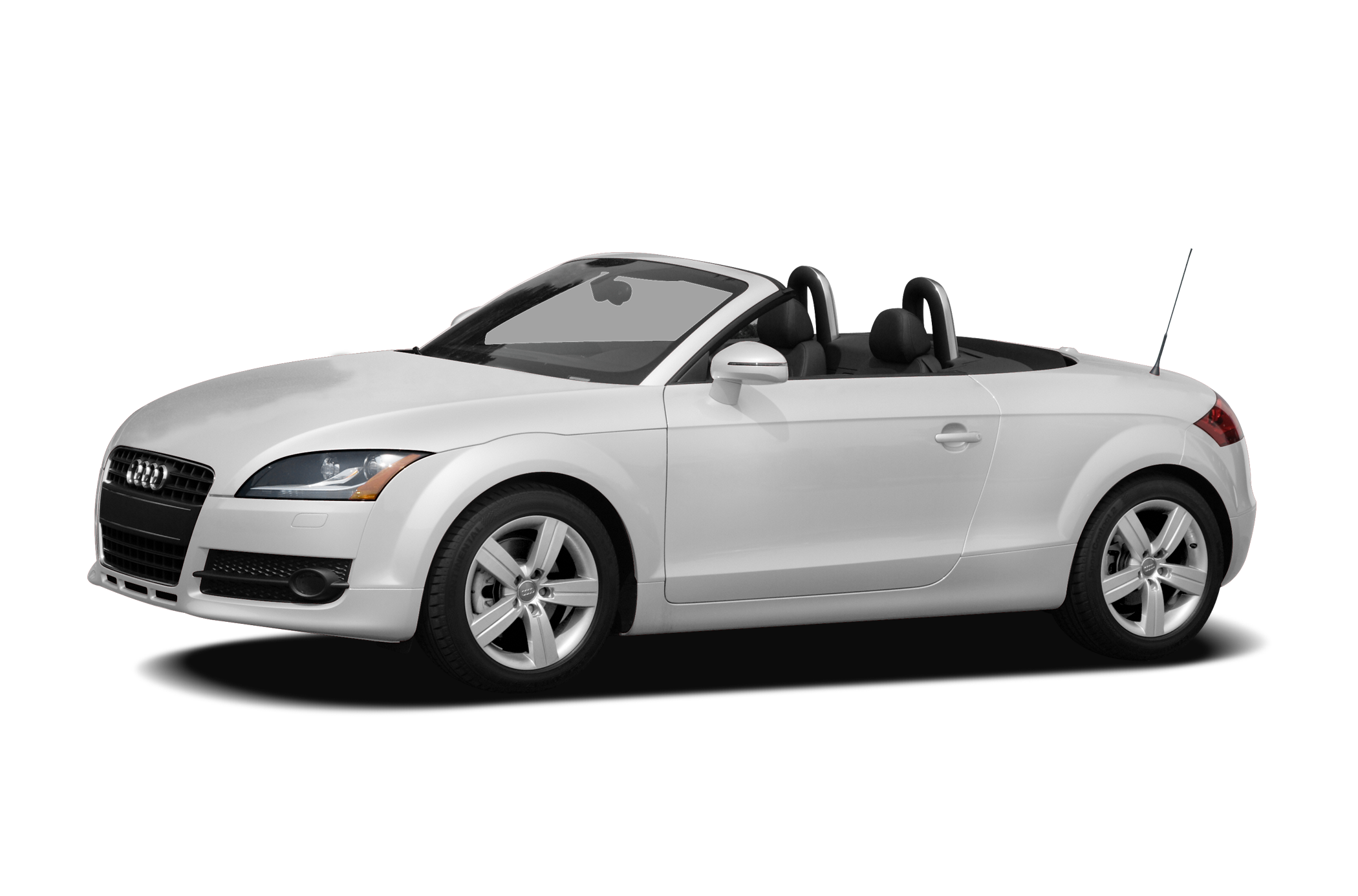
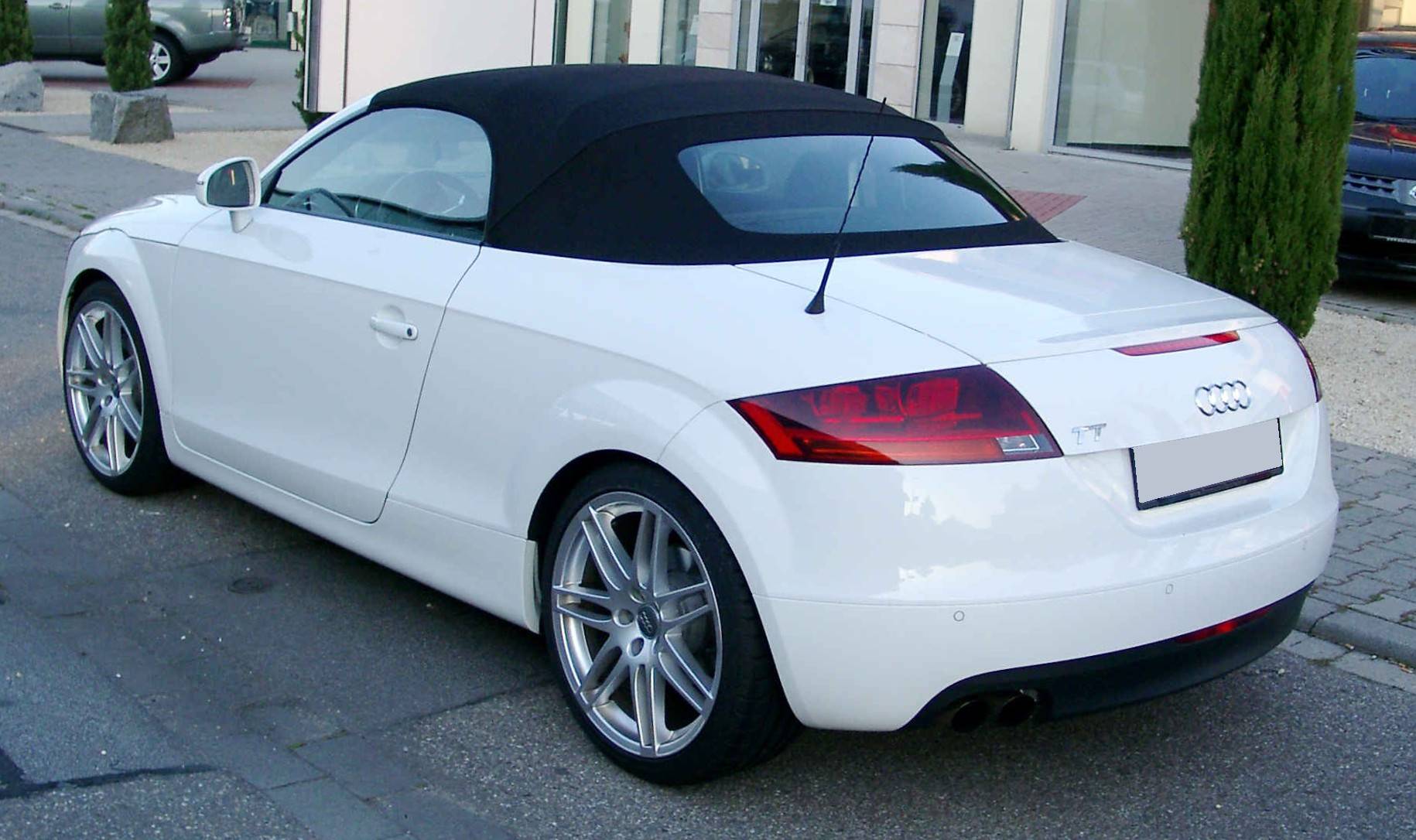
The 2008 Audi TT features two primary engine configurations that define its performance character: a 2.0-liter turbocharged four-cylinder engine producing 200 horsepower, and a 3.2-liter naturally aspirated VR6 engine delivering 250 horsepower. These power outputs, combined with varying transmission and drivetrain options, distinguish the base front-wheel-drive models from the performance-oriented Quattro all-wheel-drive variants.
The Evolution of the Second-Generation Audi TT
The 2008 model year represents the second generation of the Audi TT (Type 8J), a vehicle that marked a significant departure from its predecessor in both architecture and driving dynamics. Built on the Volkswagen Group A5 (PQ35) platform, the 2008 TT utilized a hybrid body structure consisting of aluminum at the front and steel at the rear to optimize weight distribution and rigidity.
Understanding the horsepower figures for this year requires looking closely at the two distinct engine options available to North American buyers. While the chassis and interior design remained consistent across the range, the power plant fundamentally altered the vehicle’s personality, affecting everything from acceleration times to handling balance.
2.0T: The Balanced Performer
The most common configuration for the 2008 Audi TT is the 2.0-liter TFSI (Turbocharged Fuel Stratified Injection) inline-four engine. This unit was widely praised for its agility and responsiveness, largely due to the lighter weight of the four-cylinder block compared to the larger VR6.
- Horsepower: 200 hp at 5,100–6,000 rpm
- Torque: 207 lb-ft at 1,800–5,000 rpm
- Configuration: Inline 4-cylinder, turbocharged
- Drivetrain: Front-wheel drive (FWD)
The 200-horsepower output was specifically tuned to provide a broad torque curve. Because peak torque arrived as low as 1,800 rpm, the 2.0T felt significantly quicker in daily driving than its raw horsepower numbers suggested. For the 2008 model year, this engine was exclusively paired with the six-speed S-tronic dual-clutch transmission, which provided rapid, seamless gear changes that maximized the engine's power delivery.
3.2 Quattro: The Powerhouse
For enthusiasts seeking a more traditional, linear power delivery, Audi offered the 3.2-liter VR6 engine. Unlike the turbocharged 2.0T, the VR6 relied on displacement to generate higher output, resulting in a distinct engine note and a different weight distribution profile.
- Horsepower: 250 hp at 6,300 rpm
- Torque: 236 lb-ft at 2,500–3,000 rpm
- Configuration: 3.2L VR6, naturally aspirated
- Drivetrain: Quattro all-wheel drive (AWD)
The 3.2-liter engine was exclusively paired with the Quattro all-wheel-drive system. This added a significant amount of weight over the front axle compared to the 2.0T, which influenced the car's cornering behavior. While the 250 horsepower allowed for higher top-end speed and a more aggressive launch, the primary draw for many owners was the sound and the mechanical sophistication of the VR6 architecture.
Technical Performance Comparison Table
| Feature | 2.0T FWD | 3.2 Quattro |
|---|---|---|
| Engine Type | 2.0L I4 Turbo | 3.2L VR6 |
| Horsepower | 200 hp | 250 hp |
| Torque | 207 lb-ft | 236 lb-ft |
| Drivetrain | Front-Wheel Drive | All-Wheel Drive |
| Transmission | 6-Speed S-tronic | 6-Speed S-tronic / Manual |
| Curb Weight | Lower (approx. 2,900 lbs) | Higher (approx. 3,200 lbs) |
Impact of Drivetrain and Weight on Performance
When evaluating the "horsepower" of the 2008 Audi TT, one must also account for how that power reaches the road. The 200-hp 2.0T model, being lighter and front-wheel-drive, often feels more "tossable" in tight corners. The absence of the heavy Quattro hardware allows the chassis to feel more neutral during turn-in.
Conversely, the 250-hp 3.2 model provides superior traction, especially in adverse weather conditions. The Quattro system distributes torque to all four wheels, which is essential for managing the increased power output. However, the added weight of the AWD system and the heavy VR6 engine means that the 3.2 model requires more deliberate steering inputs. Performance-oriented drivers often note that while the 3.2 has more horsepower, the 2.0T's lower mass makes it a more engaging experience on winding roads.
Maintenance Considerations for Sustained Power
To maintain the factory-rated horsepower in a 2008 Audi TT, owners must adhere to strict maintenance schedules. Turbocharged engines like the 2.0T are particularly sensitive to oil quality and cooling efficiency.
- Turbocharger Health: The 2.0T utilizes a K03 turbocharger. Over time, carbon buildup on the intake valves (a common trait of direct-injection engines of this era) can rob the engine of power. Regular "de-carbonizing" or walnut blasting of the intake ports is often required every 60,000 to 80,000 miles to restore lost horsepower.
- DSG/S-tronic Service: Both the 2.0T and 3.2 models frequently utilize the S-tronic dual-clutch transmission. This unit requires a specialized fluid and filter change every 40,000 miles. Neglecting this service can lead to "slippage," where the engine’s power is not effectively transferred to the wheels, creating the illusion of a loss in horsepower.
- Cooling Systems: Both engines generate significant heat. Ensuring that the coolant is fresh and the radiator fans are functional is critical. On the 3.2 VR6, timing chain stretch is a known, albeit rare, issue; if the chains wear excessively, the engine management system will retard ignition timing to protect the engine, significantly reducing power output.
Real-World Performance Expectations
While the 2008 Audi TT is not a modern high-performance supercar by 2026 standards, its power-to-weight ratio remains competitive for a grand tourer. The 2.0T is perfectly suited for urban environments and highway commuting, where its mid-range torque makes passing effortless. The 3.2 VR6 offers a more visceral, "old-school" sports car experience, with a linear power build that rewards drivers who push toward the higher end of the rev range.
When purchasing a used 2008 TT in 2026, prospective owners should prioritize a thorough diagnostic scan. Modern diagnostic tools can read "misfire counts" and "boost pressure deviation" data from the Engine Control Unit (ECU). These metrics are the best way to verify if the car is still producing its factory-rated horsepower or if underlying issues are masking its true performance.
Frequently Asked Questions
Does the 2008 Audi TT 2.0T have enough power for highway driving? Yes. With 200 horsepower and 207 lb-ft of torque, the 2.0T is highly capable at highway speeds. The turbocharger provides sufficient low-end grunt for rapid acceleration when merging or passing, and the vehicle’s aerodynamics make it very stable at cruising speeds.
Which engine is better for tuning or performance upgrades? The 2.0T engine is generally considered the better candidate for aftermarket performance tuning. Because it is turbocharged, software ECU flashes can increase horsepower significantly—often by 40–50 hp—with minimal hardware changes. The naturally aspirated 3.2 VR6 has much less "headroom" for power gains without expensive forced induction additions.
How does the weight difference between the two models affect daily driving? The 2.0T feels lighter on its feet, making it more agile in stop-and-go city traffic and tight parking situations. The 3.2 Quattro feels more planted and substantial, providing a more "composed" feeling on long highway stretches, especially in rain or snow, due to the all-wheel-drive system.
Are there known issues that cause these cars to lose horsepower over time? Yes. For the 2.0T, carbon buildup on intake valves is the most common cause of power loss. For both engines, aged spark plugs, failing ignition coils, and dirty air filters are common culprits. Always check these basic wear items before assuming there is a major mechanical failure.
Is premium fuel required to achieve the rated horsepower? Yes. Audi designed the 2.0T and 3.2 engines for high-octane (91 AKI or higher) fuel to prevent engine knock. Using lower-octane fuel will force the ECU to retard timing, which lowers the engine's power output and can decrease fuel efficiency.
Final Recommendations for Prospective Owners
If you are considering a 2008 Audi TT, your choice should depend on your intended use. For those prioritizing efficiency, tuning potential, and agility, the 2.0T is the logical choice. Its lighter front end and turbo-boosted torque provide a modern, punchy driving experience. If you prioritize the mechanical character of a naturally aspirated engine, the unique sound of the VR6, and the security of all-wheel drive, the 3.2 Quattro is the superior vehicle.
Before finalizing any purchase, ensure the vehicle has a documented service history, particularly regarding the dual-clutch transmission and, in the case of the 2.0T, the timing belt and high-pressure fuel pump (HPFP) follower. Verifying that these components are in good condition will ensure that you get the full, factory-rated horsepower experience that made the 2008 Audi TT a design and performance icon of its era.