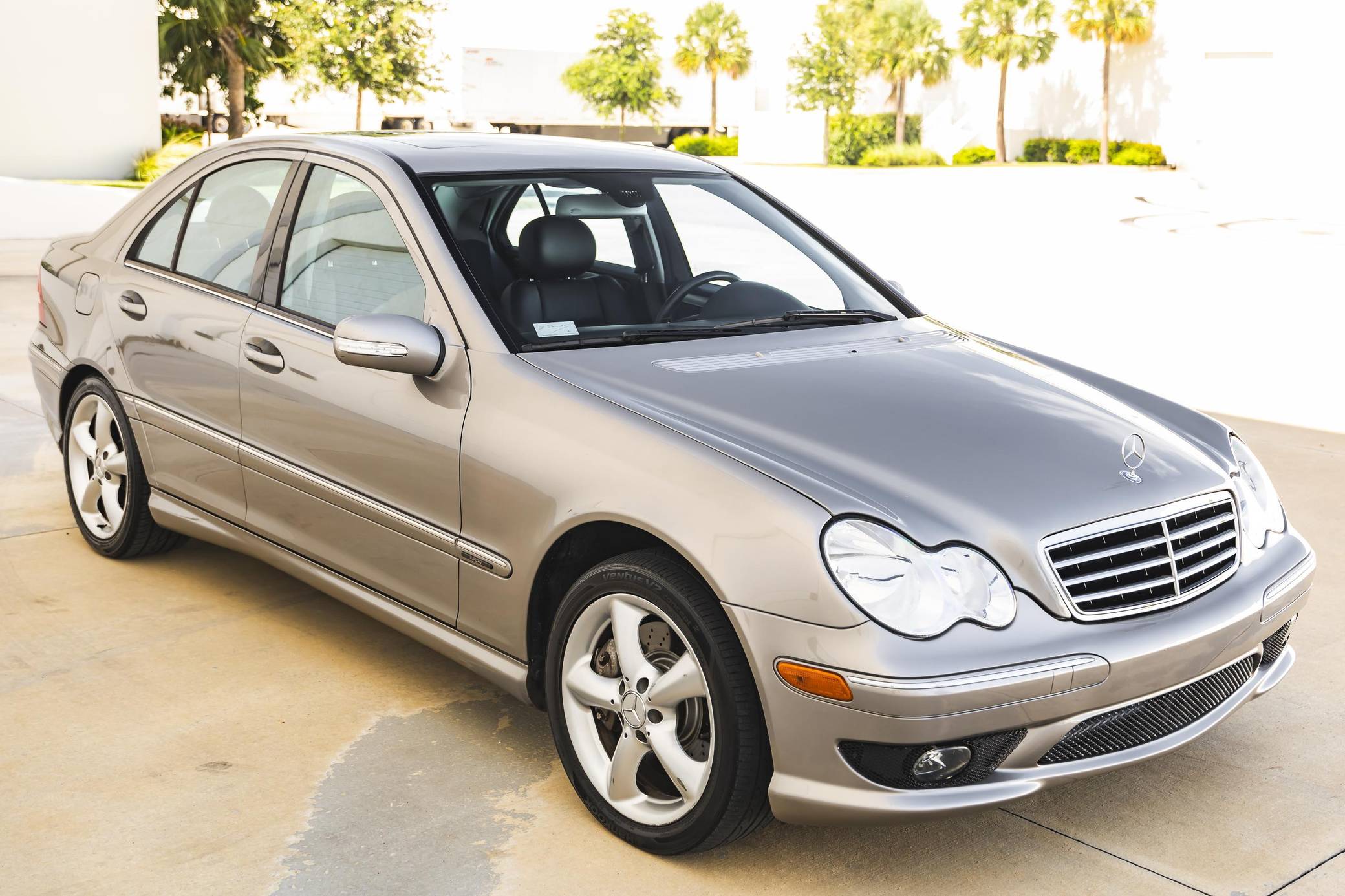
The 2006 Mercedes-Benz C230 is powered by a 2.5-liter DOHC 24-valve V6 engine, designated internally as the M272 E25. This naturally aspirated powerplant produces 201 horsepower at 6,200 rpm and 181 lb-ft of torque at 3,500 rpm. It serves as a balanced performance choice for the W203 chassis, emphasizing smooth power delivery and refinement.
Introduction to the M272 Engine Platform
The 2006 model year for the Mercedes-Benz C-Class represented a significant shift in powertrain technology. Following the transition away from the supercharged four-cylinder engines found in earlier iterations of the C230, Mercedes-Benz introduced the M272 V6 engine family. This transition was designed to provide a more linear power band and reduced vibration compared to the smaller-displacement forced-induction units.
The M272 E25 is a 90-degree V6 engine, characterized by its aluminum block and cylinder head construction. For owners and enthusiasts in 2026, understanding this engine requires looking past basic output figures to consider the architecture that defines its reliability, maintenance requirements, and performance characteristics.
Detailed Technical Specifications
The M272 engine represents an era where Mercedes-Benz focused on high-pressure die-cast aluminum components to reduce vehicle weight without sacrificing structural integrity. The engine utilizes a two-piece crankcase and an integrated oil cooler, which were advanced features for the mid-2000s automotive landscape.
| Feature | Specification |
|---|---|
| Engine Code | M272 E25 |
| Configuration | 90° V6, Aluminum block and heads |
| Displacement | 2,496 cc (2.5 Liters) |
| Valvetrain | DOHC, 4 valves per cylinder |
| Horsepower | 201 hp @ 6,200 rpm |
| Torque | 181 lb-ft @ 3,500 rpm |
| Compression Ratio | 11.2:1 |
| Fuel Injection | Sequential Multi-Point Injection |
Valvetrain and Variable Valve Timing
One of the most critical aspects of the 2006 C230 engine is its continuous variable valve timing (VVT) system. The intake and exhaust camshafts are adjusted independently to optimize engine breathing across the entire rev range. This system is crucial for balancing the conflicting requirements of low-end torque and high-rpm horsepower. Unlike earlier mechanical timing systems, the electronic management of the M272’s camshaft phasing allows for a sophisticated fuel-to-air ratio, which significantly influences the engine’s overall efficiency.
Performance and Driving Dynamics
The 2.5-liter V6 provides a distinct driving experience compared to the supercharged C230 "Kompressor" models of the preceding years. While the power output might seem modest by 2026 standards, the delivery is remarkably smooth. Because it is naturally aspirated, the throttle response is more immediate, lacking the slight lag inherent in older centrifugal supercharger designs.
The engine is typically paired with either a 6-speed manual transmission or a 7G-TRONIC 7-speed automatic. The gear ratios in the 7-speed automatic were engineered to keep the engine within its optimal power band, which peaks at 3,500 rpm for torque and 6,200 rpm for horsepower. This setup makes the car well-suited for highway cruising and light-to-moderate acceleration, provided the driver is comfortable letting the engine climb into the higher rev range when extra power is required.
Maintenance Considerations for Long-Term Ownership
As of 2026, these vehicles are now two decades old. Long-term reliability of the M272 engine is heavily contingent upon adherence to specific service intervals. Owners should pay close attention to the following areas:
1. Balance Shaft Gear Wear
Early production versions of the M272 engine are well-documented for potential issues regarding the balance shaft gear. The teeth on the balance shaft sprocket were prone to premature wear, which can trigger a Check Engine Light (CEL) related to camshaft timing correlation errors. While this does not affect every single unit, it is a significant factor in the maintenance history of these engines.
2. Intake Manifold Tumble Flaps
The engine uses an intake manifold with adjustable tumble flaps designed to create turbulence in the combustion chamber at low speeds. The linkage controlling these flaps is made of plastic and can become brittle over time, eventually snapping. When these fail, the car will typically exhibit rough idling and a loss of low-end torque. Replacement of the manifold or installation of a repair kit is a standard procedure for high-mileage examples.
3. Lubrication and Cooling Systems
The M272 relies on high-quality synthetic oil to manage the heat generated by its 11.2:1 compression ratio. Using oil that does not meet the manufacturer’s specification (Mercedes-Benz Sheet 229.5) can lead to accelerated wear on the variable valve timing adjusters. Furthermore, the cooling system, particularly the thermostat housing and plastic coolant pipes, should be inspected for signs of weeping or fatigue, as these components are now well past their intended service life.
Comparison to Related Engines
The C230’s engine is often compared to the M272 E30 (3.0-liter) and E35 (3.5-liter) variants found in the C280 and C350 models of the same year. While the architecture is nearly identical, the displacement increase in the larger versions offers significantly more torque. However, the E25 version remains a favorite for owners who prioritize weight distribution and slightly better fuel efficiency for commuting.
Frequently Asked Questions
Does the 2006 C230 engine require premium fuel? Yes, the manufacturer recommends 91 AKI (premium) fuel. Due to the high 11.2:1 compression ratio, using lower-octane fuel can lead to engine knock, causing the engine management system to retard the ignition timing, which results in a noticeable loss of power and reduced fuel economy.
How often should the oil be changed in the M272 engine? The recommended interval is every 10,000 miles or once per year, whichever comes first. Given the age of these vehicles in 2026, many mechanics recommend shortening this interval to 7,500 miles if the vehicle is subjected to short-trip driving or stop-and-go traffic.
Is the engine interference-fit? Yes, the M272 is an interference engine. If the timing chain fails or jumps a tooth, the pistons will make contact with the valves, resulting in catastrophic internal damage. Regular inspection of the timing chain tensioner is essential for preventative maintenance.
What is the most common cause of a check engine light on this engine? The most frequent culprits are the tumble flap failure in the intake manifold, worn camshaft position sensors, or the aforementioned balance shaft gear issues. Using an OBD-II scanner capable of reading Mercedes-specific diagnostic trouble codes (DTCs) is necessary to properly diagnose these faults.
Can the M272 engine be modified for more power? While software tunes (ECU flashes) exist that can sharpen throttle response and slightly increase torque, significant mechanical gains are difficult and expensive to achieve on a naturally aspirated engine of this design. Most owners find that keeping the engine at factory specifications provides the best balance of reliability and performance.
Practical Recommendation
If you own or are considering purchasing a 2006 Mercedes-Benz C230, prioritize a comprehensive pre-purchase inspection that specifically includes a scan for camshaft correlation codes and an inspection of the intake manifold linkage. When maintaining the vehicle, stick strictly to the factory-approved synthetic oils and original equipment manufacturer (OEM) parts for the cooling system. This engine is capable of lasting well beyond 200,000 miles if the plastic components in the intake and cooling systems are addressed before they reach their failure threshold.