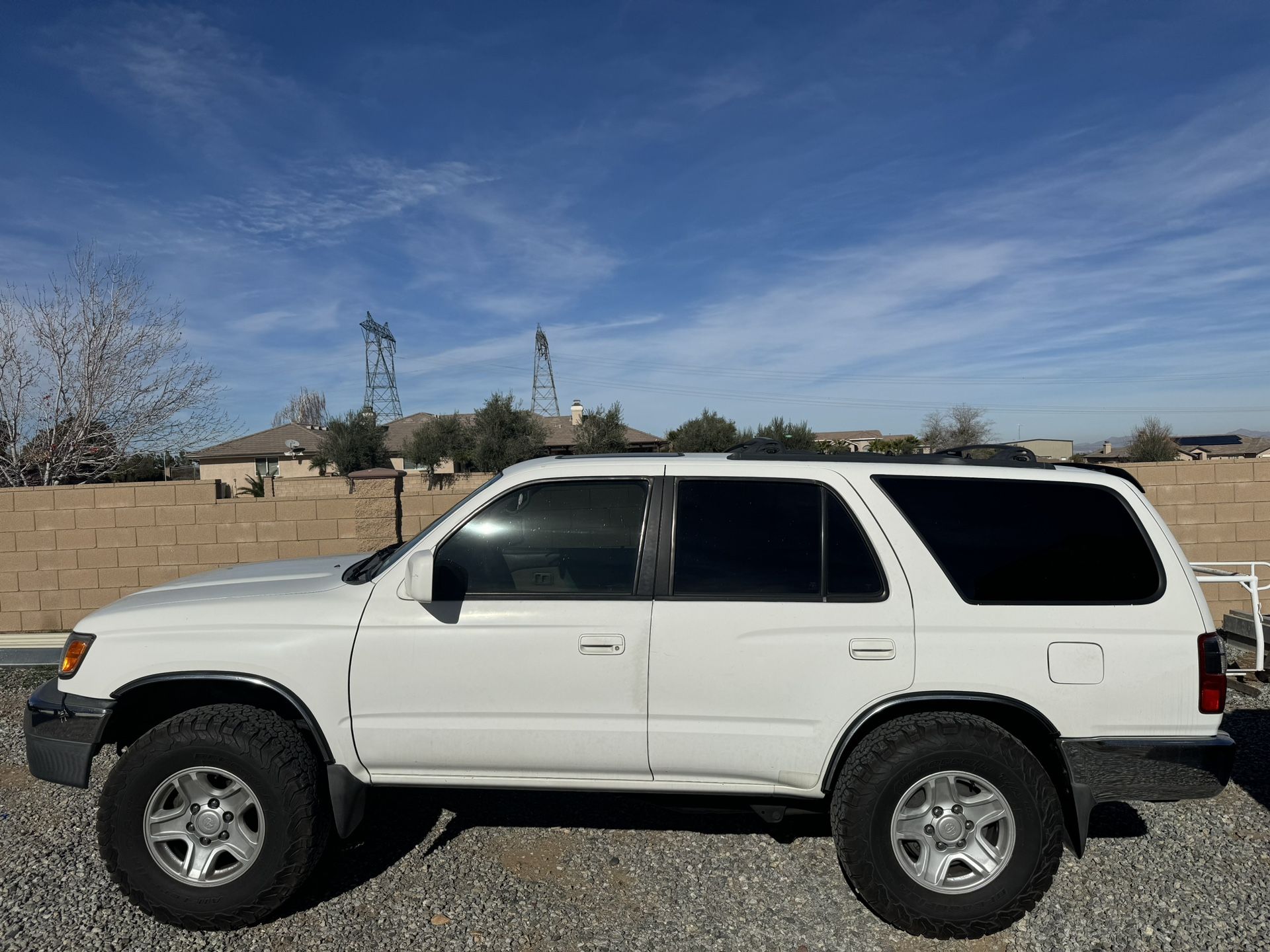
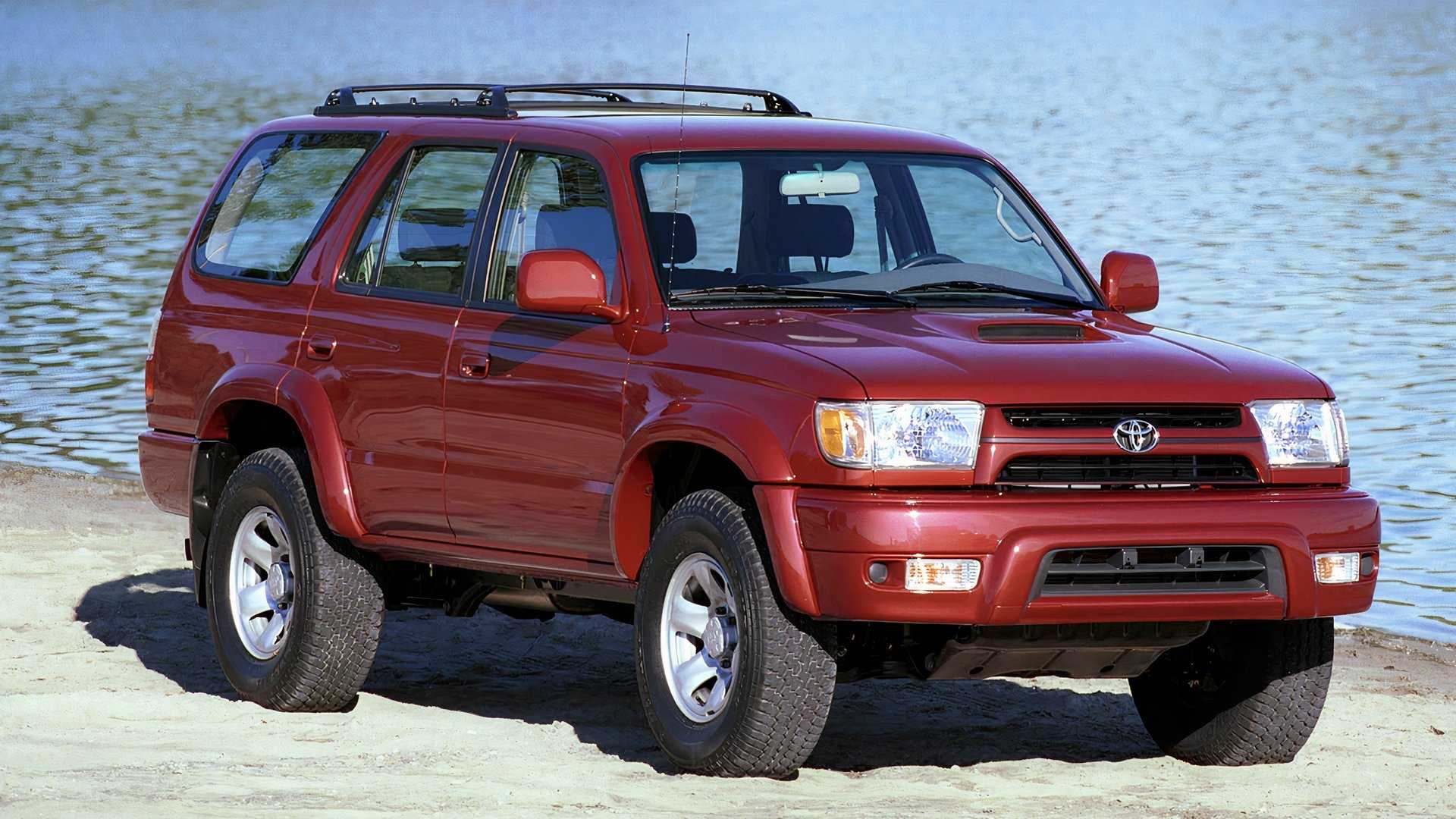
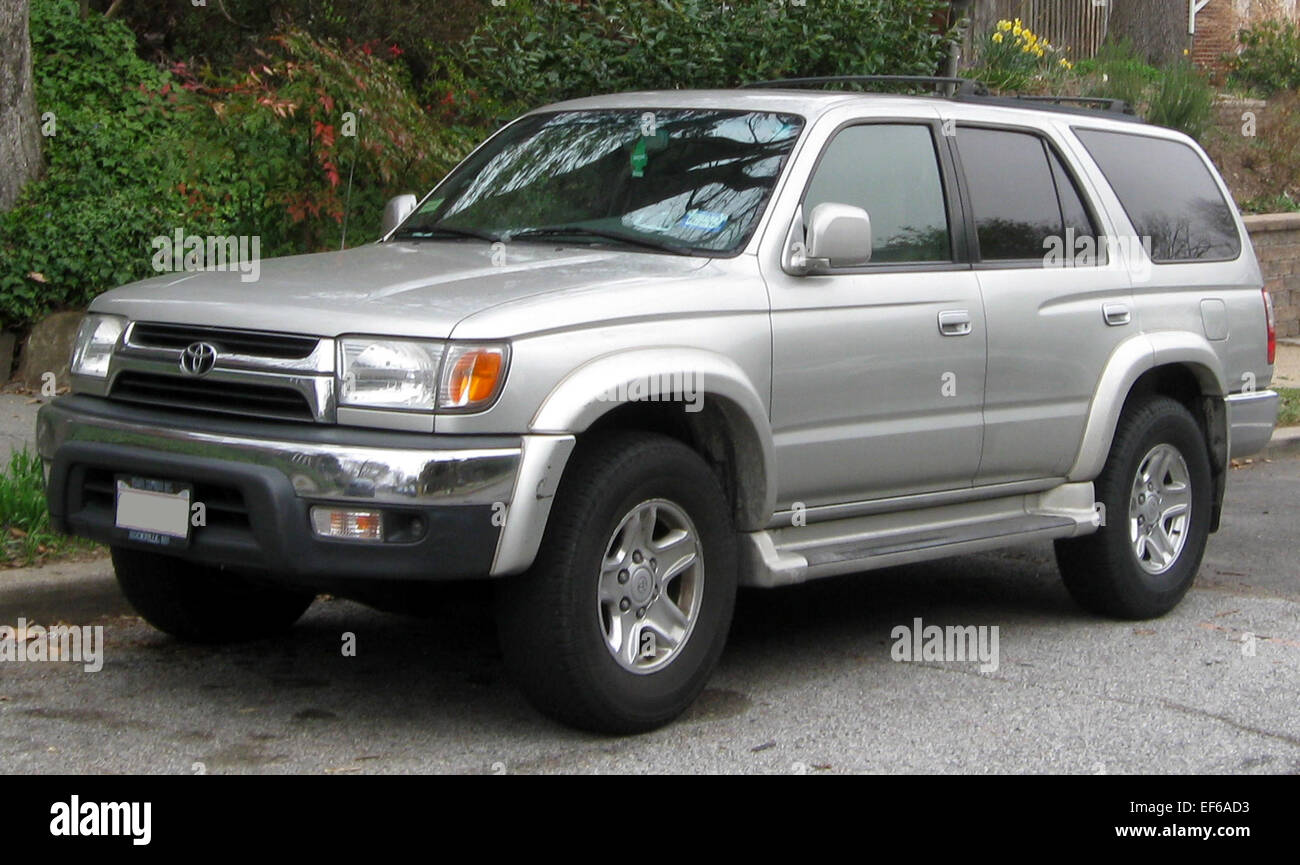
The 2002 Toyota 4Runner represents the culmination of the highly regarded third generation (1996–2002), widely recognized by automotive enthusiasts and mechanics alike for its exceptional mechanical durability, robust body-on-frame construction, and legendary off-road capability. When examining its long-term performance, this model year benefits from years of iterative refinement by Toyota, making it one of the most mechanically dependable SUV platforms ever manufactured, provided it receives proper maintenance and vigilance against age-related wear.
Introduction to the 2002 Toyota 4Runner
The third-generation Toyota 4Runner occupies a special place in automotive history. Produced from late 1995 through the 2002 model year, it bridged the gap between utilitarian, truck-based predecessors and modern, comfort-oriented family haulers. Under the hood, the 2002 model features the 3.4-liter 5VZ-FE V6 engine mated to a four-speed automatic transmission (or a five-speed manual, though the manual is exceptionally rare in the final model year).
For buyers and collectors looking at a 2002 4Runner reliability overview, the primary question is how a vehicle crossing the two-decade mark holds up against modern standards. The short answer is that while the core engine and transmission are exceptionally durable, age-related degradation of rubber components, cooling systems, and suspension parts requires careful inspection. Resolving manageable ambiguity, this overview focuses strictly on the North American market specification equipped with the 3.4-liter V6 engine, as the inline-four (2RZ-FE) was dropped from the lineup after the 2000 model year.
Powertrain Durability: The 3.4L 5VZ-FE Engine
At the heart of the 2002 4Runner's reputation is the 3.4-liter V6 engine. Known internally as the 5VZ-FE, this iron-block, aluminum-head powerplant is famously over-engineered.
Engine Block and Cylinder Heads
The bottom end of the 5VZ-FE is exceptionally robust, frequently capable of crossing the 300,000-mile threshold without a internal rebuild when oil changes are performed on schedule. Cylinder head gaskets are generally reliable compared to other engines of this era, though high-mileage units that have suffered from chronic overheating can develop leaks.
Fuel and Ignition Systems
The fuel injection system and coil-on-plug (or distributorless waste-spark system on earlier third-gens, transitioning to specific coil packs depending on the exact build month) are remarkably trouble-free. Owners rarely report major sensor failures outside of standard oxygen sensors or the occasional mass air flow (MAF) sensor that requires cleaning.
Transmission and Drivetrain Reliability
The 2002 4Runner utilizes the A340F four-speed automatic transmission. This unit is electronically controlled and mechanically tough, sharing its architecture with transmissions used in heavy-duty Toyota trucks.
Transmission Cooling and Maintenance
While the A340F is resilient, heat is its primary enemy. The transmission fluid is cooled via a section within the main engine radiator. Over time, the internal radiator wall can fail, leading to the dreaded "Pink Milkshake"—coolant mixing with transmission fluid. Preventive replacement of the radiator every 100,000 miles is standard best practice among seasoned owners to protect the transmission.
Four-Wheel Drive Systems
The 2002 model year features two primary 4WD configurations:
- Part-Time 4WD: Traditional shift-on-the-fly transfer case operated via a floor lever. Extremely reliable and mechanically simple.
- Multi-Mode 4WD: Found primarily on Limited trims, this system allows the driver to run in all-wheel drive on dry pavement using a center differential lock. While convenient, the actuator motors on the transfer case can seize if not cycled regularly.
| Component | Common Failure Point | Recommended Action / Prevention | Estimated Mileage Window |
|---|---|---|---|
| Radiator | Internal transmission cooler line mixing | Replace radiator proactively | 100,000 – 150,000 miles |
| Lower Ball Joints | Catastrophic joint separation | OEM replacement only; inspect frequently | 90,000 – 120,000 miles |
| Valve Cover Gaskets | Oil seepage into spark plug tubes | Replace gaskets and half-moon seals | 120,000 – 180,000 miles |
| Starter Contacts | Clicking noise, intermittent cranking | Rebuild starter with OEM copper contacts | 150,000+ miles |
| Rear Axle Seals | Gear oil leaking onto rear brake shoes | Inspect backing plates; replace seals and bearings | 150,000+ miles |
Common Mechanical Issues and Known Vulnerabilities
Despite its stellar reputation, a comprehensive 2002 4runner reliability overview must address well-documented weak points that require attention.
Lower Ball Joint Susceptibility
By far the most critical mechanical concern on third-generation 4Runners is the design of the front suspension lower ball joints. Unlike trucks where the weight hangs from the ball joint, the 4Runner design places the weight on the joint, pushing upward. If a lower ball joint fails completely, the front wheel collapses inward, resulting in a dangerous loss of control. Owners and mechanics universally recommend replacing lower ball joints every 100,000 miles using strictly OEM Toyota parts; aftermarket joints have a high premature failure rate on this platform.
Rear Axle Seal Leaks
As these vehicles age, the inner rear axle seals can wear out, allowing differential gear oil to leak past the seal, travel down the axle shaft, and saturate the rear drum brake shoes. Catching this early prevents brake failure and bearing damage. When replacing the seal, technicians should also inspect the outer bearing and retainer ring.
Valve Cover Gaskets and Oil Leaks
Rubber gaskets harden and flatten over time. The 5VZ-FE engine is notorious for minor oil leaks originating from the valve cover gaskets and spark plug tube seals, leading to pooling oil in the spark plug valleys. This is a straightforward maintenance fix rather than a structural flaw.
Suspension, Steering, and Frame Integrity
The structural backbone of the 2002 4Runner is a boxed steel ladder frame. While immensely strong, environmental exposure dictates its long-term viability.
Rust and Frame Inspection
Rust is the ultimate killer of third-generation 4Runners. Buyers must inspect the frame rails, specifically above the rear axle, around the trailing arm mounts, and near the front crossmember. Vehicles originating from northern states or coastal environments where road salt or ocean air is prevalent are highly susceptible to severe frame rot. Surface rust is acceptable, but deep scaling or perforation compromises structural crash safety.
Steering Rack Wear
The steering system utilizes a hydraulic rack-and-pinion setup. Over time, the inner and outer tie rods wear out, and the steering rack bushings degrade, leading to a loose or wandering steering feel. Replacing the bushings with polyurethane units and installing fresh tie rods typically restores factory steering precision.
Electronics, Interior, and Accessories
Toyota’s build quality extended into the cabin, where switches, dash materials, and electrical accessories generally outlast the competition.
Electrical Reliability
Power windows, door locks, and the signature power-dropping rear tailgate window remain remarkably durable. The most common interior electrical failure involves the dashboard illumination bulbs burning out, which requires removing the instrument cluster bezel to replace small wedge-bulb assemblies.
Air Conditioning and Heating
The HVAC system features robust blower motors and heater cores, though the AC compressor clutch can wear out at high mileages. Climate control modules on automatic-climate Limited trims are generally stable, but manual rotary dials on SR5 models are virtually indestructible.
Ownership Costs, Fuel Economy, and Practicality
Evaluating a 2002 4Runner requires factoring in operational realities that differ significantly from modern crossovers.
Fuel Economy
The 3.4L V6 engine is not known for efficiency. Real-world fuel economy typically hovers around 15–18 MPG combined, heavily influenced by driving habits, tire selection, and whether the vehicle is lifted or running heavier all-terrain tires.
Maintenance and Parts Availability
Thanks to massive enthusiast communities and continued OEM parts support from Toyota, keeping a 2002 4Runner on the road is straightforward. Aftermarket support for overland and off-road modifications is among the best in the automotive aftermarket.
Frequently Asked Questions
What is the most common mechanical problem on a 2002 Toyota 4Runner?
The single most critical mechanical issue is premature wear of the front lower ball joints. If neglected, they can separate and cause catastrophic suspension failure. Preventive replacement using genuine OEM Toyota parts every 100,000 miles completely mitigates this risk.
Is the 2002 4Runner reliable for daily driving today?
Yes, provided it has been properly maintained. Many examples exceed 300,000 miles on original engines and transmissions. However, prospective buyers should budget for immediate baseline maintenance, including fluid changes, suspension refresh, and cooling system updates.
How do I check for frame rust on a 2002 4Runner?
Inspect the frame rails thoroughly using a flashlight and a small hammer or screwdriver to poke at suspicious, heavily scaled areas. Pay special attention to the rear wheel wells, the area directly above the rear axle, and where the lower control arms mount to the frame. Structural perforation means the vehicle should be avoided.
Does the 2002 4Runner have a timing belt or timing chain?
The 3.4-liter 5VZ-FE engine uses a rubber timing belt. This belt must be replaced every 90,000 miles or nine years, whichever comes first. Fortunately, this engine is of a non-interference design in most operational scenarios, meaning a snapped belt generally will not result in bent valves, though replacement should never be deliberately delayed.
What is the "Pink Milkshake" issue?
The "Pink Milkshake" refers to transmission fluid mixing with engine coolant inside the radiator due to an internal cooler failure. This destroys the transmission clutches if left unaddressed. Replacing the radiator proactively prevents this catastrophic mixture.
Conclusion and Final Recommendation
The 2002 Toyota 4Runner stands as a testament to an era of uncompromised mechanical engineering. While modern vehicles offer superior fuel economy, advanced driver-assistance systems, and refined ride quality, few can match the raw durability and repairability of the third-generation platform. For prospective buyers or current owners, prioritizing preventative maintenance—specifically addressing lower ball joints, cooling systems, and rust prevention—ensures this classic SUV remains a reliable companion for hundreds of thousands of miles.