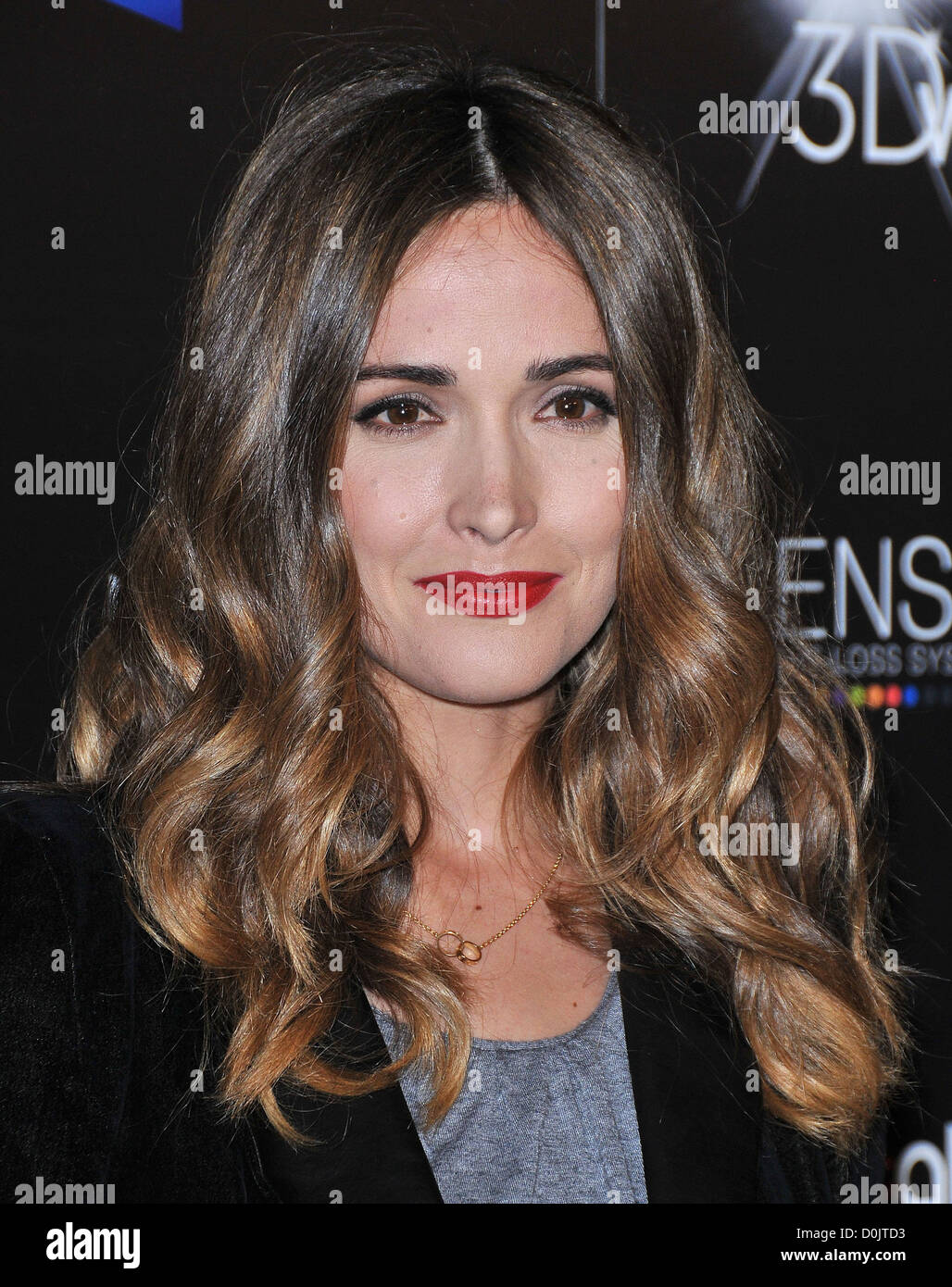
In 1999, Rose Byrne achieved her professional breakthrough with her starring role as Alex in the critically acclaimed Australian crime film Two Hands. This pivotal performance, opposite the late Heath Ledger, elevated her from a local television actress to a leading cinematic talent, catalyzing her transition to international Hollywood stardom and securing her place in the Australian film renaissance.
For many film historians and fans of contemporary cinema, the name Rose Byrne is synonymous with versatility, ranging from prestige dramas to blockbuster comedies. However, looking back from the perspective of 2026, it is clear that the foundation of her multi-decade career was laid during a singular, transformative twelve-month period. In 1999, the Australian film industry was experiencing a surge of creative energy, and Rose Byrne became one of its most prominent faces.
The Catalyst: Two Hands and the Portrayal of Alex
While Rose Byrne made her film debut at the age of 15 in the 1994 film Dallas Doll, it was the 1999 release of Two Hands that served as the true inflection point of her career. Directed by Gregor Jordan, the film is a gritty, sun-drenched crime caper set in Sydney’s Kings Cross. It tells the story of Jimmy (Heath Ledger), a young man who finds himself in debt to a local gang leader after losing a significant amount of money.
Byrne played Alex, a young woman from the country who becomes Jimmy’s love interest and moral compass. Her performance was noted for its naturalism and "girl-next-door" charm, which provided a necessary contrast to the film’s violent and chaotic underworld.
Why the Performance Resonated
The role of Alex required a delicate balance of vulnerability and strength. Byrne managed to capture the essence of a character who was both captivated by the excitement of her new surroundings and wary of the dangers they posed. Critics at the time praised her screen presence, noting that she held her own against Ledger’s high-energy performance. This chemistry was essential to the film's success, turning a standard crime thriller into a poignant coming-of-age story.
Collaboration with Heath Ledger and Gregor Jordan
The success of Two Hands was a "rising tide" moment for everyone involved. For Byrne, working with Heath Ledger was a defining experience. Both actors were at similar stages in their careers—talented, ambitious, and on the verge of breaking out of the Australian market. Their on-screen relationship in Two Hands is often cited as one of the most authentic depictions of young love in Australian cinema history.
Director Gregor Jordan also played a significant role in Byrne’s breakthrough. By casting relatively unknown actors in the lead roles, Jordan allowed the story to feel grounded and contemporary. The film’s stylistic choices—using vibrant colors and a fast-paced narrative—helped it appeal to a younger audience, making Rose Byrne a household name among the Australian "Gen X" and "Millennial" demographics of the late 90s.
The 1999 Australian Film Institute (AFI) Awards
The industry's validation of Byrne’s breakthrough year came at the 1999 Australian Film Institute (AFI) Awards (now known as the AACTA Awards). Two Hands dominated the ceremony, winning several major categories, including Best Film, Best Director, and Best Screenplay.
While Byrne did not win a personal acting award that specific night (Ledger and supporting actor Bryan Brown received much of the acting nomination spotlight), the film’s overwhelming success ensured that she was viewed as a Tier-1 talent within the industry. The prestige of being the female lead in the "Best Film" of the year opened doors that were previously inaccessible, leading directly to her being cast in major international projects.
Television and Supporting Work in 1999
While Two Hands was the crown jewel of her year, Byrne was also active in other sectors of the industry during 1999. It was a year of "bridging the gap" between her early TV work and her future as a film star.
Heartbreak High
In 1999, Byrne appeared in the popular Australian teen drama Heartbreak High as Rachael Carter. Though it was a guest role, appearing in such a culturally significant show helped maintain her visibility with local audiences while Two Hands was in its theatrical run.
The Date (Short Film)
She also starred in a short film titled The Date, directed by Damon Herriman. This project allowed her to experiment with comedic timing, a skill that would later define much of her Hollywood career in films like Bridesmaids and Spy. These smaller projects in 1999 demonstrated her work ethic and her willingness to explore different genres, regardless of the production's scale.
Comparison of Early Career Milestones (1994–2000)
To understand why 1999 is considered the "breakthrough," it is helpful to compare it to the years immediately preceding and following it.
| Year | Project | Role | Significance |
|---|---|---|---|
| 1994 | Dallas Doll | Rastus Sommers | Film debut; established her as a child actress. |
| 1997 | Wildside | Heidi Benson | Critical TV experience in a gritty drama. |
| 1999 | Two Hands | Alex | The breakthrough; massive critical and commercial hit. |
| 1999 | Heartbreak High | Rachael Carter | Cultural visibility in a top-tier Australian TV show. |
| 2000 | The Goddess of 1967 | BG | Won Volpi Cup at Venice Film Festival; international acclaim. |
| 2002 | Star Wars: Ep. II | Dormé | First major Hollywood blockbuster role. |
Why 1999 Was the "Tipping Point"
The concept of a "breakthrough year" isn't just about one movie; it's about the shift in how an actor is perceived by the industry. Before 1999, Rose Byrne was a "working actress." After 1999, she was a "star."
- Marketability: Two Hands proved that Byrne could carry a film as a romantic lead.
- Genre Versatility: She showed she could handle the intensity of a crime drama while maintaining a grounded, relatable persona.
- International Visibility: The success of Two Hands on the festival circuit, including a screening at the Sundance Film Festival in 1999, caught the attention of casting directors in London and Los Angeles.
This year provided the momentum that led directly to her winning the Volpi Cup for Best Actress at the Venice Film Festival for The Goddess of 1967 just a year later. Without the visibility afforded by Two Hands, the daring and experimental Goddess of 1967 might not have reached the same heights.
The Long-Term Impact on Her Career
Looking back from 2026, the trajectory from the Sydney streets of Two Hands to the heights of Hollywood seems almost inevitable. However, the Australian film landscape of 1999 was competitive. Many actors of that era did not make the transition to global success. Byrne’s breakthrough was sustained by a combination of her 1999 momentum and her subsequent choice to pursue varied, often challenging roles.
By the mid-2000s, she had moved into the American market with roles in Troy (2004) and the television series Damages (2007–2012). Yet, she frequently returns to her Australian roots, a testament to the strong professional foundation built during her formative years in the late 90s.
The Cultural Significance of 1999 Australian Cinema
The year 1999 is often regarded as a high-water mark for the "Australian New Wave." Alongside Two Hands, films like Soft Fruit and Siam Sunset were gaining traction. This environment provided a fertile ground for young actors. Rose Byrne became the face of this era—young, talented, and distinctly Australian, yet possessing a global appeal that transcended borders.
Frequently Asked Questions
What was Rose Byrne's first movie?
Rose Byrne's film debut was in the 1994 film Dallas Doll, where she played the character Rastus Sommers at the age of 15. While this was her first credit, 1999’s Two Hands is considered her professional breakthrough.
Who was Rose Byrne's co-star in her 1999 breakthrough film?
She starred alongside Heath Ledger in Two Hands. The two actors remained close friends until Ledger’s passing in 2008. Their chemistry in the film is frequently cited as a major reason for its enduring popularity.
Did Rose Byrne win any awards for Two Hands?
While Rose Byrne did not win an individual acting award for Two Hands, the film itself won five AFI Awards, including Best Film. Her performance was widely praised by critics and served as the platform for her winning the Volpi Cup for Best Actress the following year for The Goddess of 1967.
What TV shows was Rose Byrne in during 1999?
In 1999, Rose Byrne had a guest-starring role in the iconic Australian teen drama Heartbreak High as Rachael Carter. She also appeared in the television series Big Sky and Echo Point in the years leading up to her breakthrough.
Why is 1999 considered her breakthrough year rather than 2000?
Although she won the prestigious Volpi Cup in 2000, 1999 is considered the breakthrough because Two Hands was a massive commercial success in Australia and introduced her to a broad audience. It was the year she transitioned from supporting television roles to being a leading lady in a major motion picture.
How did 1999 influence her role in Star Wars?
The international attention garnered by Two Hands and her subsequent work in 2000 led to her being cast as Dormé (a handmaiden to Padmé Amidala) in Star Wars: Episode II – Attack of the Clones. This was her first major introduction to a global blockbuster audience.
Final Perspective: Looking Back from 2026
In 2026, Rose Byrne remains one of the most respected and bankable actresses in the industry. Whether she is leading a streaming series or starring in an independent film, the "Byrne brand" is defined by a specific type of intelligence and emotional honesty. All of these traits were visible in 1999.
For those looking to understand the evolution of contemporary acting, studying Byrne’s work in Two Hands is essential. It serves as a masterclass in how to ground a heightened genre film with a performance that feels entirely human. The year 1999 didn't just give Rose Byrne a career; it gave the film world an actress capable of navigating the complex transition from local hero to international icon.