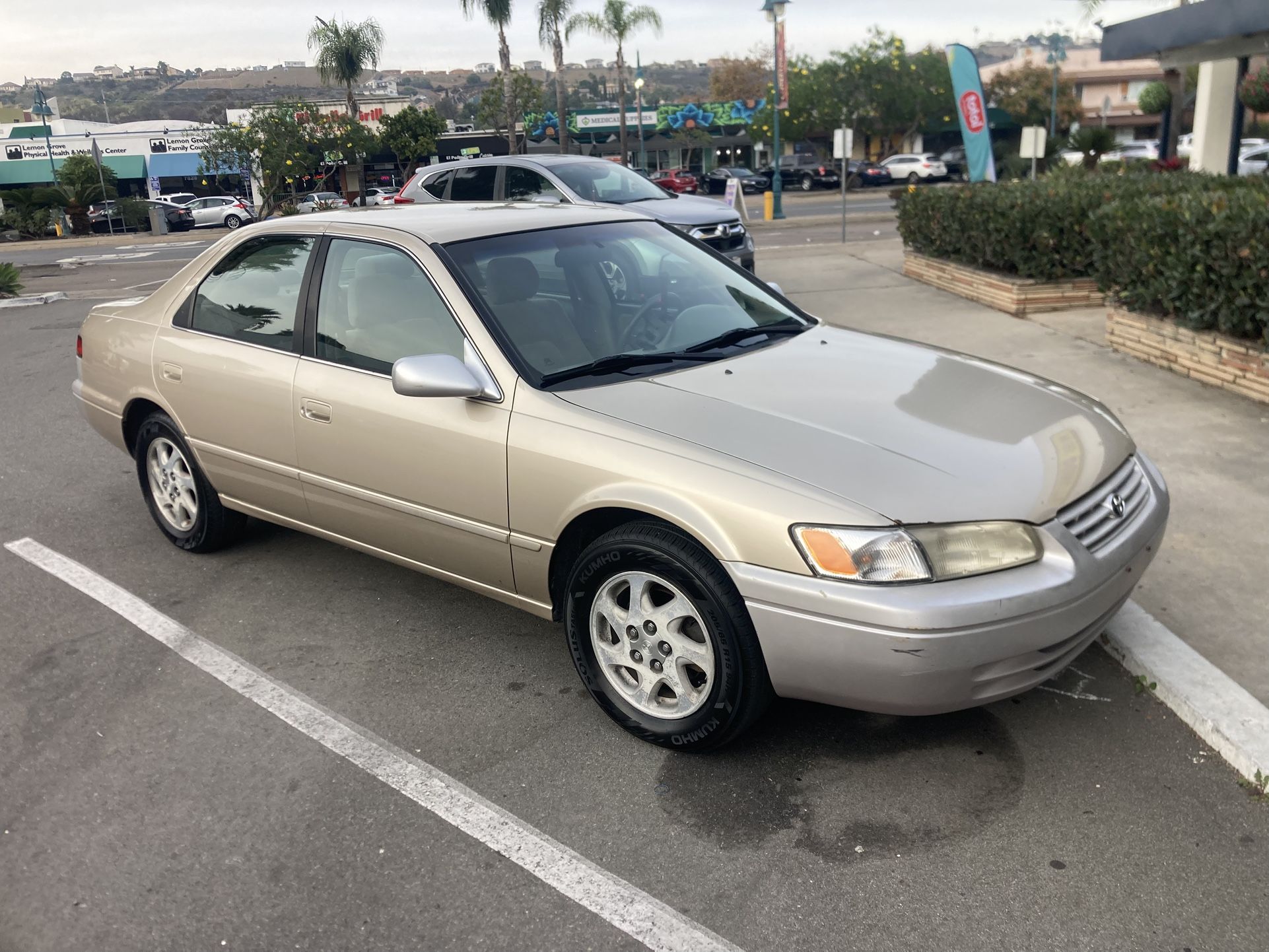
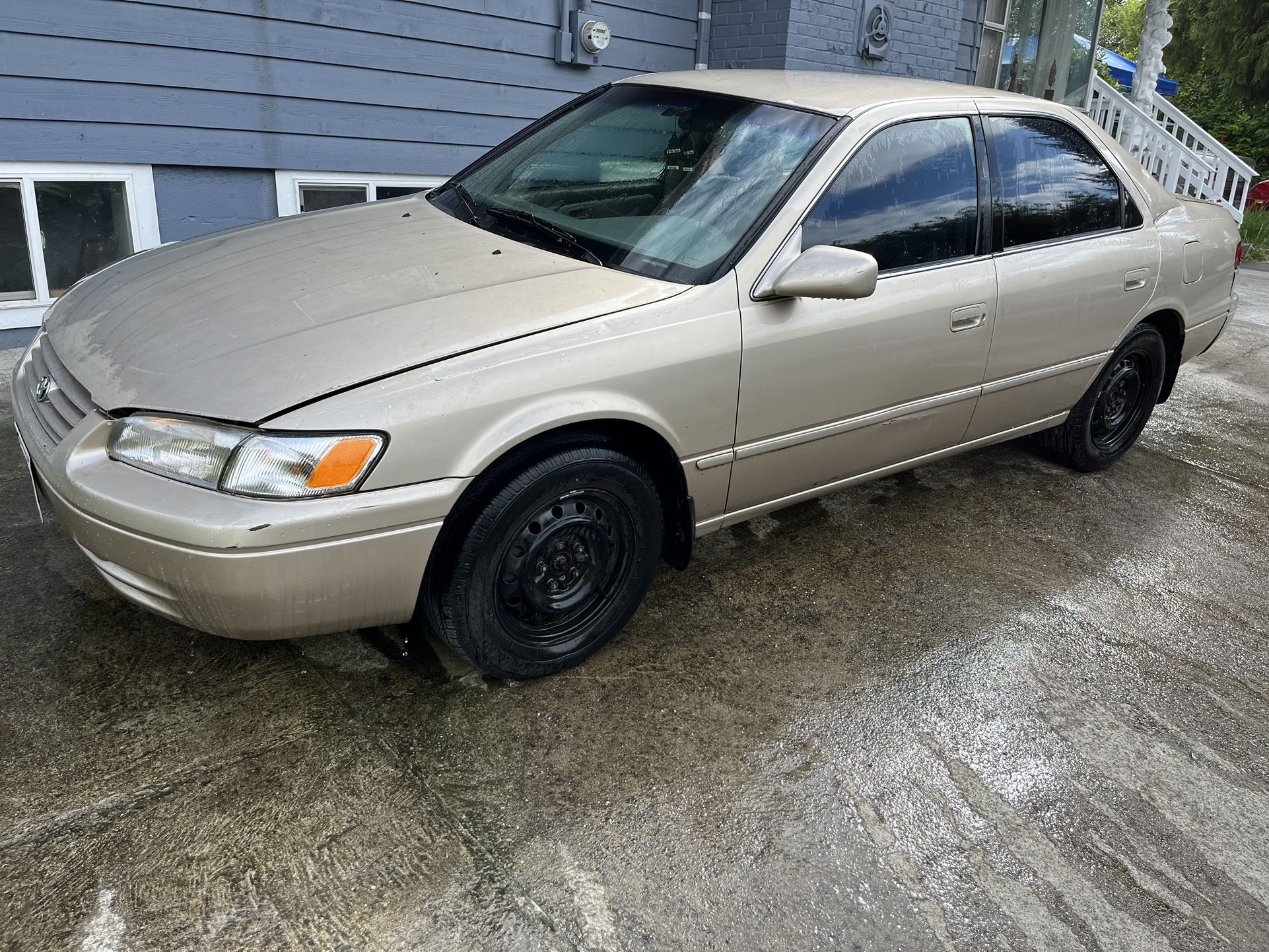
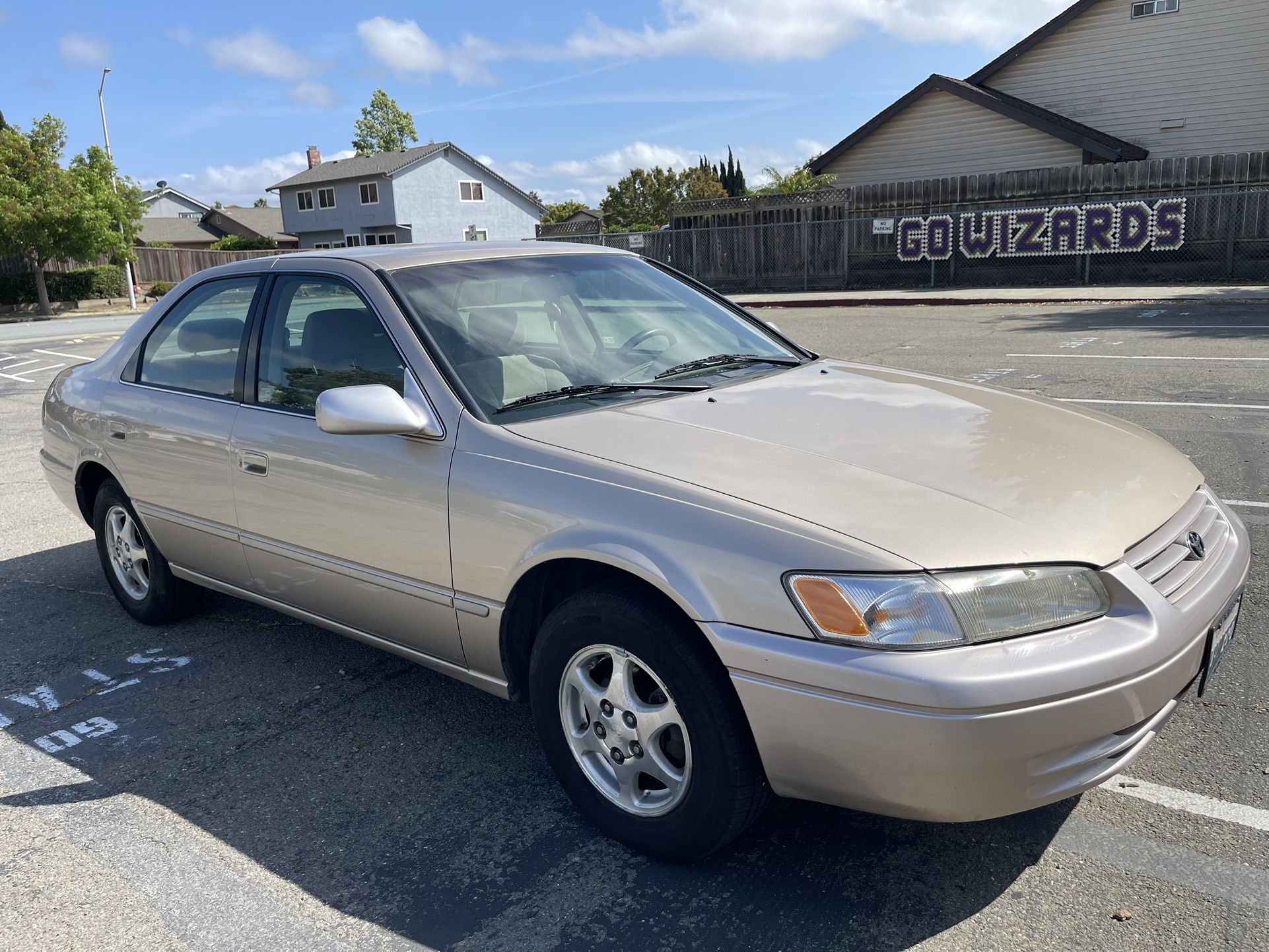
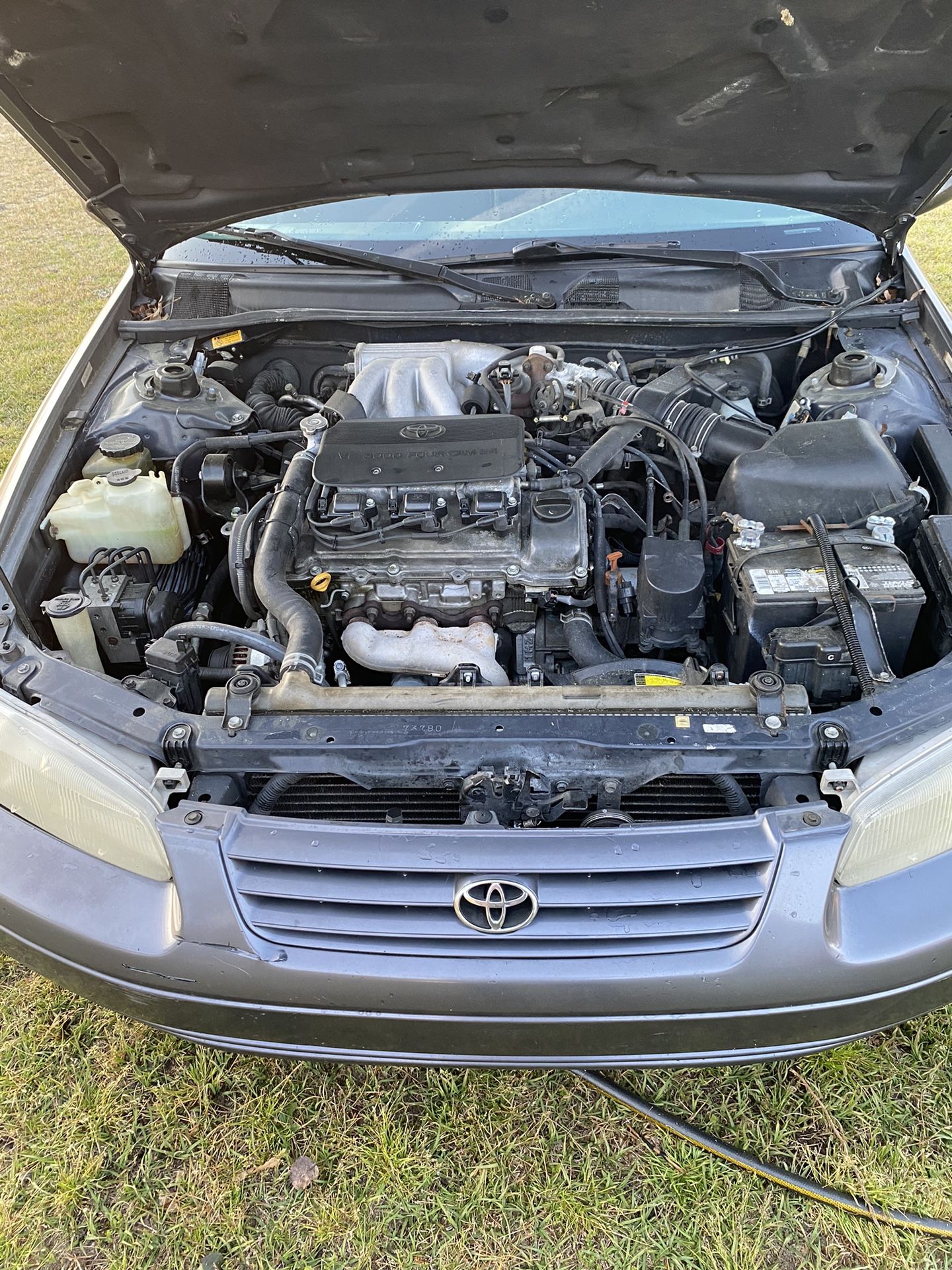
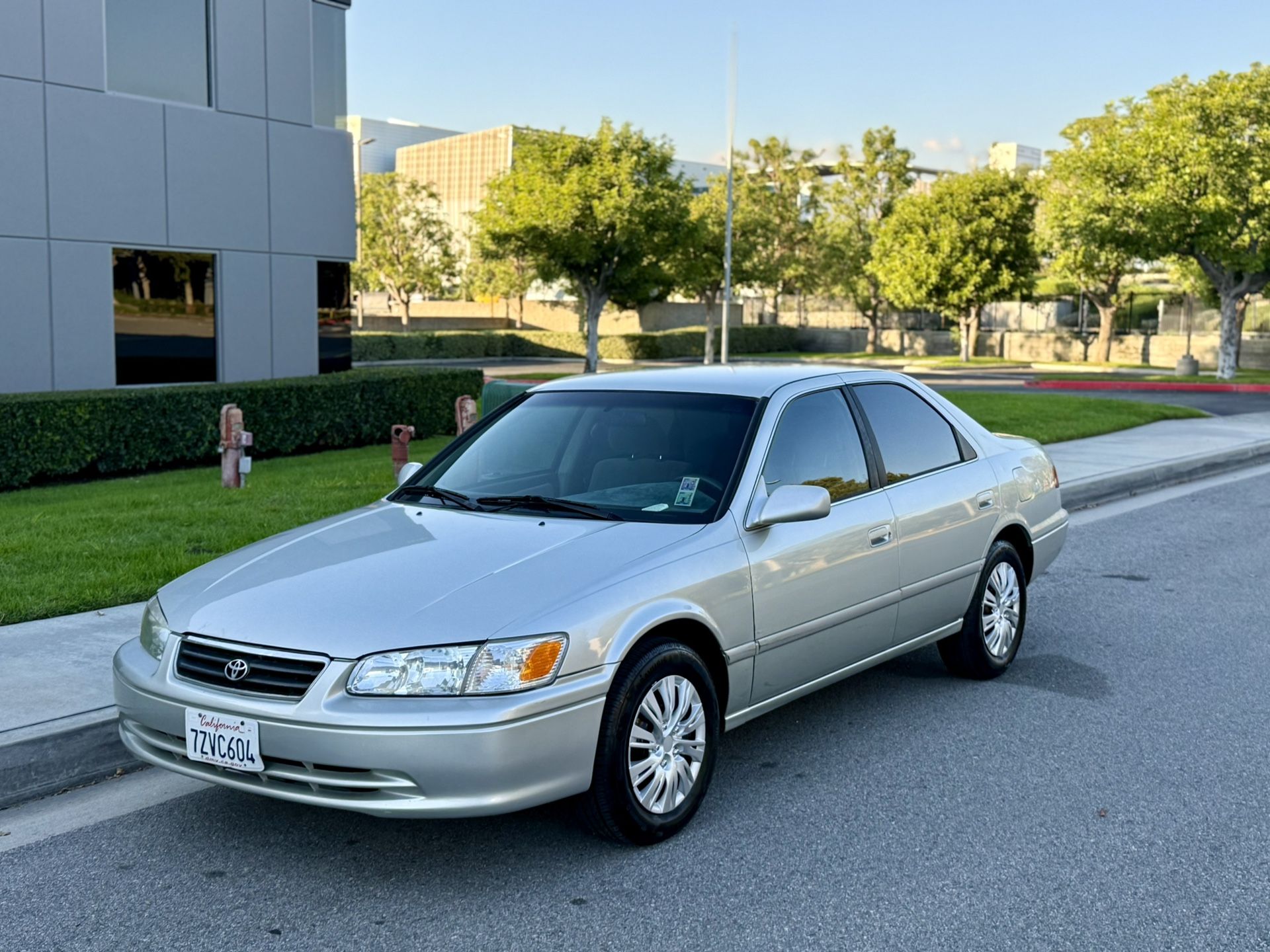
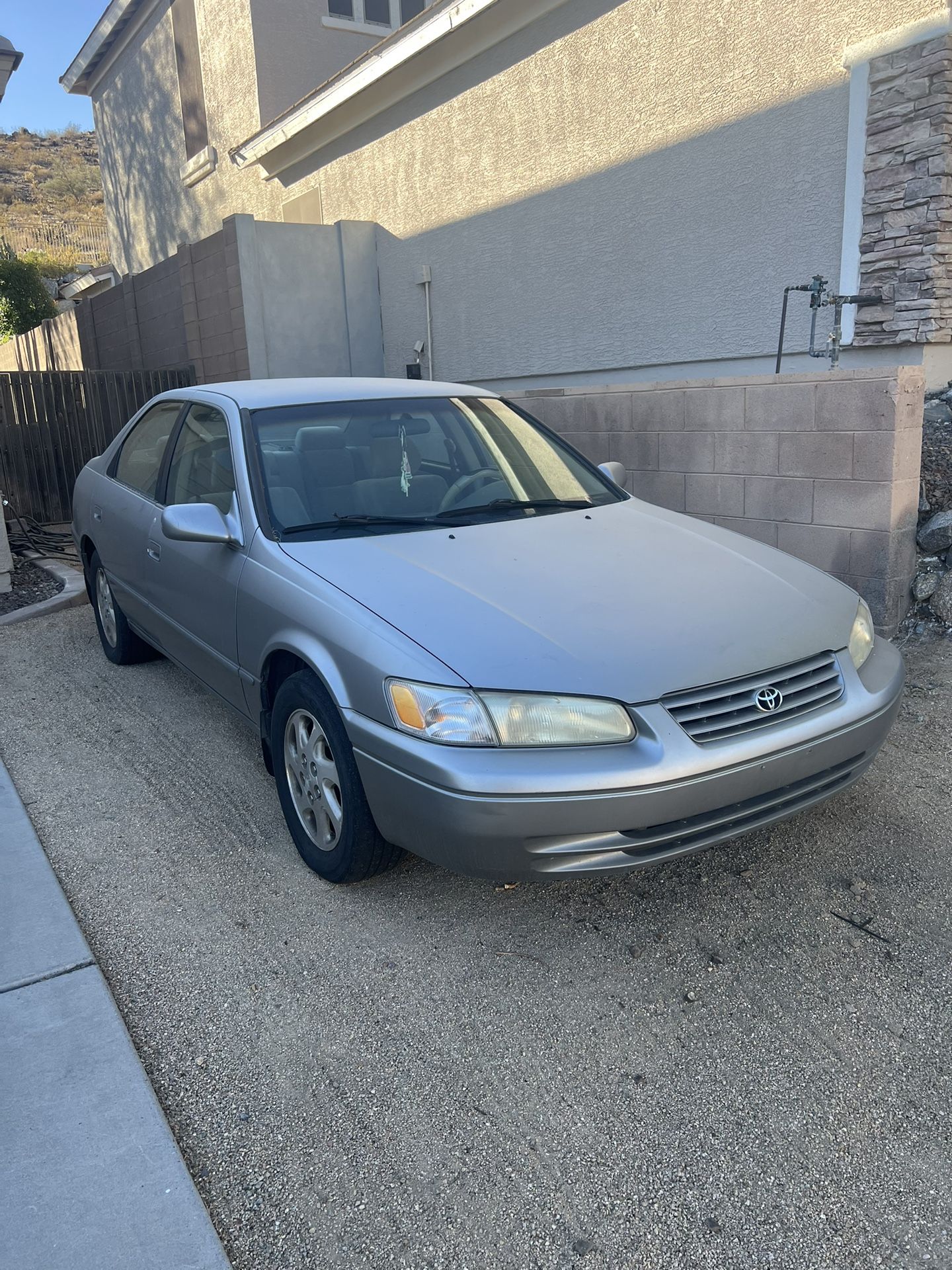
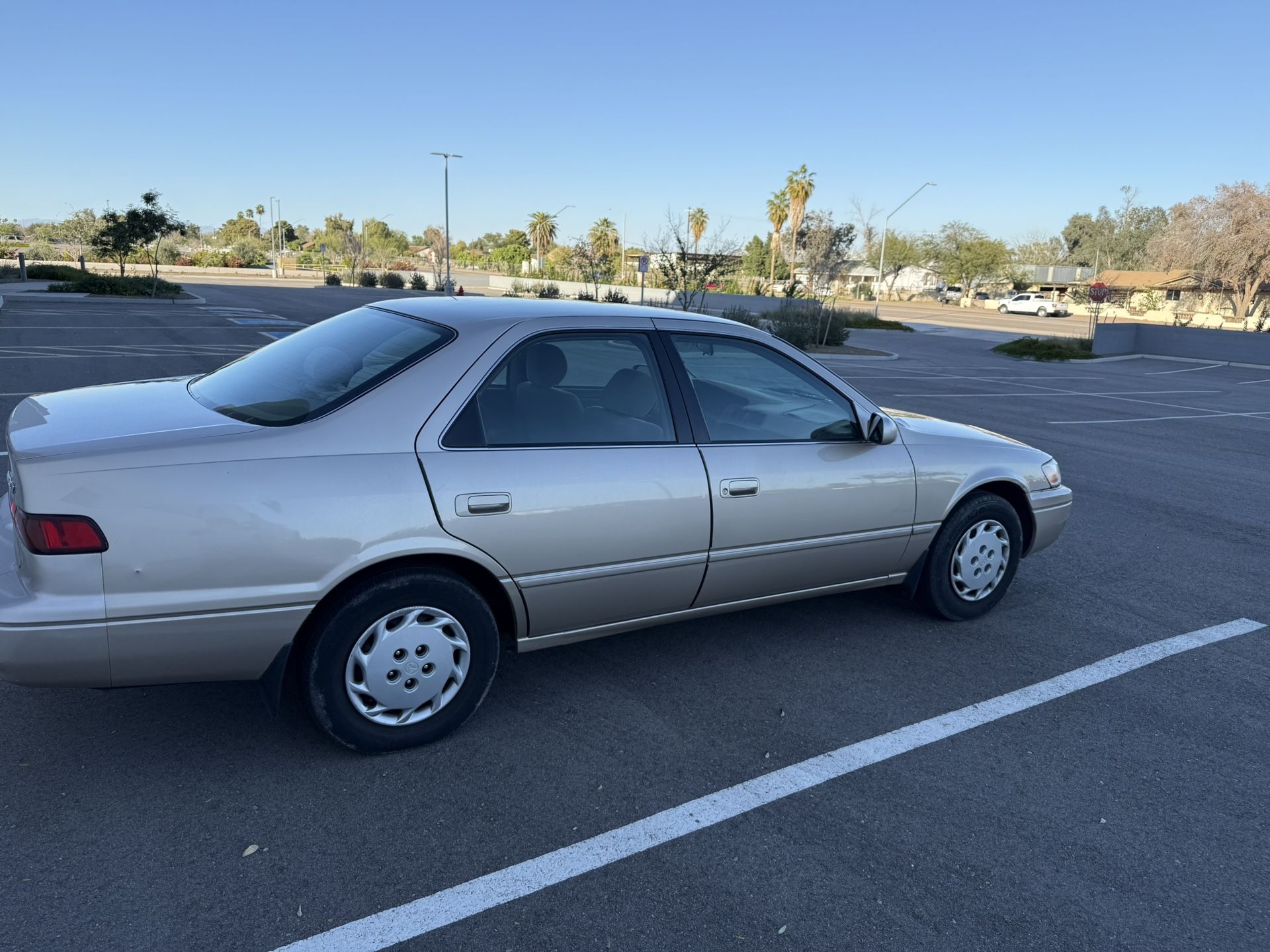
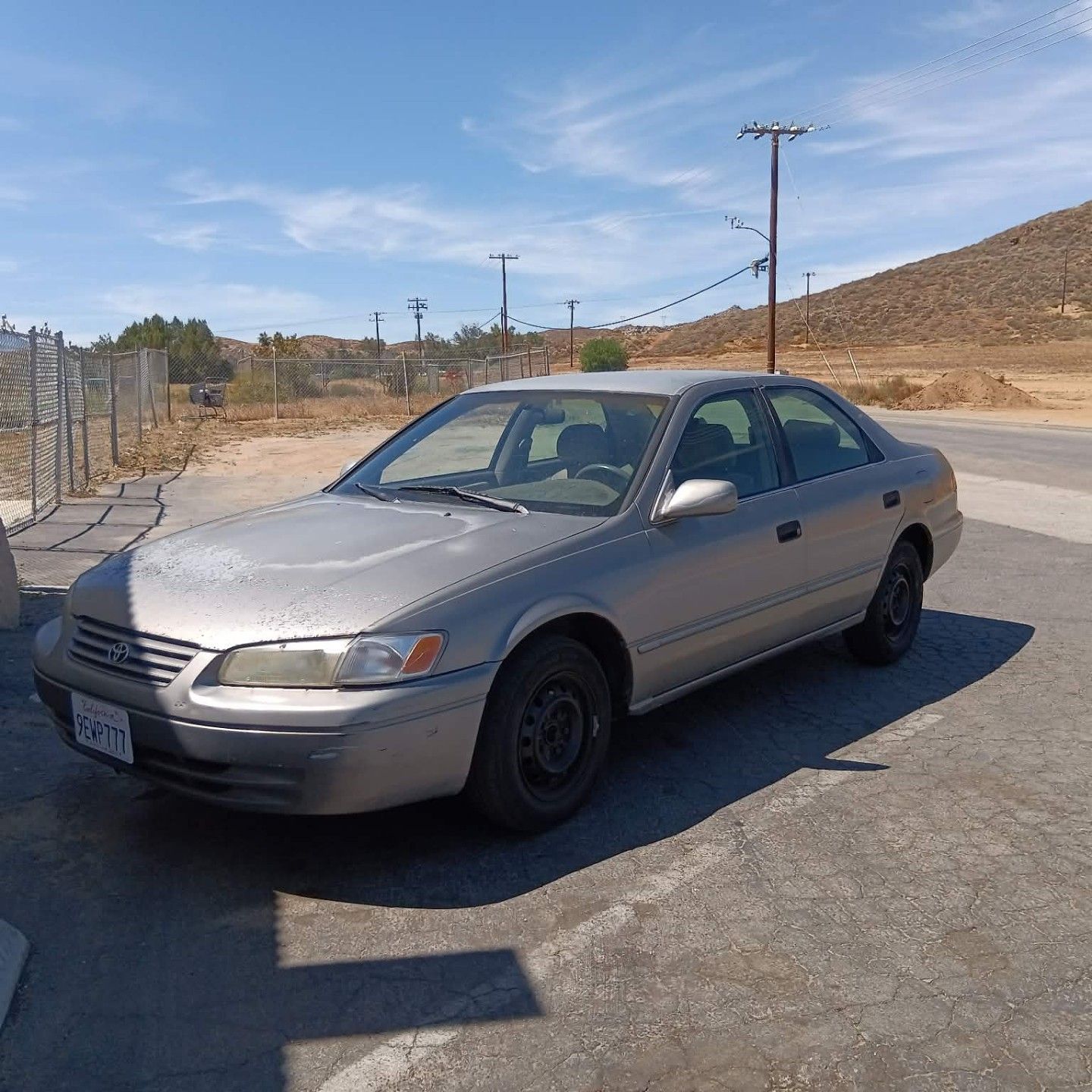
The 1999 Toyota Camry features two primary engine options: a 2.2-liter 5S-FE four-cylinder producing 133 horsepower and a 3.0-liter 1MZ-FE V6 delivering 194 horsepower. These ratings are measured as SAE Net horsepower at the crankshaft, reflecting the vehicle's output with all standard accessories and emissions equipment installed.
The 1999 Toyota Camry, part of the celebrated XV20 (fourth generation) lineage, remains a benchmark for automotive reliability. In the year 2026, these vehicles have transitioned from everyday commuters to enduring examples of turn-of-the-century Japanese engineering. Understanding the horsepower ratings of this specific model year requires looking beyond simple numbers and into the mechanics of power delivery, the impact of emissions standards, and how these figures translate to real-world driving after nearly three decades on the road.
The Architecture of Power: 1999 Camry Engine Options
The 1999 model year offered two distinct powertrains, each catering to different consumer priorities. While the horsepower figures may seem modest by 2026 standards—where even entry-level compacts often exceed 180 horsepower—the 1999 Camry was engineered for a specific balance of torque, longevity, and "drivability" rather than raw track performance.
The 2.2L 5S-FE Inline-4 Engine
The workhorse of the 1999 lineup was the 2.2-liter 5S-FE. This engine was a staple of Toyota’s 1990s production, known for its cast-iron block and aluminum alloy cylinder head.
- Horsepower Rating: 133 hp @ 5,200 RPM
- Torque Rating: 147 lb-ft @ 4,400 RPM
The 5S-FE utilized a Dual Overhead Cam (DOHC) design with four valves per cylinder. One interesting technical aspect of this engine is the use of a "slave cam" arrangement, where the intake cam is driven by the timing belt and the exhaust cam is driven by the intake cam via a scissor gear. This design was intended to keep the cylinder head compact.
In terms of power delivery, 133 horsepower was considered adequate for the era. The engine’s primary strength was not its peak horsepower but its broad torque curve. By generating 147 lb-ft of torque, the 4-cylinder Camry felt relatively responsive in city driving and during low-speed maneuvers. However, on highway on-ramps, the weight of the XV20 chassis (approximately 3,100 lbs) meant that the 133 hp had to work hard, resulting in a 0–60 mph time of roughly 10 to 11 seconds depending on the transmission.
The 3.0L 1MZ-FE V6 Engine
For buyers seeking a more premium experience, the 3.0-liter 1MZ-FE V6 was the upgrade of choice. This engine transformed the Camry from a basic commuter into a smooth, surprisingly quick mid-size sedan.
- Horsepower Rating: 194 hp @ 5,200 RPM
- Torque Rating: 209 lb-ft @ 4,400 RPM
The 1MZ-FE was a significant departure from the 4-cylinder. It featured an all-aluminum construction (both block and heads), which helped reduce front-end weight and improved handling balance. In 1999, this engine did not yet feature the VVT-i (Variable Valve Timing with intelligence) that would appear in later revisions; however, it was already one of the smoothest V6 engines on the market.
With 194 horsepower, the V6 Camry could reach 60 mph in the high 7-second or low 8-second range. The power delivery was linear and refined, a hallmark of Toyota’s V6 engineering during this period. It made the Camry a much more capable highway cruiser, allowing for effortless overtaking and a quieter cabin environment because the engine didn't need to rev as high to maintain speed.
SAE Net vs. Wheel Horsepower: The Reality of Drivetrain Loss
When discussing the 1999 Camry’s horsepower, it is vital to distinguish between the rated horsepower (often called Brake Horsepower or Crank Horsepower) and wheel horsepower (WHP).
The 133 hp and 194 hp figures are "SAE Net" ratings. This means the engine was tested on a stand with its alternator, water pump, and exhaust system attached. However, once that engine is bolted into the car and connected to a transmission, axles, and tires, a portion of that power is lost to friction and rotational inertia. This is known as drivetrain loss.
Automatic vs. Manual Transmission Impact
The 1999 Camry was available with either a 5-speed manual or a 4-speed automatic (the A140E for the 4-cylinder and the A541E for the V6).
- Manual Transmission: Generally loses about 10–12% of power between the crank and the wheels. For a 4-cylinder Camry, this means roughly 117–120 hp actually reaches the ground.
- Automatic Transmission: Older 4-speed automatics with torque converters are less efficient, often losing 15–20% of the engine's power. A V6 Camry rated at 194 hp might only put about 155–165 hp to the front wheels.
In 2026, these losses may be even more pronounced if the transmission fluid hasn't been maintained or if the internal clutches are beginning to slip.
Emissions Standards and Regional Variations
A common point of confusion regarding the 1999 Camry's horsepower is the slight variation in ratings across different regions. In the late 90s, California and several Northeastern states followed stricter emissions standards (LEV or Low Emission Vehicle) than the rest of the United States (Federal/EPA standards).
Camrys sold with California emissions equipment often featured an extra catalytic converter or a different ECU tune. In some documentation, you might see the 4-cylinder rated at 130 hp or the V6 at 190 hp for these specific markets. While the 3-4 horsepower difference is negligible in daily driving, it is a factor for enthusiasts looking for exact specifications.
1999 Toyota Camry Engine Specifications Comparison
| Feature | 2.2L 5S-FE (I4) | 3.0L 1MZ-FE (V6) |
|---|---|---|
| Peak Horsepower | 133 hp @ 5,200 RPM | 194 hp @ 5,200 RPM |
| Peak Torque | 147 lb-ft @ 4,400 RPM | 209 lb-ft @ 4,400 RPM |
| Bore x Stroke | 87.1 mm x 90.9 mm | 87.4 mm x 83.1 mm |
| Compression Ratio | 9.5:1 | 10.5:1 |
| Fuel System | Multi-point EFI | Multi-point EFI |
| Block Material | Cast Iron | Aluminum Alloy |
| Cylinder Head | Aluminum Alloy | Aluminum Alloy |
| Recommended Fuel | 87 Octane (Unleaded) | 87 Octane (Unleaded) |
Performance Factors: Horsepower vs. Weight
The 1999 Camry’s horsepower was considered competitive for its segment. To understand how 133 or 194 horsepower "felt," we must look at the power-to-weight ratio.
- CE Trim (4-cylinder manual): Approx. 2,990 lbs. Ratio: 22.4 lbs per hp.
- XLE Trim (V6 automatic): Approx. 3,250 lbs. Ratio: 16.7 lbs per hp.
Lower numbers are better for acceleration. The V6 XLE offered a significantly punchier experience, which is why it was the preferred choice for those living in mountainous regions or those who frequently carried four passengers. The 4-cylinder CE, while slower, became the favorite for budget-conscious buyers because the lower horsepower coincided with better fuel economy (roughly 23 city / 30 highway MPG by 1999 EPA standards).
Maintaining Horsepower in 2026
If you are operating a 1999 Camry today, it is highly unlikely the engine is still producing its factory-rated horsepower unless it has undergone a comprehensive restoration. Several factors cause "horse-power bleed" over time.
Carbon Buildup and Valve Seats
Over hundreds of thousands of miles, carbon deposits can form on the intake valves and the piston crowns. This buildup disrupts the airflow into the combustion chamber and can slightly alter the compression ratio, leading to a loss of efficiency and peak power. Using high-quality fuel detergents and occasional intake system cleaners can help mitigate this.
The "Sludge" Issue
The 1MZ-FE V6 engine (and to a lesser extent the 5S-FE) was noted in the early 2000s for being susceptible to oil gelation, or "sludge," if oil changes were neglected. Sludge restricts oil flow to critical components, increasing internal friction. Increased friction is the enemy of horsepower. If a 1999 Camry has been well-maintained with synthetic oil, it is much more likely to retain its original power ratings.
Exhaust Backpressure
The catalytic converters on a 27-year-old car may be partially clogged. A restricted exhaust prevents the engine from "breathing" out effectively. If the engine cannot evacuate exhaust gases quickly, it cannot draw in a fresh air-fuel mixture efficiently, significantly throttling the horsepower output.
Ignition and Sensors
The 1999 Camry uses a distributor-less ignition system (on the V6) or a waste-spark system (on the I4). Weak ignition coils, old spark plugs, or a fouled Mass Air Flow (MAF) sensor can cause the ECU to retard ignition timing to prevent engine knock. When timing is retarded, horsepower drops instantly.
The Driveability Perspective
It is important to remember that the 1999 Camry's horsepower was tuned for a specific power band. Most modern turbocharged engines provide peak torque very early (at 1,500 or 2,000 RPM). The 1999 Camry’s naturally aspirated engines require you to rev the engine to 4,400 RPM to reach peak torque and over 5,000 RPM to reach peak horsepower.
For a driver in 2026, the 1999 Camry might feel "slow" initially because the power is concentrated in the mid-to-high RPM range. However, this characteristic makes the car very smooth and predictable for city driving, as there is no sudden surge of turbo boost to manage.
Comparative Context: 1999 Competitors
To fully explain the 1999 Camry’s horsepower, it helps to see how it compared to its primary rivals at the time:
- Honda Accord (1999): The 2.3L 4-cylinder produced 135–150 hp (VTEC dependent), and the 3.0L V6 produced 200 hp. The Camry and Accord were almost neck-and-neck in power.
- Nissan Maxima (1999): The 3.0L VQ30DE V6 produced 190 hp. While similar in rating to the Camry, the Maxima was tuned for a sportier feel.
- Ford Taurus (1999): The standard Vulcan V6 produced only 145 hp, while the Duratec V6 offered 170–185 hp. The Camry V6 was objectively more powerful than the mainstream American V6 options of the time.
Common Questions Regarding 1999 Camry Horsepower
Can I increase the horsepower of a 1999 Camry? While possible, it is generally not cost-effective. Simple "bolt-ons" like cold air intakes or high-flow mufflers typically add less than 5 hp and may decrease low-end torque. The most significant way to "restore" power is through meticulous maintenance: replacing the oxygen sensors, cleaning the throttle body, and ensuring the timing belt is properly tensioned.
Is the V6 version much faster than the 4-cylinder? Yes. The 61-horsepower difference is quite noticeable. The V6 version is better suited for highway commuting and heavy loads, whereas the 4-cylinder is best for flat-land city driving and maximum fuel economy.
Does the 1999 Camry require premium fuel for maximum horsepower? No. Both the 5S-FE and the 1MZ-FE were designed to run on 87-octane regular unleaded gasoline. Using premium fuel (91 or 93 octane) will not increase the horsepower because the engine's compression ratio and ignition maps are not aggressive enough to take advantage of the higher octane.
Why does my 1999 Camry feel like it has less power when the AC is on? The air conditioning compressor is driven by the engine's accessory belt. On a 133 hp engine, the parasitic draw of an AC compressor can sap 5–10 horsepower. This is a significant percentage of the 4-cylinder's total output, which is why the car feels noticeably more sluggish in the summer.
What is the "true" horsepower of a 1999 Camry today? For a well-maintained vehicle with 200,000 miles, you can expect a 5–10% loss due to internal wear. A 4-cylinder might realistically produce about 120–125 hp at the crank, while a V6 might produce around 175–180 hp.
Final Recommendation for Owners and Buyers
If you are evaluating a 1999 Camry for purchase in 2026, prioritize the service history over the specific horsepower rating. A 133-hp 4-cylinder that has had consistent oil changes and a recent timing belt service will outperform a 194-hp V6 that has been neglected and suffered from oil sludge.
For those who prioritize a smooth, effortless driving experience and plan on frequent highway travel, the 194-hp V6 is the superior choice. If your goal is the lowest possible cost of ownership and "unkillable" reliability, the 133-hp 4-cylinder remains one of the best automotive engines ever produced, even if its power figures seem modest by today’s standards.