The 1990s represented a transformative decade for bridal party fashion, shifting from the maximalist puff sleeves and iridescent taffeta of the early years to the sleek, minimalist slip dresses and velvet sheaths of the late 90s. Influenced by pop culture icons and high-fashion designers like Vera Wang, 1990 bridesmaid dresses defined a generation of wedding aesthetics through structured silhouettes, jewel tones, and the rise of the "wear-it-again" philosophy.
The Evolution of 1990s Bridesmaid Aesthetics
To understand the 1990 bridesmaid dress, one must recognize that the decade did not have a single, unified look. Instead, it was a bridge between the excessive theatricality of the 1980s and the streamlined, modern elegance that would define the early 21st century. In 2026, as vintage wedding themes continue to dominate the market, these dresses are being rediscovered not just as nostalgic relics, but as high-quality vintage pieces that offer a distinct structural integrity often missing in modern fast-fashion alternatives.
In the early 1990s, the influence of Princess Diana’s 1981 wedding was still palpable. Bridesmaid dresses featured significant volume, particularly in the shoulders and skirts. However, by 1995, the "waif" look and the rise of grunge-influenced minimalism began to filter into the bridal industry. This transition saw the removal of heavy crinolines in favor of bias-cut silks and floor-length crepe gowns.
Early 1990s: The Lingering Influence of the 80s
From 1990 to roughly 1993, bridesmaid fashion was characterized by "more is more." The primary goal was often to create a frame for the bride, frequently using bold colors that would pop in film photography.
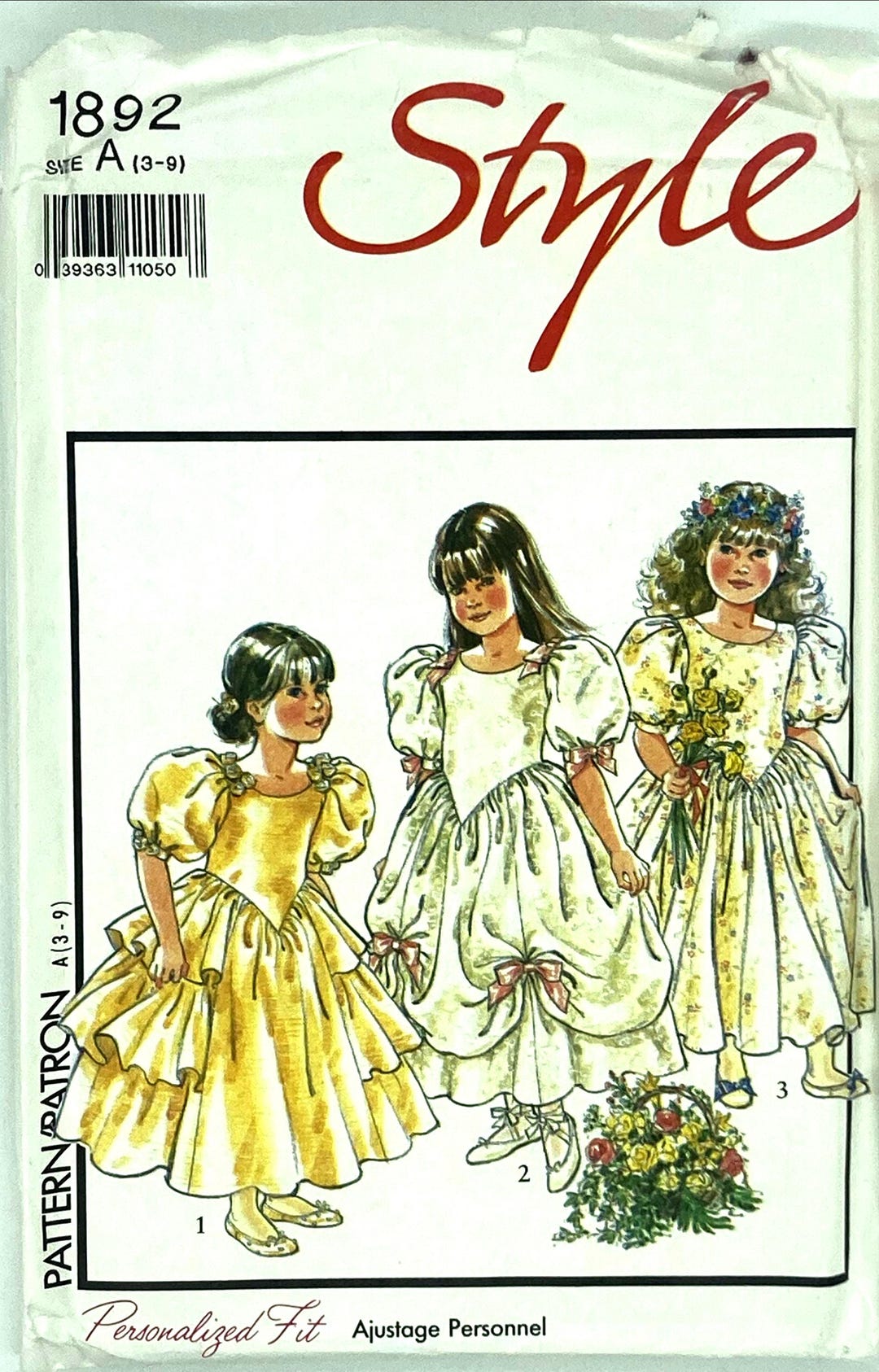
- The Basque Waist: This was a hallmark of the early 90s. The waistline of the dress would dip into a "V" shape at the center of the torso, which was intended to elongate the body and provide a regal, almost Victorian silhouette.
- Puff Sleeves and Shoulder Pads: While not as extreme as the mid-80s, the early 90s bridesmaid still sported structured shoulders. These were often gathered at the seam to create a "balloon" effect, sometimes ending in a tight band around the mid-bicep.
- Fabric Choices: Iridescent taffeta, moiré silk, and heavy satin were the standards. These fabrics had a stiff hand-feel, allowing the dramatic bows—often placed at the small of the back—to maintain their shape throughout the ceremony and reception.
Mid-to-Late 1990s: The Minimalist Revolution
By 1996, the aesthetic shifted dramatically. The release of films like Clueless (1995) and the popularity of shows like Friends brought a younger, sleeker sensibility to the bridal party. Designers like Vera Wang, who opened her flagship salon in 1990, began to exert massive influence over the average bridesmaid's closet.
- The Slip Dress: Perhaps the most iconic silhouette of the late 90s, the slip dress moved from the bedroom to the wedding aisle. Made of silk or polyester satin, these dresses featured thin "spaghetti" straps and a bias cut that skimmed the body.
- Square Necklines: Replacing the sweetheart and off-the-shoulder looks of the early decade, square necklines provided a clean, architectural look that complemented the decade’s obsession with "chic" simplicity.
- The Two-Piece Set: The late 90s introduced the concept of the bridesmaid "separates." A corset-style top paired with a long A-line skirt allowed for easier sizing and, theoretically, the ability to wear the pieces again separately.
Key Fabrics and Color Palettes of the Era
The 1990s saw a departure from the pastel-heavy 80s, moving toward more sophisticated and sometimes somber tones. The choice of fabric was essential to achieving the specific structural looks of the time.
Signature 90s Colors
In the early part of the decade, jewel tones reigned supreme. Forest green, burgundy (often called "maroon" or "wine"), and navy blue were the most common choices for fall and winter weddings. These colors were thought to look "expensive" and photographed well on the 35mm film standard of the time.
As the decade progressed, the palette lightened. The late 90s saw a surge in "dusty" colors: dusty rose, sage green, and champagne gold. Additionally, the 90s were the first decade where black bridesmaid dresses became socially acceptable, moving away from the traditional taboo of black at a wedding.
Essential Fabrics
| Fabric Type | Common Use Era | Characteristics |
|---|---|---|
| Velvet | 1992–1998 | Heavy, matte or crushed; primarily used for winter weddings in deep jewel tones. |
| Crepe | 1995–1999 | A textured matte fabric with a beautiful drape; essential for minimalist sheath dresses. |
| Taffeta | 1990–1994 | Crisp, smooth, and noisy; used for structured skirts and giant decorative bows. |
| Organza | 1994–1999 | Sheer and lightweight; often used as an overlay on skirts or for "illusion" necklines. |
| Shantung Silk | 1990–1996 | A refined silk with slight ribs; popular for high-end, structured bridesmaid gowns. |
The Role of Iconic Designers and Brands
Several brands defined the "mall-to-altar" pipeline of the 1990s. For many bridesmaids, the search for a dress began and ended with a few key names that dominated the market.
Jessica McClintock (Gunne Sax): While McClintock was famous for her 70s prairie dresses, her 90s output was the gold standard for bridesmaid and prom attire. Her designs often featured the signature basque waist and used a lot of satin and lace overlays.
Watters & Watters: This brand was instrumental in the late 90s for introducing the "fashion-forward" bridesmaid dress. They were among the first to offer separates and focused on a more "couture" look for the bridal party, moving away from the "costume" feel of earlier designs.
Vera Wang: While her primary focus was the bride, Wang’s aesthetic trickled down to the bridesmaids. She popularized the idea that a bridesmaid dress could be high fashion—sleek, black, or minimalist—rather than a ruffled uniform.
Technical Construction and Fitting Challenges
Buying or wearing an original 1990 bridesmaid dress in 2026 requires an understanding of how garments were constructed during that era. Unlike the stretch-heavy fabrics of the 2020s, 90s formalwear was largely "static."
Boning and Structure
Most formal dresses from the early to mid-90s included internal plastic boning in the bodice. This was designed to provide a smooth, structured look regardless of the wearer's undergarments. When sourcing vintage, it is common to find that this boning has warped or become brittle over thirty years. A skilled tailor can usually replace these with modern, flexible spiral steel or high-quality plastic boning.
Sizing Discrepancies
Standardized sizing in the 1990s differs significantly from 2026 vanity sizing. A "Size 10" from a 1994 Jessica McClintock collection is often closer to a modern "Size 4" or "Size 6." Furthermore, because these dresses were often made of non-stretch woven fabrics (like 100% polyester satin or silk shantung), there is very little "give" in the bust and waist.
Seam Allowances
One benefit of 90s-era manufacturing, particularly for mid-to-high-end brands, was the inclusion of generous seam allowances. It was expected that bridesmaid dresses would be altered to fit. Consequently, original 90s vintage dresses often have 1 to 1.5 inches of extra fabric inside the seams, making it possible to let the dress out—a rarity in modern mass-market garments.
Modernizing 1990s Vintage for 2026 Weddings
With the current 2026 trend toward "Sustainable Chic," many bridal parties are opting for authentic vintage 1990s dresses. However, wearing them "as-is" can sometimes feel like wearing a costume. Successful modernization involves selective editing of the garment's most dated features.
- Sleeve Removal: The most common modification for an early 90s dress is the removal of the puff sleeves. Converting a puffed-sleeve gown into a sleek sleeveless or spaghetti-strap dress instantly brings it into the modern era while retaining the beautiful vintage fabric and bodice shape.
- Shortening the Hem: Many 90s dresses featured a "tea-length" or a very heavy floor-length hem with a stiffener. Removing the stiffener (often a horsehair braid) and shortening the dress to a midi length makes it more wearable for a 2026 garden or city-hall wedding.
- Updating the Accessories: In the 90s, it was common to wear dyed-to-match satin pumps and heavy floral headpieces. To modernize the look, stylists today recommend pairing these structured vintage gowns with minimalist metallic sandals and sleek, "clean girl" hair and makeup.
Sourcing and Preservation
If you are a bride in 2026 looking to outfit your party in 1990s vintage, sourcing requires a multi-pronged approach.
- Online Marketplaces: Platforms like Etsy, eBay, and specialized vintage sites remain the primary source. Search terms should include specific brands like "Bill Levkoff vintage," "Alfred Angelo 90s," or "Jessica McClintock."
- Estate Sales: Because bridesmaid dresses are often worn once and then stored in the back of a closet, estate sales are gold mines for finding 90s dresses in "deadstock" (unworn) or pristine condition.
- Preservation Issues: When inspecting a dress from this era, pay close attention to the underarms (for perspiration staining which can become permanent over decades) and the elastic. Elastic in 30-year-old garments often undergoes "dry rot," losing its stretch and becoming brittle.
Frequently Asked Questions
What was the most popular bridesmaid dress color in 1990?
In 1990, the dominant colors were hunter green, burgundy, and teal. These were often executed in heavy fabrics like iridescent taffeta, which changed color slightly depending on the light.
Were black bridesmaid dresses allowed in the 90s?
At the start of the decade, black was considered taboo for weddings. However, by the mid-to-late 90s, influenced by New York fashion and celebrities, "The Little Black Bridesmaid Dress" became a major trend, prized for its sophistication and the genuine possibility of being worn again.
How do 1990s dress sizes compare to today's sizes?
Vintage 90s sizes run much smaller than modern sizes. On average, you should expect to go up two to three sizes from your modern "street size" to fit into a 1990s garment. Always check measurements (bust, waist, and hips) rather than the number on the tag.
What kind of shoes did bridesmaids wear in the 90s?
The most common footwear was the "dyed-to-match" pump. Bridesmaids would take their dresses to a shoe store, which would then use a chemical dye to color the satin fabric of the shoes to perfectly match the dress. By the late 90s, this gave way to strappy silver or gold sandals.
Is it possible to remove the "puff" from 90s sleeves?
Yes. Most 1990s puff sleeves are supported by internal netting or gathered fabric at the shoulder. A tailor can remove the sleeve entirely or slim it down by removing the excess fabric and the internal support structure.
Final Recommendations for 2026 Brides
If you are drawn to the aesthetic of 1990 bridesmaid dresses, focus on the silhouette and fabric quality rather than the embellishments. The 90s were a peak era for garment construction before the massive shift to globalized fast fashion. Look for 100% silk pieces or heavy-weight satins that have a "heft" modern dresses lack.
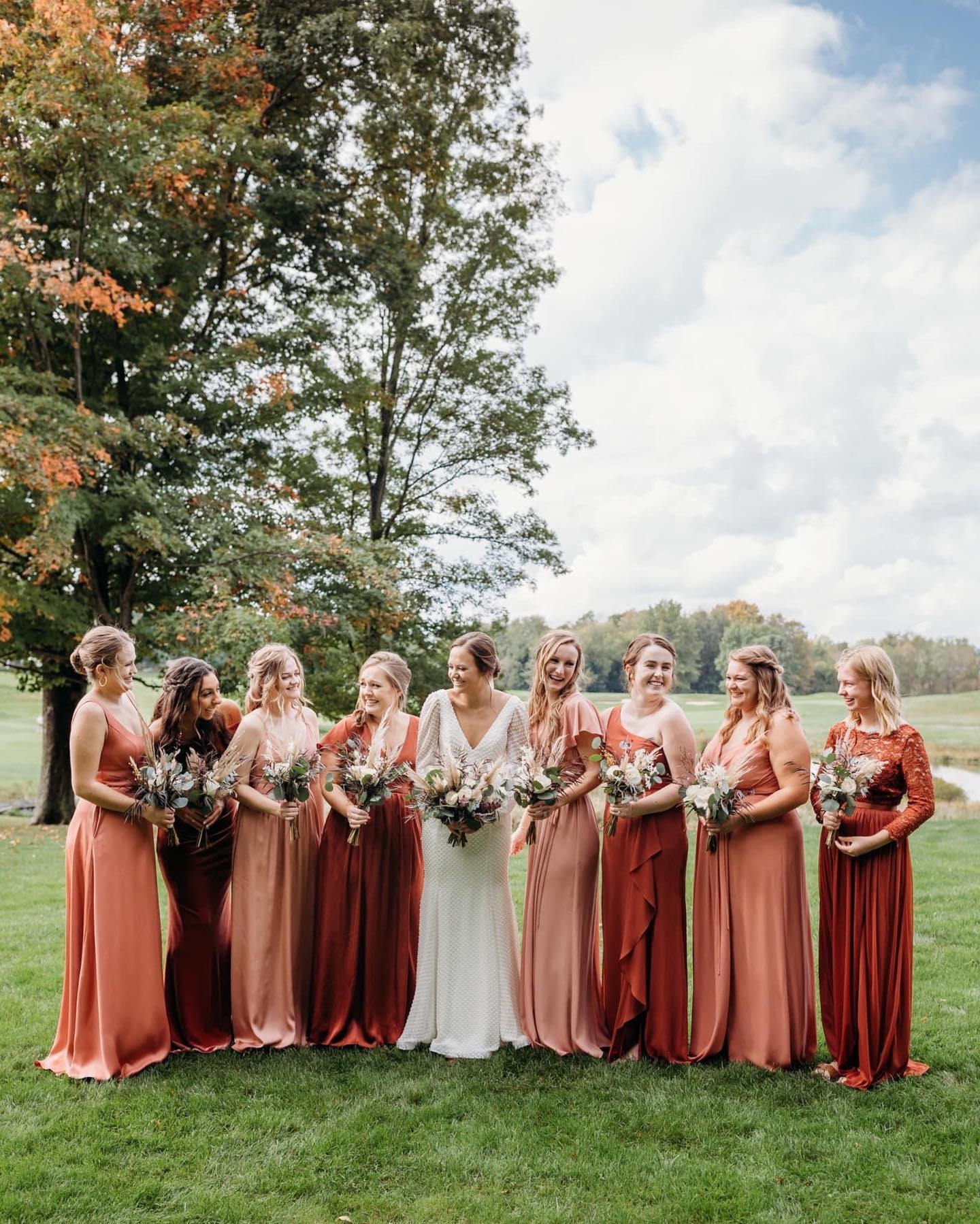
For a cohesive 2026 bridal party, consider a "mismatched" 90s theme. Assign a color palette—such as "Late 90s Champagne and Sage"—and allow bridesmaids to find their own vintage 90s slips or sheaths. This approach ensures sustainability, provides a unique look for every body type, and pays homage to a decade that revolutionized how we view wedding fashion.