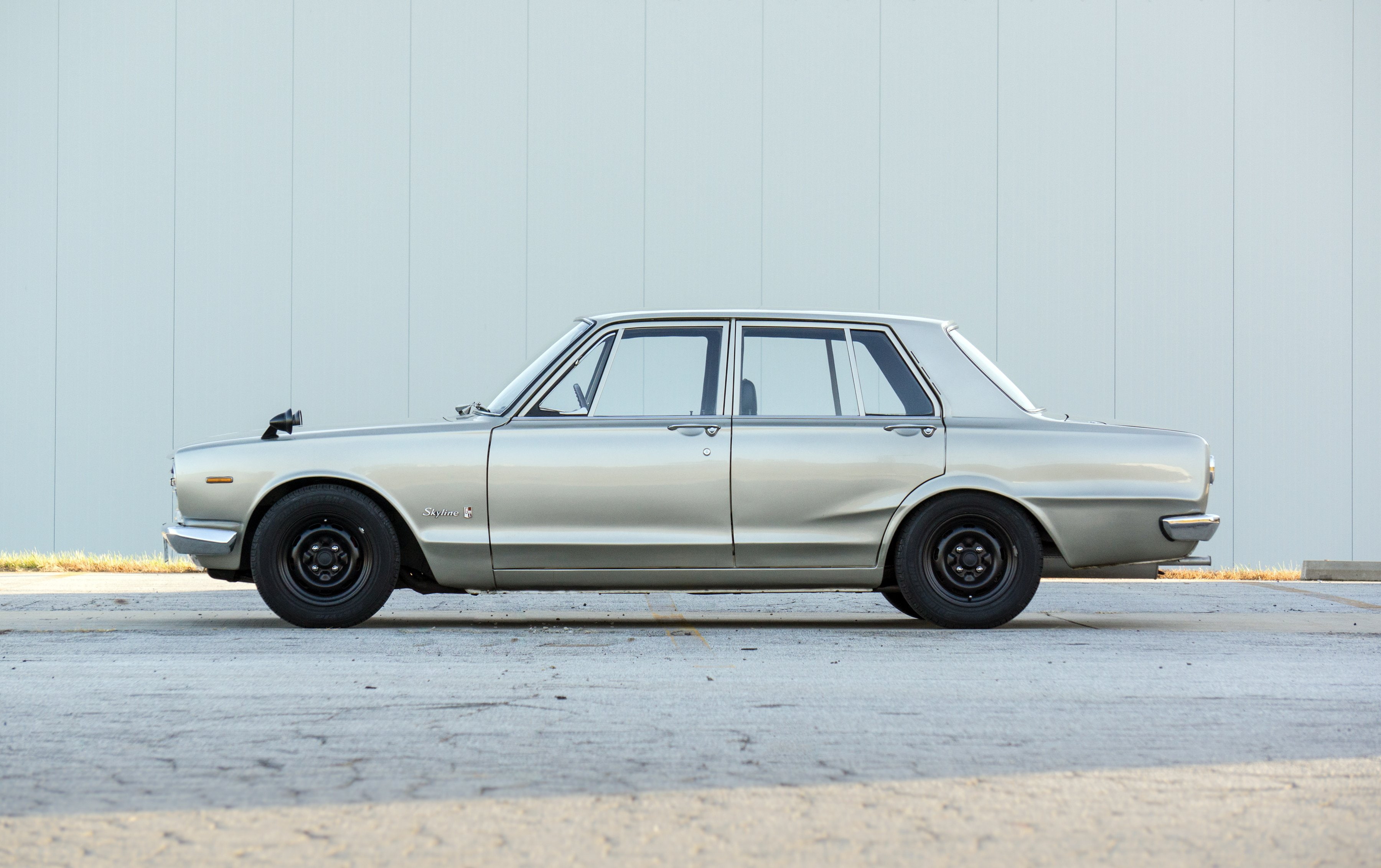
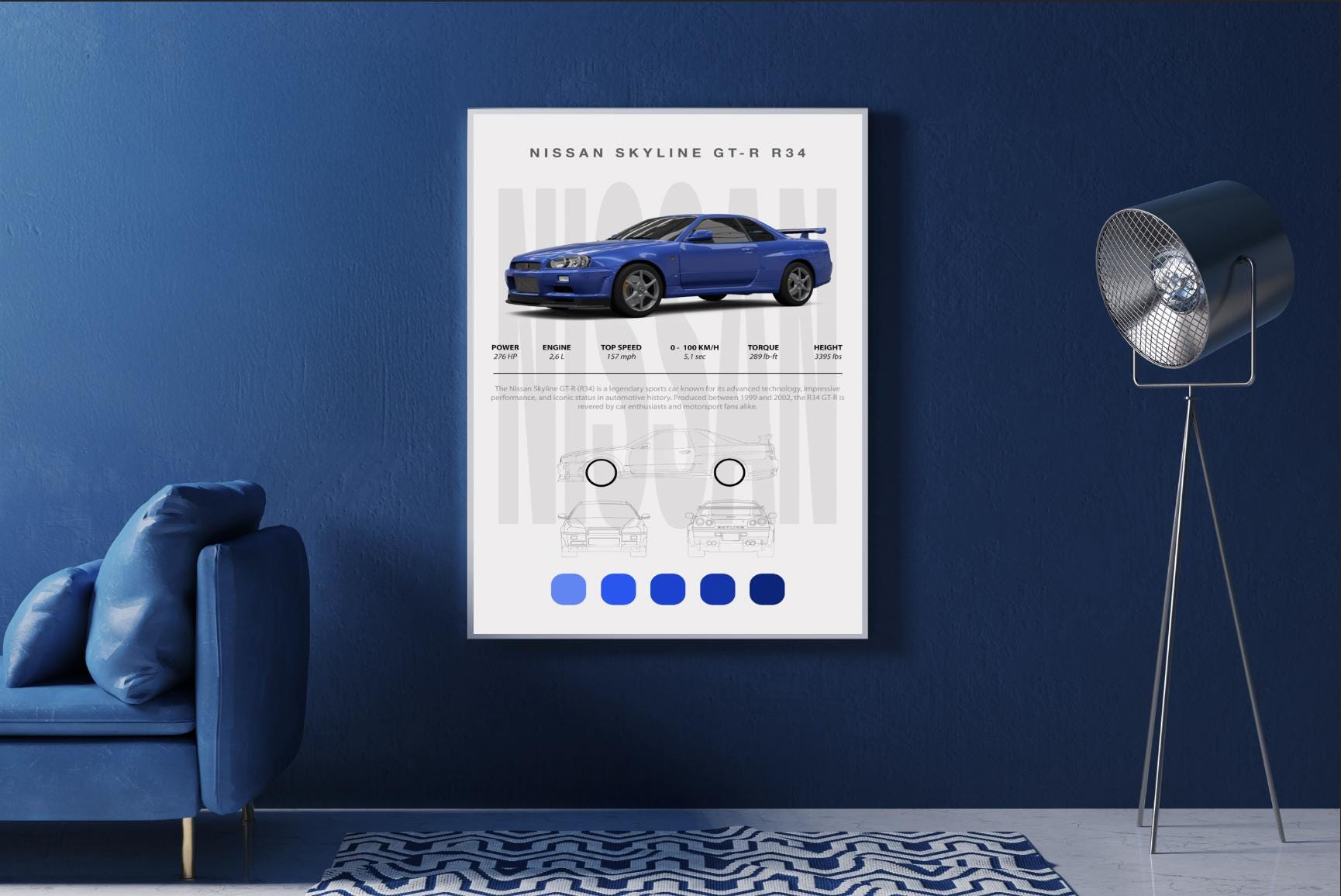
The 1985 Nissan Skyline (R31) represents the definitive pivot point in Japanese automotive history, bridging the gap between raw, angular muscle cars of the early 1980s and the sophisticated, technology-driven performance icons of the 1990s. As the debut year of the seventh-generation Skyline, 1985 introduced the legendary RB-series engine and early four-wheel steering, establishing the engineering DNA that would eventually produce the world-conquering R32 GT-R.
The 1985 Pivot: Context of the Seventh Generation
When the R31 Skyline debuted in August 1985, Nissan was at a crossroads. The preceding R30 generation, famously known as the "Iron Mask," had successfully blended boxy aesthetics with turbocharging, but the market was shifting toward luxury and technological integration. The R31 was designed to meet these dual demands, initially launching as a four-door sedan and a four-door "Hardtop" (pillarless) sedan under the marketing slogan "7th Heaven."
To understand why 1985 is considered the birth of the modern Skyline icon, one must look at the state of the "muscle" era. Until this point, the Skyline’s prestige was built on the "Kenmeri" and "Japan" models—cars that mimicked American muscle aesthetics with long hoods, short decks, and heavy, carbureted engines. The 1985 model year stripped away the last vestiges of 1970s styling, replacing them with a crisp, aerodynamic silhouette and an emphasis on electronic engine management.
This transition was not without controversy. Purists initially felt the R31 had become too "soft" or too focused on the luxury executive market. However, Nissan’s underlying goal was to create a platform capable of competing in Group A touring car racing. This competitive requirement forced engineers to innovate, leading to the development of components that are now synonymous with the Skyline nameplate.
Aesthetics and Design: A Bridge Between Eras
The 1985 design language is a study in "folded paper" styling. While it retained the rectilinear profile of the early 80s, the R31 introduced subtle refinements that signaled a move toward the 90s. The front fascia was characterized by a clean, integrated grille and large, rectangular headlamps, while the rear featured the signature "Afterburner" round taillights that had been a Skyline staple since the 1970s.
Inside, the 1985 Skyline moved away from the utilitarian plastics of the R30. High-trim models like the "Passage" featured plush velour upholstery, digital instrument clusters, and even early iterations of steering-wheel-mounted audio controls. This was Nissan’s attempt to position the Skyline as a premium grand tourer—a "techno-muscle" car that could offer comfort on long highway stints while retaining the capability for high-speed performance.
The R31’s aerodynamic profile was also significantly improved over its predecessors. While the drag coefficient might seem high by 2026 standards, in 1985, the use of integrated bumpers and flush-mounted glass was a major step toward reducing wind noise and improving fuel efficiency at cruising speeds.
Engineering the RB Legend: Powerplant Innovation
The most significant contribution of the 1985 Skyline to automotive history was the introduction of the RB-series engine. Before the RB, the Skyline relied on the L-series and FJ-series engines. While the FJ20ET from the R30 was a powerful four-cylinder unit, the smooth, inline-six configuration was seen as the superior choice for a high-end sports sedan.
The RB20DET, introduced in the R31, featured:
- Dual Overhead Cams (DOHC): Allowing for more precise valve timing and higher RPM potential.
- Electronic Fuel Injection (EGI): Moving away from the mechanical complexities of older systems to the ECCS (Electronic Concentrated Control System).
- NICS (Nissan Induction Control System): An early variable intake manifold design that optimized airflow at both low and high engine speeds.
The RB20DET was the first mass-produced engine to use a ceramic turbocharger rotor in certain trims, which allowed for faster spooling and reduced lag compared to traditional steel wheels. This focus on response over raw peak power was a hallmark of the "modern icon" philosophy—making the car more drivable and rewarding for the enthusiast.
Technological Milestones: HICAS and Beyond
In 1985, Nissan introduced a technology that would define the Skyline’s handling characteristics for the next two decades: HICAS (High Capacity Actively Controlled Steering). The R31 was the first Skyline to feature this early form of four-wheel steering.
In its original iteration, HICAS used hydraulic actuators to turn the rear wheels in the same direction as the front wheels during high-speed maneuvers. This effectively lengthened the wheelbase of the car, providing greater stability during lane changes and high-speed cornering. While later versions (Super HICAS) would allow for counter-steering at low speeds to improve agility, the 1985 system was strictly focused on stability—a necessary addition for a car that was growing heavier and more powerful.
Beyond steering, the 1985 model year saw the introduction of electronically adjustable shock absorbers. Drivers could select between "Sport," "Normal," and "Auto" modes via a switch on the center console. In "Auto" mode, the car’s computer would stiffen the dampers based on vehicle speed and steering input, a level of sophistication that was almost unheard of in mid-range sports sedans of the mid-80s.
The GTS-R: Homologation and Racing Prowess
While the 1985 launch models focused on luxury, the R31’s evolution into a modern icon reached its zenith with the GTS-R. Released later in the R31's lifecycle (1987) but based on the 1985 platform, the GTS-R was a limited-production homologation special designed to qualify Nissan for Group A racing.
The GTS-R took the lessons learned from the 1985 launch and pushed them to the limit. It featured a larger Garrett T04E turbocharger and a stainless steel tubular exhaust manifold. This changed the engine's character from a smooth grand tourer to a high-strung racing machine.
The racing success of the R31 GTS-R in the Japanese Touring Car Championship and the Australian touring car scene proved that the R31 chassis was a formidable performance platform. It was this success that gave Nissan the confidence to resurrect the GT-R badge for the subsequent R32 generation. Without the engineering breakthroughs and racing lessons of the 1985-based R31, the R32 GT-R as we know it would likely never have existed.
Regional Variants: The Skyline Down Under
A unique chapter in the 1985 Skyline story took place in Australia. Due to local manufacturing requirements and import duties, Nissan Australia produced its own version of the R31 at the Clayton plant in Victoria.
Unlike the Japanese models which focused on the 2.0-liter RB20, the Australian R31 used a 3.0-liter single-overhead-cam engine (the RB30E). This engine was a torque-heavy powerhouse that felt much more like a traditional "muscle car" than its high-revving Japanese cousins. The Australian R31 became a cult classic in its own right, leading to the creation of the Special Vehicles Division (SVD) and the limited-edition Silhouette GTS models.
This regional divergence highlights the R31's versatility. It could be a high-tech turbo screamer in Tokyo or a rugged, long-distance cruiser in the Australian Outback, further cementing its status as a global icon.
Comparison of 1985-Era Skyline Engine Variants
The following table outlines the primary differences between the engine options available during the early R31 era, illustrating the breadth of the lineup from economy to performance.
| Engine Code | Configuration | Aspiration | Power (approx.) | Primary Market |
|---|---|---|---|---|
| CA18S | 1.8L I4 | Carbureted | 90 hp | Japan (Entry-level) |
| RB20E | 2.0L I6 | Naturally Aspirated | 130 hp | Japan (Executive) |
| RB20DET | 2.0L I6 | Turbocharged | 180-210 hp | Japan (GTS/Performance) |
| RB30E | 3.0L I6 | Naturally Aspirated | 155 hp | Australia / South Africa |
| RB20DET-R | 2.0L I6 | Turbocharged | 210 hp (Stock) | Japan (GTS-R Limited) |
Note: Power figures are approximate and may vary based on JIS or DIN measurement standards used at the time.
Ownership and Maintenance in 2026
As of 2026, the 1985 Skyline R31 has moved firmly into the category of "blue-chip" JDM classics. While it was once overshadowed by the R32 and R34, collectors now value the R31 for its historical significance and its unique "80s-modern" aesthetic.
Key Maintenance Considerations:
- HICAS Hydraulics: The early HICAS systems are prone to leaks after four decades. Many owners in 2026 choose to install "HICAS lockout kits," which replace the hydraulic rack with a solid bar for more predictable handling, though this removes a piece of the car's historical tech.
- Rust Prevention: Like many Nissans of this era, the R31 is susceptible to rust in the rear wheel arches, the spare tire well, and around the front strut towers.
- RB20 Parts Availability: While the RB-series is legendary, finding specific NICS intake components or the original ceramic turbos for the 1985 models is becoming increasingly difficult. Most owners upgrade to modern ball-bearing turbos and standalone ECUs for reliability.
The market value for a clean, 1985-spec GTS or Passage GT has risen steadily. Special editions and GTS-R models now command prices that rival late-model sports cars, reflecting their status as the foundation of the modern Skyline legend.
Frequently Asked Questions
Is the 1985 Skyline considered a real muscle car?
In the traditional American sense (V8, leaf springs, body-on-frame), no. However, in the context of Japanese automotive history, the Skyline is the closest equivalent. The 1985 model represents the moment the "muscle" philosophy of high-displacement and boxy looks began to merge with "modern" features like dual overhead cams and advanced electronics.
Can I import a 1985 Skyline to the United States?
Yes. As of 2026, the 1985 Skyline is well beyond the 25-year import rule established by the NHTSA and the EPA. It is fully legal to import and register in most states, though California residents will still need to ensure compliance with CARB (California Air Resources Board) requirements for vintage imports.
What is the "7th Heaven" Skyline?
"7th Heaven" was the primary marketing slogan used by Nissan for the R31 Skyline during its launch in 1985. It referred to the fact that this was the seventh generation of the Skyline nameplate. The campaign emphasized the car's move toward luxury and high-technology.
Does the 1985 R31 have a GT-R version?
No, there was no factory GT-R for the R31 generation. The GT-R badge was on hiatus from 1973 until the release of the R32 in 1989. However, the GTS-R is considered the spiritual successor and the direct technological predecessor to the modern GT-R.
How does the RB20DET compare to the later RB26DETT?
The RB20DET is a 2.0-liter engine, whereas the RB26DETT found in the R32/R33/R34 is a 2.6-liter. The RB20 is smoother and higher-revving in its stock form but lacks the massive torque and tuning potential of the larger 2.6-liter twin-turbo unit. The RB20 was the "proof of concept" that allowed the RB26 to be developed.
Final Recommendation for Enthusiasts
For those looking to enter the world of classic JDM ownership in 2026, the 1985 Skyline R31 offers a unique balance of historical importance and drivability. If you prioritize historical accuracy, look for a "Passage" trim with the original digital dash and RB20E engine. For those seeking the performance that earned the Skyline its iconic status, the GTS or a well-maintained Australian-built Silhouette GTS2 is the preferred choice. Always prioritize a rust-free chassis over mechanical perfection, as engines can be rebuilt, but 1980s Japanese sheet metal is increasingly difficult to find and repair.