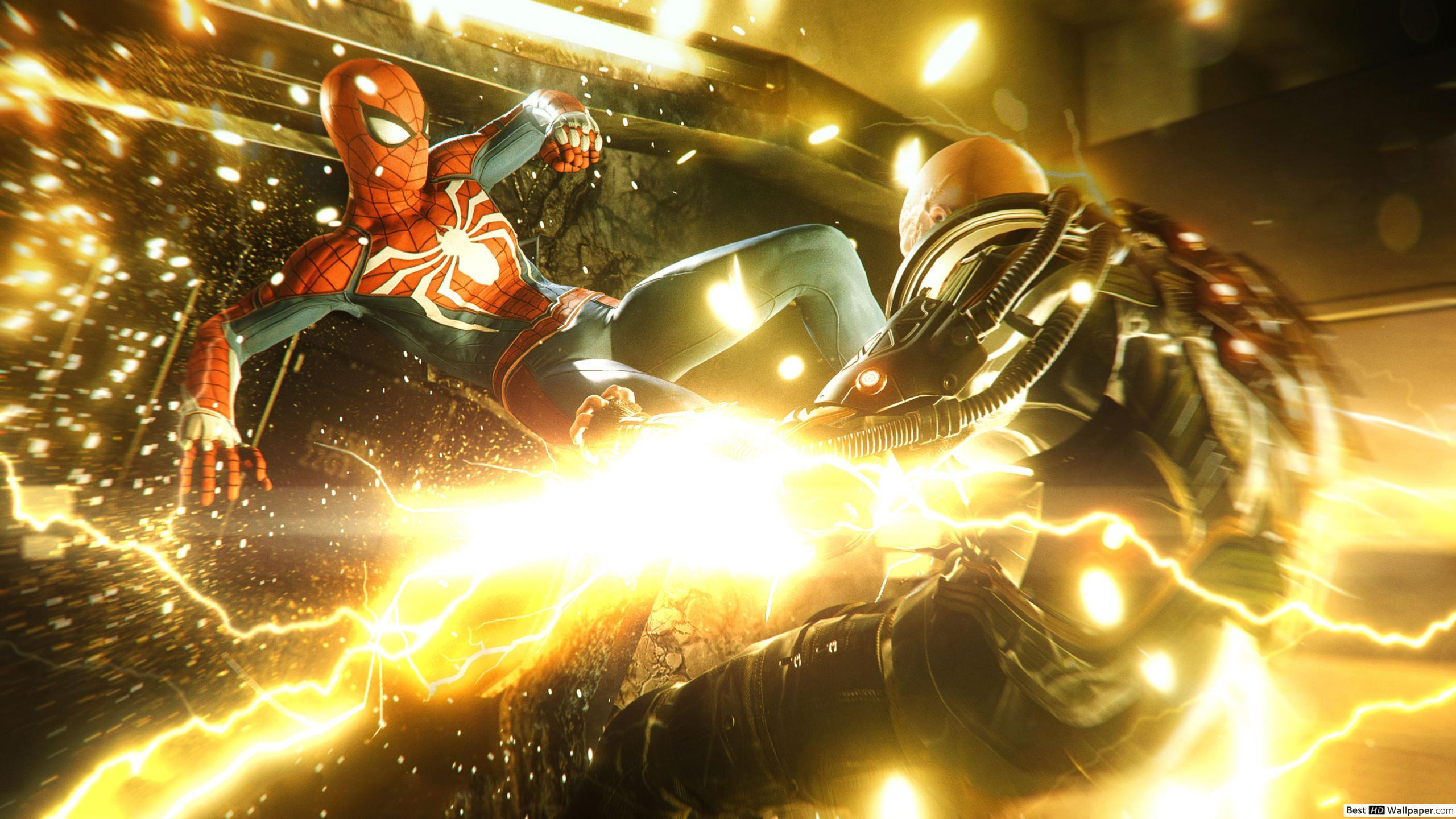
The primary defining characteristic of Max Dillon, known as Electro, in the context of the Spider-Man film franchise is his transformation from an overlooked, obsessive electrical engineer into a formidable conduit of pure bio-electricity. This character trajectory represents a critical exploration of themes regarding societal invisibility, the corrupting nature of power, and the complex duality between scientific genius and tragic villainy.
The Origin and Evolution of Max Dillon
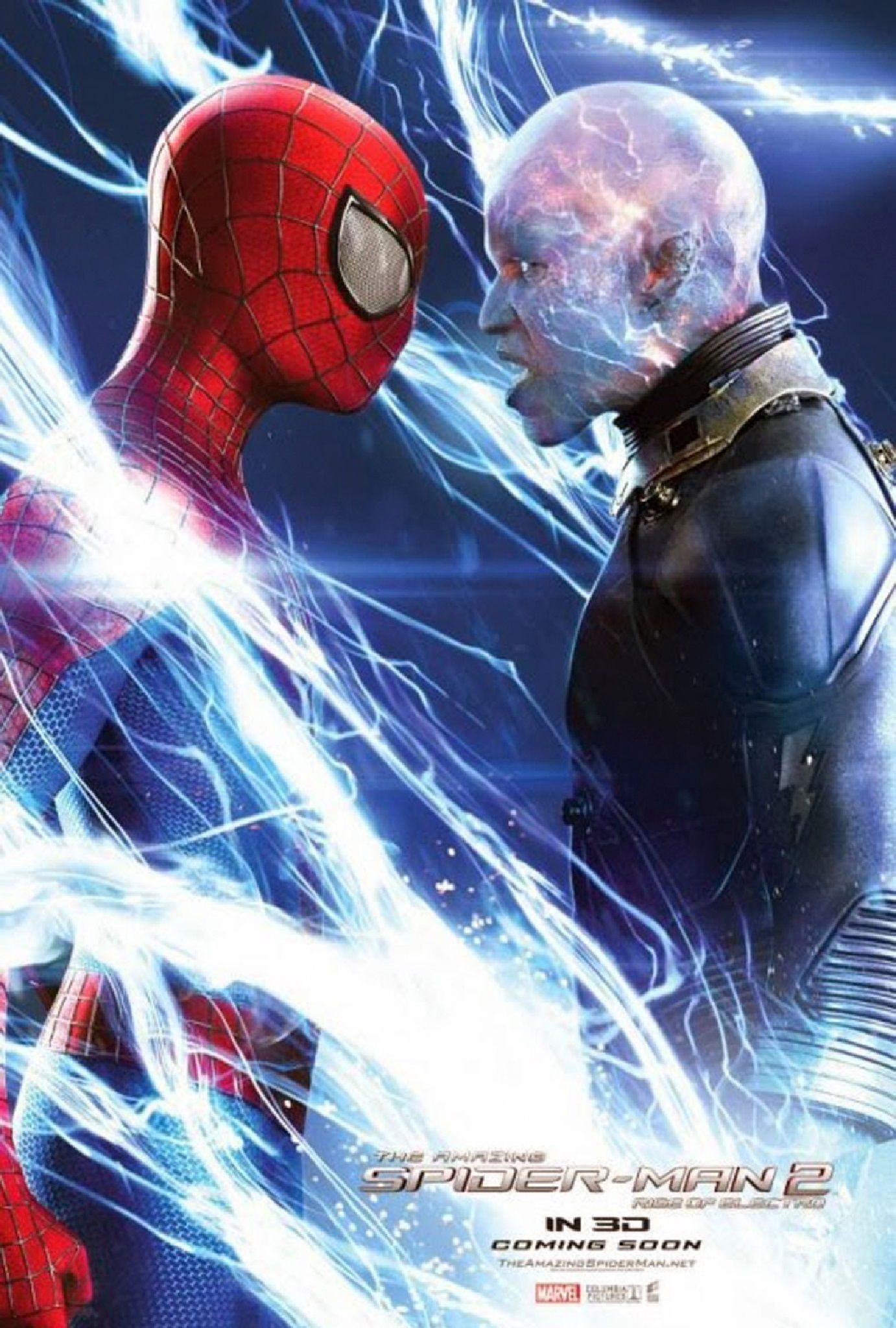
To understand the character of Electro, one must first analyze the foundation established in The Amazing Spider-Man 2 (2014) and his subsequent evolution in Spider-Man: No Way Home (2021). Max Dillon begins his arc as a profoundly lonely and undervalued employee at Oscorp. His obsession with Spider-Man is not rooted in malice initially, but rather in a desperate craving for recognition. Following a catastrophic workplace accident involving genetically modified electric eels, Dillon’s molecular structure is permanently altered, turning him into a living capacitor.
This origin story is vital because it establishes that Electro is a product of systemic neglect. When he gains his powers, he perceives the world as a place that finally notices him, yet he struggles to control the overwhelming surge of energy coursing through his veins. Unlike many other villains in the Spider-Man rogue’s gallery, Dillon’s villainy is less about a desire for world domination and more about the chaotic manifestation of a broken psyche granted god-like abilities.
Technical Anatomy of Electro’s Powers
Electro’s power set is defined by his unique interaction with electromagnetic fields. His ability to manipulate electricity is not merely a biological fluke but an extension of his expertise in electrical engineering. In the 2014 film, we see him utilizing his powers to drain power grids, effectively plunging New York City into darkness. This demonstrates a strategic understanding of city infrastructure; he knows exactly where the weak points are because he helped design them.
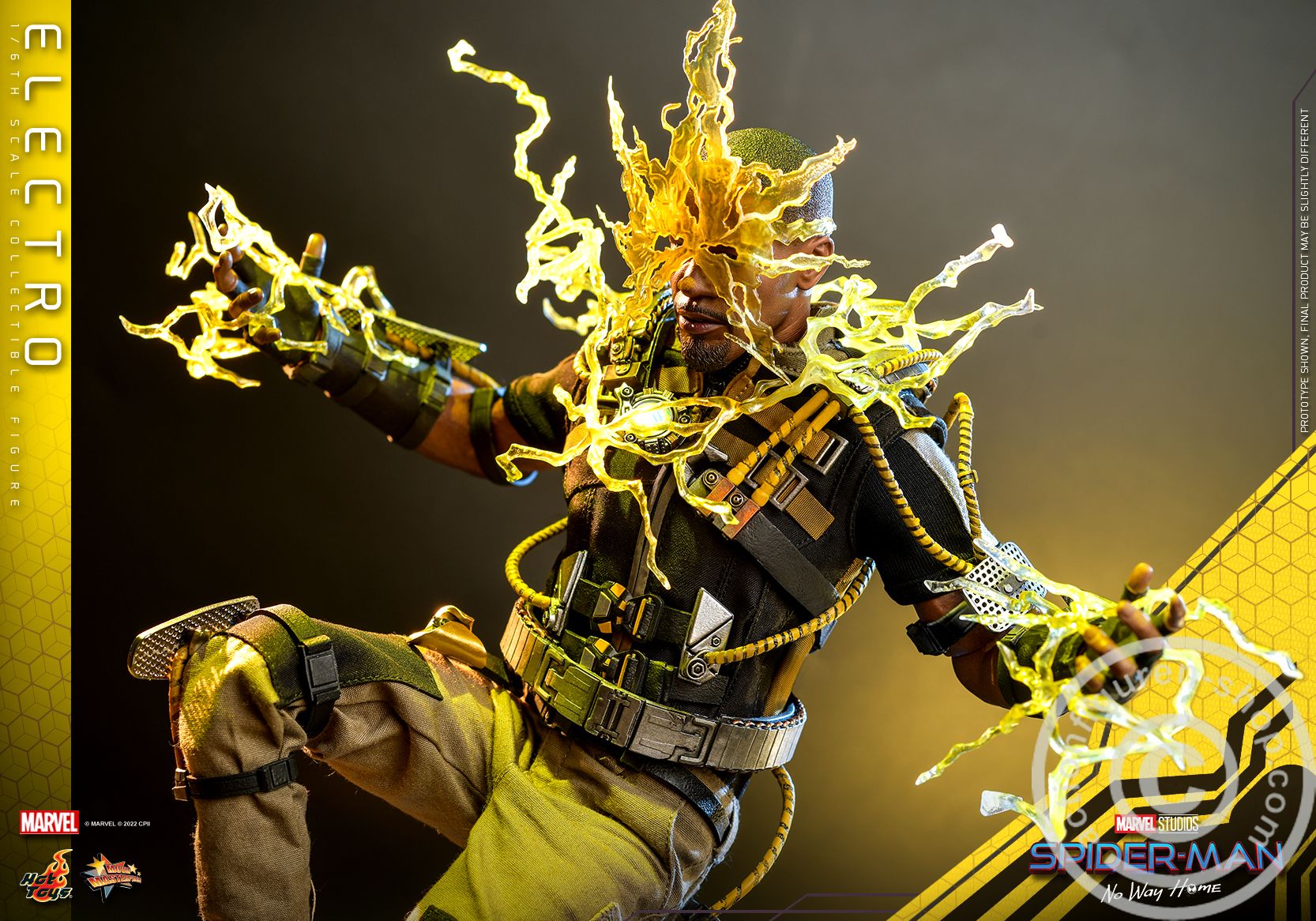
In his multiversal appearance in No Way Home, his abilities are further refined. Upon arriving in the Marvel Cinematic Universe (MCU), he acquires an Arc Reactor-based device that allows him to better control and harness his electrical output. This represents a significant technical leap for the character. By combining his innate bio-electric capabilities with Stark-level technology, he moves from a chaotic force of nature to a calculated, high-precision adversary.
The Multiversal Context and Narrative Shift
The reintroduction of Electro in 2021 was a pivotal moment for the character. By bridging the gap between the Amazing Spider-Man universe and the mainstream MCU, the writers provided a new perspective on Max Dillon. This version of the character is more self-assured and less prone to the erratic mood swings seen in his initial portrayal. He expresses a fascination with the MCU's energy-rich environment, suggesting that his hunger for power is a defining, constant trait that transcends universes.
This transition also allowed for a deeper exploration of his relationship with Peter Parker. Because he occupies a space between two different versions of Spider-Man, his dialogue often highlights the variations in how these heroes view their responsibilities. Electro views the power he possesses as an identity, whereas the Spider-Men view their powers as tools for preservation, creating a fundamental philosophical impasse that drives the conflict.
Comparative Analysis of Electro’s Portrayals
To fully appreciate the character, it is helpful to compare his capabilities and narrative roles across his appearances. The following table highlights the differences between his original introduction and his multiversal iteration.
| Feature | The Amazing Spider-Man 2 (2014) | Spider-Man: No Way Home (2021) |
|---|---|---|
| Primary Motivation | Recognition and belonging | Raw power and energy consumption |
| Technological Edge | Limited (raw biological output) | Advanced (integrated with Arc Reactor tech) |
| Visual Representation | Blue bio-electric luminescence | Yellow electrical energy manifestations |
| Relationship with Spidey | Personal, fueled by obsession | Detached, fueled by intellectual curiosity |
| Combat Style | Destructive, erratic, explosive | Precise, tactical, grid-integrated |
Societal Themes: The Cost of Invisibility
At the core of the Electro narrative is the theme of invisibility. Max Dillon is a character who spent his entire life being ignored, talked over, and discarded. His transformation into Electro is a visual metaphor for the desire to be "seen." In many ways, the bright blue, and later yellow, light he emits serves as the ultimate manifestation of his requirement for external validation.
This thematic layer is crucial for the audience to grasp because it prevents Electro from being a flat, one-dimensional villain. While his actions are objectively destructive, his underlying motivation—the desire to escape the mundane and the feeling of being "nothing"—is a sentiment that resonates with the human experience of marginalization. When he states that he "has never felt so much power" in the 2021 film, it signifies the culmination of his life-long quest for self-actualization, albeit through a lens of villainy.
Limitations and Operational Hazards
While Electro is arguably one of the most powerful threats Spider-Man has faced, he is not without vulnerabilities. His reliance on electricity makes him susceptible to grounding tactics. In both cinematic outings, Spider-Man utilizes the environment to neutralize this advantage—specifically through the use of rubber-based containment or by short-circuiting his connection to local grids.
Furthermore, his physical form is in a constant state of flux. He is effectively a sentient electrical current, which means his physical durability is limited if he is forced into a state of solid matter. This creates a specific "glass cannon" dynamic: he can output massive amounts of damage, but he struggles when forced to defend himself against localized, precise physical strikes that disrupt his electrical coherence.
The Role of Scientific Hubris
Electro’s history is inextricably linked to the unethical practices of Oscorp. His accident was not a random event but the result of reckless corporate science. This makes him a victim of the same scientific hubris that created many of Spider-Man’s other enemies, such as the Green Goblin or the Lizard.
The persistence of this theme throughout the franchise underscores a critique of corporate overreach. Oscorp’s culture of profit over safety created the environment that necessitated the birth of Electro. From a narrative standpoint, this links the villain’s anger back to the corporate entity that failed to protect him, providing a justified foundation for his initial hostility.
Practical Implications for Fans and Viewers
For those analyzing the character for narrative studies or film theory, it is essential to focus on how his visual design mirrors his emotional state. The shift from the blue, instability-focused design of 2014 to the more stable, golden-hued energy of 2021 marks a character who has come into his own. Understanding this visual language allows viewers to interpret the character’s internal growth without the need for excessive exposition.
When evaluating the character's impact on the legacy of the Spider-Man franchise, one must acknowledge that he represents the most significant physical threat in terms of pure, raw output. His presence forced the Spider-Man iterations to adapt their combat strategies, proving that brute strength alone is insufficient when facing an opponent who can exist within the very infrastructure of a city.
Frequently Asked Questions
1. Why did Electro’s appearance change between 2014 and 2021? The change in appearance represents his integration with advanced technology. In his original appearance, his look was a result of his unstable biological transformation. In No Way Home, the inclusion of Stark-tech energy storage allowed him to harness his electricity more efficiently, resulting in a more controlled, golden appearance.
2. Is Electro inherently evil, or is he a tragic character? Electro is a tragic character whose path toward villainy is driven by deep-seated psychological trauma and neglect. His actions are those of a villain, but his motivations stem from a desire to escape his former, ignored existence.
3. What is the most effective way for Spider-Man to defeat Electro? The most effective strategy involves isolating him from external electrical sources and using non-conductive materials to ground his attacks. By forcing him to maintain a physical form and preventing him from drawing on the power grid, Spider-Man can exploit his lack of durability.
4. Does Max Dillon retain his memories from the 2014 film? Yes, Max Dillon carries the memories of his initial transformation and his defeat. This continuity is central to his performance in the 2021 film, as he brings a sense of bitterness toward his past defeat to his interactions with the protagonists.
Final Consideration
Analyzing Electro requires a dual focus on his role as a technological anomaly and a psychological study. He remains a standout villain in the Spider-Man mythos because his powers, while flashy, serve to highlight the character’s fundamental desire for relevance. By examining his trajectory from an overlooked engineer to a multiversal powerhouse, one gains a comprehensive understanding of the dangers of unchecked scientific advancement and the tragic consequences of social isolation. Next time you view the films, observe how the character uses his environment to assert his presence; it is the key to understanding his entire worldview.