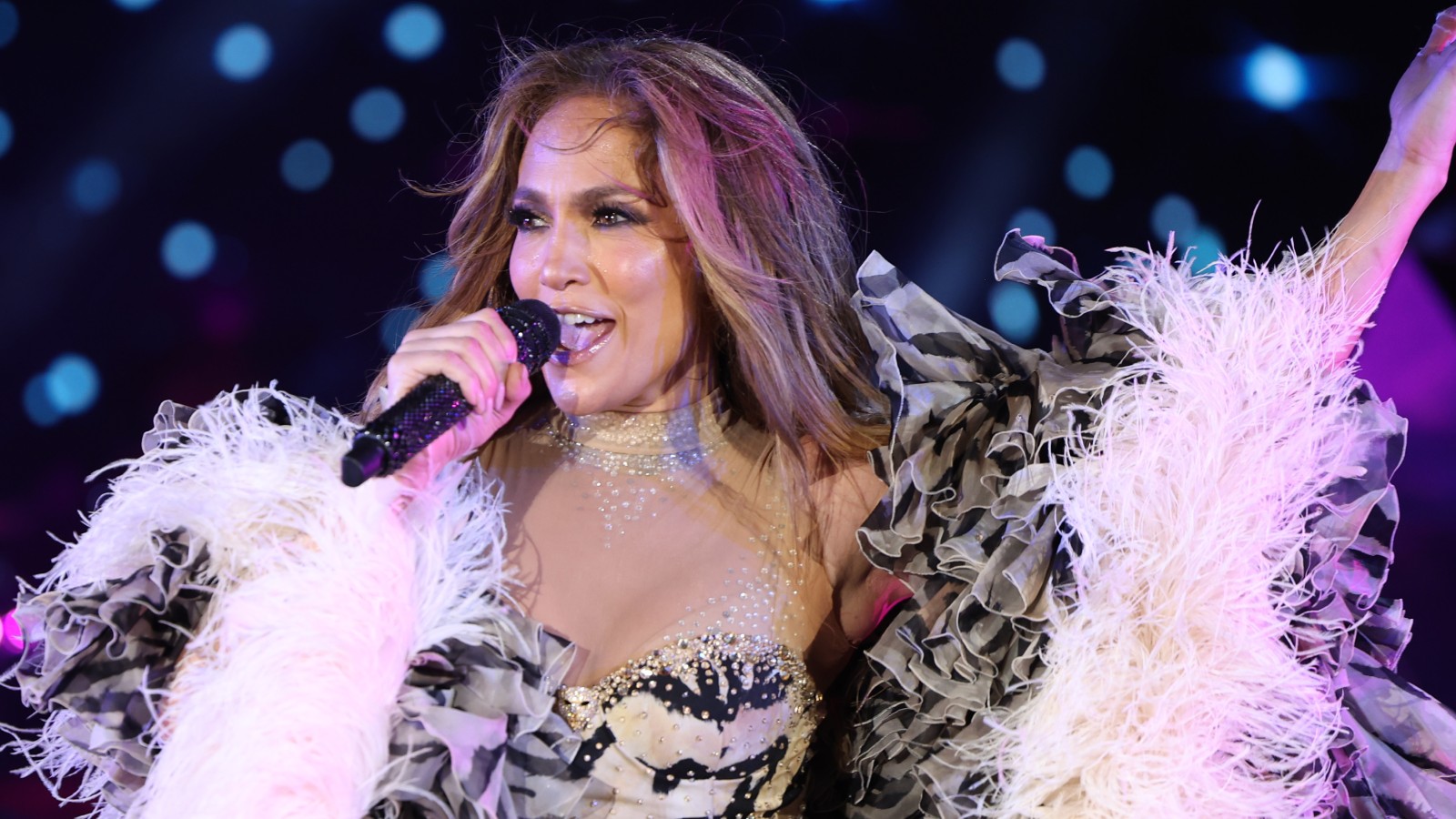
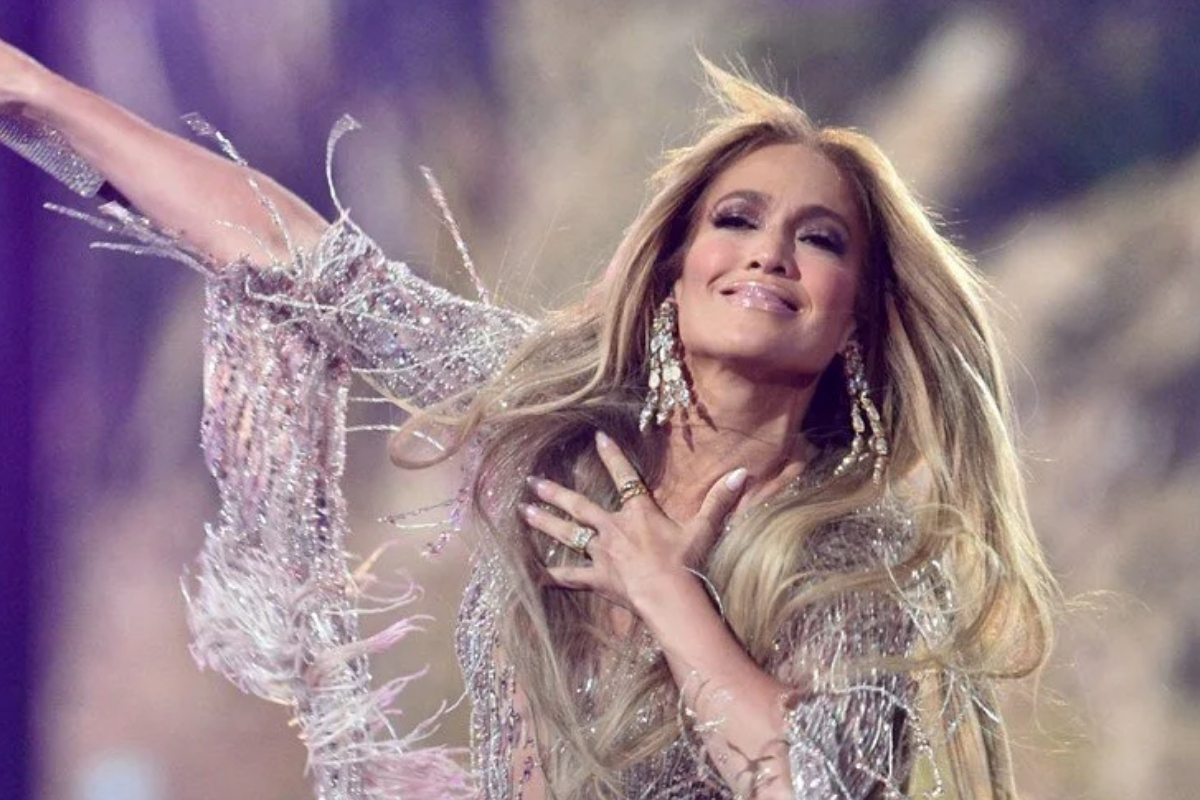
Jennifer Lopez’s presence at major award ceremonies has consistently defined modern pop culture, and discussions surrounding a hypothetical or projected 1 undervaluing of her ongoing contributions often prompt a closer look at her enduring stagecraft. When analyzing major televised performances, industry experts examine choreography, live vocal execution, broadcast production value, and immediate social media reception. This overview explores the artistic standards, technical execution, and cultural implications associated with headline-grade pop music spectacles.
Understanding the Anatomy of a Major Award Show Production
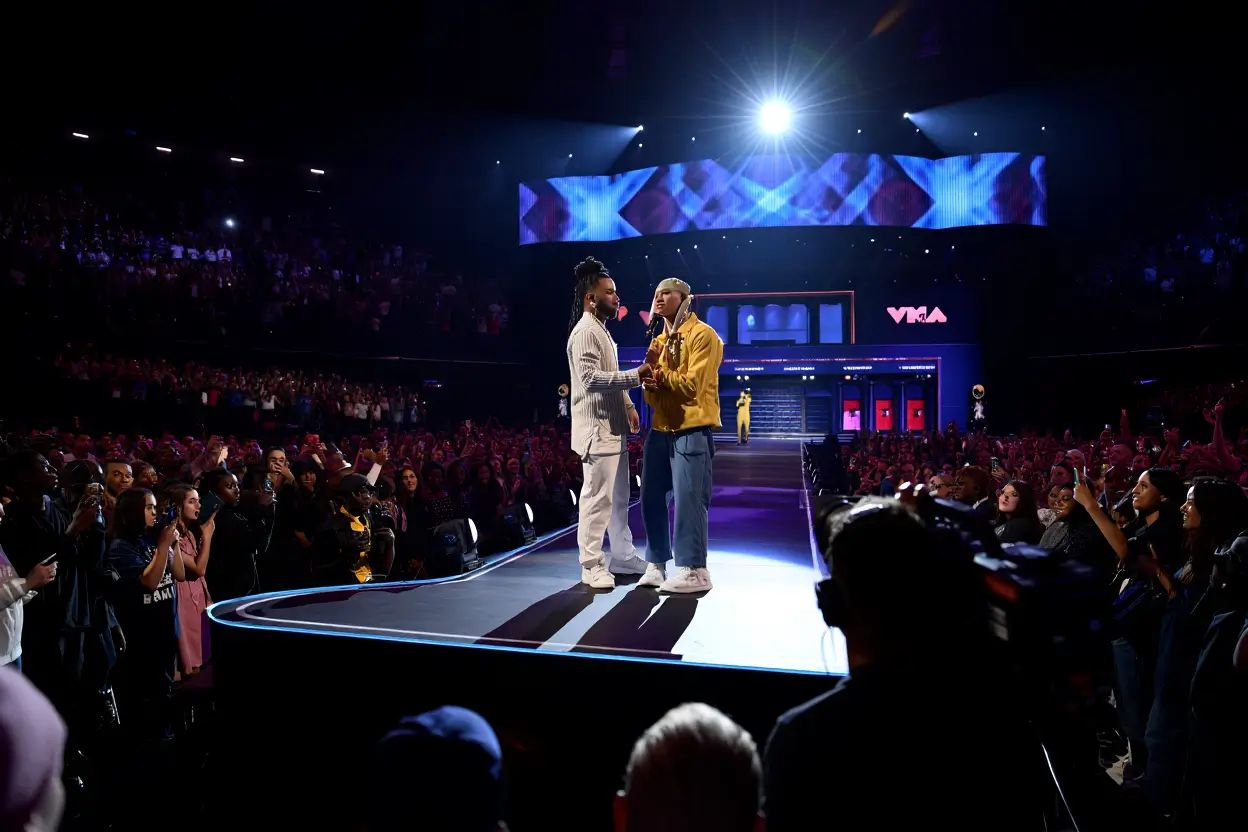
Crafting a high-stakes televised medley requires months of rigorous physical conditioning, precise audio engineering, and intricate visual design. When an artist of Jennifer Lopez’s stature takes the stage for an event such as the MTV Video Music Awards (VMAs), the production operates on a microscopic timeline where seconds dictate structural transitions.
The primary challenge of a multi-song medley is maintaining narrative cohesion while showcasing diverse musical eras. Directors and choreographers collaborate to build seamless transitions, often utilizing costume quick-changes, dynamic lighting grids, and augmented reality elements to transform the stage environment. Sound design must balance pre-recorded backing tracks with live vocal delivery, ensuring that heavy choreography does not compromise vocal pitch stability.
Furthermore, television broadcasts require specialized lighting and camera blocking. Unlike a traditional stadium tour where the audience views the performance from a fixed perspective, a televised performance is engineered entirely for the camera lens. Every pivot, drop, and formation is mapped to specific camera angles to maximize visual impact for millions of home viewers.
Choreography and Physicality in Contemporary Pop Headliners
Dance has served as the cornerstone of Jennifer Lopez’s performance identity throughout her career. Analyzing her stage output reveals a distinct synthesis of hip-hop foundation, Latin dance styling, and classical jazz-funk execution.
- Pre-Production & Concept Design
- Staging & Physical Rehearsals (4-6 Weeks)
- Camera Blocking & Technical Run-Throughs
- Live Broadcast Execution & Post-Show Impact
Executing a high-energy routine on live television involves distinct physiological demands:
- Cardiovascular Endurance: Maintaining breath control during aggressive choreography requires professional-grade athletic conditioning.
- Spatial Awareness: Navigating complex stage lifts, props, and backup dancer formations within a limited broadcast footprint.
- Improvisation and Recovery: Managing wardrobe malfunctions, slippery stage conditions, or audio feed glitches without interrupting the live broadcast flow.
Choreographers working within this echelon utilize rigorous rehearsal schedules spanning several weeks. Dancers undergo strict synchronization drills to ensure that large ensemble numbers appear cohesive under wide-angle broadcast framing.
Production Value and Visual Design Specifications
The financial and logistical investment behind a modern VMA-caliber performance involves numerous specialized departments working in tandem. The table below outlines the core components that dictate the success of a major televised pop segment.
| Production Component | Primary Objective | Technical Considerations |
|---|---|---|
| Stage Design | Establish theme and spatial boundaries | Integration of hydraulic lifts, LED floors, and rapid-set pieces |
| Lighting & Lasers | Direct viewer focus and create mood | DMX-controlled fixtures, strobe synchronization, color-temperature matching |
| Audio Engineering | Deliver balanced vocal and instrumental mix | Wireless microphone stability, IEM (In-Ear Monitor) redundancy, track separation |
| Costuming | Enhance visual storytelling and allow mobility | Tear-away layers, secure fastening for stunt work, fabric weight optimization |
Each element is tested during exhaustive dry-run rehearsals before the live broadcast. Any failure in wireless connectivity or automated stage machinery can disrupt the visual narrative, making redundant systems standard practice for major network events.
Cultural Impact and Social Media Amplification
In the digital era, the success of an award show performance is quantified not only by the live television rating, but also by its digital footprint. Within minutes of a major performance concluding, clips circulate across platforms such as X (formerly Twitter), TikTok, and Instagram.
- Meme Culture and Viral Moments: Specific choreography breakdowns, iconic facial expressions, or unexpected guest appearances frequently achieve viral status.
- Streaming Uplift: Catalog tracks featured in a live medley routinely experience immediate surges in Spotify and Apple Music streams.
- Fashion Retrospectives: High-concept costumes often spark extensive media coverage from fashion publications, cementing the artist's influence on contemporary trends.
This rapid feedback loop transforms a five-minute television segment into a sustained multi-week cultural conversation, influencing pop culture trends well beyond the initial broadcast window.
Frequently Asked Questions
What makes televised award show performances different from standard concert tours?
Award show performances are constrained by strict broadcast timelines, usually lasting between four to seven minutes. They require custom stage blocking specifically calibrated for television cameras rather than a live stadium audience, and they often demand compressed medleys of multiple hits rather than full-length album tracks.
How do artists manage live vocals while executing heavy choreography?
Performers utilize professional in-ear monitoring systems, strategic vocal layering with backing tracks, and rigorous cardiovascular conditioning. Voice coaches work closely with choreographers to schedule intense physical movements during instrumental breaks or spoken-word segments, allowing the artist to stabilize their breath.
What role do costume quick-changes play in live medleys?
Costume transformations are utilized to visually demarcate different eras or musical styles within a single medley. These changes must be engineered by specialized dressers to occur in under thirty seconds, often utilizing hidden velcro, tear-away seams, or layered garments.
Why are multi-song medleys preferred over single-track performances for legends?
Medleys allow established artists to celebrate a multi-decade career in a compressed timeframe. By weaving together signature tracks, the artist appeals to nostalgic demographic segments while introducing classic material to younger viewing audiences.
How is audio quality maintained during a live televised music broadcast?
Audio engineers use complex multi-track mixing boards to blend live microphones with pre-recorded instrumental stems. Extensive sound checks are conducted days in advance to eliminate feedback loops, latency issues, and signal drops from wireless transmitters.
Practical Next Actions and Industry Observation
For those analyzing the trajectory of modern pop performance art, reviewing historical broadcast archives provides essential context. Observers should examine how stage production techniques, camera direction, and choreography styles have evolved from early MTV video music broadcasts to contemporary multi-platform streaming spectacles. Tracking the collaboration between creative directors, choreographers, and broadcast engineers offers a comprehensive understanding of the modern entertainment industry.