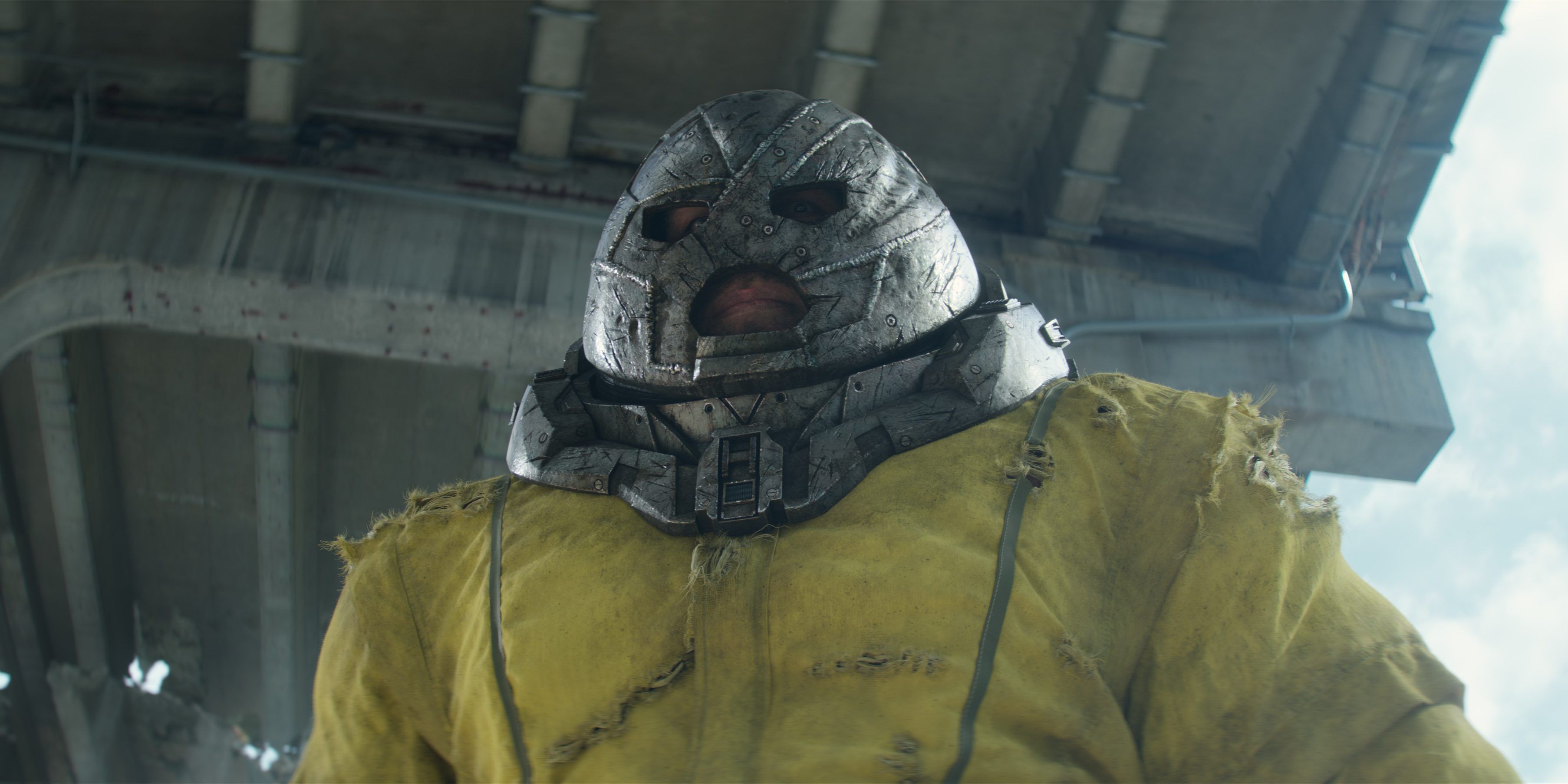
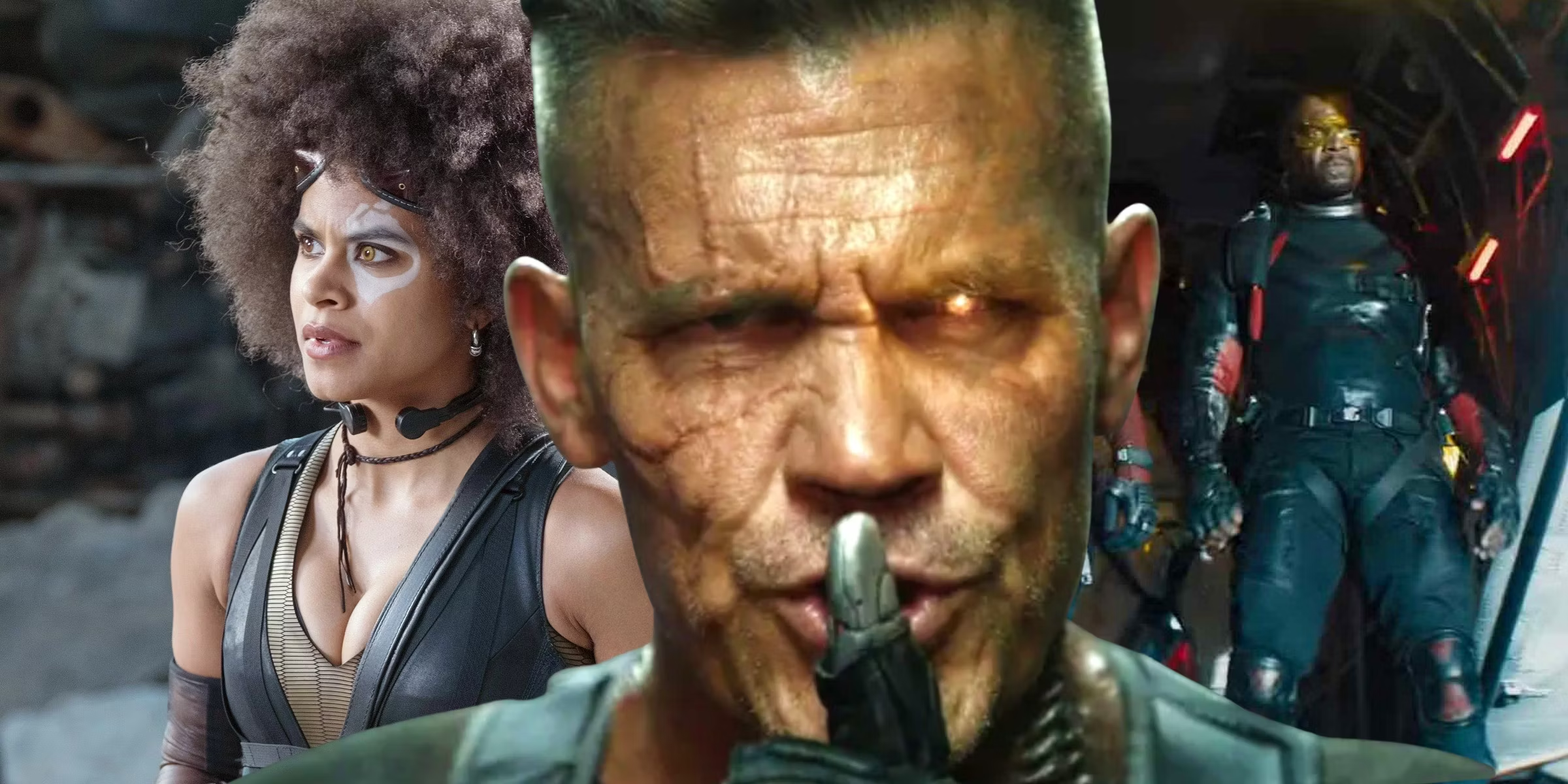
The appearance of Fred Savage in the 2018 film Once Upon a Deadpool is a deliberate meta-fictional performance where the actor plays a satirical, captive version of himself. This role serves as a narrative framing device, parodying the cult classic The Princess Bride while allowing the character of Deadpool to break the fourth wall in a uniquely scripted, high-concept environment.
Understanding the Meta-Narrative of Once Upon a Deadpool
To understand why Fred Savage appears in the Deadpool cinematic universe, one must first recognize the structure of Once Upon a Deadpool. Released as a PG-13 cut of Deadpool 2, the film frames its narrative through a framing device that mirrors the 1987 film The Princess Bride. In the original film, an elderly grandfather reads a fairy tale to his young grandson, played by a young Fred Savage.
In Once Upon a Deadpool, the roles are inverted and subverted. Ryan Reynolds, in his full Deadpool persona, kidnaps an adult Fred Savage, forces him into a bed, and insists on telling him a story. Savage portrays himself—a veteran actor grappling with the absurdity of being held hostage by a masked mercenary who expects him to react with the same childhood wonder he displayed decades earlier. This choice of casting is a calculated exercise in pop-culture shorthand, using the audience's collective memory of Savage's career to generate humor through cognitive dissonance.
The Character Fact: Is Fred Savage Playing Himself?
Yes, Fred Savage is explicitly playing a version of himself, not a fictional character written for the film’s plot. This "character fact" is the cornerstone of the movie's humor. By casting the actual Fred Savage, the filmmakers bypass the need to establish his backstory or emotional resonance. The audience already possesses the necessary context: they know who he is, they recall his association with The Princess Bride, and they understand the irony of him being forced into that specific domestic scenario as an adult.
The role functions as a meta-commentary on the Marvel Cinematic Universe’s tone and the nature of film marketing. Savage is not just a prop; he acts as the audience surrogate, voicing the skepticism and annoyance that the viewer might feel regarding the studio’s decision to re-release an R-rated movie with a toned-down, PG-13 edit. When he complains about the lack of profanity or the absurdity of the plot, he is effectively speaking for the fans who questioned the necessity of the project.
Historical Context and Parody Elements
The parody of The Princess Bride is meticulous. The production utilized a set that closely mimicked the original bedroom scenes from the 1987 film. This historical fidelity is essential to the joke. If the set were generic, the connection to the classic film would be lost, and the humor would not land with the same impact.
By 2026, the cultural impact of Once Upon a Deadpool is viewed as a prime example of high-budget meta-humor. While some critics at the time of release debated the necessity of the PG-13 re-edit, the inclusion of Fred Savage transformed the project from a simple cash-grab into a self-aware, genre-defying experience. He provides the narrative tension required to keep the framing story engaging; his continuous effort to escape or negotiate with his captor serves as the "B-plot" that connects the disparate scenes of the original Deadpool 2 film.
Production Logistics: How the Collaboration Was Formed
The recruitment of Fred Savage was a direct move by Ryan Reynolds, who had long-standing creative control over the Deadpool franchise. The concept was pitched to Savage not as a traditional acting role, but as a commitment to a comedic concept. Savage has noted in various interviews that the appeal lay in the opportunity to play with his own image and legacy.
From a production standpoint, these segments were filmed separately from the main Deadpool 2 production. This required a specific environment where the lighting and composition mimicked the soft, nostalgic aesthetic of the 1980s, contrasted sharply with the aggressive, bright red suit of Deadpool. The technical execution of these scenes required Savage to remain in a confined space for extended periods, maintaining a specific emotional pitch: exasperated, slightly terrified, yet ultimately becoming an accomplice to the absurdity of the story being told.
Impact of Meta-Humor on Modern Cinema
The use of actors playing versions of themselves—often called "meta-casting"—has become a trend, but the Fred Savage role stands out due to its specificity. Unlike films that use celebrity cameos for a quick laugh, Once Upon a Deadpool built an entire structural layer around the actor's identity.
This approach serves several functions in modern commercial cinema:
- Brand Reinforcement: It ties the current franchise to established pop culture icons, broadening the appeal across generations.
- Audience Engagement: It invites the audience to "get the joke," which fosters a sense of inclusion among viewers who recognize the reference.
- Tone Management: It allows the film to shift from the hyper-violent nature of the Deadpool brand to something lighter, essentially apologizing for the shift while making the apology part of the joke.
Comparative Analysis of Meta-Framing Techniques
| Film / Series | Meta-Technique | Purpose |
|---|---|---|
| Once Upon a Deadpool | Self-referential casting (Fred Savage) | Parodying legacy media/nostalgia |
| This Is the End | Actors playing fictionalized versions | Satirizing Hollywood culture |
| Adaptation | Meta-screenwriting | Exploring the creative process |
| JCVD | Jean-Claude Van Damme as himself | Deconstructing the action hero myth |
Frequently Asked Questions (FAQ)
1. Is the Fred Savage in the movie a villain or a victim? Fred Savage is technically a victim, serving as a captive audience for Deadpool. However, as the film progresses, he becomes a reluctant participant, engaging with the story and even offering narrative feedback to his kidnapper, blurring the line between hostage and collaborator.
2. Why was this film created in the first place? The film was created as a PG-13 version of Deadpool 2, primarily for international markets where an R-rating was not viable or to reach a wider demographic. The framing device involving Fred Savage was a creative solution to make this "cut" feel like a unique, standalone experience rather than just a censored version of the original.
3. Does Fred Savage have any superpowers in the film? No, he does not have superpowers. He is portrayed as an ordinary, albeit high-profile, actor. His "strength" throughout the movie is purely his verbal wit and his ability to hold his own in a conversation with a masked, indestructible mercenary.
4. Was the Princess Bride reference approved by the original creators? The parody was handled as fair-use satire. The creative team behind Deadpool ensured the homage was done with clear intent to honor the source material while subverting it, which is a hallmark of the Deadpool franchise's approach to intellectual property.
Final Recommendations for Viewers
If you are approaching Once Upon a Deadpool to understand the Fred Savage arc, it is recommended to watch the original Deadpool 2 first to understand the context of the story being retold. Additionally, refreshing your memory on the 1987 film The Princess Bride will significantly enhance your appreciation for the specific parodic beats and the comedic timing of the scenes involving Savage. The brilliance of this role lies in the details—pay close attention to the dialogue between the two characters, as they discuss not only the plot of the movie but the state of the film industry itself.