When an H-2A temporary agricultural worker sustains a work-related injury or illness, navigating compensation requires understanding complex intersections between federal labor standards, state-specific workers' compensation laws, and immigration regulations. Injured workers are generally entitled to medical treatment and wage replacement benefits, but securing these protections depends heavily on prompt reporting, state jurisdiction, and adherence to specific legal guidelines.
Understanding the H-2A Temporary Agricultural Worker Program
The H-2A visa program allows agricultural employers to bring foreign nationals to the United States for seasonal or temporary agricultural labor when domestic workers are unavailable. Because these workers depend on their employers for both their livelihood and their legal status in the country, suffering a workplace injury creates unique vulnerabilities.
Federal regulations overseen by the United States Department of Labor (DOL) and the United States Citizenship and Immigration Services (USCIS) establish clear baselines for employer responsibilities. However, unlike standard federal labor laws that govern all workers uniformly, H-2A workers do not have a single federal workers' compensation system administered by Washington, D.C. Instead, they must rely on the workers' compensation laws of the specific state where the injury occurred.
This reliance on state law means that the exact procedures, waiting periods, benefit calculation methods, and dispute resolution mechanisms vary significantly depending on whether the injury happens in California, Florida, Washington, or any other state hosting agricultural operations. Employers are legally mandated to maintain workers' compensation insurance coverage for all H-2A workers from the first day of employment, mirroring the requirements placed on domestic agricultural employees.
State-Level Workers' Compensation Laws and H-2A Coverage
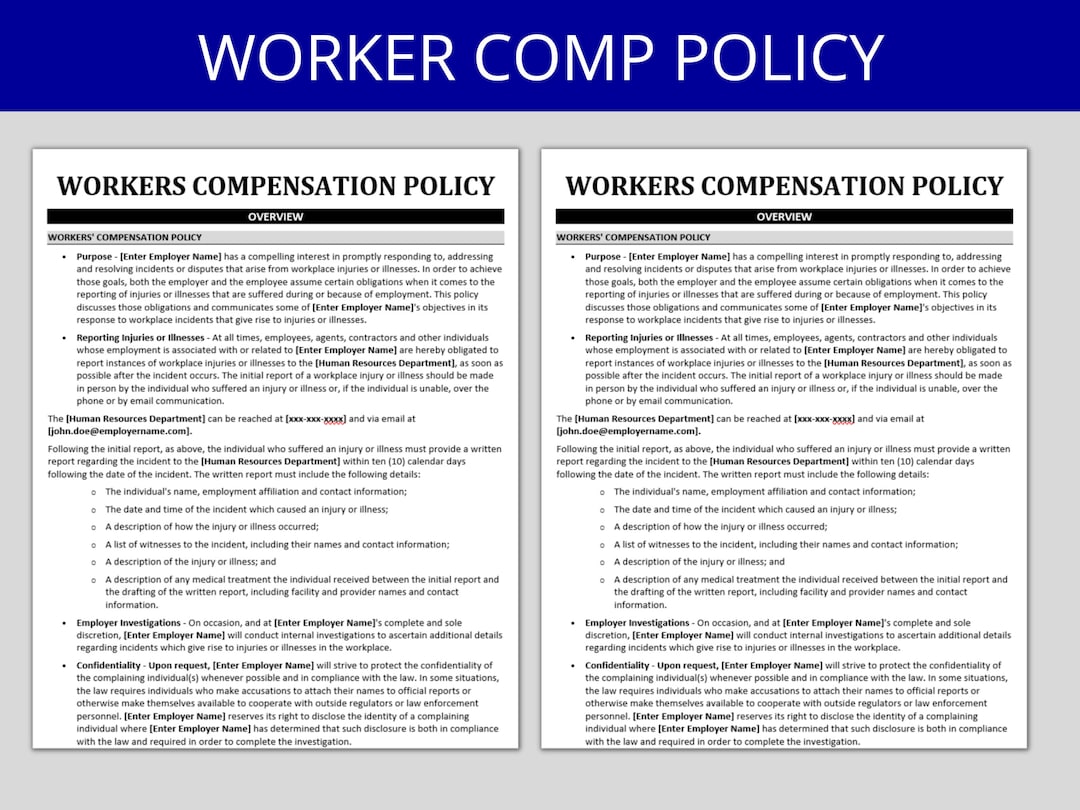
Because workers' compensation is governed at the state level, the scope of compensation available to an injured H-2A worker is dictated by local statutes. Employers must secure policies that comply with state insurance commissioner requirements. When an accident occurs, the claim is processed through the state’s industrial commission, workers' compensation board, or private insurance carrier contracted by the employer.
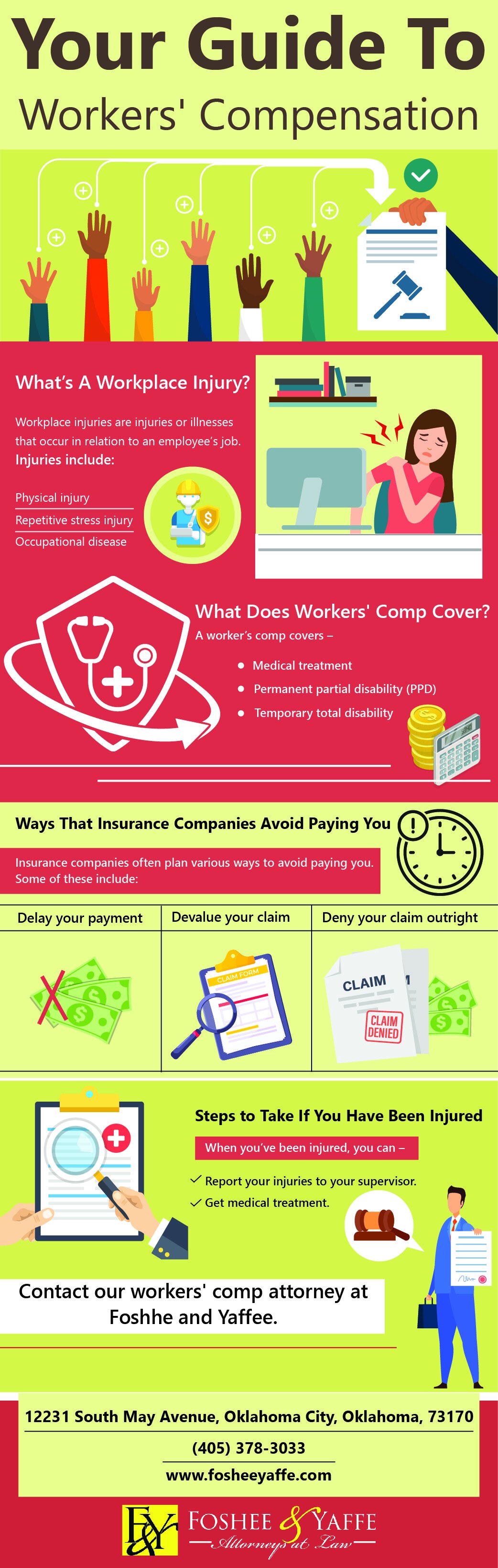
Despite state-by-state variations, core protections are generally consistent across most jurisdictions. These typically include:
- Medical Treatment Coverage: Full coverage for all reasonable and necessary medical care related to the workplace injury, including emergency room visits, surgeries, prescription medications, physical therapy, and necessary medical devices.
- Temporary Disability Benefits: Wage replacement payments for workers who are temporarily unable to perform their job duties while recovering.
- Permanent Disability Benefits: Compensation for workers who suffer long-term or permanent physical impairment resulting from their workplace accident.
- Vocational Rehabilitation: Assistance for workers who cannot return to agricultural labor due to their injuries, helping them transition to alternative employment where applicable.
- Death Benefits: Financial support provided to surviving dependents if a worker suffers a fatal injury on the job, which often includes repatriation of remains expenses as mandated by H-2A program rules.
Agricultural Exemptions and State Nuances
It is crucial to recognize that agricultural workers have historically been treated differently under state labor laws compared to industrial or office workers. In some states, agricultural employers are exempt from mandatory workers' compensation insurance unless they meet specific payroll thresholds or employ a minimum number of workers.
However, under federal H-2A program regulations enforced by the Employment and Training Administration (ETA) and the Wage and Hour Division (WHD), employers are strictly required to provide workers' compensation coverage regardless of state-level agricultural exemptions. If a state law exempts small agricultural employers from buying insurance, federal H-2A rules override this exemption by making workers' compensation coverage a mandatory contractual obligation of the job order submitted to the government. Failing to provide this coverage violates federal regulations, exposing the employer to civil money penalties, visa debarment, and liability for damages.
Immediate Steps to Take Following a Workplace Injury
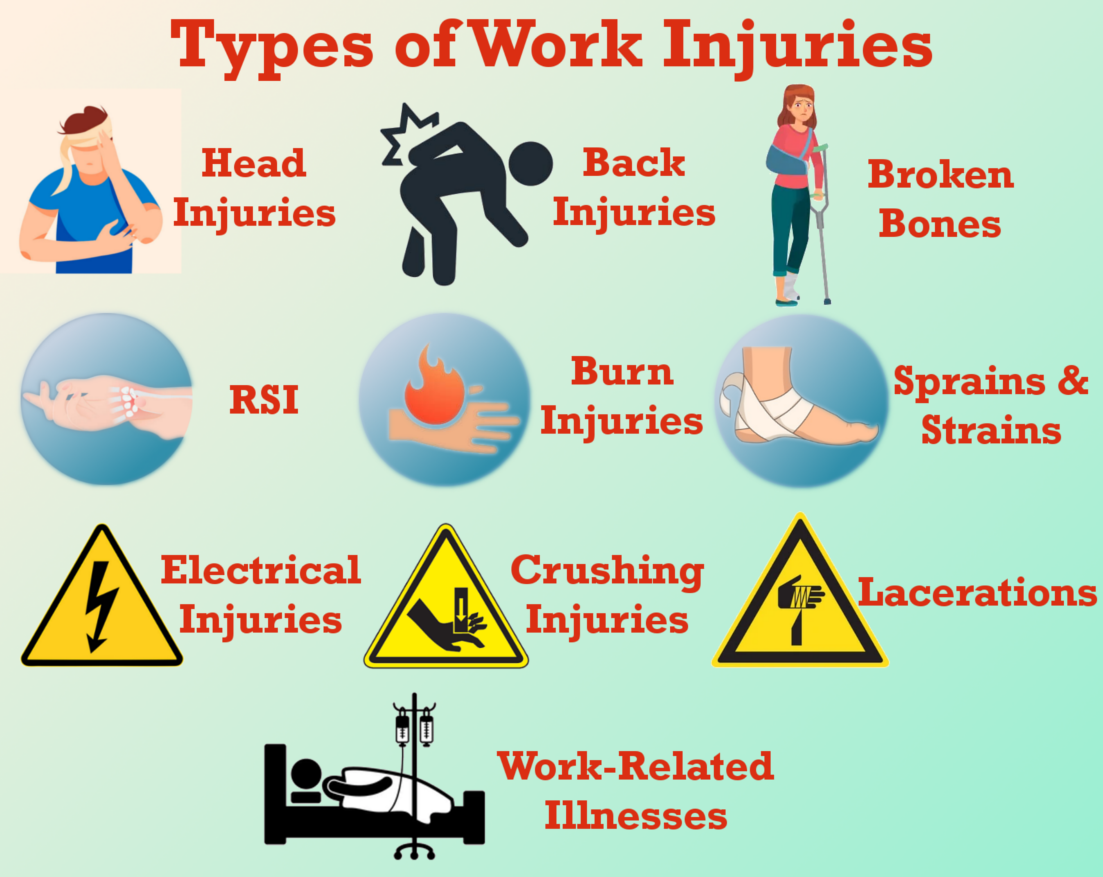
For an injured H-2A worker, taking the correct steps immediately following an incident is essential to protecting the right to compensation. Delays in reporting or seeking treatment can provide insurance carriers with grounds to dispute or deny a claim.
- Injury Occurs
- Seek Immediate Medical Attention
- Notify Employer in Writing
- File State Workers' Comp Claim
- Maintain Documentation & Follow Treatment Plan
1. Seek Immediate Medical Attention
The worker's health and safety must take priority. For emergencies, the worker should be taken to the nearest emergency room or medical facility immediately. For non-emergency injuries, employers often direct workers to designated medical providers approved by their workers' compensation insurance network. Workers should inform the treating physician clearly that the injury occurred on the job and describe how the accident happened while performing agricultural duties.
2. Report the Injury to the Employer
The worker or a representative must notify the employer, farm manager, or supervisor about the injury as soon as possible. While some states allow up to 30 days or even longer for notification, reporting the incident immediately prevents disputes regarding whether the injury actually happened at work. It is strongly recommended to submit this notice in writing, detailing the date, time, location, and nature of the accident.
3. File the Formal Claim
The employer or their insurance carrier is required to file an injury report with the state’s workers' compensation board. However, the injured worker can—and should—also file a claim directly with the state agency if the employer delays or refuses to act. Keeping copies of all medical records, accident reports, and correspondence with the insurance adjuster is vital.
Wage Replacement and Compensation Calculations
When an H-2A worker is temporarily or permanently disabled, calculating the correct compensation rate is governed by state statutory formulas. Generally, temporary total disability (TTD) benefits are calculated as a percentage of the worker's average weekly wage (AWW), typically two-thirds (66.67%) of the gross weekly earnings at the time of the injury.
Because H-2A workers are often paid on a piece-rate basis or an hourly wage that includes guaranteed minimums (such as the Adverse Effect Wage Rate, or AEWR), determining the AWW requires reviewing payroll records. Employers must include the value of housing and food if those non-cash benefits were part of the employment contract and are lost or altered due to the injury.
| Compensation Type | Description | Typical Benefit Amount |
|---|---|---|
| Medical Benefits | Full coverage for doctor visits, surgeries, and prescriptions. | 100% of approved medical costs. |
| Temporary Total Disability (TTD) | Wage replacement while recovering and unable to work at all. | Usually 66.67% of the average weekly wage, subject to state caps. |
| Temporary Partial Disability (TPD) | Wage replacement if working light duty at reduced earnings. | A percentage of the difference between pre-injury and post-injury earnings. |
| Permanent Partial Disability (PPD) | Compensation for a permanent loss of function in a body part. | Scheduled payments determined by state rating guidelines and degree of impairment. |
Job Security, Housing, and Visa Status Concerns
One of the most pressing concerns for injured H-2A workers is the fear of losing their job, being forced to vacate employer-provided housing, or facing immediate deportation. Federal rules and labor standards provide specific protections regarding these issues, though enforcement requires vigilance.
Housing Rights During Recovery
Under H-2A regulations, employers are required to provide housing at no cost to workers who are recruited from outside the local area. If a worker is injured on the job and remains unable to work, the employer generally cannot immediately evict the worker from employer-provided housing while they are recovering and receiving medical treatment authorized by workers' compensation. Abrupt evictions violate H-2A housing standards and can result in severe federal penalties for the employer.
Visa Validity and Repatriation
An H-2A worker’s legal status in the United States is tied to their petitioning employer. If an injury prevents the worker from performing agricultural labor permanently, or if the employment contract is terminated due to medical inability to work, the employer is typically responsible for the costs of returning the worker to their home country (repatriation).
However, a temporary injury does not automatically strip a worker of their visa status. As long as the workers' compensation claim is active and the worker remains under medical care within the authorized validity period of the visa, they are generally permitted to remain in the country to receive treatment. Workers should consult with legal aid organizations or specialized agricultural worker advocacy groups before agreeing to return home if their medical treatment is incomplete.
Common Obstacles and Dispute Resolution
Filing a workers' compensation claim as an H-2A worker can present distinct challenges. Language barriers, lack of transportation in rural areas, unfamiliarity with the U.S. legal system, and fear of employer retaliation frequently complicate the process.
Language Barriers and Right to Interpretation
Insurance adjusters and medical providers must communicate with injured workers in their primary language. In many states, workers have the right to a certified interpreter at all medical appointments and administrative hearings at no cost to the worker. Employers or insurers who fail to provide notices in a language the worker understands may be found in violation of due process rights.
Denied Claims and Independent Medical Examinations (IMEs)
Insurance companies occasionally deny H-2A workers' compensation claims, citing pre-existing conditions, late reporting, or allegations that the injury did not occur on the job. When a claim is disputed, the insurer may request an Independent Medical Examination (IME) by a doctor of their choosing. Injured workers have the right to challenge denials by requesting a hearing before the state workers' compensation board or industrial commission. Legal representation through farmworker legal services or private attorneys specializing in workers' compensation is often vital in these disputes.
Frequently Asked Questions
Are H-2A workers legally entitled to workers' compensation benefits?
Yes. Federal H-2A program regulations mandate that employers provide workers' compensation insurance coverage for all temporary agricultural workers under the exact same terms and conditions as domestic workers performing similar labor.
Does workers' compensation pay my full salary while I am injured?
No. Workers' compensation typically pays a wage replacement benefit, which is usually around two-thirds (66.67%) of your average weekly wage, subject to minimum and maximum limits established by state law. These benefits are generally tax-free.
Can my employer fire me or evict me from housing because I filed an injury claim?
Federal law prohibits employers from retaliating against workers for filing a workers' compensation claim or reporting a workplace safety violation. Furthermore, abruptly evicting an injured worker from employer-provided housing while they are recovering and under active medical care violates H-2A program standards.
What should I do if my employer tells me to go back to my home country after getting hurt?
You should not sign any documents or agree to immediate repatriation without speaking to an attorney or a legal aid organization specializing in agricultural worker rights. You are generally entitled to complete your necessary medical treatment for a work-related injury.
Who pays for medical care if I am injured on an H-2A farm?
The employer’s workers' compensation insurance carrier is responsible for paying 100% of all reasonable and necessary medical treatments, doctor visits, surgeries, and prescription medications directly related to your workplace injury. You should never be asked to pay out of pocket for authorized medical care.
Conclusion and Next Actions
Navigating compensation as an injured H-2A worker requires a clear understanding of state-specific workers' compensation rules and federal program protections. Injured workers should prioritize getting immediate medical care, notifying their employer in writing, and retaining all documentation related to their treatment and wages. For personalized legal guidance or assistance with contested claims, workers should contact state labor departments, legal aid services, or qualified attorneys who advocate for agricultural labor rights.