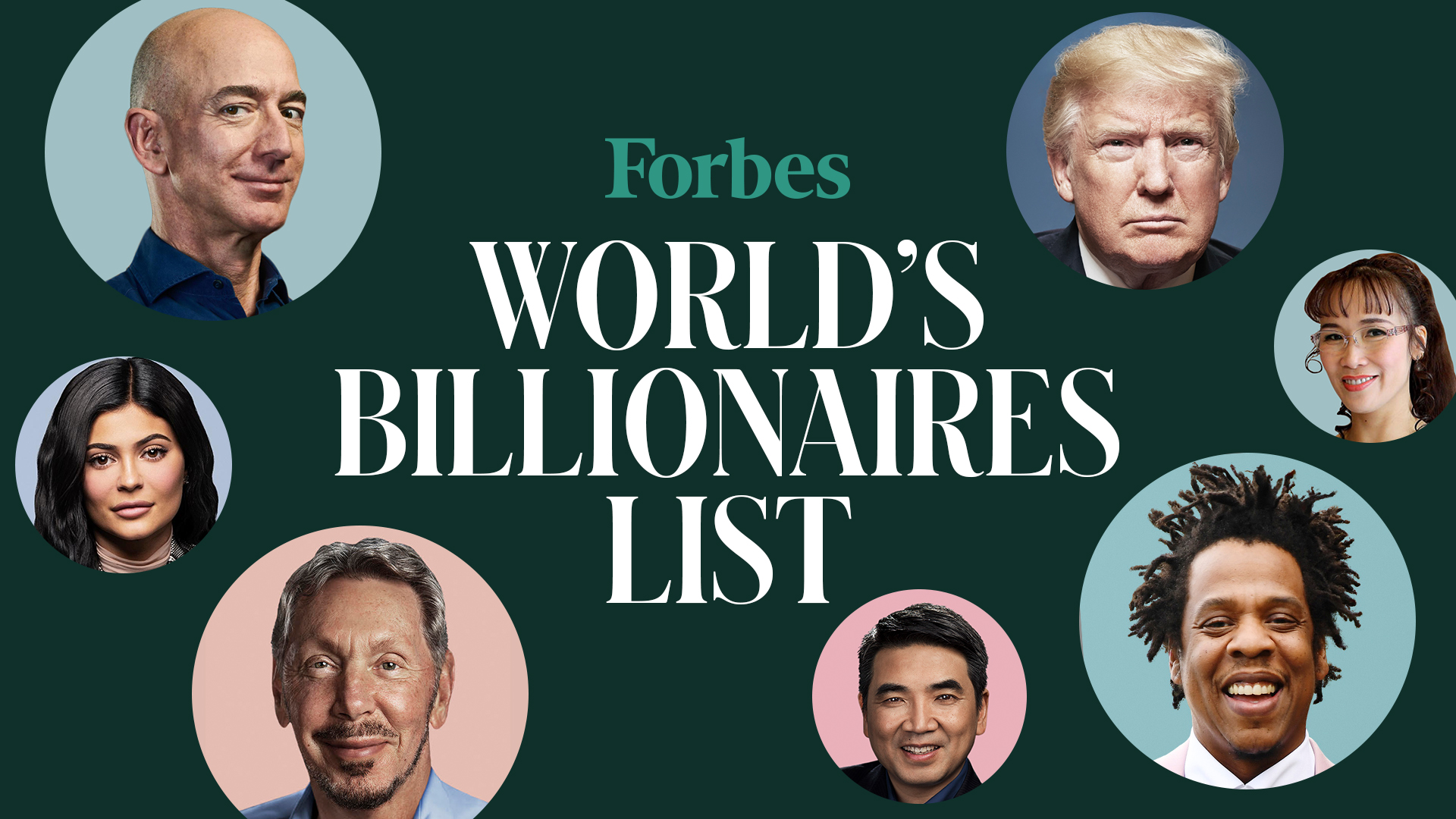
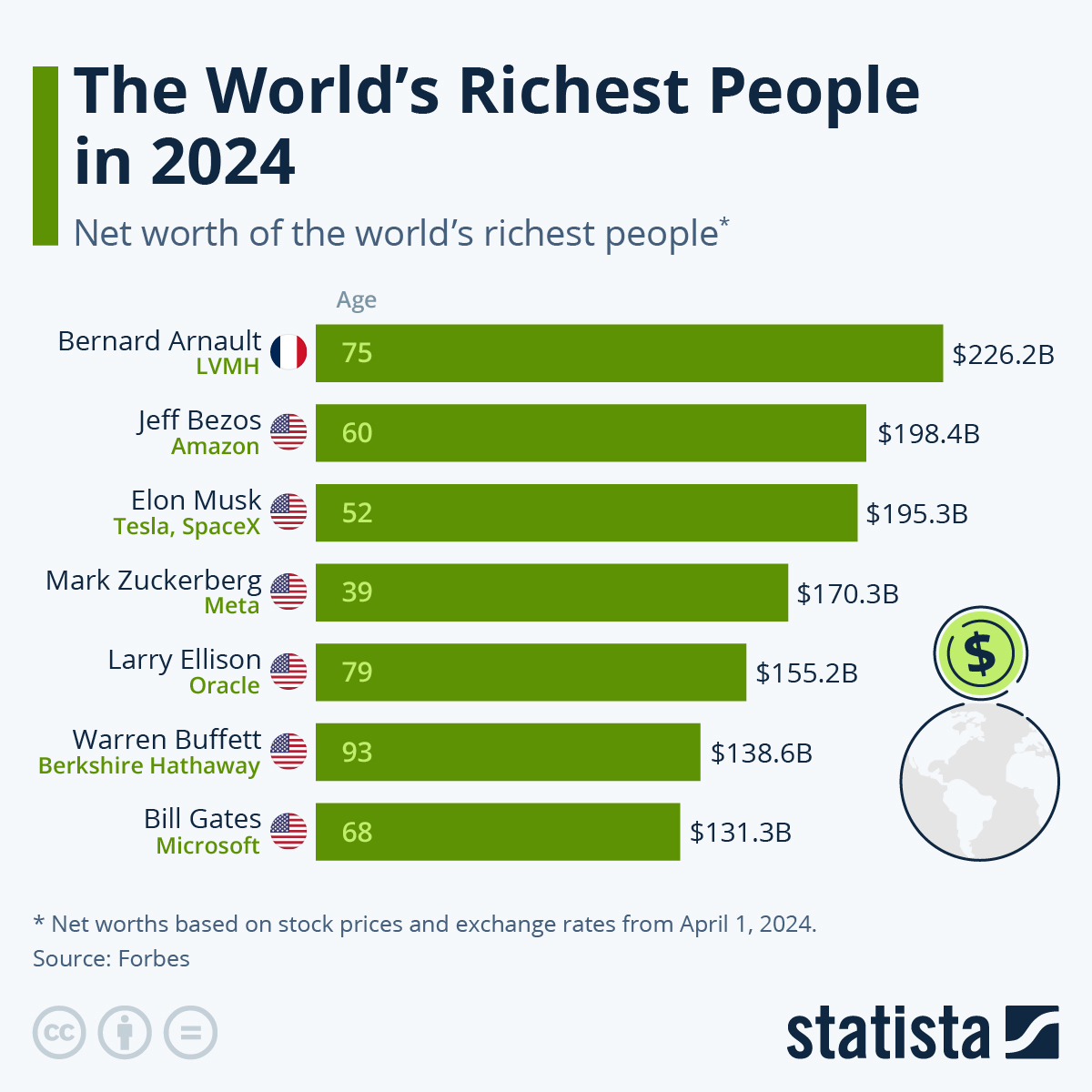
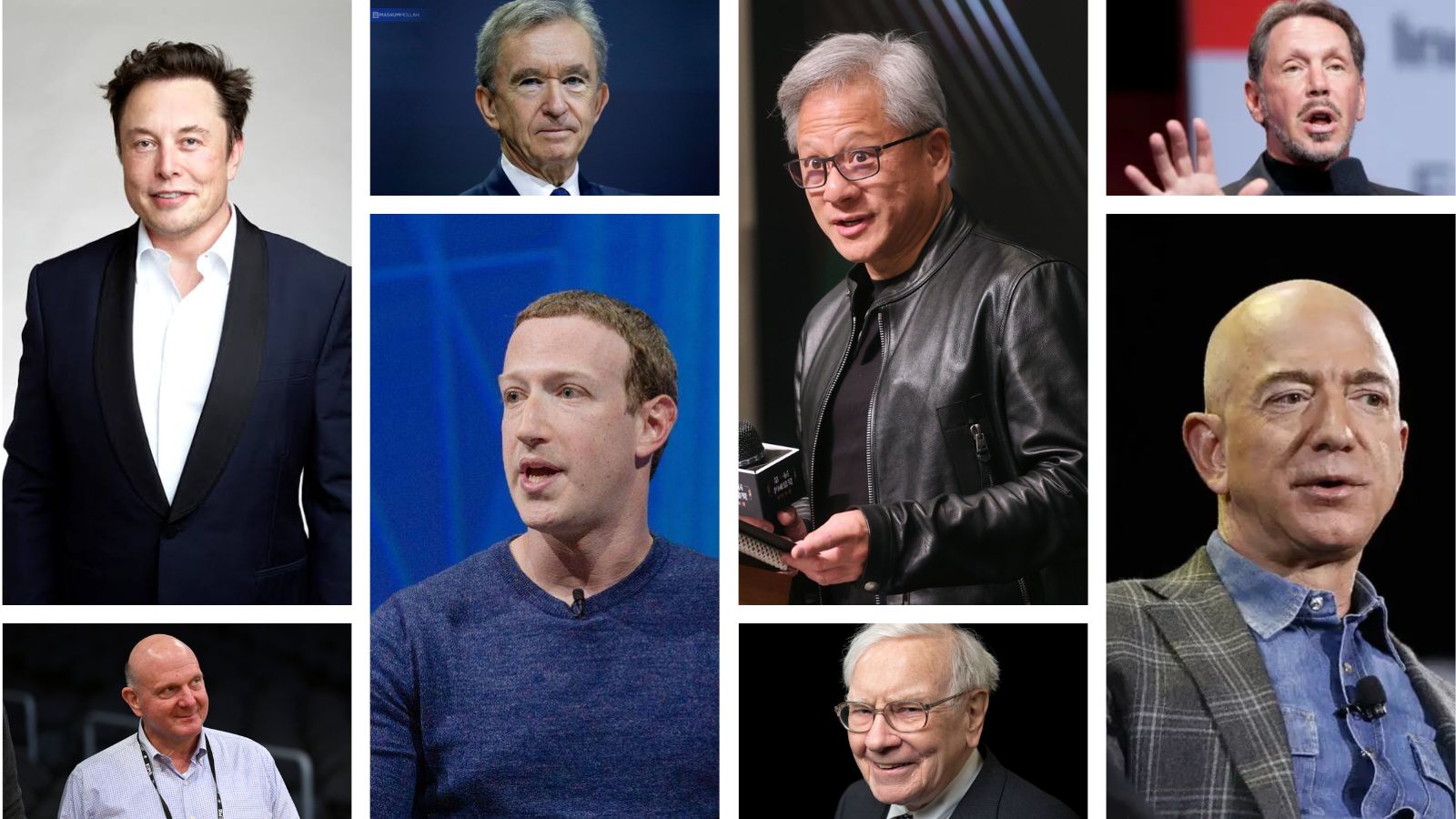
As of 2026, the breakdown of the top 50 richest people in the world reveals a significant concentration of wealth within the technology, luxury goods, and finance sectors. Dominated largely by American entrepreneurs, the list also highlights the growing influence of Indian and European industrial titans, with total collective net worths reaching record-breaking trillions of dollars.
The landscape of global wealth in 2026 is defined not just by the sheer volume of capital, but by the sectors that drive it. While the names at the pinnacle of the list—such as Elon Musk, Jeff Bezos, and Bernard Arnault—remain familiar, the underlying mechanics of their wealth have shifted. We are seeing a transition from traditional software dominance toward artificial intelligence (AI) infrastructure, sustainable energy, and high-end consumerism. This article provides a granular breakdown of the top 50 individuals who currently command the highest net worths globally, analyzing the sources of their fortunes, their geographical distribution, and the economic trends their success represents.
The Dominance of the Tech Sector
In 2026, technology remains the primary engine for massive wealth creation. More than 40% of the individuals in the top 50 owe the majority of their fortunes to the tech industry. However, the sub-sectors have evolved. While the early 2010s were defined by social media and e-commerce, the current era is defined by AI integration, cloud computing, and semi-conductors.
The AI and Semiconductor Surge
Individuals like Jensen Huang of NVIDIA have seen their net worths skyrocket due to the essential nature of GPU architecture in the 2020s. As AI transitioned from a speculative tool to the backbone of global enterprise in 2026, those providing the hardware and foundational models have solidified their positions in the top 20. This "picks and shovels" approach to the digital gold rush has created more concentrated wealth than the application layer itself.
The Evolution of SaaS and Cloud
Traditional tech giants like Larry Ellison (Oracle), Bill Gates (Microsoft), and Larry Page (Google/Alphabet) continue to maintain their status through the sheer scale of their cloud infrastructure. In 2026, cloud computing is no longer a luxury but a utility, akin to electricity. This recurring revenue model ensures that even during periods of market volatility, the net worths of these founders remain relatively insulated compared to those in more cyclical industries like manufacturing or luxury retail.
The Luxury and Retail Powerhouses
Outside of technology, the luxury goods sector represents the second-largest cluster of wealth within the top 50. Bernard Arnault, the chairman of LVMH, frequently vies for the number one spot, demonstrating that even in a digital-first economy, tangible prestige and brand heritage carry immense financial value.
The "Arnault Model" involves the consolidation of high-end brands under a single corporate umbrella, allowing for massive scaling of marketing and distribution while maintaining the exclusivity of individual houses like Louis Vuitton or Dior. This sector’s resilience is rooted in the "K-shaped" economic recovery seen over the last few years, where the ultra-wealthy consumer base has remained largely unaffected by the inflationary pressures that impacted the middle class.
Other retail giants, such as the Walton family (Walmart) and the Mars family (Mars, Inc.), represent the stability of "old money" and consumer staples. Their wealth is built on massive, efficient supply chains that provide essential goods to billions. While they may not see the 100% year-over-year growth seen in tech startups, their multi-generational wealth is a testament to the power of market dominance in the physical world.
Regional Distribution of the Top 50
Geographically, the United States continues to lead the world in the number of billionaires in the top 50. This is largely due to the depth of the U.S. capital markets and the concentration of venture capital in hubs like Silicon Valley and Austin. However, the 2026 rankings show a notable shift toward Asia and, to a lesser extent, Europe.
| Region | Number of Individuals (Top 50) | Key Sectors |
|---|---|---|
| United States | 28 | Technology, Finance, Retail |
| Asia (India/China) | 12 | Energy, Infrastructure, E-commerce |
| Europe | 8 | Luxury Goods, Fashion, Logistics |
| Other (Latin America/Middle East) | 2 | Telecom, Natural Resources |
The Rise of Indian Conglomerates
India’s presence in the top 50 has solidified through figures like Mukesh Ambani and Gautam Adani. Their wealth is distinct from the Silicon Valley model; it is built on infrastructure, telecommunications, and green energy. These conglomerates often work in tandem with national development goals, making their wealth deeply integrated into the fundamental growth of the Indian economy.
European Stability
European wealth remains centered in France, Germany, and Spain. Unlike the high-volatility tech wealth of the U.S., European billionaires often control "moat-heavy" industries like high-end fashion (Amancio Ortega of Inditex) or complex logistics and shipping (Klaus-Michael Kühne).
Profiles of the Top 10 Richest People (2026 Status)
To understand the breakdown of the top 50, one must look closely at the top 10, as they represent a disproportionate share of the total wealth.
- Elon Musk: Dominates through Tesla (EVs and Energy) and SpaceX. In 2026, SpaceX’s valuation has become a primary driver of his net worth as the Starship program begins commercial deep-space operations.
- Jeff Bezos: While no longer CEO of Amazon, his massive shareholding and the growth of Blue Origin keep him at the peak. Amazon’s logistics dominance in 2026 is unparalleled.
- Bernard Arnault: The king of luxury. His wealth is tied to the global demand for status symbols, which has seen a surge in emerging markets.
- Mark Zuckerberg: Following the successful pivot of Meta toward AI-integrated social hardware, his fortune has recovered and surpassed previous highs.
- Larry Ellison: Oracle’s transition to the preferred cloud provider for AI startups has boosted his net worth significantly.
- Warren Buffett: Representing the pinnacle of value investing through Berkshire Hathaway. His wealth is a barometer for the health of the American industrial and insurance sectors.
- Bill Gates: Though he has donated tens of billions, his diversified portfolio through Cascade Investment and his remaining Microsoft shares keep him in the top tier.
- Larry Page: Co-founder of Alphabet. The ubiquity of Google Search and the growth of YouTube’s subscription model drive his continued wealth.
- Steve Ballmer: His wealth is largely tied to Microsoft stock, which has seen sustained growth due to its leadership in enterprise AI software.
- Sergey Brin: Like Page, his fortune is a direct reflection of Alphabet’s dominance in the digital advertising and cloud sectors.
The Wealth Gap: Paper Wealth vs. Liquid Assets
A critical component of this breakdown is the distinction between "net worth" and "liquid cash." Most individuals in the top 50 are "asset rich but cash poor" relative to their total valuation. Their wealth is tied up in the shares of the companies they founded or lead.
For example, a sudden 10% drop in the NASDAQ can erase $20 billion from Elon Musk’s net worth in a single afternoon. However, this is largely a theoretical loss unless he sells shares. In 2026, many of these individuals use "portfolio lines of credit"—borrowing against their stock—to fund their lifestyles and new ventures without triggering the massive capital gains taxes associated with selling shares. This financial strategy is a hallmark of how the top 50 manage their fortunes.
Philanthropy and the "Giving Pledge"
In 2026, the influence of the Giving Pledge—a commitment by the world's wealthiest to dedicate the majority of their wealth to philanthropy—is more visible than ever. Many in the top 50, including Gates, Buffett, and Zuckerberg, have already transferred billions to charitable foundations.
However, this creates a complex breakdown of wealth. While an individual might "control" a multi-billion dollar foundation, that money is technically removed from their personal net worth. This leads to discrepancies between various "Rich Lists." Some analysts include foundation assets if the founder maintains total control, while others (like Bloomberg Billionaires Index) focus strictly on personal ownership.
Risks to the Top 50's Wealth in 2026
The retention of a spot in the top 50 is not guaranteed. Several systemic risks threaten these fortunes:
- Antitrust Legislation: Governments in the U.S. and EU are increasingly aggressive toward the "Big Tech" monopolies that fuel many of these fortunes.
- Wealth Taxes: Several jurisdictions have proposed or implemented taxes on unrealized capital gains for those with assets over $1 billion.
- Market Correction: Given the high P/E (Price-to-Earnings) ratios of AI-related stocks in 2026, a significant market correction could see many tech billionaires drop out of the top 50 entirely.
Detailed Comparison Table: The Top 15 (2026)
| Rank | Name | Primary Source | Country | Industry |
|---|---|---|---|---|
| 1 | Elon Musk | Tesla, SpaceX | USA | Technology/Space |
| 2 | Jeff Bezos | Amazon | USA | E-commerce/Tech |
| 3 | Bernard Arnault | LVMH | France | Luxury Goods |
| 4 | Mark Zuckerberg | Meta | USA | Technology |
| 5 | Larry Ellison | Oracle | USA | Technology |
| 6 | Warren Buffett | Berkshire Hathaway | USA | Finance |
| 7 | Bill Gates | Microsoft | USA | Technology |
| 8 | Larry Page | Alphabet | USA | Technology |
| 9 | Steve Ballmer | Microsoft | USA | Technology |
| 10 | Sergey Brin | Alphabet | USA | Technology |
| 11 | Mukesh Ambani | Reliance Industries | India | Energy/Telecom |
| 12 | Michael Bloomberg | Bloomberg LP | USA | Finance/Media |
| 13 | Amancio Ortega | Inditex (Zara) | Spain | Fashion Retail |
| 14 | Jensen Huang | NVIDIA | USA | Semiconductors |
| 15 | Carlos Slim | América Móvil | Mexico | Telecom |
Frequently Asked Questions
How is the net worth of the world's richest people calculated?
Net worth is calculated by totaling an individual’s documented assets—including publicly traded stocks, private companies, real estate, and art—and subtracting their known liabilities (debts). For public figures, these figures are often derived from SEC filings and other public regulatory documents. Private company valuations are estimated based on recent funding rounds or comparisons to similar public companies.
Why does the list change so frequently?
The list is highly sensitive to the stock market. Because most of the top 50 hold the bulk of their wealth in shares of a single company, a daily fluctuation in that company's stock price can move them up or down several ranks. Real-time trackers updated by major financial news outlets provide the most current snapshots.
Are there any "hidden" billionaires richer than those on the list?
Wealth rankings generally only include individuals whose wealth can be verified through public records. It is often speculated that certain heads of state, members of royal families (such as the House of Saud), or individuals with vast holdings in private offshore accounts might possess wealth exceeding those on the list, but without transparent documentation, they are excluded from official rankings.
What is the most common industry for the top 50?
Technology is the most common industry, followed by Finance and Investments, and Fashion/Retail. In 2026, the crossover between technology and other sectors (like "FinTech" or "AutoTech") has made these categories more fluid, but software and hardware remain the core drivers of the highest echelons of wealth.
How does inflation affect the rankings of the top 50?
Inflation can have a dual effect. It often inflates the nominal value of assets like real estate and stocks, making the "billionaire" threshold easier to reach. However, high inflation can lead to increased interest rates, which often depresses the stock prices of growth-oriented tech companies, potentially lowering the net worth of those at the very top.
Summary of Findings and Next Actions
The breakdown of the top 50 richest people in 2026 illustrates a world where wealth is increasingly tied to technological infrastructure and global brand equity. The dominance of the United States remains a key feature, though the rise of Indian industrial giants suggests a shift toward a more multi-polar economic landscape. For those interested in tracking these shifts, it is recommended to follow the Forbes Real-Time Billionaires List and institutional reports from the World Bank regarding wealth distribution. Observing the movements within this list provides valuable insights into which sectors of the global economy are expanding and which are facing stagnation.