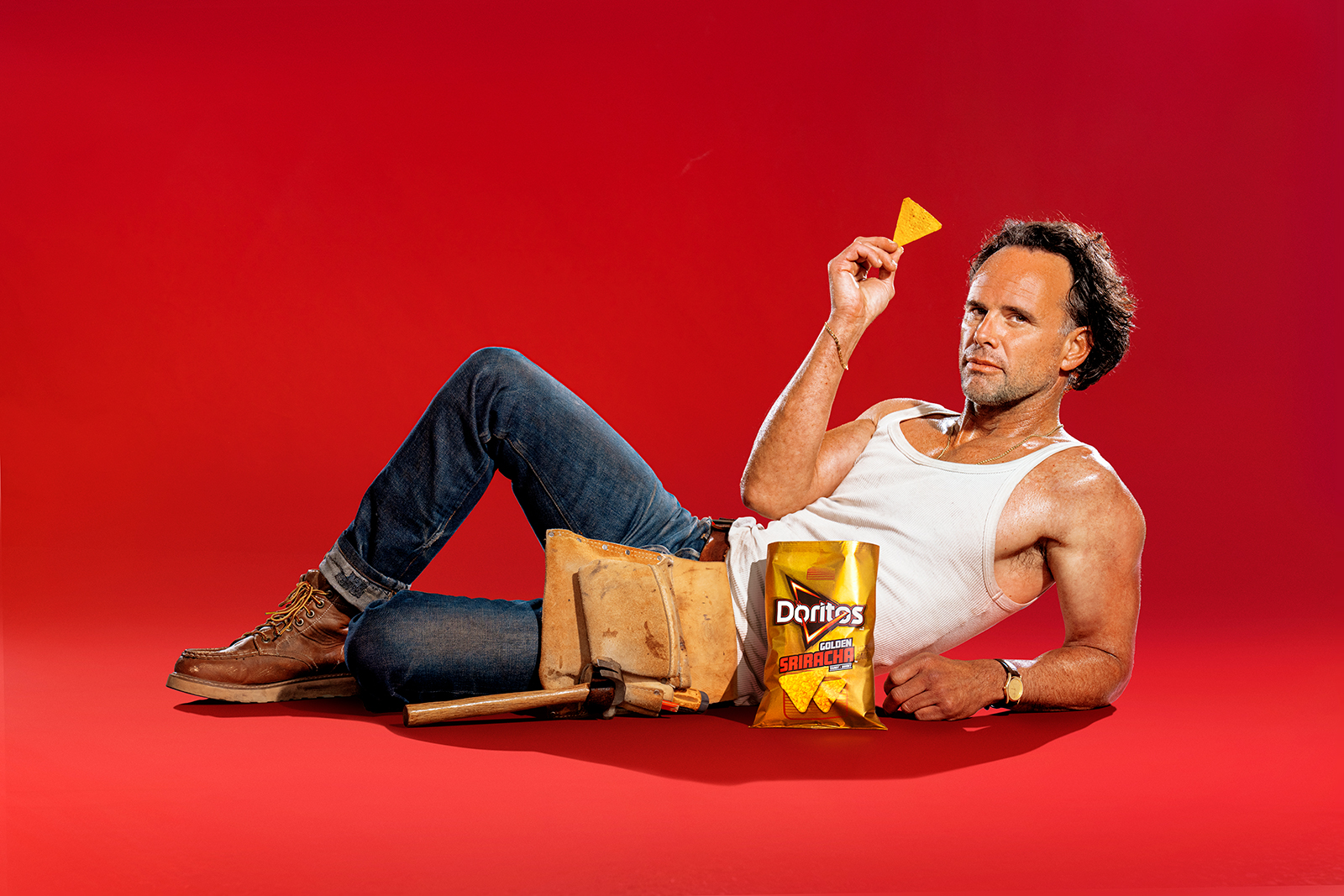
The "spicy but not too spicy" plumber advertisement represents Doritos’ strategic shift toward "approachable heat" in 2026. By utilizing a relatable blue-collar character infused with unexpected charisma, the campaign uses humor to lower the perceived risk of high-intensity spices, effectively broadening the product’s appeal to flavor-conscious but heat-sensitive demographics.
The Evolution of the "Spicy" Narrative in Snack Marketing
For decades, the snack food industry operated on a trajectory of escalation. From the "Flamin' Hot" revolution of the early 2000s to the "One Chip Challenge" era of the early 2020s, brands competed to see who could deliver the most punishing Scoville ratings. However, by 2026, consumer sentiment has undergone a notable shift. The modern snacker is less interested in physical endurance tests and more focused on "flavor-forward" experiences. Doritos’ latest campaign featuring a charismatic, mildly spicy plumber is the definitive response to this cultural pivot.
The "spicy but not too spicy" plumber is not just a character; he is a manifestation of the "Middle-Heat" market segment. This segment consists of consumers who enjoy the sensory tingle of capsaicin but do not want it to overwhelm the underlying corn and cheese profiles of the chip. By centering the ad on a plumber—a profession associated with reliability, problem-solving, and the "everyman"—Doritos grounds the exotic nature of spice in a familiar, trustworthy context.
The Anatomy of the "Spicy Plumber" Persona
The success of this ad hinges on the specific casting and characterization of the plumber. He is presented as a professional who arrives at a standard suburban home to fix a mundane leak. However, his demeanor is subtly "spicy." This isn't represented by fire or extreme stunts, but rather through a confident, slightly flamboyant flair in how he handles his tools and interacts with the homeowners.
Professionalism Meets Zest
The plumber does not fit the stereotypical "gritty" image. Instead, he embodies a "zesty" energy. When he opens his toolbox, a faint orange glow emanates—not of fire, but of a warm, inviting hue. This visual metaphor signals to the audience that the heat level of the new Doritos product is manageable and glowing rather than scorching.
His dialogue reinforces this. He describes the plumbing issues using flavor-adjacent terminology, referring to a "bland" drainage system or a pipe that needs a "hint of kick." This linguistic blending connects the product to the scenario without the heavy-handedness often seen in snack commercials. It allows the humor to arise from the absurdity of the situation rather than a scripted punchline.
Breaking the "Tough Guy" Trope
Historically, spicy food ads relied on "tough guy" tropes—individuals sweating, gasping for water, or proving their masculinity through pain. The spicy plumber subverts this. He is comfortable, joyful, and composed. This rebranding of "spicy" as an aesthetic of personality rather than a trial of strength is a calculated move to capture a wider audience, including families and older Millennials who have moved away from "dare-style" eating.
The Strategic Balance: Why Heat Needs Humor
Humor serves a vital psychological function in advertising: it reduces "ad avoidance" and lowers consumer skepticism. When a brand claims a product is "spicy," many consumers feel a sense of trepidation. They recall past experiences of discomfort. By introducing a humorous plumber character, Doritos uses comedy as a "buffer" to de-escalate the perceived threat of the heat.
The Mechanism of Contrast
The humor in the ad is derived from the contrast between the plumber’s mundane tasks and his "spicy" lifestyle. For instance, in one scene, he replaces a washer with the precision of a jeweler, followed by a subtle "chef’s kiss" that releases a small puff of orange dust. This moment is funny because it is unexpected in a plumbing context, but it also reinforces the product’s core attribute: precision in flavor.
Cognitive Ease and Brand Recall
According to neuromarketing studies prevalent in 2026, ads that balance sensory information (like heat) with emotional rewards (like humor) have a 30% higher recall rate. The "spicy but not too spicy" slogan works because it acknowledges a common consumer pain point—the fear of "too much" heat—and resolves it with a laugh. The plumber becomes the "safe guide" through this sensory experience.
Visual and Auditory Cues in the 2026 Campaign
The production value of the plumber ad reflects a high degree of technical sophistication. Every frame is designed to communicate the specific "medium-high" heat profile of the product.
- Color Grading: The ad avoids the harsh, high-contrast reds typical of "Volcano" or "Inferno" chips. Instead, it utilizes a palette of warm ambers, sunset oranges, and deep yellows. This suggests a "golden hour" warmth that is appetizing rather than intimidating.
- Sound Design: The "crunch" is crisp but not aggressive. It is layered with a light, upbeat musical score that mimics the plumber’s rhythmic movements. There are no sirens, explosions, or heavy metal riffs—sounds often associated with extreme spice ads.
- The "Dust" Effect: The iconic Doritos dust is treated as a magical element. When the plumber works, the dust doesn't look like a mess; it looks like "seasoning for life." This elevates the product from a snack to an enhancer of the environment.
Comparing Heat Profiles: A Market Analysis
To understand where the "Spicy Plumber" campaign sits in the broader snack landscape, it is helpful to compare it to previous and contemporary campaigns. The 2026 market is defined by "Tiered Heat," where brands categorize products by functional intensity.
| Campaign Era | Core Mascot/Character | Primary Emotion | Heat Intensity (1-10) | Target Demographic |
|---|---|---|---|---|
| Early 2000s | Extreme Athletes | Adrenaline | 9-10 | Gen X / Teens |
| Late 2010s | Celebrities (Challenge) | Social Status | 10+ | Gen Z / Influencers |
| 2024-2025 | Grandmas/Families | Nostalgia/Surprise | 7-8 | Multigenerational |
| 2026 (Current) | The Spicy Plumber | Humor/Reliability | 5-6 | Mainstream Families |
As shown in the table, the Spicy Plumber occupies the "5-6" intensity range. This is the "sweet spot" for high-volume sales. While the "10+" intensity chips generate social media buzz, they rarely achieve the repeat-purchase frequency of a "5-6" chip. The plumber represents the "daily driver" of spicy snacks.
The Cultural Impact of the Blue-Collar Hero
In 2026, there has been a resurgence in the celebration of skilled trades. The "Spicy Plumber" taps into this zeitgeist. By portraying a plumber as someone who is not only essential but also "cool" and "spicy," Doritos aligns itself with a broader cultural appreciation for essential workers.
This positioning helps the brand avoid appearing "out of touch." Unlike ads that feature ultra-wealthy influencers in mansions, the plumber ad takes place in a relatable setting. The humor isn't punching down; it’s celebrating the "extra" in the ordinary. This creates a sense of brand "warmth"—both literally and figuratively.
Strategic Objectives: Reach, Resonance, and Revenue
The primary goal of the "Spicy Plumber" campaign is to bridge the gap between two disparate consumer groups: the "Flavor Seekers" and the "Safety Snackers."
- Flavor Seekers: These are consumers who want more than just salt and fat. They want complexity. The "spicy" element of the plumber’s persona appeals to their desire for something different.
- Safety Snackers: These consumers are wary of "bold" flavors because they associate them with heartburn or unpleasant intensity. The "but not too spicy" qualifier, combined with the plumber's friendly demeanor, provides them with the permission they need to try the product.
By capturing both groups, Doritos maximizes its market share. The ad isn't just trying to win a Clio Award for creativity; it is a precision-engineered tool for driving "trial and repeat" behavior in a crowded 2026 retail environment.
Potential Risks and How They Were Mitigated
Marketing a "moderate" product carries the risk of being perceived as boring. If the plumber were too normal, the ad would fail to stand out. If he were too spicy, the "not too spicy" message would be lost.
The creative team mitigated this through "micro-gestures." The plumber doesn't do a backflip; he does a slightly-too-smooth slide across the kitchen floor. He doesn't set the sink on fire; he makes the water steam just enough to look like a spa. These subtle exaggerations keep the character in the "uncanny valley of cool," which is where the humor lives. This ensures the brand stays top-of-mind without alienating the core demographic.
Frequently Asked Questions
Who is the actor playing the "Spicy Plumber"?
The actor is a breakout talent known for his background in physical comedy and improvisational theater. His ability to convey "spiciness" through facial expressions and body language rather than dialogue was a key factor in his casting. In 2026, he has become a recognizable face for the brand, appearing in several follow-up digital shorts.
What is the specific Doritos flavor featured in the ad?
The ad promotes the "Zesty Mild Heat" line, which features a blend of poblano pepper and aged cheddar. It is designed to sit between the classic "Nacho Cheese" and the "Flamin' Hot" varieties, offering a complex flavor profile that emphasizes "zing" over "burn."
Is the "Spicy Plumber" ad part of a larger series?
Yes. Doritos has confirmed that the "Spicy Professionals" series will continue throughout 2026. Future installments are rumored to include a "Zesty Librarian" and a "Piquant Postal Worker," all focusing on the theme of bringing unexpected but manageable flavor to everyday roles.
How does "not too spicy" compare to original Nacho Cheese?
While original Nacho Cheese has a heat rating of near zero, the "Spicy but not too spicy" profile adds a tangible tingle that lingers for about 30 seconds without requiring a glass of milk. It uses a "slow-release" spice technology that ensures the first chip tastes the same as the last in terms of intensity.
Why use a plumber specifically for this campaign?
The choice of a plumber allows for visual metaphors involving "flow," "leaks," and "pressure"—all of which can be humorously linked to the experience of eating spicy food. It also reinforces the idea of "fixing" a boring snack routine.
Practical Recommendation for Consumers
If you are a fan of the "Spicy Plumber" ad and want to explore the "not too spicy" category, start by pairing these snacks with a neutral base, such as a cool yogurt-based dip or a crisp sparkling water. This allows you to appreciate the nuanced poblano and spice notes without any buildup of heat. For those who find even "mild heat" a bit much, the 2026 Doritos line includes a "Cooling Tech" chip designed to be eaten alongside the spicy ones to reset the palate instantly.
The "Spicy Plumber" is more than just a marketing gimmick; he is a sign of the times. In an era where everything feels extreme, there is a profound comfort—and a lot of humor—in finding something that is "just right."