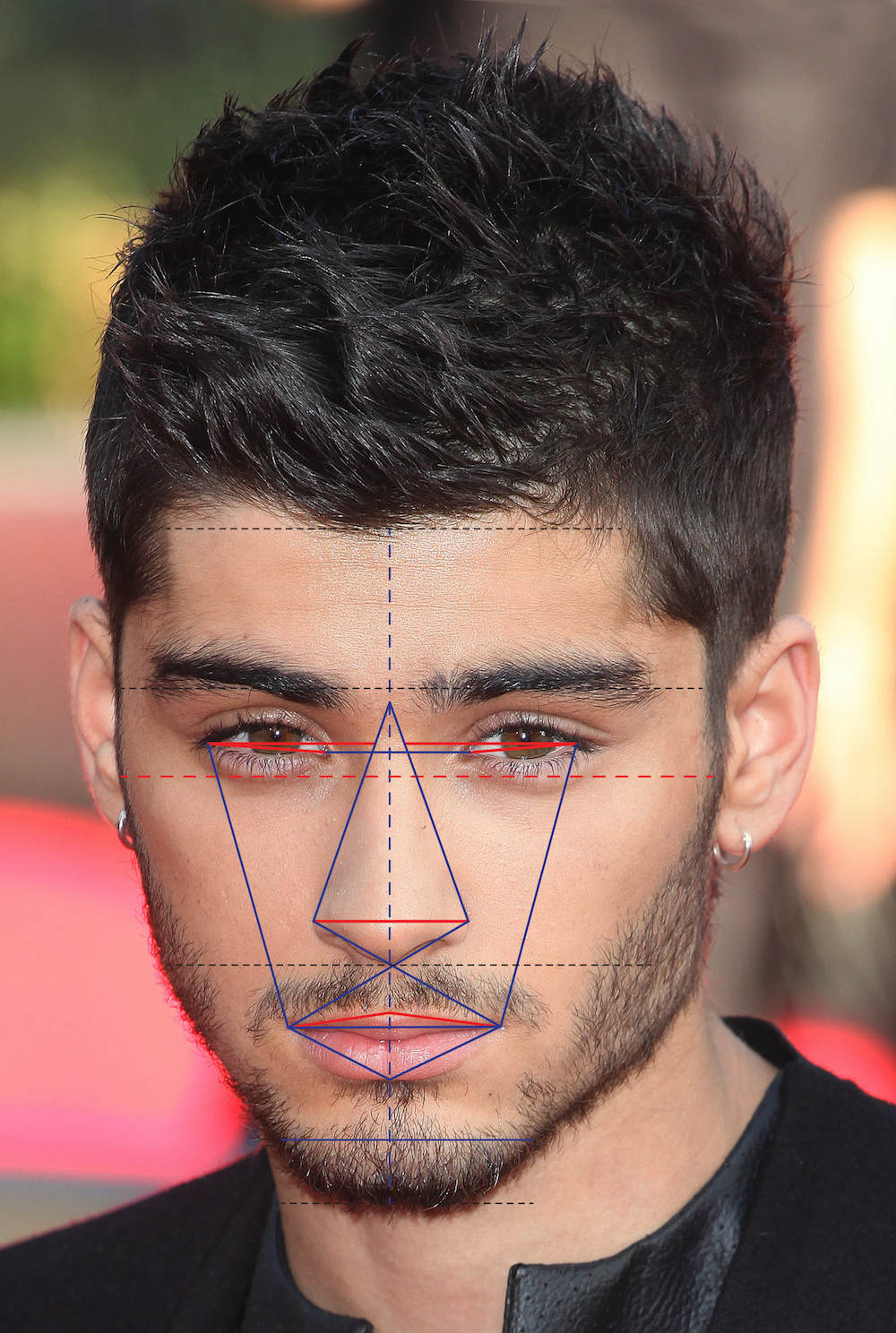
The designation of the most attractive people in the world blends biological imperatives, mathematical proportions, and evolving cultural norms. While media lists highlight global icons through celebrity polls and computer mapping of facial proportions, scientific consensus indicates that universal markers of physical attractiveness primarily rest on symmetry, facial averageness, health indicators, and dimorphic sexual traits.
Scientific Metrics of Physical Attractiveness
Understanding what renders human faces and bodies universally appealing requires examining evolutionary biology and facial geometry. Researchers and aesthetic clinicians analyze specific physiological markers that consistently correlate with high ratings of physical attractiveness across disparate cultures.
- Neoclassical Proportions & Symmetry
- Facial Averageness (Koinophilia)
- Sexual Dimorphism & Health
- Perceived Attractiveness & Appeal
Facial Symmetry and Developmental Stability
Facial symmetry refers to how closely one side of the face mirrors the other. In evolutionary biology, bilateral symmetry serves as a phenotypic signal of developmental stability. During biological development, environmental stressors, genetic mutations, and pathogens can cause minute deviations from perfect symmetry, known as fluctuating asymmetry.
A high degree of facial symmetry signals to potential mates that an individual possesses a robust immune system and genetic fitness capable of withstanding environmental pressures. Evolutionary psychologists argue that human visual processing naturally favors symmetrical traits because recognizing symmetry reduces the cognitive load required to evaluate health and reproductive viability.
Facial Averageness and Koinophilia
While individual preferences favor unique features, mathematical "averageness" remains one of the strongest predictors of facial attractiveness. In biology, koinophilia describes the hypothesis that sexual organisms seek mates with predominant, average traits rather than extreme variations, as unusual features may indicate harmful mutations.
When researchers digitally composite dozens of human faces into a single averaged image, participants consistently rate the composite image as more attractive than almost all of the individual faces used to create it. Averageness smoothes out minor blemishes, softens extreme proportions, and creates a balanced facial baseline that human brains find inherently pleasant and approachable.
The Golden Ratio of Beauty (Phi)
The Golden Ratio, represented by the Greek letter Phi ($\phi \approx 1.618$), is a mathematical ratio historically found in architecture, nature, and classical art. In facial aesthetics, practitioners apply the Golden Ratio to measure the harmony of facial features.
Aesthetic facial mapping measures key ratios, including:
- The length of the face divided by the width of the face.
- The distance from the forehead hairline to the spot between the eyes, compared to the distance from between the eyes to the bottom of the nose.
- The distance from the bottom of the nose to the bottom of the chin, compared to the width of the mouth.
- The ratio of eye width to the distance between the eyes.
Cosmetic surgeons use facial mapping software to calculate how close an individual's facial measurements align with Phi. A score closer to 100% indicates greater alignment with classical mathematical proportions.
Biological Signals: Dimorphism and Skin Health
Attractiveness is closely linked to secondary sexual characteristics driven by hormones during puberty:
- Male Sexual Dimorphism: Testicular testosterone production fosters prominent supraorbital ridges (brow bones), a broader jawline, defined cheekbones, and facial hair.
- Female Sexual Dimorphism: Ovarian estrogen production promotes full lips, smoother facial contours, higher cheekbones, and wider eyes relative to facial size.
- Skin Homogeneity and Clarity: Uniform skin pigmentation and smooth texture signal youthfulness, cardiovascular health, and a lack of parasitic infection or nutritional deficiencies.
How Global Media Ranks Attractiveness
Beyond academic laboratories, public interest in global attractiveness relies on media rankings, consumer surveys, and digital analysis. These rankings utilize distinct methodologies ranging from algorithmic measurements to subjective public votes.
Computer Mapping and Aesthetic Surgery Rankings
Facial cosmetic surgeons regularly publish studies evaluating high-profile public figures using computer-guided facial mapping based on the Golden Ratio. By placing digital keypoints on high-resolution photographs of celebrities, software measures facial proportions against the ideal Phi ratio.
These analyses regularly highlight figures from entertainment and fashion whose facial structures score between 90% and 95% alignment with Phi. Figures such as Regé-Jean Page, Jodie Comer, Bella Hadid, Robert Pattinson, and Zendaya frequently rank near the top of these facial mapping evaluations due to their precise facial symmetry, eyebrow positioning, and lip-to-nose proportions.
Public and Media Recognition Lists
Publications such as People magazine present annual features highlighting influential public figures. Rather than using pure facial geometry, these editorial lists evaluate overall appeal, broad cultural impact, personal style, and charisma.
Public media lists emphasize diversity, representation, and subjective charm over strict physical metrics. Over recent decades, these selections have shifted away from narrow Eurocentric standards toward a broader celebration of global talent across ages, ethnicities, and gender expressions.
The Independent Critics List by TC Candler
Created in 1990, the annual 100 Most Beautiful Faces and 100 Most Handsome Faces lists published by TC Candler and The Independent Critics represent a widely recognized global beauty project.
Unlike local media polls, this initiative relies on international submissions and a panel of reviewers to assemble a list representing dozens of countries. The selection criteria prioritize aesthetic grace, elegance, originality, and global resonance, regularly featuring performers from K-pop groups, international cinema, modeling, and athletics.
Cultural Variations in Global Beauty Standards
While biological factors such as symmetry and skin health maintain broad universal appeal, specific aesthetic ideals vary significantly across regions and cultures.
- Universal Fundamentals: Symmetry & Health
- East Asian Ideals
- Slim V-line jaw
- Clear complexion
- Soft features
- Western Ideals
- Tanned tone
- Athletic frame
- Defined contours
- African & South American
- Curvaceous silhouette
- Radiant skin texture
- Expressive features
- East Asian Ideals
East Asian Beauty Ideals
In countries across East Asia, such as South Korea, Japan, and China, physical beauty standards place a strong emphasis on delicate facial features and skin clarity. Key aesthetic elements include:
- V-Line Jawline: A slender, tapered lower jaw tapering to a soft chin point.
- Double Eyelids: Prominent eyelid creases that make the eyes appear larger and more open.
- Smooth, Luminous Skin: An emphasis on clear, hydrated skin with minimal pigmentation.
- Slender Frame: A preference for lean, delicate body proportions.
Western and Euro-American Standards
In North America and Western Europe, beauty standards often emphasize vitality, athleticism, and distinct facial structure:
- Defined Contours: High cheekbones, strong jaw lines, and defined facial bones.
- Warm Complexions: Tanned or sun-kissed skin tones are frequently associated with outdoor leisure and active lifestyles.
- Athletic Physique: Tone and muscle definition are highly valued for both men and women, reflecting physical fitness and active health.
African and Latin American Diversity
Across African and Latin American nations, beauty standards frequently celebrate vibrant physical presence, warm tones, and dynamic body proportions:
- Fuller Sculpted Silhouettes: A historical preference for hourglass and curvy body shapes, symbolizing vitality, health, and prosperity.
- Expressive Features: Bold, full lips, deep facial contrast, and rich skin pigmentation.
- Natural Textures: A growing global appreciation for natural hair textures, intricate protective styles, and expressive personal presentation.
Comparing Frameworks for Evaluating Global Attractiveness
Because different institutions measure beauty using distinct criteria, comparing these evaluation models highlights the contrast between scientific research and cultural media.
| Evaluation Model | Primary Focus | Methodology & Key Metrics | Primary Strengths | Inherent Limitations |
|---|---|---|---|---|
| Golden Ratio Mapping | Geometric proportion & symmetry | Computer facial mapping scoring key facial distances against Phi ($\phi \approx 1.618$) | Objective, mathematical, highly reproducible measurements | Ignores expression, charm, personality, and body motion |
| Evolutionary Psychology | Biological fitness & fertility signals | Lab studies measuring visual response to symmetry, averageness, and sexual dimorphism | Grounded in human biology, genetics, and cross-cultural testing | Overlooks short-term fashion trends and regional cultural nuances |
| Media Curation (e.g., People) | Fame, charm, and social impact | Editorial selection based on celebrity profile, cultural relevance, and style | Captures holistic appeal, personality, and contemporary cultural impact | Highly subjective, heavily influenced by public relations and fame |
| Global Critics Curation (e.g., TC Candler) | International visual aesthetic | Pan-global panel reviewing nominations from diverse entertainment industries | High ethnic diversity and broad geographic representation | Dependent on panel selection bias and online community dynamics |
Psychological Dynamics: The Halo Effect and Social Perception
Perceptions of physical attractiveness exert a profound influence on human social behavior. Understanding these psychological dynamics explains why physical appearance often shapes broader assessments of character, intelligence, and social competence.
The "What is Beautiful is Good" Stereotype
Psychological research continuously documents the Halo Effect, a cognitive bias where an individual's positive physical traits spill over into judgments of their overall character. First formally categorized by psychologist Edward Thorndike and later expanded by Dion, Berscheid, and Walster (1972), the "what is beautiful is good" stereotype demonstrates that society routinely attributes desirable personality traits to physically attractive people.
Experimentation shows that individuals rated as highly attractive are frequently assumed to be:
- More socially skilled, confident, and extroverted.
- More competent, intelligent, and trustworthy in professional settings.
- Possessing greater emotional stability and leadership potential.
Conversely, the Horn Effect operates in reverse: individuals who deviate significantly from societal beauty norms may face subconscious negative biases regarding their competence or character.
Social and Economic Consequences
The real-world impacts of perceived attractiveness are observable across multiple domain areas:
- Perceived Attractiveness
- Workplace & Income
- Hiring advantage
- "Beauty Premium"
- Legal & Judicial
- Lighter sentencing
- Higher empathy
- Social & Personal
- Broader networks
- Greater initial trust
- Workplace & Income
- Workplace Outcomes: Labor economists have identified a consistent "beauty premium" in employment settings. On average, individuals rated as highly attractive receive higher initial salary offers, obtain faster promotions, and secure better client-facing roles compared to average-rated peers.
- Judicial Settings: Studies in legal psychology indicate that defendants perceived as attractive frequently receive lighter sentences or smaller fines for non-violent offenses, as jurors subconsciously attribute greater remorse or lesser malice to them.
- Social Interactions: Attractive individuals often experience larger initial social networks and higher rates of approachability in casual environments, reinforcing self-confidence over time through positive social feedback loops.
Non-Facial Attributes That Shape Attractiveness
While facial structure and symmetry dominate discussions of physical appearance, overall human attractiveness relies heavily on non-facial physical signals, vocal characteristics, and interpersonal behaviors.
- Holistic Human Attractiveness
- Vocal & Acoustic
- Pitch modulation
- Resonance & cadence
- Clear articulation
- Postural & Dynamic
- Open stance
- Fluid movement
- Confident gait
- Behavioral & Dynamic
- Empathy & warmth
- Wit & humor
- Active listening
- Vocal & Acoustic
Vocal Resonance and Acoustic Signals
Vocal qualities serve as a powerful primary cue for physical attractiveness. Acoustic analysis demonstrates that voice pitch, timber, and cadence convey critical biological and emotional information:
- Deep Male Pitch: Men with lower, resonant vocal pitches are often perceived as more dominant, physically robust, and attractive, as deep pitch correlates with higher testosterone exposure during vocal cord development.
- Vocal Breathiness and Pitch Modulation: Women with slightly higher, warm, or breathy vocal tones are frequently perceived as youthful and approachable.
- Articulate Speech: Regardless of gender, clear vocal articulation, steady rhythm, and an expressive, modulated tone signal intelligence, confidence, and emotional balance.
Posture, Movement, and Body Language
Physical appeal is dynamic rather than static. How an individual moves and carries their body strongly influences how their overall appearance is perceived:
- Postural Openness: Standing or sitting with an open stance—arms uncrossed, shoulders relaxed back, chest upright—signals high self-assurance and low social stress.
- Gait and Kinesics: A confident, balanced walking gait conveys physical energy, motor coordination, and poise. Research indicates that dynamic body movements can elevate an individual's perceived attractiveness beyond their static facial scores.
- Eye Contact and Expressiveness: Direct, natural eye contact paired with genuine micro-expressions (such as a Duchenne smile, which engages the muscles around the eyes) builds instant rapport and increases perceived warmth.
Interpersonal Warmth and Humor
Psychological research confirms that behavioral traits directly alter physical perception over time. In classic social studies, when participants learned that a person possessed positive character traits—such as honesty, kindness, and a sharp sense of humor—they subsequently rated that person's physical photographs as more attractive than they did prior to receiving the character information.
Key behavioral multipliers include:
- Humor and Wit: A well-timed sense of humor signals high cognitive flexibility, intelligence, and social awareness.
- Empathy and Active Listening: Demonstrating genuine interest in others makes an individual far more desirable as a long-term partner or companion.
- Authenticity: Natural, unforced behavior lowers defensive social barriers, making an individual appear far more magnetic than someone adhering to rigid, manufactured poses.
Frequently Asked Questions
What is the Golden Ratio of Beauty and how is it calculated?
The Golden Ratio of Beauty Phi ($\phi \approx 1.618$) is a mathematical proportion used to evaluate facial harmony. Cosmetic specialists measure key distances on the face—such as the ratio of face length to face width, or the distance between the eyes relative to eye width—and compare them against the Phi ratio to generate a percentage score indicating mathematical symmetry and balance.
Who is scientifically considered the most attractive person in the world?
Science does not designate a single definitive person as universally the most attractive. However, digital facial mapping studies conducted by cosmetic research centers frequently identify public figures whose faces align closely (above 90%) with the Golden Ratio. High-scoring individuals in these mapping studies include Regé-Jean Page, Jodie Comer, Bella Hadid, and Robert Pattinson.
Why do beauty standards vary across different cultures?
While fundamental cues like facial symmetry and skin health remain universally appealing because they signal genetic fitness, specific feature preferences vary based on cultural history, climate, media exposure, and local social values. For instance, preferences for specific body types, skin tones, or facial shapes often reflect regional history, lifestyle norms, and cultural traditions.
Does facial symmetry guarantee high physical attractiveness?
Facial symmetry is a strong component of physical appeal, but it does not guarantee high attractiveness on its own. Facial averageness, skin clarity, secondary sexual characteristics (like jawline or cheekbone definition), dynamic facial expressions, voice, and personal grooming play equally vital roles in determining overall appeal.
How does the Halo Effect influence perceptions of attractive people?
The Halo Effect is a cognitive bias in which a person's physical attractiveness leads observers to unconsciously attribute positive character traits to them, such as higher intelligence, social competence, trustworthiness, and professional skill, even without objective evidence supporting those assumptions.
Key Takeaways and Practical Recommendations
Understanding the mechanics of attractiveness shifts the focus away from rigid aesthetic standard pursuit toward optimizing healthy biological signals, posture, and self-presentation.
- Prioritize Skin Health and Vitality: Clear, hydrated skin acts as an immediate biological signal of health. Consistent skincare, proper hydration, balanced nutrition, and adequate sleep have a far greater impact on daily facial appeal than structural tweaks.
- Optimize Posture and Non-Verbal Signals: Stand tall with shoulders back and an open torso. Body movement, steady eye contact, and an approachable stance significantly boost perceived confidence and overall physical appeal.
- Refine Vocal Pitch and Expression: Speak clearly with steady cadence and vocal modulation. A warm, expressive vocal delivery enhances personal magnetism in professional and social interactions.
- Emphasize Character and Authenticity: Emotional intelligence, a genuine sense of humor, active listening, and warmth alter how others visually perceive physical features over time, building lasting social appeal that transcends pure facial geometry.