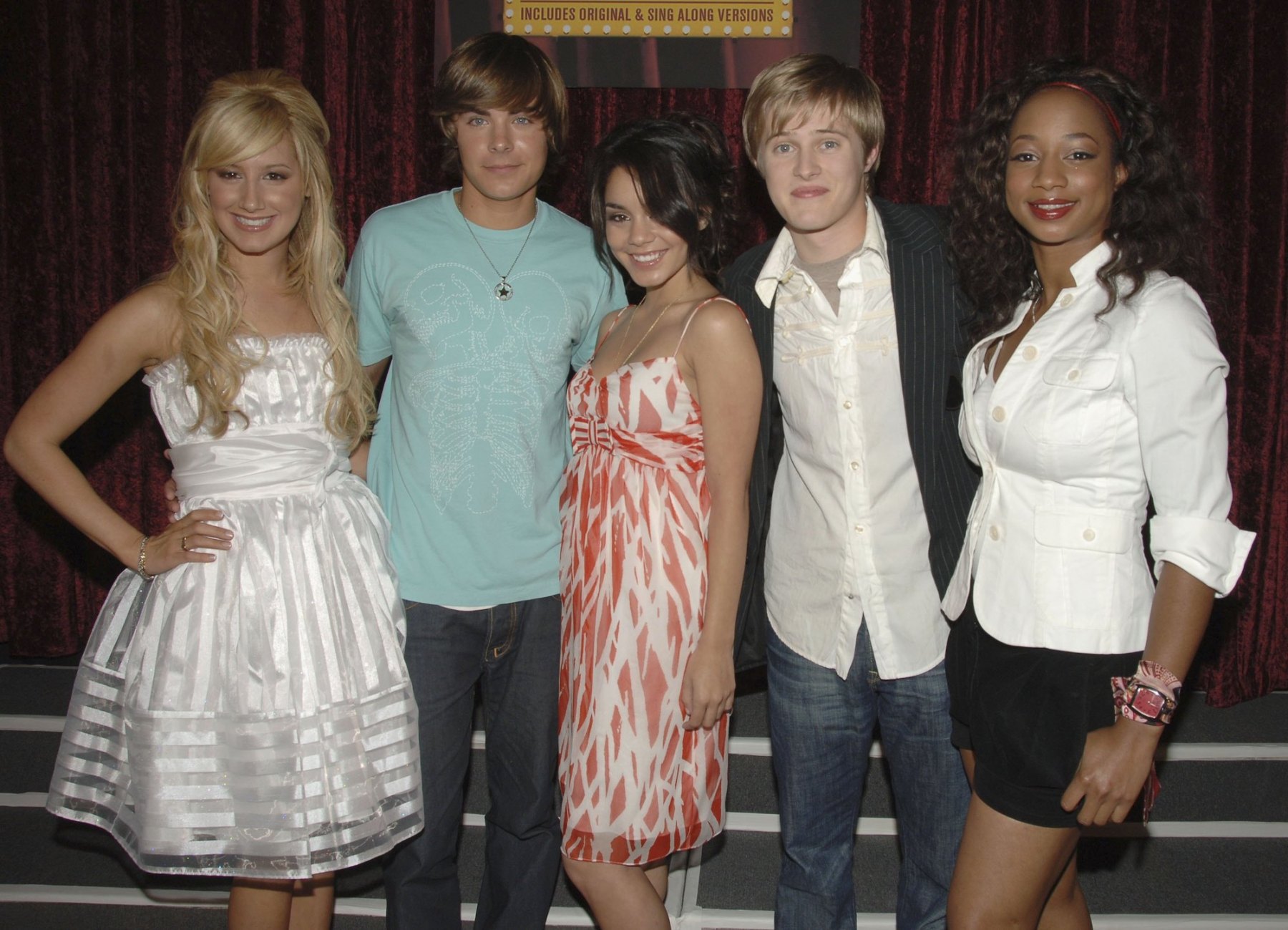
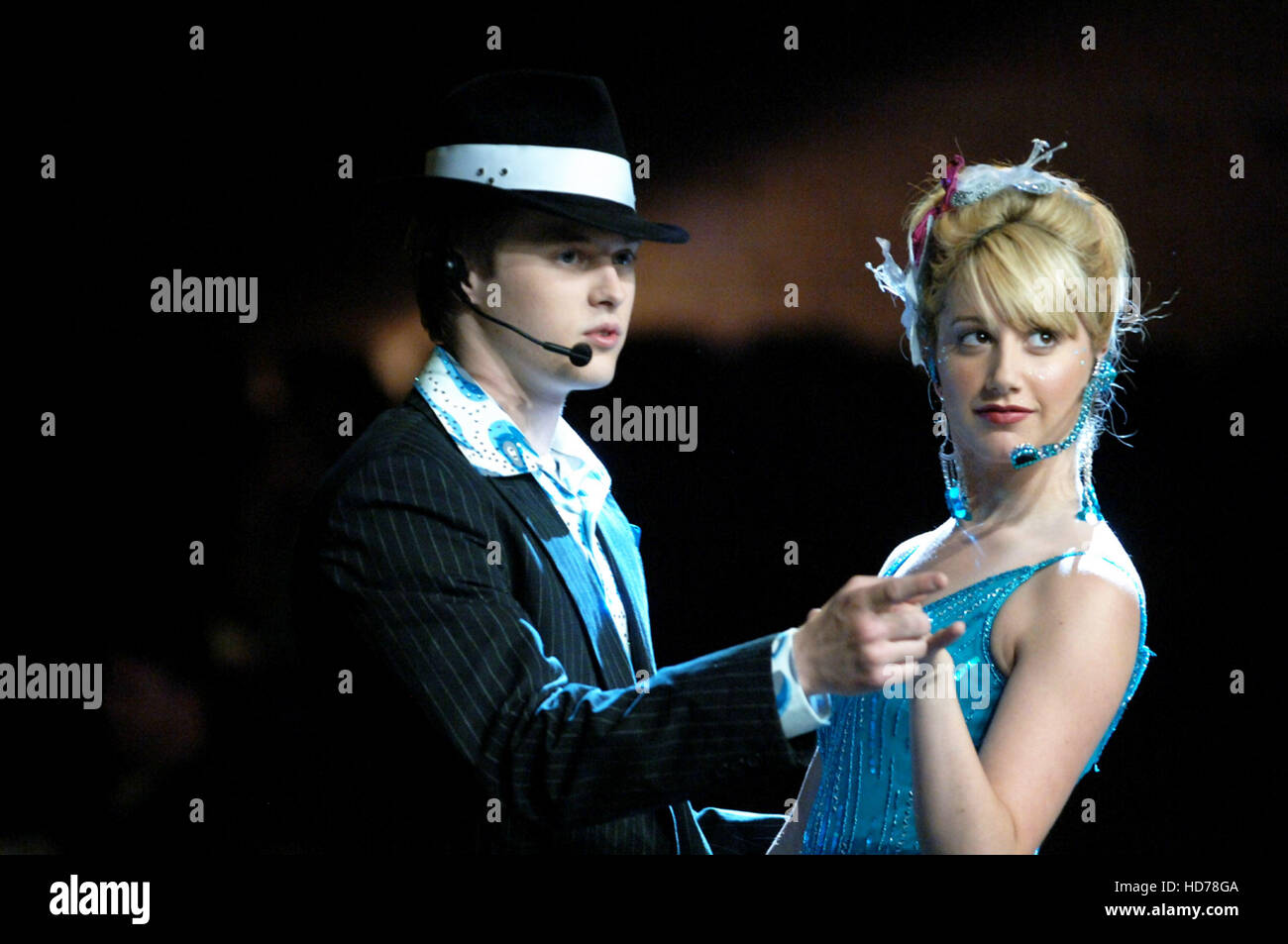
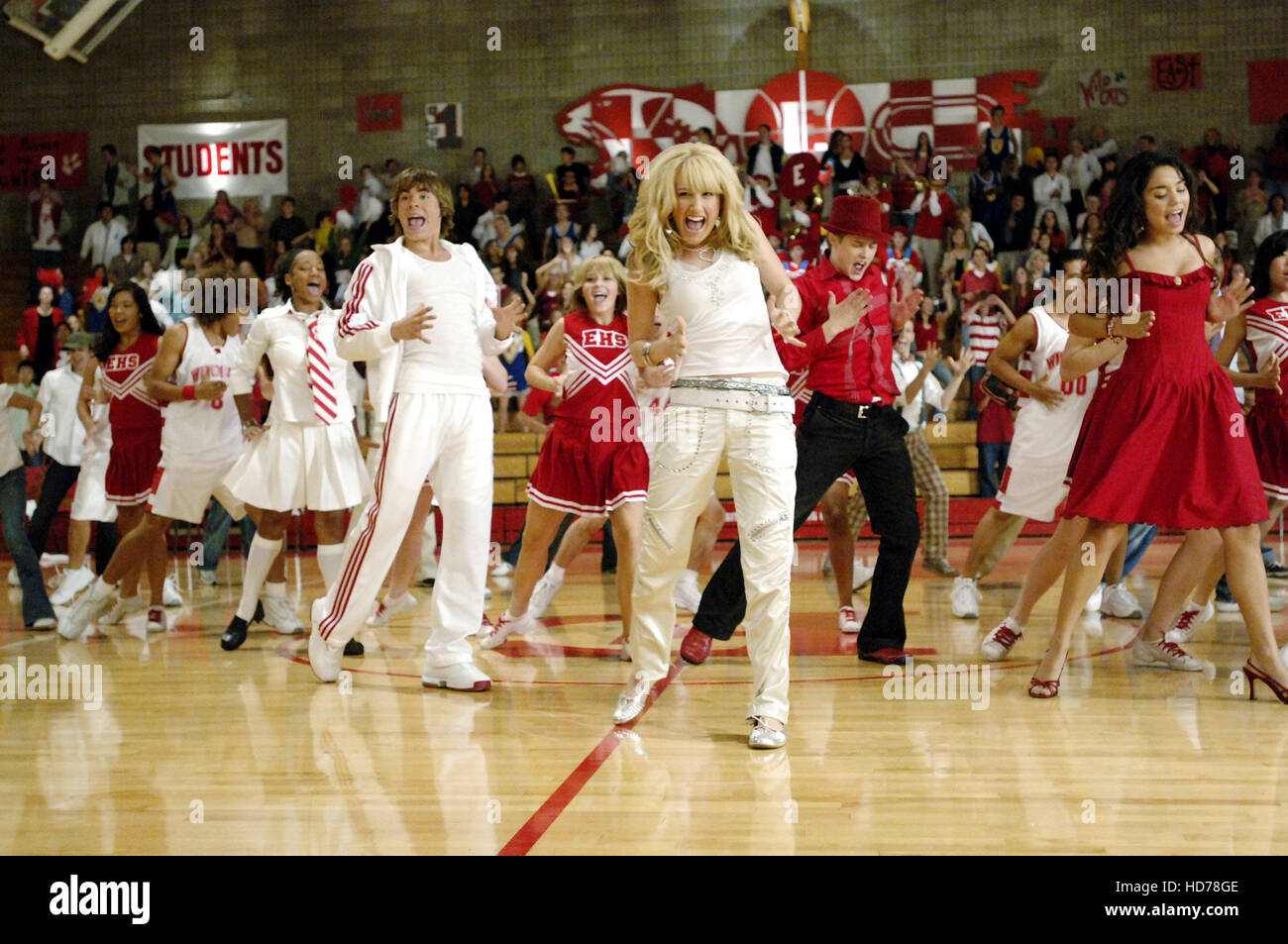
Ashley Tisdale and Lucas Grabeel portrayed the iconic siblings Sharpay and Ryan Evans in Disney’s High School Musical franchise. As the resident theater stars of East High, their performances defined a generation of "theatrical camp," blending high-energy choreography with a complex off-screen dynamic that evolved from initial friction to a lifelong friendship.
In the landscape of 2000s pop culture, few duos are as instantly recognizable as Sharpay and Ryan Evans. When Disney Channel released the original High School Musical in 2006, the world was introduced to a new brand of teen movie—one that heavily prioritized musical theater tropes within a high school setting. While the primary narrative focused on Troy Bolton and Gabriella Montez, the secondary arc of the Evans twins, played by Ashley Tisdale and Lucas Grabeel, provided the franchise with its most technically demanding and stylistically distinct moments.
As we look back in 2026, the 20th anniversary of the original film highlights how Tisdale and Grabeel's contributions were foundational to the franchise's longevity. Their roles required a specific blend of comedic timing, professional-grade dancing, and a willingness to embrace the "villain" archetype with a layer of vulnerability that fans continue to analyze today.
The Casting and Chemistry of the Evans Twins
The casting of Ashley Tisdale and Lucas Grabeel was a pivot point for Disney Channel. At the time, Tisdale was already a established face on the network due to her role as Maddie Fitzpatrick on The Suite Life of Zack & Cody. Her transition into the role of Sharpay Evans required a total shift in persona—from the grounded, hardworking Maddie to the affluent, relentless Sharpay.
Lucas Grabeel, conversely, was a relative newcomer who brought a disciplined musical theater background to the role of Ryan. During the audition process, director Kenny Ortega looked for performers who could not only sing and dance but also embody the heightened reality of the "theater kid" subculture. Tisdale and Grabeel were paired together during the final callbacks, a decision that would define the visual and auditory aesthetic of the series.
Despite their seamless chemistry on screen, the actors have famously admitted that their relationship was initially strained. Tisdale was deeply in character as the perfectionist Sharpay, and Grabeel was equally focused on his craft. This off-screen friction actually mirrored the competitive nature of their characters in the first film. It wasn't until the production of the sequels that the two formed the close bond they maintain today, a testament to their professional growth and shared history within the "Disney machine."
Character Analysis: Sharpay vs. Ryan
To understand the impact of Ashley Tisdale and Lucas Grabeel, one must analyze the narrative function of their characters across the trilogy. Sharpay and Ryan were not traditional villains; they were antagonists driven by a specific goal: the preservation of the status quo in the theater department.
Sharpay Evans: The Relentless Perfectionist
Ashley Tisdale’s Sharpay is often cited by modern critics as a "misunderstood" protagonist. In an era where female ambition was often coded as villainy, Sharpay was unapologetically driven. She spent years honing her craft, only to see the lead roles go to "outsiders" who had not put in the same level of work. Tisdale’s performance infused Sharpay with a level of theatricality that was both over-the-top and technically precise. Every "pink" outfit and every sharp-tongued retort was delivered with a rhythmic consistency that made the character iconic.
Ryan Evans: The Evolving Artist
Lucas Grabeel’s Ryan began as the "sidekick" sibling, often overshadowed by Sharpay’s dominant personality. However, through Grabeel’s subtle performance, Ryan became one of the most beloved characters in the franchise. His growth in High School Musical 2 and High School Musical 3: Senior Year showcased his talent as a choreographer and his desire to step out from behind his sister’s shadow. Grabeel brought a sophisticated dance style to the role, incorporating elements of jazz and Broadway that contrasted with the more hip-hop-influenced choreography of the rest of the cast.
Musical Contributions and Performance Style
The musical numbers performed by Tisdale and Grabeel are widely considered the most technically difficult in the series. While Troy and Gabriella focused on pop ballads, the Evans twins were the vehicle for pure musical theater.
- "Bop to the Top" (2006): This song served as a showcase for Latin-inspired choreography and rapid-fire lyrical delivery. It established the "professional" bar for the school's auditions.
- "What I've Been Looking For" (2006): The contrast between the twins' upbeat, Broadway-style version and the leads' slow ballad version highlighted the tension between traditional theater and modern pop.
- "Fabulous" (2007): In the sequel, Tisdale’s performance of "Fabulous" became a cultural touchstone for the "diva" aesthetic, utilizing a pool-side setting to emphasize the character's excess.
- "I Want It All" (2008): The third film featured a high-budget dream sequence that paid homage to classic Hollywood musicals. This was perhaps the peak of the Tisdale-Grabeel partnership, featuring complex props, numerous costume changes, and high-intensity jazz dancing.
Their performance style was rooted in Vaudeville and traditional musical comedy. While other characters were meant to feel like "real" teenagers, Sharpay and Ryan were meant to feel like they were constantly on stage. This required Tisdale and Grabeel to maintain a high energy level and a level of physical comedy that was unique among the cast.
Comparative Analysis of the Evans Twins' Musical Progression
The following table outlines the evolution of their musical performances across the three primary films, focusing on the genre and the narrative purpose of each major duet.
| Film | Primary Duet/Performance | Musical Genre | Narrative Function |
|---|---|---|---|
| High School Musical (2006) | "Bop to the Top" | Latin Pop / Broadway | Establishes their dominance in the theater department. |
| High School Musical 2 (2007) | "Humuhumunukunukuapua'a" | Comedy / Novelty | Highlights Ryan's frustration and Sharpay's theatrical vanity. |
| High School Musical 3 (2008) | "I Want It All" | Show Tune / Glam Rock | Explores their shared ambition for Broadway and professional success. |
| HSM 3: Senior Year | "A Night to Remember" | Pop / Ensemble | Showcases their ability to lead a large-scale theatrical production. |
The Off-Screen Journey: From Friction to Friendship
One of the most enduring stories regarding Ashley Tisdale and Lucas Grabeel is their off-screen relationship. During the filming of the first movie, they were not the best of friends. Tisdale has noted in various interviews that she was young and deeply immersed in her "alpha" character, which Grabeel, who was more reserved and professional, found difficult to navigate.
However, the intensive touring for High School Musical: The Concert and the subsequent filming of the sequels forced them to communicate and collaborate more deeply. By the time they filmed the third movie, they had developed a sibling-like bond. In 2017, they reunited on Tisdale's YouTube channel to perform a reimagined version of "What I've Been Looking For," which served as a public confirmation of their lasting friendship.
In 2026, this friendship is often held up as a model for professional evolution. It demonstrates how two young performers can outgrow initial misunderstandings to form a supportive partnership that outlasts the project that brought them together. Their mutual respect is evident in how they speak of each other's talents in retrospective interviews and documentaries.
Legacy and Impact on Modern Musical Media
The influence of Ashley Tisdale and Lucas Grabeel extends far beyond the High School Musical trilogy. They paved the way for the "theater kid" to be a central, complex figure in teen media.
The "Sharpay was Right" Movement
In recent years, a significant cultural shift has occurred where fans re-examine the films through Sharpay’s perspective. Many argue that Sharpay was the only character who truly respected the craft of theater, while Troy and Gabriella were "tourists" in her world. Tisdale’s nuanced performance made this re-interpretation possible; she played Sharpay with just enough insecurity to make her relatable, even in her most villainous moments.
Influencing "High School Musical: The Musical: The Series"
The Disney+ series, which concluded its run in the early 2020s, heavily leaned on the legacy of Tisdale and Grabeel. Lucas Grabeel made a notable guest appearance in the first season, playing a dream-sequence version of himself. This appearance validated the "meta" nature of the franchise and showed his continued willingness to engage with the fans. While Tisdale did not make a physical appearance in the series, the character of Sharpay remained a constant point of reference for the show’s ambitious young performers.
Technical Execution: Choreography and Vocals
The technical depth of their work is often overlooked. Working with choreographers like Kenny Ortega and Charles Klapow, Tisdale and Grabeel had to master a variety of styles:
- Jazz and Broadway: Their numbers often utilized "jazz hands," "box steps," and synchronized prop work (like the hats in "I Want It All").
- Vocal Range: Tisdale utilized a character-driven "belt" that allowed her to cut through orchestral arrangements, while Grabeel often provided the harmonic foundation, showcasing a sophisticated tenor range.
- Physical Comedy: Much of their impact came from non-verbal cues—Sharpay’s dramatic hair flips and Ryan’s subtle eye rolls or hat adjustments.
These elements required hundreds of hours of rehearsal, often exceeding the time spent by other cast members who had fewer dance-heavy scenes.
Frequently Asked Questions
Why didn't Ashley Tisdale and Lucas Grabeel get along at first?
According to interviews with both actors, the friction was primarily due to their different personalities and Tisdale's intense focus on her character. Tisdale admitted she was very much like Sharpay at the time—ambitious and bossy—while Grabeel was more laid back but very serious about the technical aspects of the work. They eventually resolved these differences during the franchise's concert tour.
Are Ashley Tisdale and Lucas Grabeel still friends today?
Yes, as of 2026, they remain close friends. They have frequently supported each other’s projects and have appeared together in social media content and reunions. Their 2017 musical collaboration remains one of the most-viewed videos on Tisdale’s digital platform, symbolizing their long-term bond.
Did Lucas Grabeel actually dance in all the movies?
Lucas Grabeel performed all of his own choreography and was often considered one of the most technically proficient dancers in the cast. In some instances, he even assisted with the choreography or helped other cast members learn their steps, drawing on his extensive background in musical theater.
What is the "Sharpay’s Fabulous Adventure" spin-off?
Released in 2011, Sharpay’s Fabulous Adventure is a direct-to-video film starring Ashley Tisdale. It follows Sharpay as she moves to New York City to pursue a Broadway career. While Lucas Grabeel does not star in the film, it serves as a canonical conclusion to Sharpay's character arc, showing her finally achieving the professional recognition she craved throughout the original trilogy.
How did their roles influence the Disney Channel aesthetic?
The success of Sharpay and Ryan encouraged Disney Channel to include more "theater-centric" characters in subsequent shows. Their high-fashion, high-energy style became a blueprint for future "diva" characters, though few reached the level of cultural saturation achieved by Tisdale and Grabeel.
Next Steps for Fans and Researchers
To fully appreciate the work of Ashley Tisdale and Lucas Grabeel, viewers should look beyond the surface-level "villain" tropes. Watching the films with a focus on the choreography and vocal arrangements reveals the high level of professionalism they brought to Disney Channel. For those interested in the evolution of teen media, studying the "Sharpay was Right" discourse provides a fascinating look at how audience perceptions of ambition and gender have changed since 2006.
Fans can continue to follow their careers through IMDb for Ashley Tisdale and IMDb for Lucas Grabeel to see their post-Disney projects, including voice acting, producing, and independent music.