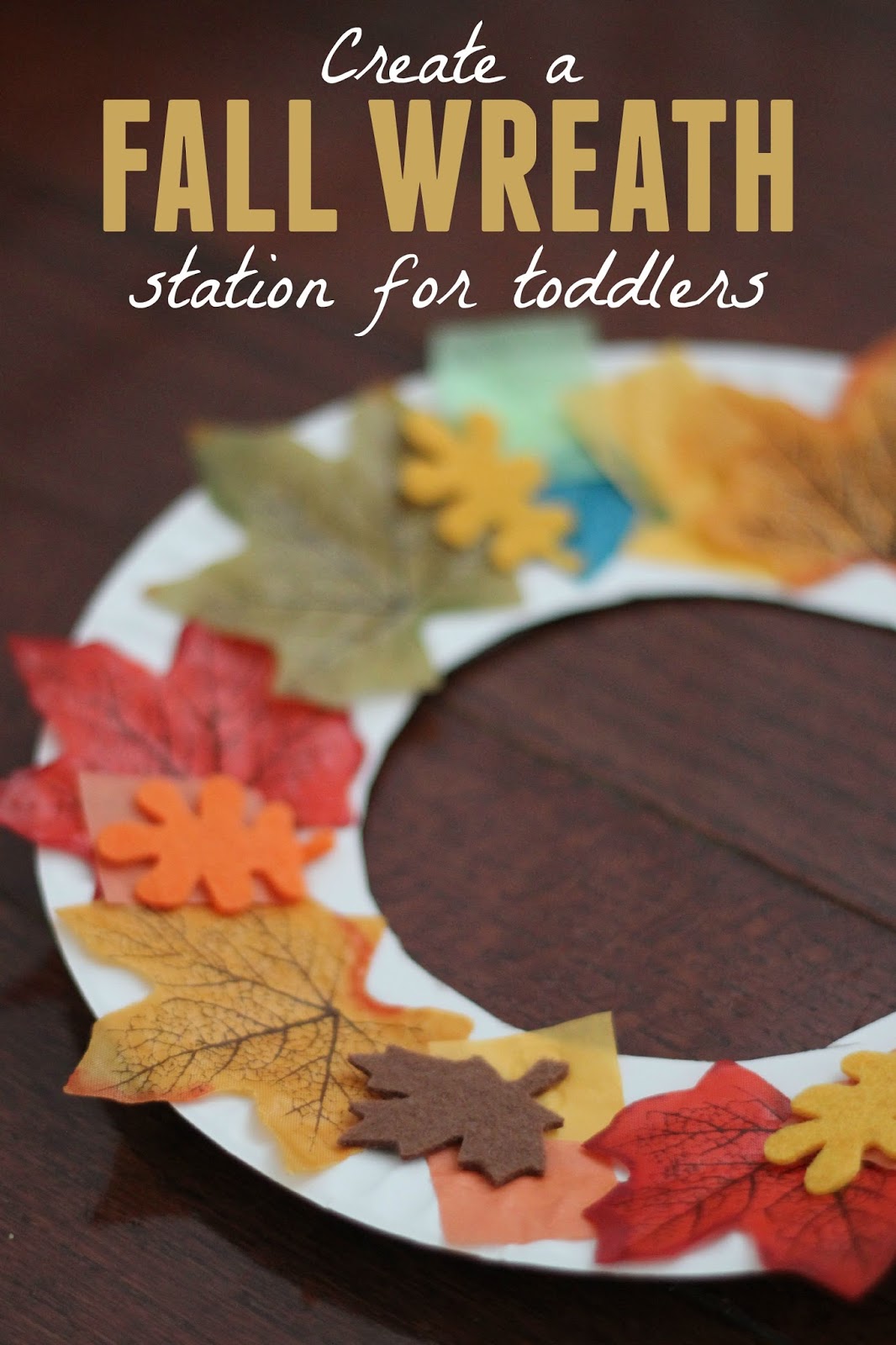
Engaging preschoolers in fall art activities supports fine motor skill development, sensory exploration, and creative expression through hands-on projects using autumn elements like leaves, pinecones, and pumpkins.
The transition into autumn brings a wealth of sensory experiences that naturally capture a preschooler’s curiosity. Crisping air, changing leaves, and earthy scents provide an ideal backdrop for creative expression. For children aged three to five, art is not merely about producing a polished end product; it is a vital vehicle for cognitive, emotional, and physical development. Fall art activities for preschoolers bridge the gap between structured learning and open-ended play, allowing young learners to manipulate tactile materials, experiment with color theory, and strengthen the small muscles in their hands and fingers.
Navigating art activities with this age group requires an understanding of child development, proper material selection, and a focus on process over product. This comprehensive guide explores developmentally appropriate fall art projects, the specific developmental benefits they offer, essential safety considerations, and practical strategies for managing the classroom or home environment during creative sessions.
Understanding the Developmental Value of Preschool Art
Before selecting specific craft projects, educators and caregivers benefit from understanding why art matters during the preschool years. At age three and four, children are rapidly refining their fine motor control, bilateral coordination (using both hands together), and spatial awareness. Art acts as a natural laboratory where these skills are tested and reinforced.
Fine Motor Skill Enhancement
Holding a paintbrush, squeezing a bottle of liquid glue, peeling back the sticker backing from a nature collage element, or using safety scissors all demand precision. These actions build intrinsic hand muscles, pincer grasp strength, and finger dexterity. These physical milestones are foundational prerequisites for later academic tasks, most notably handwriting.
Sensory Integration and Cognitive Growth
Autumn offers a distinct sensory profile. Fall art projects frequently incorporate diverse textures—such as the rough exterior of a pinecone, the smooth skin of a gourd, the crumbly nature of dried leaves, and the squishy consistency of finger paint. Engaging multiple senses helps the brain process and organize sensory information, supporting cognitive development and attention regulation.
Emotional Expression and Independence
Open-ended art gives preschoolers choices. When a child decides whether to paint an acorn red or purple, they exercise autonomy. This decision-making process fosters confidence and self-regulation. Furthermore, creative outlets provide a safe channel for emotional expression, allowing children to process their observations of the changing natural world around them.
Essential Safety and Material Guidelines for Preschool Art
Safety is paramount when designing art experiences for young children. Preschoolers explore the world heavily through touch and sometimes taste, making material selection a critical first step.
Non-Toxic and Washable Certifications
All paints, glues, markers, and clays must bear the AP (Approved Product) seal from the Art and Creative Materials Institute (ACMI), certifying that they are non-toxic and safe if accidentally ingested or absorbed through the skin. Parents and teachers should look explicitly for labels indicating "washable," as autumn projects often involve pigments that can permanently stain clothing or porous surfaces.
Choking Hazards and Natural Elements
While collecting natural items like acorns, small pinecones, and twigs is a wonderful outdoor precursor to crafting, these items pose potential choking hazards for children who still mouth objects. Educators and parents must supervise children closely during nature-crafting sessions and reserve tiny items (such as miniature seeds or beads) exclusively for children who have moved past the mouthing stage.
Allergy and Skin Sensitivities
Fall brings outdoor elements that may trigger allergies or skin irritations. Direct contact with certain decaying leaves, molds, or sap from specific trees can cause contact dermatitis in sensitive children. Introducing a quick hand-washing routine before and after art time, and testing new sensory mediums on a small patch of skin if a child has a history of eczema, prevents adverse reactions.
Core Fall Art Activities for Preschoolers
The following art activities are categorized by their primary medium or technique, offering a balanced mix of sensory exploration, painting, and collage work.
1. Leaf Rubbing Texture Exploration
Leaf rubbing is a classic fall art activity that introduces children to texture, pattern, and the concept of negative space.
- Materials Needed: Variety of flat, freshly fallen leaves with prominent veins (maple, oak, elm); lightweight white or pastel paper; peeled crayons (paper wrappers removed) or oil pastels.
- Step-by-Step Execution:
- Place the leaves vein-side up on a flat, hard surface.
- Lay a single sheet of paper directly over the top of the leaves.
- Show the child how to hold a crayon on its side rather than its tip.
- Instruct them to rub the side of the crayon firmly across the paper over the area where the leaf is hidden underneath.
- Watch as the intricate vein pattern magically appears on the paper.
- Developmental Benefit: Teaches cause and effect, strengthens hand-eye coordination, and introduces children to botanical structures.
2. Pinecone Painting and Stamping
Pinecones provide a unique three-dimensional canvas or a rolling stamp tool that creates unexpected geometric patterns.
- Materials Needed: Clean, dry pinecones; washable tempera paint in autumn colors (burnt orange, mustard yellow, deep red, forest green); shallow trays or cardboard boxes; heavy cardstock paper.
- Step-by-Step Execution:
- Pour small amounts of different autumn paints into separate shallow trays.
- Demonstrate how to grasp the top or base of a pinecone.
- Roll the pinecone through the paint so the outer edges are coated.
- Roll or stamp the painted pinecone across the cardstock paper to create textured, spiraling impressions.
- Developmental Benefit: Enhances bilateral coordination, grip strength, and spatial exploration.
3. Contact Paper Autumn Nature Collages
This mess-free project allows preschoolers to design striking window displays using collected autumn foliage without the hassle of liquid glue.
- Materials Needed: Clear self-adhesive contact paper; painter’s tape; pressed leaves, flower petals, small pieces of tissue paper, and yarn snippets.
- Step-by-Step Execution:
- Cut a rectangle of contact paper and tape it sticky-side up to a table or window using painter's tape.
- Peel away the protective backing, leaving the adhesive exposed.
- Invite children to press leaves, tissue paper, and other lightweight items onto the sticky surface.
- Seal the collage by placing a second sheet of contact paper over the top, then trim into leaf or pumpkin silhouettes.
- Developmental Benefit: Refines pincer grasp precision, bilateral hand use, and visual-spatial planning.
4. Sponge-Printed Apple and Pumpkin Stamping
Apples and small gourds cut in half offer natural stamping surfaces that introduce printmaking concepts to young minds.
- Materials Needed: Halved apples or small pumpkins (cut horizontally to reveal the star seed pattern in apples); shallow plates; red, orange, and green washable paint; large paper sheets.
- Step-by-Step Execution:
- Dip the flat, cut surface of the apple or pumpkin half into the paint, ensuring an even coat without overloading.
- Press the fruit firmly onto the paper and lift straight up to create a print.
- Use a paintbrush to add brown stems and green leaves to the stamped shapes once dry.
- Developmental Benefit: Encourages printmaking exploration, symmetry awareness, and creative embellishment.
Comparison of Fall Art Activities by Developmental Focus
| Activity Name | Primary Medium | Fine Motor Focus | Mess Level | Recommended Age |
|---|---|---|---|---|
| Leaf Rubbing | Crayons & Paper | Crayon grip & pressure control | Low | 3 – 5 years |
| Pinecone Painting | Tempera Paint & Nature Objects | Whole hand grasp & rolling control | High | 4 – 5 years |
| Contact Paper Collages | Adhesive Film & Leaves | Pincer grasp & placement precision | Very Low | 3 – 5 years |
| Apple Print Stamping | Cut Fruit & Liquid Paint | Vertical stamping & wrist rotation | Medium | 3 – 5 years |
Frequently Asked Questions
What are the best non-toxic paint options for toddlers and preschoolers?
Look for water-based, washable tempera paints certified by the ACMI with the AP seal. These formulas wash easily out of most fabrics and off skin with warm water and mild soap, minimizing cleanup stress while ensuring child safety.
How do I handle messes during messy fall art projects?
Preparation is key. Cover tables with vinyl tablecloths or butcher paper, have damp cloths or baby wipes within arm's reach, and dress children in old oversized adult t-shirts as smocks. Designate a specific "drying area" where wet projects can be left undisturbed.
Should I focus on the final product or the creative process?
For preschoolers, the process of creating—exploring textures, mixing colors, and manipulating tools—is vastly more important than the final product. Resist the urge to "fix" a child's art or make it look like a pre-determined example. Authentic creative expression builds self-esteem.
How can I adapt art activities for children with sensory sensitivities?
If a child dislikes getting their hands messy with paint or glue, introduce tools as intermediaries, such as paintbrushes, sponges with handles, tweezers, or cotton swabs. Never force a child to touch a texture that causes distress; respect their sensory boundaries while offering alternative ways to participate.
What should I do with the abundance of nature items collected outside?
Before crafting, clean natural items thoroughly. Bake pinecones on a foil-lined baking sheet at 200°F (approx. 93°C) for 30 to 45 minutes to eliminate hidden insects or sap, and let them cool completely before introducing them to preschool art stations.
Conclusion and Next Actions
Implementing fall art activities for preschoolers provides a rich blend of sensory exploration, fine motor development, and creative joy. To get started, select one low-prep activity—such as leaf rubbings or contact paper collages—gather your non-toxic supplies, and set up a dedicated workspace. Focus on guiding the process rather than dictating the outcome, allowing young children to experience the wonder of the autumn season through their own creative lens.