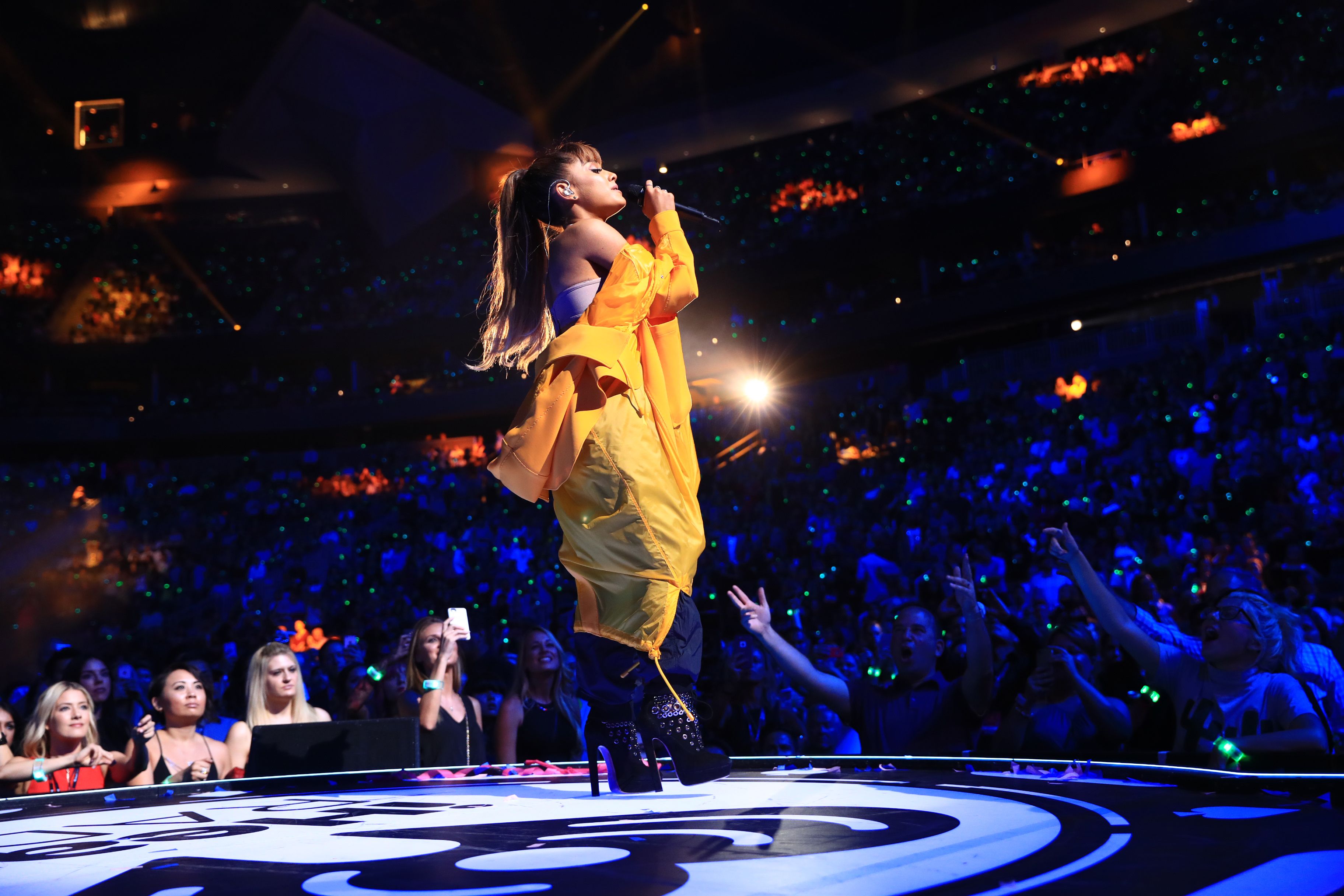
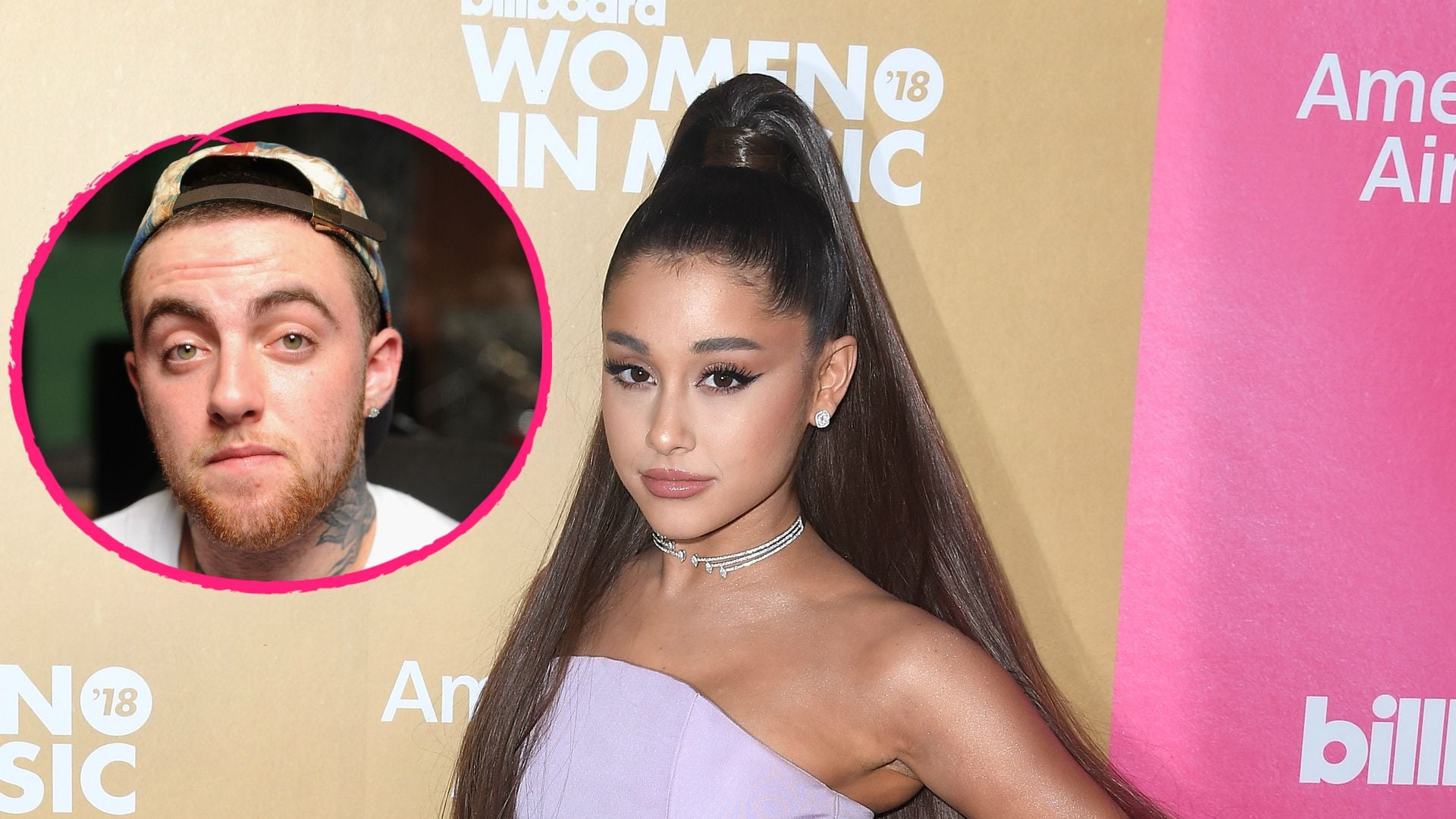
When Mac Miller passed away on September 7, 2018, the world of music and the lives of those closest to him were profoundly altered. Ariana Grande, who had maintained a significant personal and professional relationship with Miller, became a central focus of public attention. Her reaction, which evolved from initial silence to deeply personal tributes and eventual open discussions in media, serves as a poignant case study on the intersection of private grief and public scrutiny in the digital age.
The aftermath of Miller’s death—caused by an accidental drug overdose—brought forth a wave of collective mourning from fans, peers, and collaborators. For Grande, the loss was compounded by the intense public pressure that often surrounds high-profile relationships. Her journey through this period was characterized by a transition from navigating the immediate, overwhelming shock of the event to integrating her feelings into her artistic output and public persona.
The Immediate Aftermath and Public Expectations
In the immediate hours and days following the news of Mac Miller’s death, the internet saw an unprecedented surge in traffic directed at both Miller’s discography and the social media accounts of those associated with him. Ariana Grande, who was active on social media at the time, faced an immediate and unsolicited influx of commentary. Many observers, both well-meaning fans and critics, sought a public statement, creating a digital environment where the expectation of visibility often clashes with the personal necessity of processing grief in private.
Grande’s initial response was a silent, powerful acknowledgment: she posted a black-and-white photograph of Miller to her Instagram account on September 8, 2018. The image, which featured no caption, acted as a formal, albeit understated, recognition of the loss. By choosing to provide a visual tribute without text, Grande managed to acknowledge their shared history while maintaining a boundary against the noise of the public discourse. This period highlighted a recurring theme in modern celebrity culture: the tension between an audience's desire for access to a star’s emotional state and the human need for mourning space.
Artistic Expression as a Medium for Grief
For many artists, grief is processed through the creative medium. In the months that followed, Grande’s music became the primary vehicle through which her feelings regarding Miller were communicated. The release of her album Thank U, Next in 2019 provided a clearer look into her emotional landscape. The title track, which famously referenced her past relationships, addressed her history with Miller with respect and clarity.
Specifically, the line, "Wish I could say, 'Thank you' to Malcolm, 'cause he was an angel," stands as a pivotal moment in her public acknowledgment of his impact on her life. Unlike the speculative narratives that often permeate tabloid culture, this artistic expression allowed Grande to dictate the terms of the conversation. By incorporating his name into a global pop anthem, she effectively memorialized him in a way that felt authentic to their shared history, moving the focus from the tragic circumstances of his death to the value of their past connection.
Navigating Public Scrutiny and External Narratives
A significant challenge Grande faced during this period was the unfair projection of responsibility by segments of the public. In the weeks following Miller’s death, some social media users erroneously blamed Grande for his struggles, a narrative that underscored the toxicity of parasocial relationships. Grande was compelled to address these critiques, noting in public interviews that she had consistently tried to support Miller through his recovery process.
This period was a sobering reminder of the limitations placed upon public figures, particularly women, when it comes to the complex health battles of their partners. Grande’s resolve in speaking out against these narratives served as a boundary-setting mechanism. By asserting the reality of her support, she pushed back against the reductive notion that a partner can entirely prevent the outcomes of addiction. This discourse was vital in shifting the narrative toward a more nuanced understanding of substance use disorders and the importance of separating a person's life choices from the actions or presence of those around them.
Professional Advocacy and Keeping the Legacy Alive
Beyond her personal music, Grande continued to honor Miller’s legacy by supporting his family and his musical projects. Following his death, his estate, led by his family, worked to finalize his posthumous album, Circles. Grande’s public support of this project and her ongoing, respectful references to Miller in interviews helped solidify the perception of him as a dedicated, talented artist rather than solely defining him by the tragedy of his passing.
The following table summarizes the key milestones in the public acknowledgment of the tragedy and its aftermath:
| Milestone | Action/Event | Significance |
|---|---|---|
| September 2018 | Instagram Photo Tribute | Immediate, silent acknowledgment of loss. |
| November 2018 | Thank U, Next Release | Publicly honored Miller as an "angel" in lyrics. |
| 2019-2020 | Media Interviews | Addressed toxic narratives and personal support. |
| Post-2020 | Support of Estate | Validated his artistic legacy and posthumous work. |
Technical Aspects of Grief Management in the Digital Age
The experience of processing a high-profile death involves a technical reality: the archival nature of the internet. Every interview, social media post, and lyric is captured, stored, and analyzed by the public, leaving the individual with little opportunity to "forget" or move on without constant reminders.
For Grande, the "reaction" was not a singular event but a continuous process of management. Technical steps in this context often involve:
- Content Moderation: Using platform tools to limit comments to avoid toxic interactions.
- Media Relations: Choosing specific, long-form interviews to discuss grief on her own terms rather than participating in daily social media back-and-forth.
- Artistic Intent: Channeling emotional content into music to ensure the message remains under the artist's control rather than being subject to the editing of external news outlets.
Related Questions and Contextual Insights
When exploring the impact of Mac Miller’s death and the public reaction, several questions frequently arise. These points clarify why the situation garnered such intense attention and why it remains a topic of cultural significance.
Why was the public so invested in their relationship? The public interest stemmed from the fact that both Grande and Miller were high-profile artists whose relationship was often documented on social media. Fans felt a personal connection to their shared journey, which led to a high degree of emotional investment that persisted even after the relationship ended.
How did the media handle the reporting on the death? Initial reporting focused on the medical examiner’s findings, but as the story evolved, outlets began to examine the broader issue of addiction in the music industry. The discourse shifted from the shock of the event to a more somber conversation about mental health and the resources available to artists.
What is the status of the Mac Miller legacy in 2026? As of 2026, Mac Miller’s work continues to be highly regarded by critics and peers. His influence on the genre of hip-hop and his evolution as a songwriter remain subjects of academic and journalistic study. His estate continues to manage his catalog with a focus on honoring his creative intentions.
How do celebrities typically handle such public loss today? In the current landscape, many celebrities opt for a period of "digital detox," stepping away from platforms like Instagram or X (formerly Twitter) to process grief away from the immediate commentary of the public. This has become an accepted, if not expected, professional practice.
Practical Advice for Those Facing Public or Private Loss
While the scale of celebrity grief is unique due to its public nature, the underlying human experience is universal. If you are experiencing loss and navigating the complications of how much to share or how to interact with an audience—whether as a professional or an individual—consider the following:
- Establish Boundaries: You are not obligated to share your processing of grief with anyone. Protect your mental health by limiting your exposure to external commentary.
- Prioritize Internal Support: Rely on a trusted circle of friends, family, and professionals rather than seeking validation or comfort from a wider, public audience.
- Creative Outlets: If you work in a creative field, expressing yourself through your work can be a healthy tool for closure, provided it is done for yourself and not for the sake of an audience.
- Recognize the Permanence of Digital Content: Be mindful that anything posted during a period of intense grief becomes a permanent part of your personal history. If you are uncertain about the potential impact of a statement, choose to wait.
Conclusion
Ariana Grande’s reaction to Mac Miller’s death was characterized by a balance between personal integrity and public acknowledgement. By choosing to honor his memory through her art and by firmly rejecting the inaccurate narratives that threatened to define their relationship, she navigated a difficult, high-pressure situation with a level of intentionality that offers a blueprint for handling grief in the modern era. Her experience underscores the reality that while the public may feel they have a right to the emotional lives of artists, the ultimate authority over that grief remains with the individual.