Annie Potts has established herself as a resilient and versatile force in American entertainment, navigating a career that spans over four decades of stage, film, and television work. From her breakout performance in the 1980s to her prominent presence in modern sitcoms, her filmography is characterized by a distinctive blend of sharp-witted delivery, vulnerability, and comedic timing, making her an enduring figure in the industry.
The Foundation of a Career: Early Breakthroughs
Annie Potts began her professional journey in the late 1970s, but it was the 1980s that cemented her reputation as a reliable and charismatic performer. Her transition into film was marked by the 1978 comedy Corvette Summer, where she played the ambitious Vanessa. This role earned her a Golden Globe nomination, signaling her potential as a leading character actress.
However, it was her work in the mid-80s that truly defined her early trajectory. Her portrayal of Janine Melnitz in the Ghostbusters franchise, beginning in 1984, remains one of her most recognizable contributions to popular culture. As the sardonic, chain-smoking receptionist for the paranormal investigators, Potts provided a grounded, dry-witted counterpoint to the more eccentric characters around her. This role showcased her ability to occupy space within a high-concept ensemble comedy, setting the stage for her later dominance in television.
Defining Television Presence: The Designing Women Era
While her film work established her profile, the television medium allowed Potts to demonstrate depth and longevity. Her role as Mary Jo Shively on the long-running sitcom Designing Women (1986–1993) is arguably the centerpiece of her television career.
In this series, created by Linda Bloodworth-Thomason, Potts portrayed a divorced mother attempting to balance professional life in an Atlanta design firm with the challenges of raising children and navigating complex friendships. The series was noted for its social commentary, particularly regarding Southern culture, gender roles, and health crises of the era. Potts’ performance as the sensible yet occasionally frazzled Mary Jo earned her an Emmy Award nomination, proving she could carry the emotional weight of a long-running series while maintaining a comedic edge.
Genre Versatility and Voice Performance
Beyond the sitcom format, Potts has demonstrated a significant range in both dramatic television and voice acting. Her inclusion in various genres—ranging from science fiction to procedural dramas—highlights a technical adaptability that few performers achieve.
In the late 90s and early 2000s, Potts took on more intense roles, such as Mary Elizabeth "M.E." Sims in Any Day Now (1998–2002). This series explored the complicated friendship between two women of different races, dealing with themes of civil rights and social history. The role challenged her to move away from pure comedy and into character-driven drama, showing an evolution in her craft that resonated with both critics and audiences.
Furthermore, her voice acting career has introduced her to new generations. Most notably, she voiced Bo Peep in the Toy Story franchise. By imbuing a porcelain doll with a sense of agency, independence, and evolution, she helped bridge the gap between classic animation and modern storytelling, particularly in the thematic progression seen in Toy Story 4.
Comparative Analysis of Major Roles
The following table highlights the diversity of Potts' career across different mediums and genres, showcasing her ability to shift between comedic, dramatic, and voice-oriented performance styles.
| Title | Release Period | Role | Genre | Significance |
|---|---|---|---|---|
| Corvette Summer | 1978 | Vanessa | Comedy | First major film role; Golden Globe nominee. |
| Ghostbusters | 1984–2021 | Janine Melnitz | Sci-Fi/Comedy | Cultural icon; defined the sarcastic receptionist archetype. |
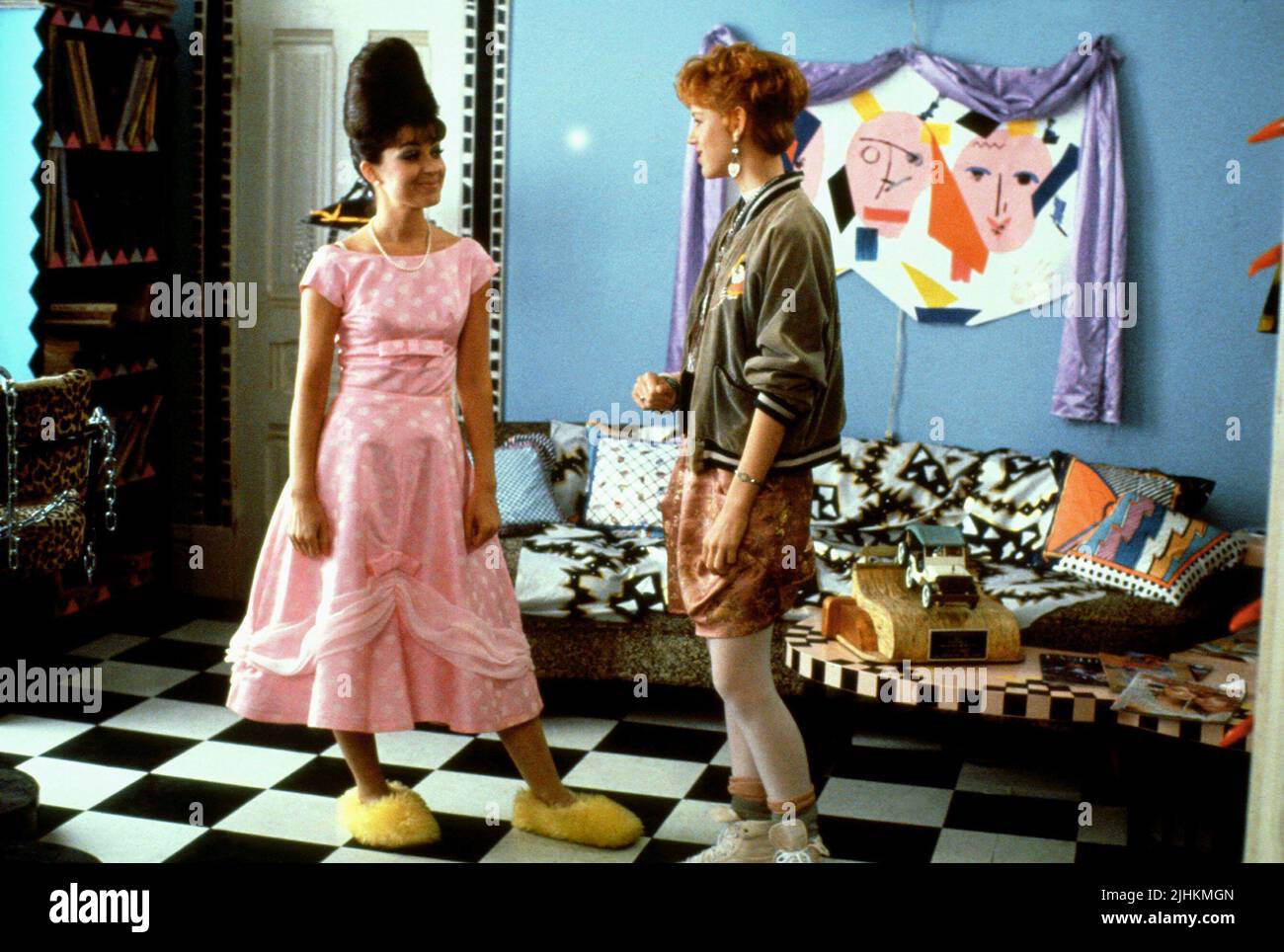
| Pretty in Pink | 1986 | Iona | Teen Romance | Iconic 80s performance; fashion and character depth. |
| Designing Women | 1986–1993 | Mary Jo Shively | Sitcom | Primetime Emmy Award nomination; long-term sitcom success. |
| Toy Story Franchise | 1995–2019 | Bo Peep | Animated/Voice | Mainstream cultural longevity and character growth. |
| Any Day Now | 1998–2002 | Mary Elizabeth Sims | Drama | Demonstrated range in social-issue focused drama. |
| Young Sheldon | 2017–2024 | Meemaw | Comedy/Drama | Modern career resurgence; critical acclaim for character work. |
The Modern Era: The Influence of Young Sheldon
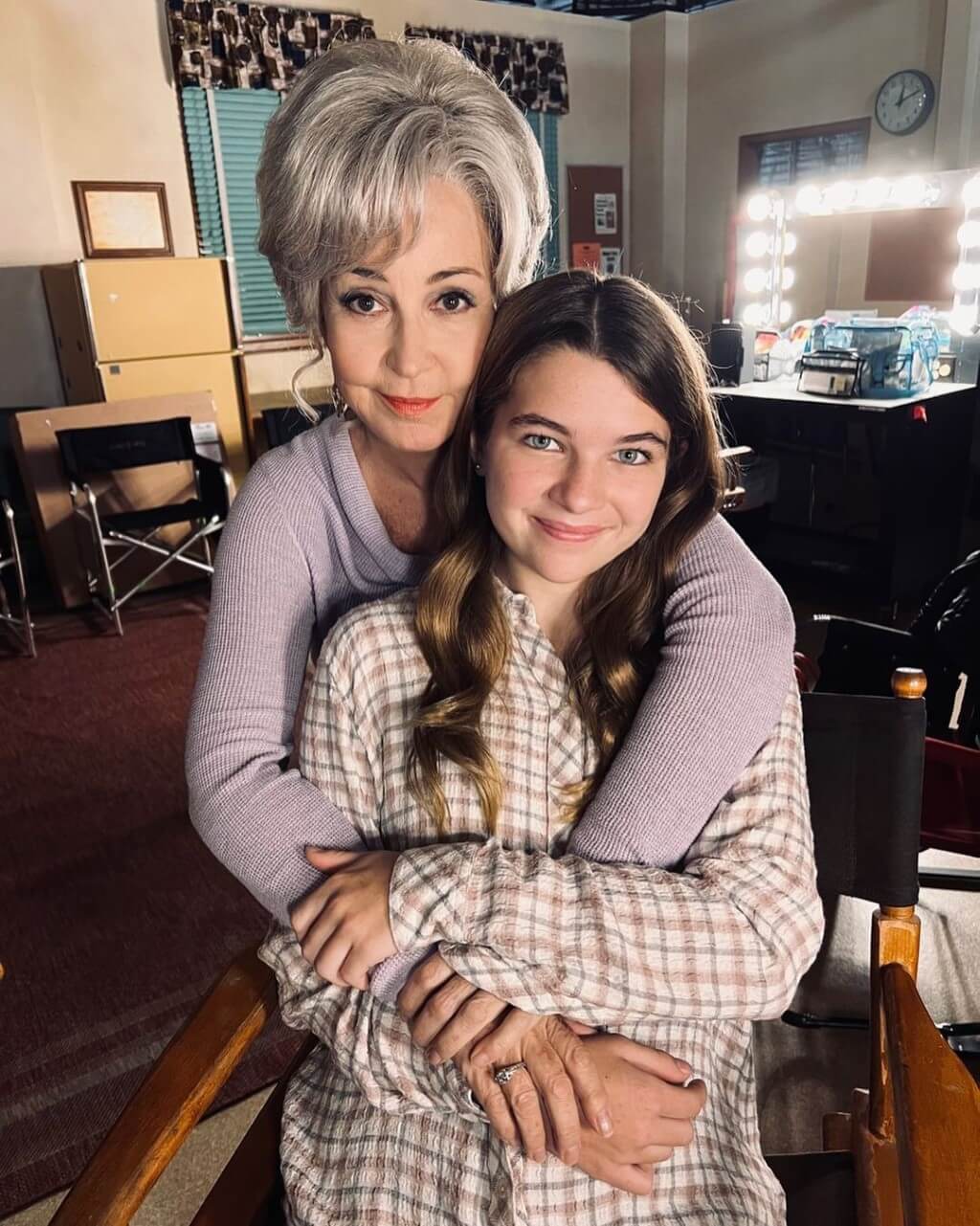
For many contemporary viewers, Annie Potts is synonymous with the character of Connie "Meemaw" Tucker in the long-running series Young Sheldon. As the maternal anchor to the protagonist and a character who experiences significant romantic and personal evolution throughout the show, Potts utilized the role to display the full breadth of her acting experience.
The success of Young Sheldon (which concluded in 2024) underscored her ability to transition seamlessly from a legacy actor into the lead of a modern, multi-generational hit. In this role, she balanced the demands of slapstick humor, heartwarming familial scenes, and complex independent plotlines involving her character's secret businesses and evolving relationships. Her performance was frequently cited as one of the show's strongest assets, providing a stable, charismatic presence that supported the show's departure from the conventional The Big Bang Theory format.
Technical Craft: How Potts Navigates Characters
Potts’ longevity in the industry is often attributed to her specific technical approach to acting. She tends to avoid "over-acting," preferring a style that relies on subtle reactions, precise timing, and an ability to hold the screen even when she is not the primary focus of a scene.
- Reactionary Acting: Much of her best work, particularly in sitcoms, is reactive. She excels at "the look"—a glance or a brief pause that conveys judgment or skepticism—without needing dialogue to sell the joke.
- Character Agency: Whether she is playing a receptionist, a business partner, or a grandmother, Potts consistently imbues her characters with agency. Even when the script dictates a subservient position, she finds ways to assert her character's perspective.
- Vocal Control: Her distinct, raspy delivery is a vital tool. She uses varying registers to indicate the seriousness of a situation versus a comedic observation, a skill particularly honed during her decades of voice work.
Frequently Asked Questions
Which Annie Potts role is considered her most iconic? While opinions vary, Janine Melnitz in the Ghostbusters franchise and Mary Jo Shively in Designing Women are the most frequently cited. Janine provided her entry into pop culture lore, while Mary Jo established her as a titan of the television sitcom format.
Has Annie Potts won any major awards for her acting? Potts has received significant recognition, including a Golden Globe nomination for Corvette Summer and a Primetime Emmy Award nomination for her role on Designing Women. She has also received numerous nominations for her ensemble work throughout her career.
Does Annie Potts do a lot of voice acting? Yes, she is highly respected in the voice acting community, with her most prominent role being Bo Peep in the Toy Story film series. She has also provided voices for various animated series and video games, often bringing the same grounded humanity to these roles that she does to live-action performances.
How did her role in Young Sheldon impact her career? Young Sheldon introduced her to a younger demographic and provided a platform for her to demonstrate her talent as a lead in a long-running, hit production. It solidified her status as a generational bridge between classic 80s/90s television and modern streaming-era success.
Where can I watch most of Annie Potts' past work? Much of her television library, including Designing Women and Young Sheldon, is available across various major streaming platforms. Her film roles are available through standard digital rental and purchase marketplaces, though availability shifts periodically due to licensing agreements.
Professional Guidance for Aspiring Performers
For those studying Potts' career as a blueprint for longevity, the key takeaway is the importance of "character integrity." Potts has avoided being typecast by balancing high-visibility blockbuster roles with smaller, character-driven television projects. Her willingness to move between drama and comedy has allowed her to remain relevant across multiple decades, preventing the career stagnation that often faces actors who commit solely to one genre or style of acting.
When reviewing her filmography, one should note that her most successful roles were not always the ones with the most screen time, but the ones where her performance provided the necessary friction or support to elevate the entire production. Her career serves as a practical lesson in professional sustainability, proving that quality, consistency, and versatility are the primary drivers of long-term success in the entertainment industry.
Next Steps for Fans and Researchers
If you are looking to explore the depth of Annie Potts' career, it is recommended to start by contrasting her early, high-energy 80s film work with her more measured, mature performances in late-career television. Watching episodes of Designing Women alongside Young Sheldon provides a clear technical window into how her acting style has evolved to suit the changing needs of audiences, while still maintaining the core, dry-witted sensibility that made her a household name.