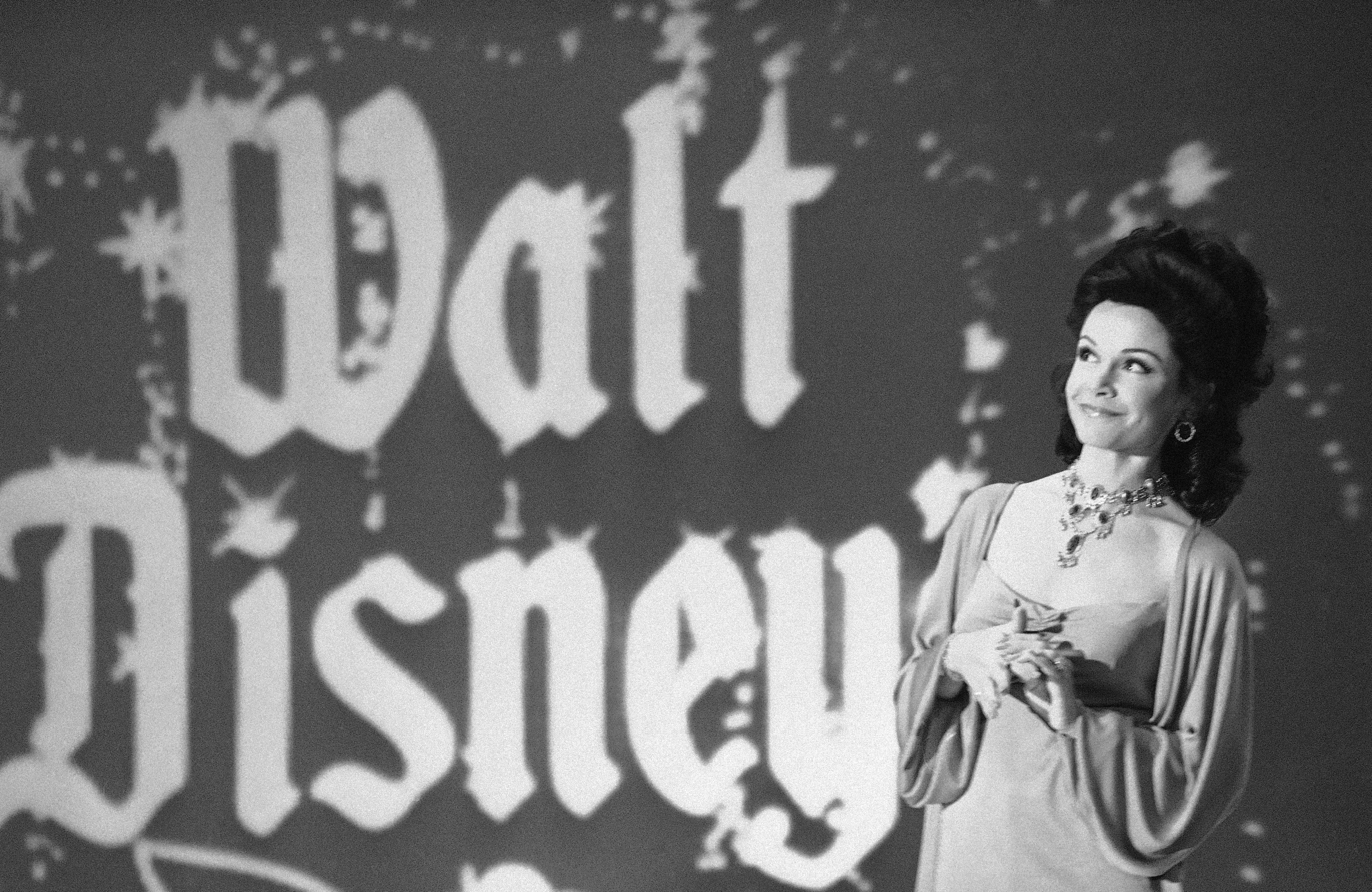
Annette Funicello, the beloved original Disney Mouseketeer and 1960s pop culture icon, died on April 8, 2013, at the age of 70. She passed away at Mercy Hospital in Bakersfield, California, following severe complications from multiple sclerosis (MS), a chronic neurological disease she fought publicly and privately for more than two decades.
The Circumstances of Annette Funicello's Death in 2013
Annette Funicello died on Monday morning, April 8, 2013, surrounded by her family at Mercy Hospital in Bakersfield, California. Her death came after an extended period in a coma brought on by severe complications of multiple sclerosis. At the time of her passing, she was 70 years old.
Funicello had lived with multiple sclerosis for over twenty-five years. By the late 1990s and early 2000s, the disease had significantly impaired her physical abilities, leaving her unable to walk, speak, or swallow on her own. She required constant, 24-hour nursing care at her home in Los Angeles and later in Bakersfield, where she lived with her second husband, horse trainer Glen Holt.
Holt remained her primary caregiver and advocate throughout her long decline, frequently updating fans on her condition while maintaining her privacy as her physical health waned. Following her death, Walt Disney Company Chairman and CEO Bob Iger released a statement commemorating her contribution to American entertainment and the Disney legacy:
"Annette was and always will be a cherished member of the Disney family, synonymous with the word Mouseketeer, and a true Disney Legend. She will forever hold a place in our hearts as one of Walt Disney’s brightest stars, delighting an entire generation of baby boomers with her joyful personality and endless talent."
Her passing marked the loss of one of the earliest and most enduring symbols of mid-century American television and pop culture.
Understanding Her Battle with Multiple Sclerosis
Multiple sclerosis (MS) is an autoimmune condition in which the body's immune system mistakenly attacks the protective sheath (myelin) covering nerve fibers in the central nervous system. This causes communication problems between the brain and the rest of the body, eventually leading to potential permanent nerve damage or deterioration.
| Year | Annette Funicello's MS Journey Timeline |
|---|---|
| 1987 | Initial diagnosis during filming of "Back to the Beach" |
| 1992 | Public disclosure of MS diagnosis to quell tabloid rumors |
| 1993 | Launch of The Annette Funicello Fund for Neurological Disorders |
| 1990s | Transition to full-time wheelchair use and loss of mobility |
| 2000s | Severe neurological decline, loss of speech and independence |
| 2013 | Passing from complications of MS at age 70 |
Initial Diagnosis and Early Symptoms
Funicello began experiencing subtle neurological symptoms in 1987 while filming Back to the Beach, a nostalgic reunion movie co-starring her frequent 1960s castmate Frankie Avalon. During production, she noticed balance issues, unexpected dizziness, and occasional numbness in her limbs. Initial medical evaluations confirmed a diagnosis of relapsing-remitting multiple sclerosis (RRMS).
For five years, Funicello kept her condition private, sharing the news only with immediate family members and close friends. She continued to work and make public appearances while quietly managing her symptoms with available medical treatments of the late 1980s.
Public Disclosure in 1992
In 1992, Funicello made the decision to reveal her diagnosis publicly. Her choice was prompted in part by growing tabloid speculation; as her unsteadiness and balance problems worsened, rumors began circulating that her gait issues were due to alcoholism.
Determined to correct the record and remove the stigma surrounding neurological illnesses, Funicello granted a series of candid interviews. She explained that her unsteadiness was entirely caused by the nerve damage from MS. Her openness was widely praised by medical organizations and fan groups, bringing national attention to a disease that was relatively poorly understood by the general public at the time.
Disease Progression and Care
Over the subsequent two decades, Funicello experienced a progressive decline in physical function. As her relapsing-remitting MS transitioned into a more severe form of the disease, she lost mobility and became reliant on a wheelchair by the mid-1990s.
Despite undergoing various treatments—including physical therapy and pioneer immune therapies—the progressive nature of her condition could not be halted. In the final decade of her life, she lost her ability to speak and required full-time assistance with daily life functions. Her husband, Glen Holt, remained at her side, funding experimental trials when possible and ensuring she received dignified care at home until her final hospital admission in April 2013.
Career Timeline & Pop Culture Impact
Annette Funicello's career represented a unique evolution in American entertainment, taking her from a child performer on television to a pop singer, film star, and eventually a commercial spokesperson.
- 1955-1958: Original Mouseketeer
- The Mickey Mouse Club
- Handpicked by Walt
- 1959-1965: Solo Recording Artist
- "Tall Paul" (Top 10)
- "O Dio Mio"
- 1963-1966: Beach Party Film Era
- Beach Party
- Beach Blanket Bingo
- 1987-1990s: Reunion & Commercials
- Back to the Beach
- Skippy Peanut Butter
The Mickey Mouse Club Era (1955–1958)
Born in Utica, New York, on October 22, 1942, Funicello moved with her family to Southern California when she was four years old. Her life changed dramatically in 1955 when Walt Disney personally discovered her during a dance recital at the Burbank Starlight Bowl. Disney selected the 12-year-old Funicello to be one of the original cast members of The Mickey Mouse Club.
Funicello quickly emerged as the most popular "Mouseketeer" on the show. Receiving thousands of fan letters every week, her warmth, modesty, and relatable screen presence resonated deeply with the postwar baby boomer audience. Her signature mouse ears and personalized sweater became iconic symbols of 1950s children's television.
Recording Success and Disney Feature Films
As The Mickey Mouse Club concluded its original run, Walt Disney kept Funicello under exclusive contract—the only Mouseketeer to receive such an agreement. Disney transitioned her into music and feature films:
- Pop Hits: Under the direction of Disney's music division, Funicello achieved significant success on the pop charts. Her 1959 hit "Tall Paul" reached the Billboard Top 10, followed by successful singles like "O Dio Mio" and "Pineapple Princess."
- Disney Movies: She starred in classic Disney live-action films, including The Shaggy Dog (1959), Babes in Toyland (1961), and The Misadventures of Merlin Jones (1964), alongside television appearances in serials like Zorro.
The Beach Party Movie Phenomenon (1963–1966)
In 1963, American International Pictures (AIP) cast Funicello alongside singer Frankie Avalon in Beach Party. The film launched a whole new movie subgenre aimed at teenagers, combining surfing culture, lighthearted romance, rock-and-roll music, and slapstick comedy.
Walt Disney personally granted permission for Funicello to star in the AIP films, subject to one key condition: she was not permitted to expose her navel on screen, maintaining her wholesome image. Funicello starred in a succession of hit beach movies:
- Beach Party (1963)
- Muscle Beach Party (1964)
- Bikini Beach (1964)
- Pajama Party (1964)
- Beach Blanket Bingo (1965)
- How to Stuff a Wild Bikini (1965)
These films cemented the duo of Annette and Frankie as enduring symbols of 1960s youth culture.
Later Career and Public Image
After stepping back from full-time acting to raise her three children—Gina, Jack, and Jason—with her first husband, talent agent Jack Gilardi, Funicello remained a familiar television presence. Throughout the 1970s and 1980s, she served as the primary commercial spokesperson for Skippy Peanut Butter, appearing in widely broadcast television advertisements.
In 1987, she reunited with Frankie Avalon for Back to the Beach, a parody and celebration of their original 1960s films. The movie introduced their dynamic to a new generation and was supported by a nationwide promotional tour.
Key Milestones in the Life of Annette Funicello
The following table summarizes the significant milestones in Annette Funicello’s life, entertainment career, and health advocacy work.
| Year | Event / Milestone | Description & Significance |
|---|---|---|
| 1942 | Born in Utica, NY | Born to Italian-American parents Joseph and Virginia Funicello; relocated to California in 1946. |
| 1955 | Discovered by Walt Disney | Spotted performing at Burbank Starlight Bowl; cast as an original Mouseketeer on The Mickey Mouse Club. |
| 1959 | First Top 10 Pop Hit | Released "Tall Paul," establishing her career as a solo recording artist. |
| 1963 | Beach Party Release | Co-starred with Frankie Avalon, launching the iconic 1960s beach movie genre. |
| 1965 | Marriage to Jack Gilardi | Married talent agent Jack Gilardi; had three children before divorcing in 1981. |
| 1986 | Marriage to Glen Holt | Married California racehorse trainer Glen Holt, who later became her primary caregiver. |
| 1987 | MS Diagnosis & Back to the Beach | Diagnosed with MS while promoting her beach movie reunion film with Frankie Avalon. |
| 1992 | Public Announcement of MS | Publicly disclosed her MS diagnosis to dispel false tabloid allegations regarding her health. |
| 1992 | Disney Legend Award | Named an official Disney Legend for her contributions to television, film, and music. |
| 1993 | Established Research Fund | Founded The Annette Funicello Fund for Neurological Disorders to fund MS research. |
| 2013 | Death in Bakersfield, CA | Passed away on April 8, 2013, at age 70 from complications related to multiple sclerosis. |
Philanthropy and The Annette Funicello Fund for Neurological Disorders
Following her public disclosure in 1992, Funicello redirected much of her energy toward advocacy for neurological health. In 1993, she formally established The Annette Funicello Fund for Neurological Disorders.
- Annette Funicello Fund Focus
- Basic MS Research: Funding root-cause neurological studies
- Treatment Innovation: Investigating venous & circulatory links
- Patient Support & Public Awareness: Eliminating stigma
Purpose and Funding Objectives
The foundation was established to collect donations and distribute research grants directly to scientists and medical facilities investigating the causes, treatments, and potential cures for neurological diseases, particularly multiple sclerosis. Funicello emphasized that research needed to explore unorthodox or emerging hypotheses alongside conventional immunology.
Key Contributions and Focus Areas
- Promoting Research into Venous Insufficiency: In her later years, Funicello and her husband Glen Holt expressed strong interest in Chronic Cerebrospinal Venous Insufficiency (CCSVI), a controversial theory proposed by Italian doctor Paolo Zamboni suggesting that impaired blood drainage from the brain might play a role in MS symptoms. The foundation helped fund exploratory studies into vascular aspects of neurological disorders.
- Raising National Awareness: By speaking openly about the loss of mobility, chronic fatigue, and daily challenges brought on by MS, Funicello helped demystify the disease for millions of Americans. Her efforts complemented organizations such as the National Multiple Sclerosis Society, driving increased public donation rates during the 1990s.
- Product Partnerships: Funicello created a signature line of collectible teddy bears (The Annette Funicello Bear Company) and a line of perfumes, dedicating a significant portion of the business revenues directly to her charity fund.
Legacy, Tributes, and Cultural Impact
Annette Funicello’s death in 2013 prompted widespread reflections on her unique role in 20th-century American entertainment.
The Original Teen Role Model
Before the era of modern youth media, Funicello was one of the first performers to grow up on television in front of a national audience. Her public image was characterized by modesty, warmth, and accessibility. Unlike many child stars who struggled with the transition to adult careers, Funicello maintained a positive reputation while shifting smoothly into music, movies, and family life.
Honored as a Disney Legend
In 1992, the Walt Disney Company officially named Funicello a Disney Legend. Her star on the Hollywood Walk of Fame, located at 6804 Hollywood Boulevard, stands as a permanent tribute to her recording and television contributions.
| Tributes to Annette Funicello | Attribution |
|---|---|
| "Annette was a dear friend... She was graceful, beautiful, and fought her disease with tremendous courage. I will miss her deeply." | Frankie Avalon, Longtime Co-Star and Friend |
| "She was the queen of the Mouseketeers, a sweet person who never lost her humility or her love for people." | Paul Anka, Singer and Songwriter ("Puppy Love") |
Impact on the MS Community
Beyond her entertainment achievements, Funicello left a lasting impact on the chronic illness community. Her willingness to step forward at a time when public figures rarely spoke openly about degenerative diseases provided inspiration to thousands living with multiple sclerosis. Her legacy survives through her screen work, her pop recordings, and the continuing efforts of medical researchers supported by her charitable fund.
Frequently Asked Questions
What year did Annette Funicello die, and how old was she?
Annette Funicello died on April 8, 2013, at the age of 70. She passed away at Mercy Hospital in Bakersfield, California.
What was the official cause of Annette Funicello's death?
Her cause of death was attributed to severe complications resulting from long-standing multiple sclerosis (MS). She had suffered from advanced neurological decline and had been in a coma prior to her passing.
When was Annette Funicello diagnosed with multiple sclerosis?
She was diagnosed with relapsing-remitting multiple sclerosis in 1987 while filming Back to the Beach. She kept the diagnosis private until 1992, when she went public to address rumors regarding her unsteady gait.
Who was Annette Funicello married to at the time of her death?
Annette Funicello was married to Glen Holt, a California harness horse trainer. They married in 1986, and Holt served as her devoted caregiver throughout her decades-long battle with MS until her death in 2013. She was previously married to talent agent Jack Gilardi from 1965 to 1981.
How did Annette Funicello contribute to multiple sclerosis research?
In 1993, she launched The Annette Funicello Fund for Neurological Disorders. The foundation raised money for clinical research into the causes and treatments of MS and other neurological conditions, while Funicello's public advocacy helped reduce public stigma surrounding physical disabilities.
Summary and Key Takeaways
Annette Funicello's passing in 2013 marked the end of an era for classic television and film. From her early days as Walt Disney's iconic Mouseketeer to her reign as the star of 1960s beach cinema, she remained a beloved figure in American pop culture.
Her enduring legacy rests on two pillars: her contributions to mid-century media history and her brave advocacy for multiple sclerosis awareness. For individuals managing neurological conditions or seeking to support research efforts, resources and grant details can be explored directly through organizations like the National Multiple Sclerosis Society or The Annette Funicello Fund for Neurological Disorders.