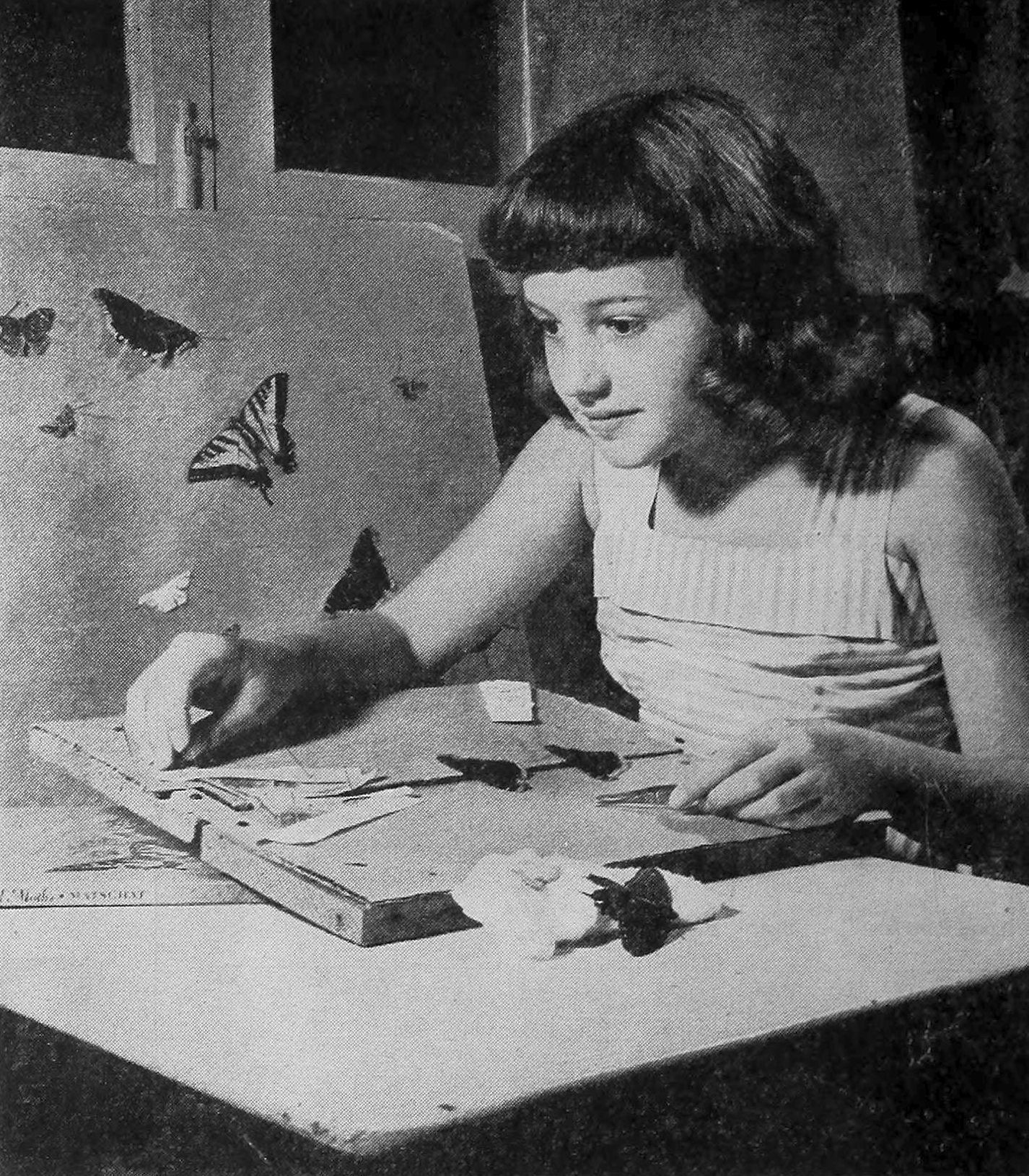
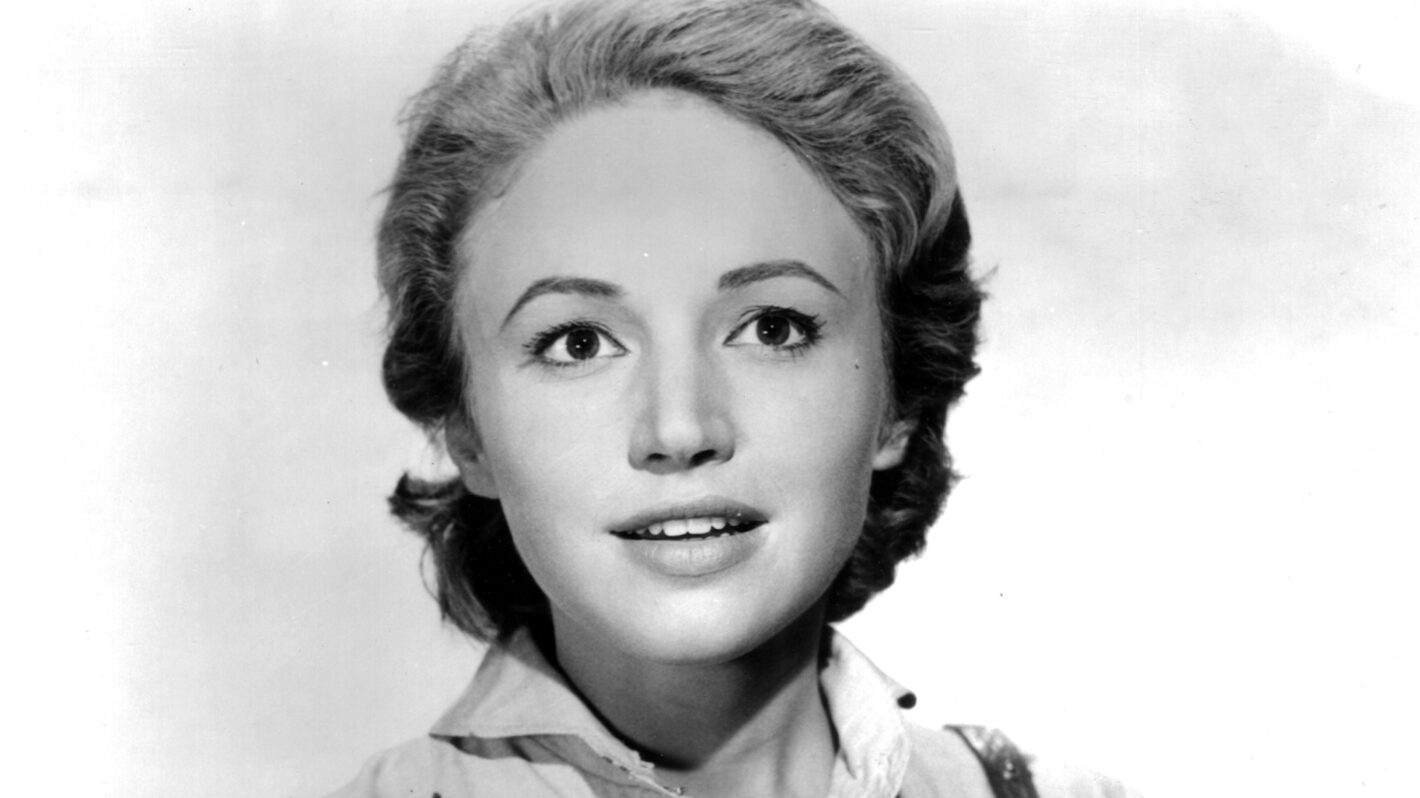
Anne Whitfield, the accomplished actress best remembered for her performance as Susan Waverly in the 1954 holiday film White Christmas, passed away on February 15, 2024, at the age of 85. Her death followed an unexpected accident while taking a walk near her home in Yakima, Washington.
Understanding Anne Whitfield's death in context requires looking beyond a single headline. Her passing marked not only the loss of one of the final surviving cast members of a beloved American cinematic tradition, but also the conclusion of a life defined by remarkable personal reinvention. After achieving early success in golden age radio, classic film, and mid-century television, Whitfield made a deliberate choice to walk away from Hollywood in the 1970s. She spent the next five decades building a impactful second career in environmental advocacy, public service, and community organization across the Pacific Northwest. Examining her life and passing provides insight into the history of American entertainment, the evolution of child performers, and the power of dedicating one's second act to environmental stewardship.
The Circumstances Surrounding Anne Whitfield’s Death in 2024
Anne Whitfield passed away on February 15, 2024, at Valley Hospital in Yakima, Washington, surrounded by her family. According to official family statements and obituaries released shortly after her passing, the cause of death stemmed from complications following an unexpected accident during a routine walk in her neighborhood.
While the sudden nature of the accident shocked fans and former colleagues, her family shared that her final days were spent in peace, supported by her children and grandchildren. In their public tributes, Whitfield’s family emphasized that her life was defined far more by her vibrant spirit, outdoor activism, and deep personal connections than by her early Hollywood celebrity.
Her passing sparked widespread reflections across entertainment journalism and film preservation communities. Because White Christmas remains an annual holiday viewing staple worldwide, Whitfield’s portrayal of the precocious, stern granddaughter of General Waverly had embedded her face and performance into the collective cultural memory. Her death in early 2024 represented a poignant moment for vintage film enthusiasts, underscoring the gradual fading of the golden age cast who brought classic mid-20th-century cinema to life.
From Child Radio Star to White Christmas: The Early Years
To fully contextualize Whitfield’s life, one must examine her early start in the entertainment industry during the golden age of American broadcasting. Born in Richland, Mississippi, on August 27, 1938, Whitfield moved to California at a young age with her mother, a speech teacher who helped foster her early talent for vocal performance and dramatic recitation.
Anne Whitfield's Early Life & Transition:
- 1938: Born in Mississippi
- 1945: Radio Career Begins (Age 7)
- 1954: Cast as Susan Waverly in 'White Christmas'
- 1950s-1970s: Extensive TV Guest Appearances
- 1970s: Leaves Hollywood for WA State
Whitfield’s career began long before she stepped in front of a movie camera. At just seven years old, she secured speaking roles on popular national radio programs. Her crisp diction and natural emotional delivery made her a sought-after juvenile radio actress during the late 1940s and early 1950s.
Key Radio Work
- One Man's Family: Whitfield spent years playing the role of Penny Higgins in this classic radio soap opera, gaining valuable experience in long-form ensemble storytelling.
- The Phil Harris-Alice Faye Show: She regularly appeared as one of the leads' daughters, honing her timing in scripted family comedy.
- The Lux Radio Theatre & Dr. Christian: Her versatility allowed her to transition seamlessly between comedy, mystery, and heavy drama across multiple network anthologies.
The Milestone of White Christmas (1954)
In 1954, at age 15, Whitfield achieved international recognition when director Michael Curtiz cast her in Paramount Pictures' White Christmas. The film was notable not only as the top-grossing movie of 1954, but also as the first feature film photographed in Paramount's widescreen VistaVision process.
Whitfield played Susan Waverly, the protective granddaughter of Major General Thomas Waverly (played by Academy Award winner Dean Jagger). Acting alongside legendary performers Bing Crosby, Danny Kaye, Rosemary Clooney, and Vera-Ellen, Whitfield held her own screen presence. Her character served as a central narrative bridge in the film—it was Susan’s secret concern for her grandfather’s financial struggles at the Columbia Inn in Vermont that prompted the main characters to stage their grand musical benefit.
While Whitfield did not perform lead musical numbers in the film, her scenes provided pivotal narrative tension and emotional warmth. Decades later, she often recalled the production fondly, noting the kindness of Bing Crosby and the meticulous discipline of director Michael Curtiz.
Television Success and the Transition Out of Stardom
Following the success of White Christmas, Whitfield transitioned into the rapidly expanding medium of episodic television throughout the late 1950s and 1960s. During this era, live television and dramatic anthology shows were reshaping American home entertainment, and Whitfield became a reliable fixture across genres.
Notable Television Appearances
Over two decades, Whitfield built an impressive television filmography comprising dozens of guest starring roles:
- Perry Mason: Whitfield appeared in five distinct episodes of the iconic courtroom drama between 1958 and 1965, including memorable roles in The Case of the Crafty Kid and The Case of the Wayward Nymph.
- The Twilight Zone: In the 1964 episode "Brain Center at Whipple's," she played a supporting role in Rod Serling's classic sci-fi critique of corporate automation.
- Westerns and Dramas: She made frequent guest appearances on popular Westerns, including Rawhide, Gunsmoke, Laramie, and The Restless Gun, showcasing her adaptability across historical and modern settings.
- Sitcoms and Soaps: Her career extended to appearances on The Beverly Hillbillies, Emergency!, Lassie, and a recurring stint on the daytime drama Days of Our Lives.
Despite a thriving screen career that extended into her thirties, Whitfield began evaluating her long-term life goals in the early 1970s. Unlike many child actors who remained in Los Angeles pursuing roles indefinitely, Whitfield grew increasingly interested in environmental activism, higher education, and community-centered work outside the spotlight.
Life After Hollywood: Environmental Advocacy in the Pacific Northwest
In 1970, Whitfield made the decision to step away from professional acting and relocate to the Pacific Northwest, settling in Washington state. This move marked the beginning of a second career focused on public service and environmental preservation.
After relocating, Whitfield enrolled at the University of Washington, where she earned a bachelor's degree in communications. She directed her professional energy toward public education regarding natural resources and clean water management.
Anne Whitfield's Second Career Focus
| Public Service & Ecology Focus |
|---|
| Washington State Department of Ecology Educator |
| Clean Water Initiative & Community Recycling Advocate |
| Organic Gardening & Local Sustainability Promoter |
| Regional Peace and Social Justice Activist |
Public Service with the Department of Ecology
Whitfield joined the Washington State Department of Ecology, working within the Clean Water Division. In this role, she authored educational material, coordinated public outreach campaigns, and worked directly with local communities to promote sustainable water use, runoff management, and waste reduction.
Her transition from commercial acting to environmental education highlights a key structural shift: leveraging skills acquired in broadcasting—clear speech, persuasive communication, and audience engagement—to advance ecological literacy.
Community Involvement and Personal Life
Beyond her official state service, Whitfield was an active community organizer. She was a dedicated practitioner of organic gardening, supported regional peace initiatives, and actively participated in local theater productions in Washington as a director and mentor.
She raised three children and spent her retirement years pursuing hiking, nature photography, and spending time with her grandchildren. Her life in Washington reflected a deliberate choice to prioritize community connection and ecological health over celebrity status.
Career and Life Summary: Key Phases
The table below outlines the distinct eras of Anne Whitfield’s life, illustrating how her professional focus shifted over eight decades.
| Life Era / Period | Primary Role & Focus | Notable Projects / Employers | Primary Historical & Cultural Impact |
|---|---|---|---|
| 1945–1953 | Child Radio Actress | One Man's Family, The Phil Harris-Alice Faye Show, Lux Radio Theatre | Contributed to the golden age of American network radio drama. |
| 1954 | Feature Film Actress | White Christmas (Paramount Pictures) | Portrayed Susan Waverly in one of the most enduring holiday films in cinema history. |
| 1955–1972 | Episodic Television Guest | Perry Mason, The Twilight Zone, Rawhide, Gunsmoke, Days of Our Lives | Built a versatile body of work during the peak era of mid-century broadcast television. |
| 1973–1990s | Student & Environmental Specialist | University of Washington, Washington State Dept. of Ecology | Communicated clean water management and recycling initiatives to the public. |
| 2000s–2024 | Community Advocate & Retiree | Regional Pacific Northwest Environmental & Cultural Organizations | Championed organic agriculture, local activism, and family life in Washington state. |
The Broader Context of Child Actors and Hollywood Transitions
To evaluate Whitfield's life in context, it is helpful to look at how former child stars navigated careers after leaving Hollywood during the mid-20th century.
During the studio system era and the transition to broadcast television, child performers faced unique structural challenges. The lack of financial protections prior to modern enforcement of laws like the Coogan Act, combined with the difficulty of transitioning from juvenile roles to adult character work, often led to personal and financial instability.
Standard Child Actor Trajectory vs. Anne Whitfield's Path
Standard Path:
- Child Stardom
- Typecasting
- Career Stagnation
- Personal/Financial Instability
Whitfield's Path:
- Child Stardom
- Adult TV Work
- Higher Education
- Public Service Career
Whitfield’s life trajectory represents a successful alternative path. By prioritizing her education in her thirties and applying her communication background to environmental science, she built a durable second career. Her experience demonstrates several key factors that enable successful long-term career pivots:
- Transferable Skill Recognition: Recognizing that public speaking, dramatic articulation, and script interpretation translate directly into public policy education and corporate communications.
- Geographic Diversification: Moving away from entertainment hubs like Los Angeles or New York to establish roots in regions with different economic and cultural priorities.
- Values-Driven Second Careers: Aligning post-entertainment work with personal values—such as environmental conservation and community organizing—providing long-term professional fulfillment.
Preserving the Legacy of White Christmas
With Whitfield’s passing in February 2024, public interest in the remaining legacy of White Christmas renewed. Filmed in Technicolor and VistaVision under the musical direction of Irving Berlin, the film remains a central piece of mid-century pop culture.
'White Christmas' (1954) Core Cast & Legacy
| Performer | Role |
|---|---|
| Bing Crosby | Bob Wallace |
| Danny Kaye | Phil Davis |
| Rosemary Clooney | Betty Haynes |
| Vera-Ellen | Judy Haynes |
| Dean Jagger | Major General Thomas Waverly |
| Anne Whitfield | Susan Waverly (Granddaughter) |
Film historians and preservationists emphasize that non-musical supporting roles like Whitfield's Susan Waverly provided crucial emotional grounding for the film's musical numbers. Her character’s concern for her grandfather gives the plot its central conflict, motivating Wallace and Davis to organize the troupe to save the inn.
As physical media gives way to digital streaming, White Christmas continues to reach new generations every December. Whitfield’s performance remains preserved, ensuring that her contribution to American cinematic history will continue to be recognized for decades to come.
Key Lessons from Anne Whitfield’s Life and Career
Examining Anne Whitfield’s passing in its full biographical and historical context highlights several meaningful takeaways:
- Life Beyond Early Success: High achievement early in life does not lock an individual into a single path. Whitfield showed that leaving a high-profile industry to pursue environmental public service can lead to a deeply fulfilling second act.
- The Value of Effective Communication: Whether performing in front of a radio microphone in the 1940s or teaching Washington residents about clean water conservation in the 1980s, public communication was the central thread of Whitfield's professional life.
- Graceful Legacy Preservation: Whitfield maintained a balanced perspective on her Hollywood legacy. She participated in anniversary retrospectives for White Christmas and enjoyed connecting with fans, while keeping her day-to-day focus firmly planted on her family, community, and natural surroundings.
Frequently Asked Questions
When and how did Anne Whitfield pass away?
Anne Whitfield passed away on February 15, 2024, at the age of 85 at Valley Hospital in Yakima, Washington. Her family reported that her death was caused by unexpected complications following an accidental fall during a walk in her neighborhood.
What was Anne Whitfield’s most famous movie role?
Her most famous film role was playing Susan Waverly, the granddaughter of General Thomas Waverly, in the classic 1954 musical White Christmas, directed by Michael Curtiz and starring Bing Crosby, Danny Kaye, Rosemary Clooney, and Vera-Ellen.
What television shows did Anne Whitfield appear in?
Whitfield appeared in dozens of popular television series from the late 1950s through the early 1970s. Her credits include five episodes of Perry Mason, as well as guest roles on The Twilight Zone, Rawhide, Gunsmoke, The Beverly Hillbillies, 77 Sunset Strip, Emergency!, and Days of Our Lives.
Why did Anne Whitfield leave acting in the 1970s?
Whitfield chose to step away from acting to pursue higher education, raise her family, and focus on environmental activism. She relocated to Washington state, earned a communications degree at the University of Washington, and built a second career dedicated to clean water education and community outreach.
What work did Anne Whitfield do after leaving Hollywood?
After moving to the Pacific Northwest, Whitfield worked for the Washington State Department of Ecology within its Clean Water Division. She focused on public education programs concerning water conservation, runoff management, and recycling, while actively volunteering for organic farming and community peace causes.
Conclusion and Further Exploration
Anne Whitfield’s death in February 2024 closed the chapter on a life spent at the intersection of American broadcasting history and environmental public service. While millions of viewers remember her as the bright young girl in White Christmas, her enduring legacy rests equally on her decades of work preserving the natural beauty of the Pacific Northwest and building community ties.
For film historians, environmental advocates, and classic cinema fans alike, studying Whitfield’s full career offers a model of personal reinvention, showing how early visibility can be transformed into a lifetime of quiet, meaningful service. To explore her artistic work further, consider viewing her classic television guest appearances on public archives or rewatching Paramount's restored releases of White Christmas.