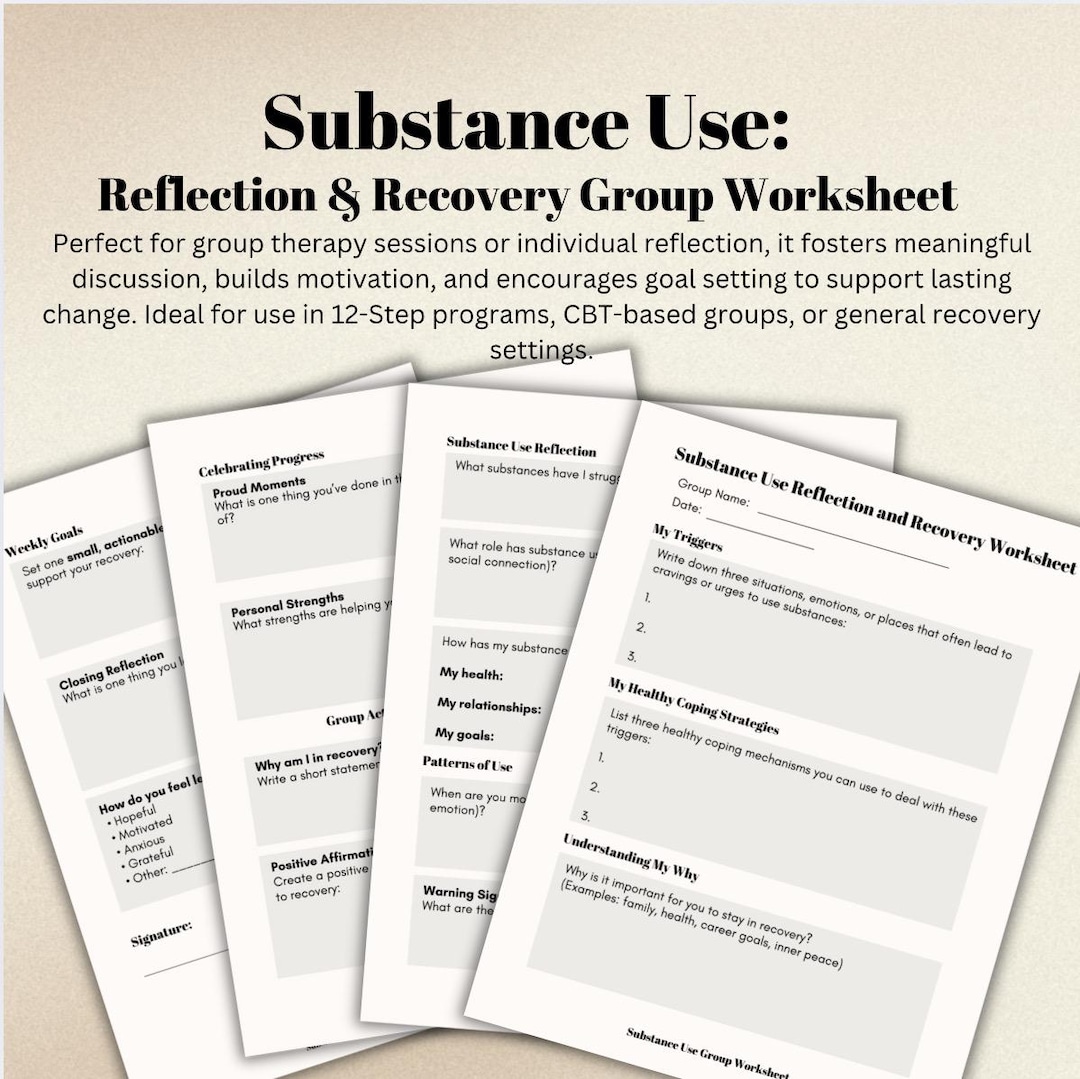
Effective alternatives to traditional residential rehab include Intensive Outpatient Programs (IOP), Medication-Assisted Treatment (MAT), and evidence-based peer support groups such as SMART Recovery. These options provide clinical structure and psychological support while allowing individuals to remain in their homes, maintain employment, and utilize community resources for sustainable, long-term sobriety.
Understanding the Spectrum of Substance Use Recovery
For decades, the cultural image of "getting sober" was synonymous with a 30-day stay in a secluded residential facility. However, as we move through 2026, the clinical understanding of Substance Use Disorder (SUD) has shifted toward a more flexible, individualized continuum of care. Residential treatment, while essential for those with severe dependencies or unstable living environments, is no longer the only—or even necessarily the most effective—path for every individual.
The primary goal of any recovery program is to achieve long-term abstinence and improve quality of life. Alternatives to rehab prioritize integration into "real-world" environments, allowing individuals to practice coping mechanisms in the same settings where they previously used substances. This approach can reduce the "re-entry shock" often experienced by those leaving the controlled environment of a residential center.
Choosing an alternative depends heavily on the American Society of Addiction Medicine (ASAM) Criteria, which professionals use to determine the appropriate level of care. These criteria assess withdrawal risk, biomedical conditions, emotional/behavioral concerns, and the patient's recovery environment.
Intensive Outpatient Programs (IOP) and Partial Hospitalization (PHP)
One of the most robust alternatives to residential rehab is a structured outpatient program. These programs provide clinical intensity comparable to inpatient care but allow the patient to return home at night.
Partial Hospitalization Programs (PHP)
Often referred to as "Day Treatment," PHP is the highest level of outpatient care. In 2026, these programs typically require 20 to 30 hours of clinical participation per week.
- Structure: Participants spend 5–7 hours a day at a clinical facility, participating in individual therapy, group counseling, and medical monitoring.
- Suitability: PHP is ideal for individuals who have completed a medical detox or have a moderate to severe SUD but possess a safe, supportive home environment.
- Clinical Focus: These programs often utilize Cognitive Behavioral Therapy (CBT) and Dialectical Behavior Therapy (DBT) to address the underlying psychological triggers of addiction.
Intensive Outpatient Programs (IOP)
IOPs are slightly less intensive than PHPs, usually requiring 9 to 15 hours of participation per week, spread across three to five days.
- Flexibility: Because sessions often occur in the evenings or early mornings, IOPs allow individuals to maintain full-time employment or educational commitments.
- Phased Recovery: Many people use IOP as a "step-down" after finishing a higher level of care, though it can also serve as a primary point of entry for those with mild to moderate substance use issues.
- Support Systems: A significant component of IOP is group therapy, which helps build a localized sober network—a critical factor in preventing relapse.
Medication-Assisted Treatment (MAT): A Clinical Alternative
Medication-Assisted Treatment (MAT) is a evidence-based approach that combines FDA-approved medications with counseling and behavioral therapies. For many, particularly those struggling with Opioid Use Disorder (OUD) or Alcohol Use Disorder (AUD), MAT is a life-saving alternative to abstinence-only rehab models.
For Opioid Use Disorder
MAT medications like Buprenorphine (Suboxone) and Methadone act on the same receptors in the brain as opioids but are long-acting and do not produce a "high" when taken as prescribed.
- Cravings Management: These medications stabilize brain chemistry, effectively eliminating the physical "hunger" for the drug and allowing the patient to focus on therapy.
- Safety: In 2026, the use of Naltrexone (Vivitrol), an injectable antagonist that blocks the effects of opioids for 30 days, has become a standard alternative for those who wish to avoid opioid-based medications.
For Alcohol Use Disorder
Alcohol recovery can be safely managed outside of rehab using medications like Acamprosate, Disulfiram, and Naltrexone.
- Mechanism: Acamprosate helps the brain's signaling systems return to normal after heavy drinking, while Disulfiram creates an unpleasant physical reaction if alcohol is consumed, serving as a powerful psychological deterrent.
According to the Substance Abuse and Mental Health Services Administration (SAMHSA), MAT has been shown to increase treatment retention and decrease illicit opioid use and opioid-related overdose deaths.
Peer Support Groups and Community-Based Models
While clinical intervention is often necessary, the social and emotional components of recovery are frequently managed through peer support. These organizations offer a cost-effective, long-term alternative or supplement to clinical treatment.
SMART Recovery
Self-Management and Recovery Training (SMART) is a popular science-based alternative to 12-step programs. It focuses on self-empowerment and utilizes CBT principles.
- The 4-Point Program: SMART focuses on building and maintaining motivation, coping with urges, managing thoughts/feelings/behaviors, and living a balanced life.
- Scientific Grounding: Unlike 12-step programs that emphasize "powerlessness," SMART Recovery encourages individuals to take autonomy over their choices.
Secular Organizations for Sobriety (SOS) and LifeRing
For individuals who prefer a non-religious or secular path, organizations like SOS and LifeRing Secular Recovery provide a "sober secularity" framework. These groups focus on the "Sober Self" and use peer-to-peer sharing to reinforce the decision to remain abstinent without reliance on a "Higher Power."
Traditional 12-Step Programs (AA/NA)
While not "alternatives" in a clinical sense, Alcoholics Anonymous (AA) and Narcotics Anonymous (NA) remain the most accessible community-based recovery resources globally. They offer a structured sponsorship model and a vast network of free meetings, which can be essential for those who cannot afford private outpatient care.
Comparison of Recovery Pathways
The following table compares the primary alternatives to residential rehab based on intensity, cost, and core focus as of 2026.
| Recovery Option | Time Commitment | Average Cost (Estimated) | Primary Focus | Best For |
|---|---|---|---|---|
| PHP (Day Treatment) | 20–30 hours/week | $300–$800 / day | Clinical stabilization & therapy | High-risk individuals with safe housing. |
| IOP | 9–15 hours/week | $100–$400 / session | Skill building & peer support | Working professionals & step-down care. |
| MAT (Outpatient) | Monthly doctor visits | $100–$500 / month | Biological & chemical balance | Opioid and alcohol use disorders. |
| SMART Recovery | 1–2 hours/week | Free / Donation-based | Behavioral change & autonomy | Science-minded individuals. |
| Telehealth Therapy | 1–3 hours/week | $100–$250 / hour | Individualized psych support | Remote areas or mild SUD cases. |
Digital Health and Telehealth Recovery Solutions
By 2026, the integration of digital tools into recovery has matured significantly. For many, virtual recovery is a viable alternative to in-person sessions, especially in rural or underserved areas.
- Virtual Outpatient Programs: Many clinics now offer "vIOP," which provides the same clinical curriculum as traditional IOP via secure video conferencing. This eliminates transportation barriers and allows for greater privacy.
- Recovery Apps and Wearables: AI-driven applications now track physiological markers (like heart rate variability and sleep patterns) that can predict high-stress moments or cravings. These apps often provide "just-in-time" interventions, such as guided meditations or immediate connection to a recovery coach.
- Remote Medical Monitoring: For those on MAT, telehealth allows for remote check-ins and digital prescriptions, significantly lowering the barrier to consistent medical care.
The National Institute on Drug Abuse (NIDA) highlights that the therapeutic alliance—the relationship between the patient and the provider—remains the strongest predictor of success, whether that interaction happens in a clinic or via a screen.
Determining the Right Path: Assessment and Suitability
Choosing an alternative to rehab is not a decision that should be made in isolation. A professional assessment is required to ensure safety, particularly regarding detoxification.
The Role of Medical Detox
Substances like alcohol and benzodiazepines carry a risk of life-threatening withdrawal symptoms, including seizures and delirium tremens (DTs). In these cases, a Medically Supervised Detox is a non-negotiable prerequisite before starting an outpatient or community-based program. Detox can often be completed in a specialized short-term facility (3–7 days) before the individual transitions to an alternative recovery path.
Key Considerations for Selection
- Severity of Addiction: How long and how much has the individual been using? High-frequency use of high-potency substances often requires the structure of a PHP.
- Dual Diagnosis: Does the individual have underlying mental health conditions like depression, PTSD, or bipolar disorder? If so, the chosen alternative must offer integrated mental health services.
- Home Environment: Is the home free of substances? Are family members supportive or enabling? If the home is "toxic," residential rehab or a "Sober Living House" may be necessary despite the availability of outpatient care.
- Financial Resources: While outpatient programs are generally cheaper than residential care, they still require insurance coverage or out-of-pocket funding. Peer support groups are the most accessible for those without insurance.
Frequently Asked Questions
Is outpatient recovery as effective as residential rehab?
Research indicates that for many individuals, intensive outpatient programs (IOP) provide outcomes comparable to residential treatment, provided the individual has a stable living situation and high motivation. The "real-world" practice inherent in outpatient care can sometimes lead to lower long-term relapse rates by preventing the isolation associated with inpatient stays.
Can I work while using an alternative recovery method?
Yes. Intensive Outpatient Programs (IOP) and Medication-Assisted Treatment (MAT) are specifically designed to accommodate professional lives. Many IOP sessions are scheduled in the evenings, and MAT requires only periodic medical appointments once a stable dosage is established.
How much do alternatives to rehab cost in 2026?
Costs vary widely. Peer support groups like AA or SMART Recovery are free. Medication-assisted treatment can cost between $2,000 and $5,000 per year, depending on the medication. Intensive outpatient programs can range from $3,000 to $10,000 for a standard 12-week course, which is significantly less than the $20,000 to $60,000 typically charged for 30 days of residential rehab.
What if I relapse while in an outpatient program?
Relapse is often a part of the recovery process, not a sign of failure. If a relapse occurs in an outpatient setting, clinicians will typically re-evaluate the "level of care." This may involve increasing the frequency of sessions, adjusting medications, or, if safety is a concern, recommending a short-term residential "reset."
Do insurance companies cover alternatives like MAT and IOP?
Under the Mental Health Parity and Addiction Equity Act, most insurance providers are required to cover SUD treatment similarly to medical procedures. In 2026, most private insurance and Medicaid plans provide robust coverage for MAT and evidence-based outpatient programs, though pre-authorization is often required.
Next Steps for Recovery
If you or a loved one is seeking an alternative to traditional rehab, the first step is to schedule a Comprehensive Clinical Assessment with a licensed addiction counselor or a physician specializing in addiction medicine. They will use the ASAM criteria to determine if an outpatient model or MAT is safe and appropriate for your specific clinical needs. Once an assessment is complete, you can begin interviewing local IOP providers or attending virtual peer support meetings to find the community that resonates with your personal values and goals.