In 2026, ALPMA plays a pivotal role in the plastic extrusion sector by providing advanced downstream automation, precision cutting technology, and high-speed packaging integration. While traditionally a leader in dairy process engineering, ALPMA’s 2026 innovations bridge the gap between raw extrusion and final product, setting the global standard for handling sensitive, food-grade extruded films and secondary components with robotic precision.
The Intersection of Precision Engineering and Plastic Extrusion
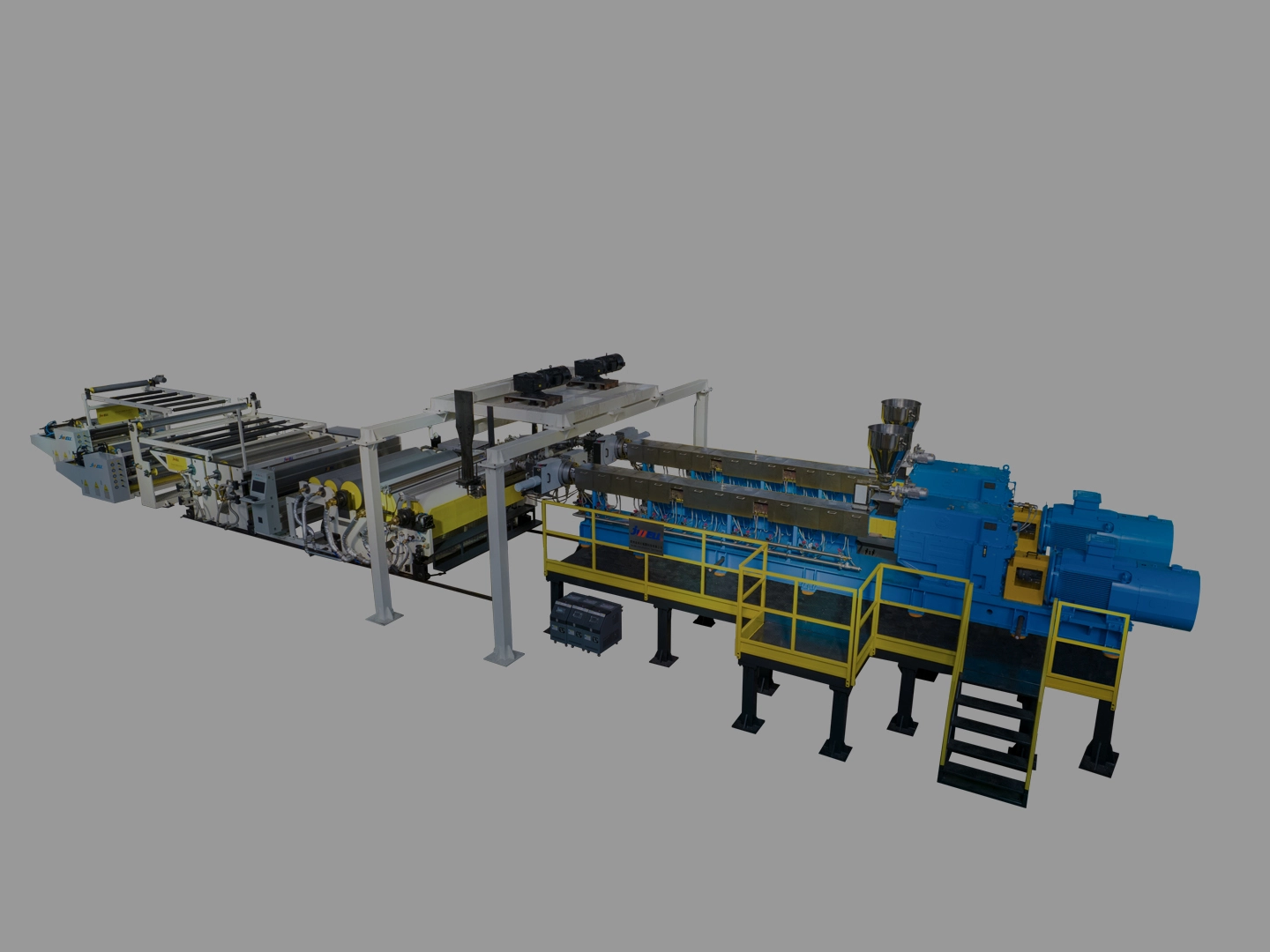
The landscape of plastic extrusion has shifted from simple profile production to the creation of complex, multi-functional materials that require immediate, high-speed processing. ALPMA (Alpenland Maschinenbau GmbH) has emerged as a cornerstone of this evolution, not as an OEM of the primary extruder itself, but as the master of the "downstream" environment. In modern manufacturing, the extrusion line does not end at the die; it ends when the product is stabilized, cut, and packaged.
ALPMA’s role is defined by the seamless transition of extruded materials—particularly thin-walled films and specialized profiles—into consumer-ready formats. By 2026, the integration of high-speed servo-driven handling has allowed extrusion lines to run at higher velocities because the downstream equipment can finally keep pace. This synchronization prevents bottlenecks that previously limited the output of high-capacity extruders.
Downstream Automation: From Extruder to Finished Product
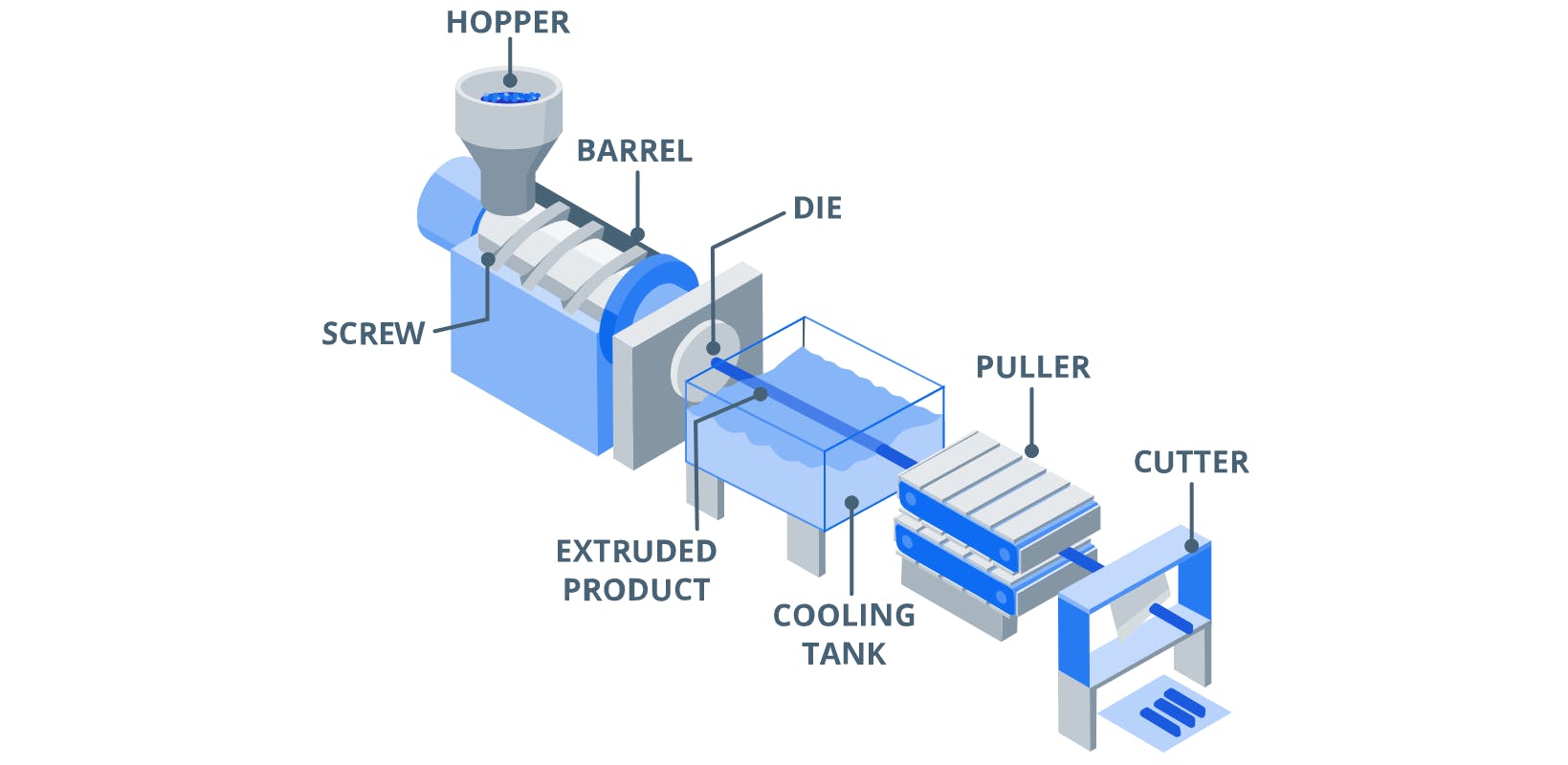
In traditional setups, the cooling and cutting phase of extrusion was often the most prone to error, leading to material waste (scrap). ALPMA’s specialized automation systems utilize vision-guided robotics to monitor the extruded product as it leaves the calibrator or cooling bath.
These systems perform several critical tasks:
- Real-time Dimensional Verification: Sensors detect minute deviations in the extruded profile, communicating back to the extruder’s PLC (Programmable Logic Controller) to adjust melt-pump speed or vacuum pressure.
- Tension Control for Thin Films: For manufacturers extruding high-barrier packaging films, ALPMA’s winding and tensioning technology ensures that the molecular orientation of the plastic is not compromised during the transition to the packaging stage.
- Hygienic Transfer: Especially in medical and food-grade extrusion, ALPMA’s machinery ensures that the extruded plastic never contacts contaminants, maintaining a sterile chain from the melt to the wrap.
Technical Contributions to Sustainable Film Processing
As of 2026, the plastics industry is under immense pressure to utilize Post-Consumer Recyclates (PCR) and bio-based resins. These materials often exhibit inconsistent flow behaviors and different thermal properties compared to virgin polymers. ALPMA’s role has become essential in managing these inconsistencies during the post-extrusion phase.
Managing Bio-based and Recycled Extruded Resins
Bio-plastics, such as PLA (Polylactic Acid) or PHA (Polyhydroxyalkanoates), are often more brittle than traditional polyolefins. ALPMA has developed soft-touch handling systems that prevent micro-fractures in extruded bio-materials. In the cutting phase, where traditional mechanical blades might shatter a brittle bio-plastic profile, ALPMA utilizes ultrasonic cutting technology.
Ultrasonic cutting reduces the friction between the blade and the plastic, allowing for a "clean" separation without the application of excessive force. This is a game-changer for the extrusion of sustainable materials, as it significantly reduces the percentage of rejected parts due to edge fraying or cracking.
Barrier Technology and Multi-Layer Film Integration
Modern extrusion often involves co-extrusion (COEX) to create multi-layer films with specific barrier properties (e.g., oxygen or moisture resistance). ALPMA’s machinery is designed to handle these multi-layered structures, which may have varying coefficients of friction. By using specialized coating-resistant rollers and anti-static bars, ALPMA ensures that high-performance extruded films do not "block" or stick to themselves during high-speed processing.
Hygienic Design Standards (EHEDG) in Extrusion Hardware
One of ALPMA's most significant contributions to the 2026 extrusion market is the cross-pollination of EHEDG (European Hygienic Engineering & Design Group) standards into the plastic processing world. Traditionally, extrusion was seen as a "heavy industrial" process where hygiene was secondary to throughput.
However, with the rise of active packaging and direct-contact food plastics, the "Sanitary Design" of downstream extrusion equipment has become a legal requirement in many jurisdictions. ALPMA’s equipment features:
- Stainless Steel Construction: Replacing painted carbon steel to prevent flaking and corrosion.
- Self-Draining Surfaces: Ensuring that cooling water or cleaning agents do not pool and harbor bacteria.
- Tool-Less Disassembly: Allowing operators to clean the "cutting and stacking" modules of an extrusion line in a fraction of the time required for standard industrial machinery.
Industry 4.0: Digital Twins and Real-Time Quality Control
In 2026, ALPMA has fully integrated Digital Twin technology into the extrusion downstream. When a new extrusion die is commissioned, a digital replica of the ALPMA handling line is created. This allows for virtual stress testing of the production flow before a single kilogram of resin is melted.
Synchronizing Melt-Flow with Packaging Speed
The primary challenge in modern extrusion is the "Surge" effect. Even the best extruders experience slight variations in output. ALPMA’s 2026 software suites utilize AI-driven predictive buffering. If the system detects a slight increase in extruder output, it automatically adjusts the downstream conveyor speeds and cutting frequencies in milliseconds. This prevents the "pile-up" effect that leads to catastrophic line stoppages.
Comparison of ALPMA Integrated Systems vs. Traditional Downstream
| Feature | Traditional Downstream Handling | ALPMA Integrated System (2026) |
|---|---|---|
| Cutting Method | Mechanical Blade / Saw | Ultrasonic / High-Precision Servo Blade |
| Material Handling | Manual or Basic Conveyor | Vision-Guided Robotic Pick-and-Place |
| Hygiene Level | Standard Industrial (IP54) | Hygienic Design (IP69K / EHEDG) |
| Data Integration | Isolated Line Components | Full Industry 4.0 / Digital Twin Sync |
| Material Support | Virgin Polymers Primarily | PCR and Bio-based Resin Optimized |
| Waste Rate | 3% - 5% Average | < 0.5% due to Precision Cutting |
Common Challenges and Troubleshooting in Integrated Lines
Despite the high level of automation, integrating ALPMA technology into an extrusion line requires careful calibration.
1. Thermal Expansion Misalignment In the extrusion process, plastics are processed at high temperatures and contract as they cool. If the ALPMA cutting unit is placed too close to the die, the material may still be "creeping."
- Solution: 2026 systems use non-contact infrared sensors to calculate the exact rate of contraction, automatically offsetting the cut length to ensure that the final, cooled product meets specifications.
2. Static Electricity Buildup High-speed extrusion of films generates massive static charges, which can interfere with robotic sensors and cause films to cling to machinery.
- Solution: Integrated ALPMA lines now feature active ionization bars that neutralize the charge at the exact point where the plastic leaves the extruder’s puller.
3. Synchronization Lag When an extruder speeds up, there is a physical delay before the material reaches the downstream equipment.
- Solution: ALPMA’s "Feed-Forward" control logic receives data directly from the extruder's screw speed sensor, allowing the downstream units to accelerate before the increased volume of material arrives.
Frequently Asked Questions
Does ALPMA manufacture the actual plastic extruder?
No, ALPMA does not manufacture the primary extrusion screw or barrel. They specialize in the downstream equipment, which includes the cooling, cutting, handling, and packaging systems that take the raw extruded material and turn it into a finished product. Their role is one of "Technical Integration," ensuring the high-speed output of the extruder is managed efficiently.
Why is ultrasonic cutting important for plastic extrusion?
Ultrasonic cutting, a core ALPMA technology, uses a blade vibrating at high frequencies (typically 20-30 kHz). In plastic extrusion, this allows for cutting through soft, sticky, or very brittle materials without deforming the profile. It results in a "mirror-finish" edge that requires no secondary deburring or finishing, saving significant labor costs.
Can ALPMA systems handle recycled (PCR) plastics?
Yes. In 2026, ALPMA systems are specifically calibrated to handle the physical variances found in Post-Consumer Recycled resins. Their sensors can detect changes in material density or flexibility in real-time, adjusting the handling pressure of robotic grippers to prevent damage to the more inconsistent recycled materials.
What industries benefit most from ALPMA’s role in extrusion?
While ALPMA has deep roots in the dairy industry (packaging cheese and butter), their role in plastic extrusion has expanded into the medical device sector (extruding tubing and sterile packaging), the high-end food packaging sector (multi-layer barrier films), and the sustainable consumer goods market (bio-plastic containers).
How does ALPMA improve the ROI of an extrusion line?
ALPMA improves Return on Investment (ROI) primarily through waste reduction and increased uptime. By reducing scrap rates to below 0.5% via precision cutting and preventing line jams through AI-driven synchronization, manufacturers can produce more sellable products from the same amount of raw resin and energy.
Practical Recommendation for Manufacturers
For companies looking to upgrade their extrusion capabilities in 2026, the focus should shift from the "melt" to the "finish." While the extruder is the heart of the process, the downstream handling determines the final quality.
Manufacturers should conduct a "Mass-Balance Audit" to identify where material is being lost. If the majority of scrap is generated during the cutting or packaging phase, integrating ALPMA-style automation is the most effective way to recover lost margins. Prioritize systems that offer EHEDG compliance, even if you are not currently in the food sector, as these standards are increasingly being adopted across all high-precision plastic industries to ensure longevity and ease of maintenance.