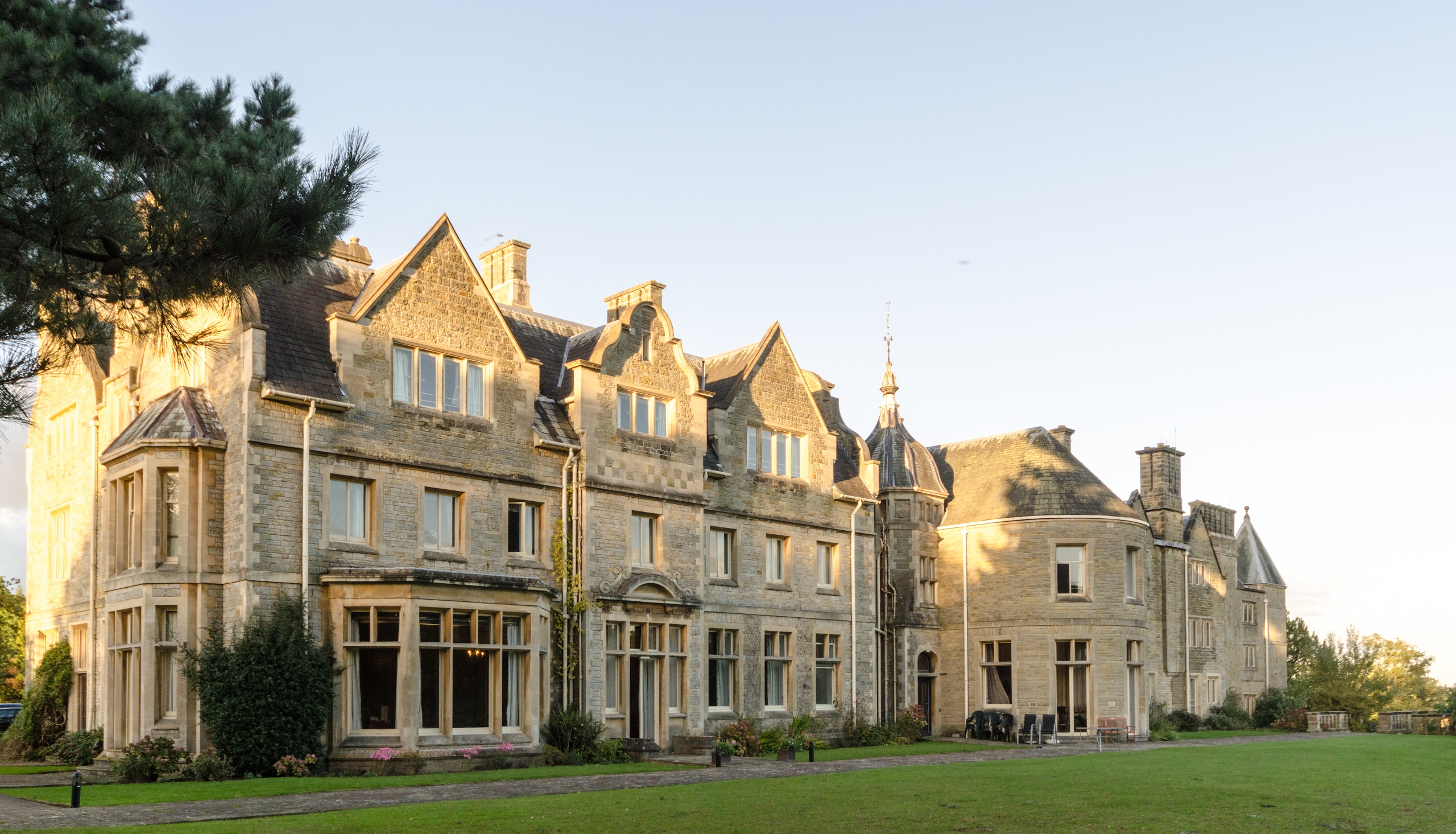
Alpine Manor refers to several prominent long-term care facilities, most notably the Alpine Manor Home for Adults in Lima, NY, and the Alpine Rehabilitation and Nursing Center in Little Falls, NY. These facilities provide a spectrum of services ranging from assisted adult living to high-intensity skilled nursing and sub-acute rehabilitation for seniors.
Understanding the "Alpine Manor" Facilities: Locations and Types of Care
When searching for "Alpine Manor," it is essential to distinguish between the various entities operating under this name, as the level of medical intervention and regulatory oversight varies significantly between them. In the long-term care industry, the term "Manor" is often used to denote a residential setting, but the clinical capabilities can range from basic supervision to 24-hour ventilator support.
Alpine Manor Home for Adults (Lima, New York)
Located in Livingston County, the Alpine Manor Home for Adults is primarily an adult care facility. Unlike a traditional "nursing home" or Skilled Nursing Facility (SNF), an adult home provides long-term residential care, including housing, housekeeping, and personal care. It is designed for individuals who do not require continuous medical or nursing monitoring but cannot live independently due to physical or cognitive limitations.
Alpine Rehabilitation and Nursing Center (Little Falls, New York)
This facility, often colloquially referred to as Alpine Manor by local residents, is a comprehensive Skilled Nursing Facility. It specializes in short-term rehabilitation (following surgery or stroke) and long-term clinical care. Because it is a certified SNF, it is subject to more rigorous federal regulations under the Centers for Medicare & Medicaid Services (CMS) than adult homes.
The Historical Context: Alpine Manor (Michigan)
It is important for researchers to note that the Alpine Manor located in Comstock Park, Michigan, which gained national attention in the late 1980s, has undergone significant changes in ownership and branding over the decades. Currently, most operations in that region have been absorbed into larger healthcare networks like Trinity Health. For those seeking current 2026 placement, the focus remains primarily on the New York-based facilities or contemporary equivalents.
Core Services and Medical Programs in 2026
The healthcare landscape in 2026 emphasizes integrated care models. Alpine Manor facilities have adapted by offering specialized tracks that cater to the increasing complexity of geriatric health.
Skilled Nursing Care
At the SNF level, skilled nursing involves 24-hour care provided by Registered Nurses (RNs), Licensed Practical Nurses (LPNs), and Certified Nursing Assistants (CNAs). This includes:
- Wound Care Management: Treatment for pressure ulcers, surgical incisions, and diabetic wounds using advanced negative pressure wound therapy.
- Intravenous (IV) Therapy: Administration of antibiotics, hydration, or nutrition for residents with acute infections or gastrointestinal issues.
- Medication Administration: Rigorous tracking and delivery of complex pharmacological regimens to prevent adverse drug interactions.
Rehabilitation Services
Rehabilitation is a cornerstone of the Alpine Rehabilitation and Nursing Center. The goal is "sub-acute" recovery, moving the patient from a hospital setting back to their home.
- Physical Therapy (PT): Focuses on mobility, gait training, and strengthening after orthopedic surgeries like hip or knee replacements.
- Occupational Therapy (OT): Assists residents in regaining the ability to perform Activities of Daily Living (ADLs), such as dressing, bathing, and using specialized utensils.
- Speech-Language Pathology (SLP): Vital for residents recovering from strokes who suffer from aphasia (difficulty speaking) or dysphagia (difficulty swallowing).
Behavioral Health and Memory Care
Many "Manor" style facilities, including the Lima, NY location, provide a structured environment for individuals with mild to moderate dementia or stable psychiatric conditions. These programs focus on "milieu therapy," where the environment is designed to reduce agitation and promote social engagement through predictable routines and specialized activities.
Admission Requirements and Eligibility
Securing a bed at a high-demand facility like Alpine Manor requires navigating specific clinical and financial prerequisites.
Clinical Assessment (PRI and SCREEN)
In New York State, any individual seeking admission to a skilled nursing facility must undergo a Patient Review Instrument (PRI) and SCREEN assessment. This is a standardized evaluation performed by a certified assessor to determine the "intensity of care" required. The PRI scores help the facility determine if they have the equipment and staffing ratios necessary to safely house the resident.
Financial Disclosure
Facilities require a thorough review of the applicant's financial status. This includes:
- Private Pay: Documentation of liquid assets to cover at least 6–12 months of care.
- Medicaid Eligibility: For those who cannot afford private pay, proof of a pending or active Medicaid application is required. In 2026, the "look-back" period for asset transfers remains a critical factor in New York (currently 60 months for nursing home care).
- Medicare Coverage: Medicare typically only covers "skilled" care following a three-day qualifying hospital stay, and it is limited to a maximum of 100 days.
Quality of Care and Regulatory Performance
As of 2026, the transparency of nursing home quality has reached an all-time high due to enhanced CMS reporting requirements.
CMS Star Ratings
The Centers for Medicare & Medicaid Services assigns a 1-to-5 star rating to facilities based on three critical domains:
- Health Inspections: Results from the last three years of onsite surveys and complaint investigations.
- Staffing: The number of hours of care provided per resident per day by nursing staff, adjusted for the "case mix" (the medical complexity of the residents).
- Quality Measures (QMs): Data on clinical outcomes, such as the percentage of residents with new pressure sores, falls with injury, or successful discharge to the community.
New York Department of Health (DOH) Oversight
The NY DOH conducts unannounced annual surveys. For Alpine Manor Home for Adults, these surveys focus on environmental safety, resident rights, and the appropriate management of funds. Prospective residents should request the "Statement of Deficiencies" (Form CMS-2567) from the facility administrator to see how the home has addressed past citations.
Financial Considerations and 2026 Cost Estimates
The cost of care at Alpine Manor is dictated by the level of service provided. Long-term care costs have continued to rise, outpacing general inflation due to the high cost of medical labor.
| Care Type | Facility Type | Estimated Monthly Cost (2026) | Primary Funding Source |
|---|---|---|---|
| Adult Home/Assisted Living | Alpine Manor (Lima) | $4,500 – $6,800 | Private Pay / SSI / Long-Term Care Insurance |
| Skilled Nursing (Long-term) | Alpine Rehab (Little Falls) | $12,500 – $16,000 | Medicaid / Private Pay |
| Sub-Acute Rehab (Short-term) | Alpine Rehab (Little Falls) | $500 – $900 (Daily) | Medicare / Private Insurance |
| Memory Care Wing | Specialized Unit | $7,000 – $9,500 | Private Pay / Medicaid |
Note: These figures are estimates based on New York regional averages and vary by room type (semi-private vs. private).
Life at the Manor: Amenities and Social Environment
Modern facilities in 2026 recognize that clinical care is only one part of a resident's well-being. Quality of life is heavily influenced by the social and physical environment.
Nutritional Services
Alpine Manor facilities employ Registered Dietitians to oversee meal planning. In 2026, there is a stronger emphasis on "person-centered dining," where residents have more choices in meal times and menus, moving away from the rigid "tray service" of the past. Special diets (mechanical soft, pureed, low-sodium) are strictly managed for safety.
Activity Programming
To combat the epidemic of loneliness in senior care, Alpine Manor provides:
- Cognitive Stimulation: Word games, trivia, and "brain fitness" digital platforms.
- Physical Activity: Chair yoga, balloon volleyball, and supervised walking clubs.
- Community Integration: Virtual reality "travel" sessions and intergenerational programs with local schools.
Facility Safety and Technology
By 2026, most top-tier nursing homes have integrated several key technologies:
- Electronic Health Records (EHR): Ensuring that doctors and therapists have real-time access to resident data.
- Fall Prevention Sensors: Non-invasive monitoring systems that alert staff if a high-risk resident attempts to exit a bed without assistance.
- Telehealth Portals: Allowing residents to consult with specialists (cardiologists, neurologists) without the trauma of a physical transport to a hospital.
Choosing the Right Facility: Key Comparison Factors
When evaluating Alpine Manor against other regional options, families should use a structured rubric to ensure the best fit for their loved one.
- Staffing Ratios: Ask specifically about the "RN-to-Resident" ratio during the night shift. Quality facilities maintain higher-than-mandatory staffing to ensure rapid response times.
- Specialized Certifications: Does the facility have a certified wound care nurse or a dedicated dementia practitioner on staff?
- Proximity to Acute Care: The Alpine Rehabilitation and Nursing Center's proximity to local hospitals is a major advantage for residents who may require emergency stabilization.
- Family Engagement: Look for a facility with an active Family Council. This is a sign that the administration is transparent and values family input.
Frequently Asked Questions
Does Alpine Manor accept Medicaid for long-term care?
Yes, most Alpine-branded facilities in New York are dually certified for Medicare and Medicaid. However, the Alpine Manor Home for Adults (Lima) operates under different state rules regarding Supplemental Security Income (SSI) and Medicaid than the Skilled Nursing Facility in Little Falls. Always verify bed availability for Medicaid recipients, as some facilities have "Medicaid caps."
What is the difference between Alpine Manor and a traditional nursing home?
The difference is based on the license. "Alpine Manor Home for Adults" is an adult care facility (assisted living style), while "Alpine Rehabilitation and Nursing Center" is a skilled nursing facility. The former offers help with daily life, while the latter offers intensive medical and nursing care.
Can a resident keep their own doctor at Alpine Manor?
Under the Resident's Bill of Rights, residents have the right to choose their own physician. However, the physician must be willing to follow the facility's regulatory requirements, such as timely signing of orders and attending mandatory care plan meetings. Many facilities have a "Medical Director" who oversees care if the personal physician cannot meet these requirements.
How are complaints handled at Alpine Manor?
Facilities are required by law to have a formal grievance process. Residents or families can file a complaint with the Social Services Department or the Nursing Home Administrator. If the issue is not resolved, it can be escalated to the State Long-Term Care Ombudsman or the Department of Health’s nursing home complaint hotline.
What should we bring for a long-term stay?
Residents are encouraged to bring personal items to make their room feel like home. This includes comfortable clothing (labeled with their name), photos, a favorite quilt, and a television. Large furniture is usually discouraged due to safety and space regulations.
Practical Recommendation and Next Actions
If you are considering Alpine Manor for a family member in 2026, the first step is to schedule an unannounced tour. While scheduled tours provide a good overview of the physical plant, an unannounced visit during evening or weekend hours provides a more accurate picture of staffing levels and resident engagement.
Before signing an admission agreement, consult with a geriatric care manager or an elder law attorney. They can help you navigate the complex "look-back" rules for Medicaid and ensure that the admission contract does not contain illegal "third-party guarantee" clauses that could make you personally liable for the resident's bills. Finally, visit the CMS Care Compare website to review the most recent inspection reports for the specific Alpine facility you are considering.