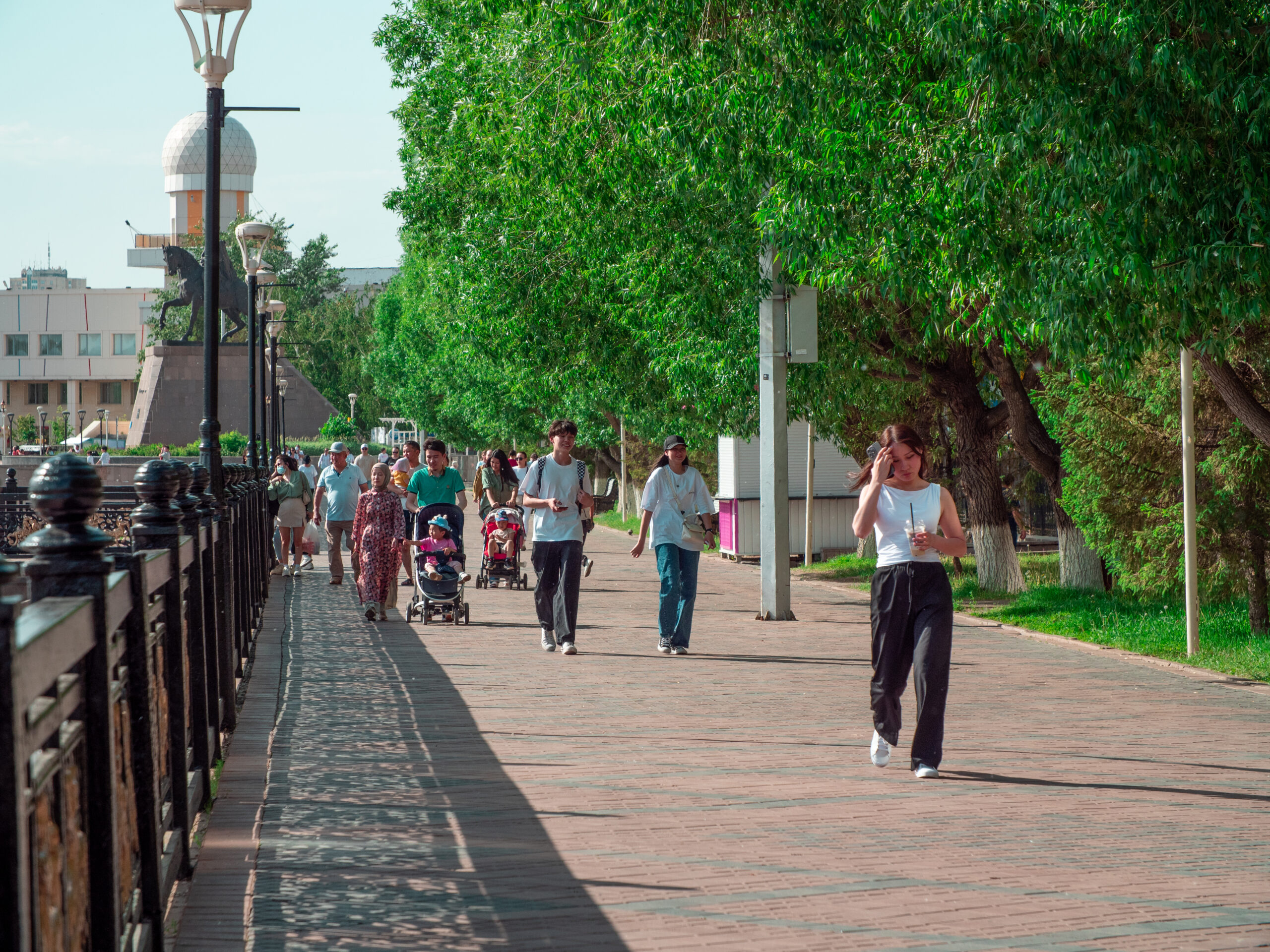
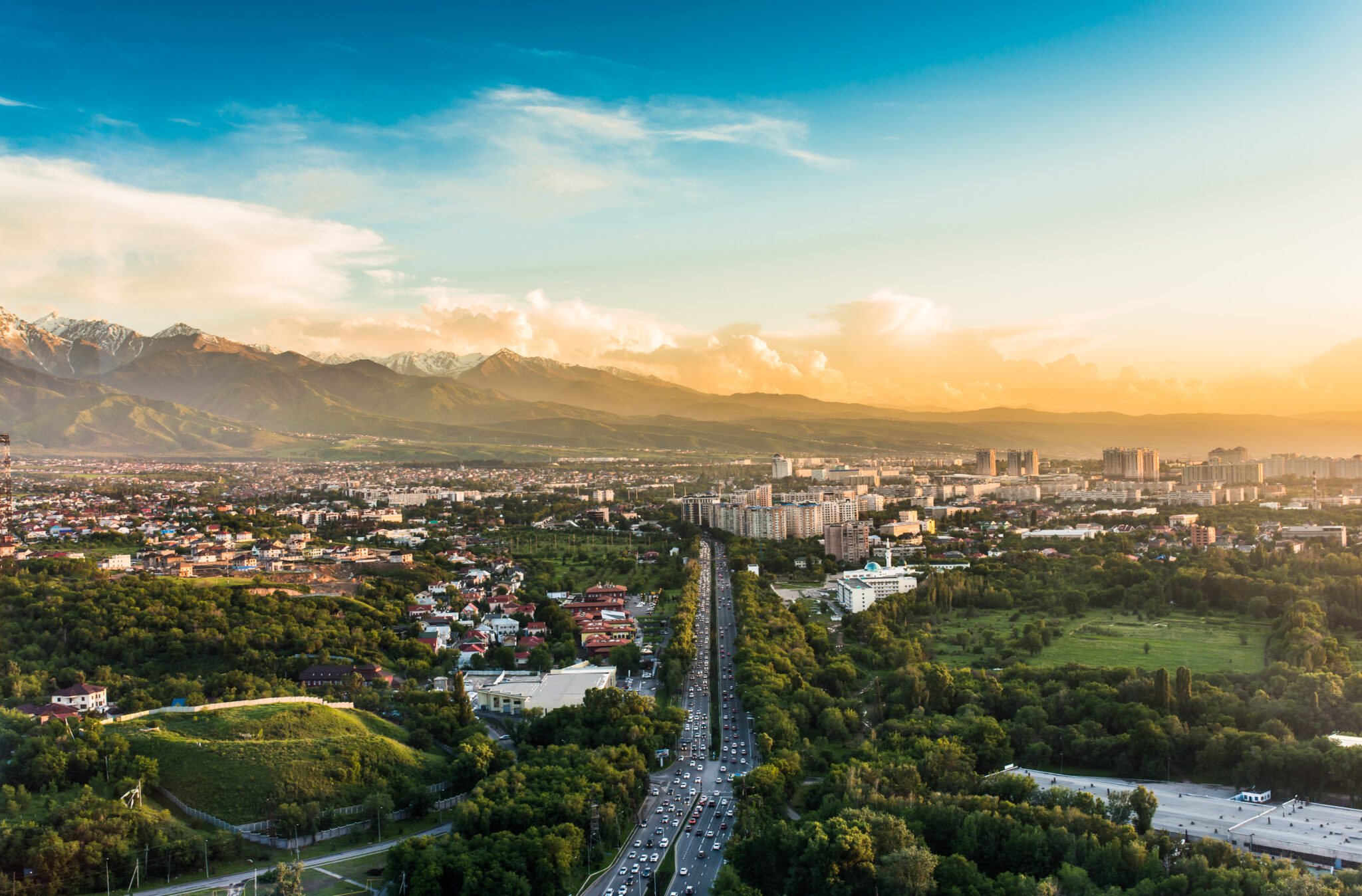
Choosing between Almaty and Astana depends on your priorities: Almaty offers a lush, mountainous backdrop and a vibrant cultural scene, while Astana provides a modern, planned urban experience with a focus on business and administration. Each city caters to different lifestyles, professional goals, and climate preferences in the heart of Central Asia.
As of 2026, Kazakhstan has firmly established itself as a premier destination for digital nomads, entrepreneurs, and travelers looking for a blend of nomadic heritage and high-tech urbanization. The two largest cities, Almaty and Astana, represent two distinct versions of the Kazakh dream. Almaty, the former capital, remains the country’s soul—a green, historic hub nestled at the foot of the Trans-Ili Alatau mountains. Astana, the purpose-built capital on the northern steppe, is a testament to futuristic architecture and rapid economic growth.
Selecting the right city for your stay—whether for a week or a year—requires an understanding of how these metropolises differ in terms of climate, cost, infrastructure, and atmosphere. This guide breaks down every critical factor to help you determine which city aligns with your personal and professional needs.
Geography and Climate: Mountains versus the Steppe
The most immediate difference between Almaty and Astana is their physical setting and the resulting weather patterns. These factors significantly impact daily life, outdoor recreation, and even psychological well-being.
Almaty: The Emerald City in the Mountains
Almaty is situated in the southeastern part of Kazakhstan at the base of the Trans-Ili Alatau mountains. This proximity to the peaks defines the city’s identity. The climate is continental but relatively mild compared to the north. In 2026, Almaty continues to enjoy four distinct seasons: a blooming spring, a warm (sometimes hot) summer, a colorful autumn, and a snowy but manageable winter.
The mountains act as a natural playground. Within a 30-minute drive from the city center, residents can reach the Medeu High-Altitude Ice Rink or the Shymbulak Mountain Resort. For those who value hiking, skiing, and clean mountain air, Almaty is the clear winner. However, the city’s bowl-like geography often traps air, leading to seasonal smog issues, particularly during winter when heating demand is high.
Astana: The Windswept Future
Located in the north-central part of the country, Astana is built on the vast, flat windswept steppe. Its geography allows for expansive, wide boulevards and massive architectural projects, but it offers little protection from the elements. Astana is famously one of the coldest capitals in the world.
Winters in Astana are long, harsh, and characterized by the "Buran"—powerful snowstorms and biting winds. Temperatures can plunge below -30°C (-22°F). Conversely, summers are short and can be surprisingly hot. To combat the extreme cold, Astana has developed an impressive network of indoor lifestyle spaces, including the world’s largest tent-shaped structure, the Khan Shatyr Entertainment Center, which maintains a tropical internal climate year-round. If you prefer a crisp, cold winter and a city that feels brand new, Astana’s environment might suit you.
The Cost of Living: Real Estate and Daily Expenses
By 2026, the influx of international workers and the success of the Neo Nomad Visa have influenced prices in both cities. Generally, Almaty remains the more expensive city for high-end real estate, while Astana offers a more diverse range of modern apartment options at various price points.
Housing and Rent
Almaty’s real estate market is driven by scarcity and prestige. The "Upper City" (southern districts like Medeu and Bostandyk) is highly sought after for its better air quality and proximity to the mountains. Rent for a modern one-bedroom apartment in these areas can range from $800 to $1,200 USD per month. Older, Soviet-era apartments are available at lower rates but may lack modern amenities.
Astana was designed for growth, meaning there is a constant supply of new housing stock, particularly on the Left Bank (the administrative and business district). Apartments here are often part of massive, high-tech residential complexes. You can often find a more modern, energy-efficient apartment in Astana for the same price as an older unit in Almaty. A stylish one-bedroom on the Left Bank typically costs between $600 and $900 USD.
Daily Expenses and Dining
In terms of groceries and utilities, the two cities are comparable. Kazakhstan remains highly affordable for those earning in major foreign currencies. A meal at a mid-range restaurant in 2026 costs roughly $15–$25 USD, while local street food or "stolovaya" (cafeteria-style) meals are significantly cheaper. Almaty has a slight edge in the variety and quality of fresh produce, as it is closer to the agricultural regions of the south and neighboring Uzbekistan.
Career Opportunities and Economic Landscape
The "better" city often depends on your industry. Kazakhstan has strategically divided its economic functions between the two hubs.
Almaty: Finance, Tech, and Creative Industries
Almaty is the commercial heart of the country. It hosts the headquarters of major banks, telecommunications companies, and international NGOs. The startup ecosystem is particularly vibrant here, centered around hubs like SmArt.Point. If you are a designer, digital marketer, software developer, or entrepreneur, Almaty’s networking scene is more organic and culturally diverse. The city feels more like a lived-in commercial capital, similar to New York or Almaty's regional neighbor, Tashkent.
Astana: Government, Energy, and Fintech
Astana is the seat of political power. It is the place to be if your work involves government relations, large-scale infrastructure, or the oil and gas sector. However, the city has also become a major fintech hub through the Astana International Financial Centre (AIFC). The AIFC operates under English Common Law, making it a unique "island" for international business in Central Asia. For those in finance, law, or regulatory tech, Astana provides professional opportunities that Almaty cannot match.
Infrastructure and Urban Mobility
In 2026, urban transit remains a key differentiator. Almaty struggles with its legacy layout, while Astana benefits from modern urban planning, though both face challenges.
- Almaty’s Transit: Almaty has a single, beautiful metro line that is expanding but still limited in coverage. The city is notoriously congested with traffic. However, it is a highly walkable city. The grid system in the center, combined with tree-lined streets and "Arbat" (pedestrian zones), makes walking pleasant during the warmer months.
- Astana’s Transit: Astana was built for the car. Its wide avenues can handle high volumes of traffic, though rush hour on the bridges connecting the Right and Left banks can be slow. By 2026, the Astana LRT (Light Rail Transit) project has significantly improved connectivity between the airport and the city center. Astana is less walkable due to the sheer scale of the buildings and the harsh winter winds, making taxis (via apps like Yandex Go) a necessity.
Lifestyle, Entertainment, and Social Scene
The "vibe" of each city is perhaps the most subjective yet important factor.
The Soul of Almaty
Almaty is often described as having more "soul." It feels historical and established. The city is famous for its coffee culture, craft breweries, and diverse culinary scene ranging from traditional Kazakh horse meat to high-end Korean and Georgian cuisine. The social life revolves around outdoor terraces, parks like Panfilov Park, and weekend trips into the mountains. It is a city that prioritizes leisure and quality of life.
The Ambition of Astana
Astana feels like a city of the future. It is clean, orderly, and somewhat grand. The social scene is more centralized within massive shopping malls like Dostyk Plaza or the EXPO-2017 site. While Almaty is about the "street," Astana is about the "venue." Nightlife in Astana is often found in high-end hotel bars and exclusive clubs. It appeals to those who enjoy the feeling of being in a fast-evolving, ambitious environment where everything is new.
Comparison Summary Table
The following table provides a direct comparison of key metrics as of 2026 to help you visualize the differences.
| Feature | Almaty | Astana |
|---|---|---|
| Primary Vibe | Cultural, Green, Bohemian | Modern, Administrative, Grand |
| Climate | Milder, four distinct seasons | Extreme cold, high winds |
| Nature Access | Immediate (Mountains/Lakes) | Distant (Steppe/Burabay) |
| Avg. Rent (1BR) | $800 - $1,200 | $600 - $900 |
| Walkability | High (in city center) | Low (due to scale/weather) |
| Primary Industries | Finance, Tech, Media, Arts | Gov, Energy, Fintech, Law |
| Air Quality | Can be poor (Winter Smog) | Generally better (Windy) |
| Connectivity | Major International Airport | Modern Hub / AIFC Hub |
Safety and Environmental Considerations
Both Almaty and Astana are remarkably safe cities by global standards. Violent crime is rare, and the streets are generally safe to walk at night. However, there are environmental risks to consider.
- Seismic Activity: Almaty is located in a seismically active zone. While modern buildings are constructed to withstand tremors, the threat of earthquakes is a permanent fixture of life there.
- Air Quality: As mentioned, Almaty’s air quality in winter can be hazardous due to coal-fired power plants and car emissions. Astana, while having better air dispersion due to wind, faces the environmental challenge of extreme cold, which can be dangerous for those not physically prepared for -35°C temperatures.
- Healthcare: Both cities offer high-quality private healthcare. In 2026, clinics like Interteach or UMC in Astana provide international-standard care, often with English-speaking staff.
Frequently Asked Questions
Which city is better for digital nomads?
Almaty is generally preferred by digital nomads due to its superior cafe culture, proximity to nature, and established expat community. The city’s atmosphere is more conducive to the creative and flexible lifestyle typical of nomads. However, Astana’s Neo Nomad visa processing and high-speed infrastructure make it a very functional alternative for those focused purely on work.
Is English widely spoken in these cities?
By 2026, English proficiency has grown significantly, especially among the younger generation and in the service industry. However, Russian remains the lingua franca for daily communication, and Kazakh is the primary official and cultural language. You can survive with English in both Almaty and Astana, but learning basic Russian or Kazakh phrases is highly recommended for a better experience.
How easy is it to travel between Almaty and Astana?
It is very easy. There are multiple daily flights between the two cities taking about 1.5 hours. Alternatively, the Tulpar-Talgo high-speed train offers a comfortable journey that takes approximately 12 to 15 hours, providing a scenic view of the Kazakh steppe.
Which city is more family-friendly?
Both cities have strengths. Almaty offers more parks and outdoor activities for children. Astana offers modern, secure residential complexes with indoor play areas and high-standard international schools (such as QSI or Haileybury). Astana’s flatness and wide sidewalks are also more stroller-friendly than some of Almaty’s older, cracked pavements.
Final Recommendation
If you are a creative professional, a nature lover, or someone who thrives in a historic, bustling environment with a European-meets-Asian flair, Almaty is your city. Its mountains and cafe culture offer a high quality of life that is hard to beat in Central Asia.
If you are a business professional, an architect of your own future, or someone who enjoys modern, orderly environments and doesn't mind a bit of cold, Astana is the place for you. It represents the "New Kazakhstan"—ambitious, shiny, and strategically positioned on the global stage.