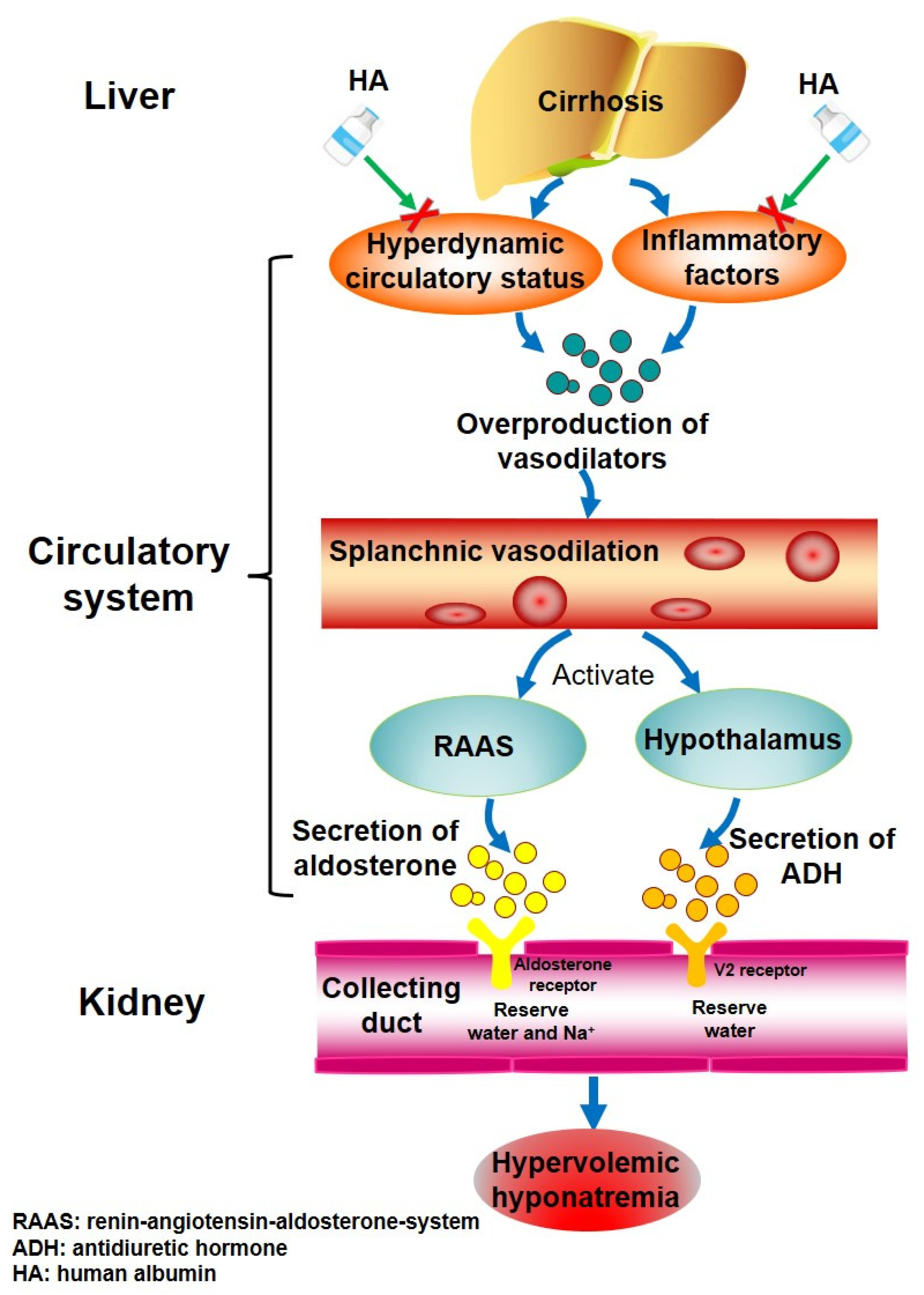
Albumin is a vital protein synthesized exclusively by the liver, accounting for approximately 50% to 60% of all blood plasma proteins. It plays a critical role in maintaining osmotic pressure and transporting essential substances throughout the body. Low albumin levels often serve as a primary clinical indicator of liver dysfunction or chronic disease.
The Biological Synthesis of Albumin
In the human body, the liver acts as the sole factory for albumin production. This process takes place within specialized liver cells known as hepatocytes. Under normal physiological conditions, a healthy adult liver produces between 10 and 15 grams of albumin every day. This production rate is not static; it is highly sensitive to the body’s nutritional status, hormonal signals, and the presence of systemic inflammation.
The synthesis begins at the genetic level within the nucleus of the hepatocyte, where the albumin gene is transcribed into messenger RNA (mRNA). This mRNA is then translated by ribosomes attached to the rough endoplasmic reticulum. The initial product is a precursor called preproalbumin, which is subsequently processed into proalbumin and finally into mature albumin before being secreted into the bloodstream.
Because the liver has a significant "reserve capacity," albumin levels may remain within the normal range even when a portion of the liver is damaged. However, in cases of chronic liver disease, such as cirrhosis or advanced hepatitis, the number of functioning hepatocytes decreases to a point where the liver can no longer meet the body’s demand for this protein. By 2026, clinical protocols continue to emphasize that while albumin is a marker of liver function, its long half-life—approximately 20 days—means it reflects the liver's synthetic capacity over several weeks rather than providing a "snapshot" of acute changes.
Primary Functions: Why the Body Needs Albumin
Albumin is often described as the "workhorse" of the blood because it performs multiple disparate but equally essential roles. Understanding these functions is key to recognizing why liver dysfunction leads to such widespread systemic symptoms.
Maintenance of Oncotic Pressure
The most critical role of albumin is the maintenance of Colloid Osmotic Pressure (COP), also known as oncotic pressure. While electrolytes like sodium help manage fluid balance, albumin is the primary large molecule that keeps fluid from leaking out of the blood vessels and into the surrounding tissues.
According to the Starling principle, fluid movement across capillary walls is determined by the balance between hydrostatic pressure (which pushes fluid out) and oncotic pressure (which pulls fluid in). Because albumin is too large to easily pass through healthy capillary walls, it remains in the plasma, exerting an "osmotic pull" that keeps water within the circulatory system. When the liver fails to produce enough albumin, this pull weakens, leading to the accumulation of fluid in the abdomen (ascites) or the limbs (edema).
Molecular Transport and Binding
Albumin acts as a universal taxi service for the body. Many molecules are not water-soluble and cannot travel through the bloodstream on their own. Albumin possesses specific binding sites that allow it to carry:
- Bilirubin: A byproduct of red blood cell breakdown that must be transported to the liver for processing.
- Hormones: Including thyroid hormones and various steroid hormones.
- Fatty Acids: Essential for energy metabolism.
- Minerals: Most notably calcium and magnesium.
- Pharmaceuticals: Many common medications, such as warfarin (a blood thinner) and various antibiotics, bind to albumin. If albumin levels are low, there is more "free" drug in the system, which can increase the risk of toxicity or alter the medication's effectiveness.
pH Buffering and Antioxidant Activity
Albumin contributes to the body’s acid-base balance by acting as a buffer. It can bind to hydrogen ions, helping to stabilize the pH of the blood. Additionally, albumin has significant antioxidant properties. It can bind to free copper and iron ions, preventing them from participating in chemical reactions that produce harmful free radicals. Its thiol group (-SH) also allows it to directly neutralize certain reactive oxygen species, protecting the vascular lining from oxidative stress.
Interpreting Albumin in Liver Function Tests (LFTs)
When a physician orders a Liver Function Test (LFT) panel, albumin is one of the "true" markers of function. Unlike enzymes such as ALT or AST, which indicate liver cell damage when they leak into the blood, albumin levels indicate how well the liver is actually working.
The standard reference range for serum albumin in an adult is typically 3.4 to 5.4 g/dL (34 to 54 g/L). However, results must be interpreted within the context of other markers.
| Marker | Normal Range (Approx.) | Significance in Liver Health |
|---|---|---|
| Serum Albumin | 3.4 – 5.4 g/dL | Low levels suggest chronic liver failure, malnutrition, or kidney loss. |
| Serum Globulin | 2.0 – 3.5 g/dL | Elevated levels can indicate autoimmune hepatitis or chronic infection. |
| A/G Ratio | 1.1 – 2.5 | A low ratio (low albumin vs. high globulin) is a classic sign of cirrhosis. |
| Prealbumin | 15 – 36 mg/dL | A short-term marker (2-day half-life) used to assess acute nutritional changes. |
| Prothrombin Time (PT) | 11 – 13.5 seconds | Measures blood clotting; another "true" marker of liver synthetic function. |
The A/G Ratio
Laboratories often calculate the Albumin/Globulin (A/G) ratio. While albumin is produced by the liver, globulins (which include antibodies) are produced by both the liver and the immune system. In chronic liver disease, albumin production drops while globulin production often increases as the immune system reacts to the disease. Therefore, a low A/G ratio is a hallmark of advanced liver pathology.
Causes of Low Albumin (Hypoalbuminemia)
While the liver is the center of albumin production, low levels are not always the fault of the liver. Doctors must differentiate between decreased production, increased loss, and dilution.
1. Decreased Synthesis (Liver-Related)
In conditions like cirrhosis, the healthy liver tissue is replaced by scar tissue. This permanent damage limits the organ's ability to synthesize proteins. Similarly, severe cases of fatty liver disease (MASLD/MASH) or chronic viral hepatitis (B or C) can eventually lead to decreased albumin production.
2. Malnutrition and Malabsorption
The liver requires a steady supply of amino acids from dietary protein to build albumin. In cases of severe malnutrition (such as kwashiorkor) or malabsorption syndromes (like Crohn's disease or Celiac disease), the liver lacks the "raw materials" needed for synthesis, even if the liver itself is healthy.
3. Increased Loss (Kidney and Gut)
Even if the liver is producing enough albumin, levels can drop if it is being lost elsewhere. In Nephrotic Syndrome, the kidneys' filters are damaged, allowing albumin to leak into the urine (proteinuria). In certain gastrointestinal diseases (protein-losing enteropathy), albumin can leak into the digestive tract.
4. Inflammation and Stress
Albumin is considered a "negative acute-phase reactant." During times of severe infection, trauma, or major surgery, the body prioritizes making other proteins involved in the immune response and blood clotting (like C-reactive protein and fibrinogen). Consequently, it temporarily slows down albumin production. In these cases, low albumin reflects the severity of the illness rather than a permanent loss of liver function.
Clinical Consequences: Ascites and Edema
One of the most visible consequences of low albumin in liver disease is the redistribution of body fluids. When serum albumin levels drop below a certain threshold—usually around 2.0 to 2.5 g/dL—the oncotic pressure in the blood vessels becomes too low to counteract the hydrostatic pressure.
This imbalance results in fluid leaking into the interstitial spaces. In the lower extremities, this presents as peripheral edema (swelling of the ankles and legs). In patients with portal hypertension (high blood pressure in the liver's vein system) combined with low albumin, fluid accumulates in the peritoneal cavity, a condition known as ascites. Ascites is a significant clinical milestone in liver disease, often requiring dietary sodium restriction, diuretics, or therapeutic paracentesis (draining the fluid with a needle).
Managing and Improving Albumin Levels
Treating low albumin is rarely as simple as "eating more protein," especially if the underlying cause is advanced liver disease. Management strategies are multifaceted and depend entirely on the diagnosis.
- Treating the Primary Liver Condition: For patients with viral hepatitis, antiviral medications may stop liver damage and allow albumin levels to stabilize. In cases of alcohol-related liver disease, cessation of alcohol is the most critical step.
- Nutritional Support: If the cause is malnutrition, a high-protein diet or specialized nutritional supplements may be prescribed. However, in patients with advanced cirrhosis, protein intake must be carefully monitored by a hepatologist to avoid triggering hepatic encephalopathy.
- Albumin Infusions: In acute medical settings, human albumin may be administered intravenously. This is not a permanent fix for chronic low albumin; rather, it is used for specific purposes, such as preventing kidney failure after a large-volume paracentesis or treating certain types of infections (like spontaneous bacterial peritonitis) in patients with cirrhosis.
- Managing Fluid Balance: Diuretics (water pills) like spironolactone or furosemide are commonly used to help the body eliminate the excess fluid caused by hypoalbuminemia.
Frequently Asked Questions
Can I raise my albumin levels by eating more eggs or meat?
If the low albumin is caused by a simple lack of dietary protein, increasing protein intake can help. However, if the cause is cirrhosis or kidney disease, the body cannot process or retain that protein effectively. In advanced liver disease, you should always consult a doctor before significantly increasing protein intake, as it can occasionally worsen other complications.
Does low albumin always mean I have liver disease?
No. While it is a key marker for liver health, low albumin can also be caused by kidney disease (where albumin is lost in urine), severe inflammation, heart failure, or malnutrition. A full medical evaluation, including other blood markers and imaging, is necessary to determine the source of the problem.
What is the difference between albumin and prealbumin?
Despite their similar names, they are different proteins. Albumin has a half-life of 20 days and reflects long-term liver health. Prealbumin (transthyretin) has a half-life of only 2 days. Because it changes so quickly, prealbumin is primarily used by dietitians and doctors to track a patient’s nutritional status in real-time.
Why does my doctor check albumin for my medication dosage?
Because albumin binds to many drugs, low levels mean there is more "active" or "free" drug circulating in your blood than intended. This can make standard doses of certain medications (like anti-seizure drugs or blood thinners) dangerous. Knowing your albumin level helps the doctor calculate a safer, more accurate dose.
Is high albumin a cause for concern?
High albumin (hyperalbuminemia) is much less common than low levels. It is almost always a sign of severe dehydration. When the water content of the blood decreases, the concentration of albumin appears higher. It is rarely a sign of a primary liver problem and usually resolves once the patient is properly rehydrated.
Summary and Next Actions
Albumin is the most accurate reflection of the liver's synthetic capability and a cornerstone of circulatory health. Its roles in maintaining fluid balance and transporting vital molecules make it indispensable. If your laboratory results show low albumin, it is essential to view this finding as a signal rather than a diagnosis.
Next Actions:
- Review the full LFT panel: Look at your bilirubin, INR/PT, and liver enzymes (ALT/AST) alongside albumin to get a complete picture.
- Consult a specialist: If levels are persistently low, a referral to a hepatologist (liver specialist) or nephrologist (kidney specialist) is often the standard of care in 2026.
- Monitor for symptoms: Watch for new swelling in the ankles or an increasing abdominal girth, and report these to your healthcare provider immediately.
Disclaimer: This article is for informational purposes only and does not constitute medical advice. Always seek the advice of a qualified health provider with any questions regarding a medical condition.