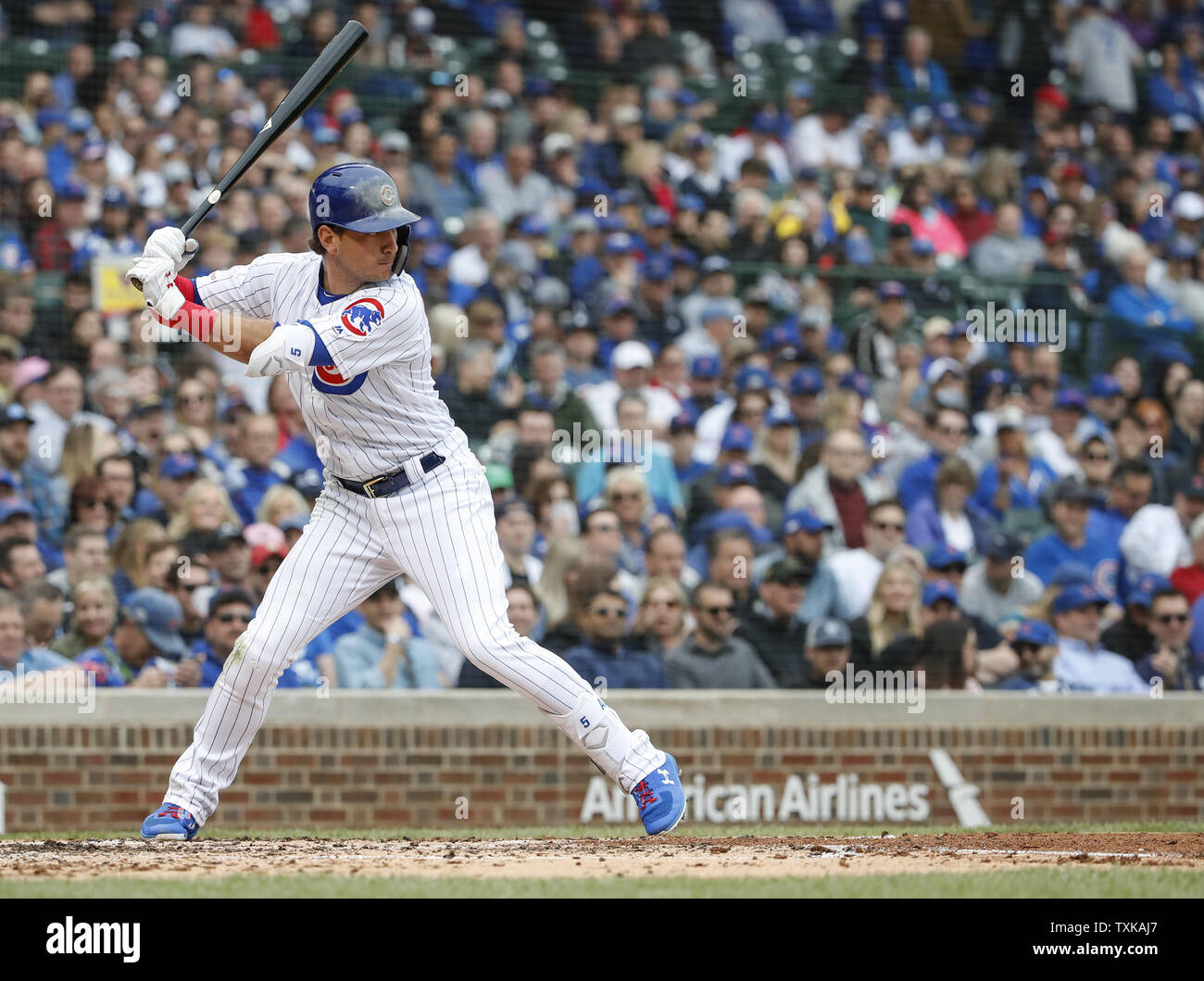
As of 2026, Albert Almora Jr.’s net worth is estimated to be between $5 million and $10 million. This valuation is primarily derived from his career earnings as a Major League Baseball (MLB) outfielder, his substantial 2012 draft signing bonus, and subsequent professional contracts with organizations including the Chicago Cubs, New York Mets, and Cincinnati Reds.
The financial trajectory of a professional athlete like Albert Almora Jr. offers a fascinating look into the middle-to-upper tier of MLB earnings. While not a "megastar" command-earning hundreds of millions, Almora’s career represents the "steady professional" path. His wealth is a product of high-level amateur scouting, a World Series championship, and the longevity required to navigate the complexities of MLB’s arbitration and free-agency systems.
The Foundation of Wealth: The 2012 MLB Draft
The cornerstone of Albert Almora Jr.’s financial portfolio was established long before he took his first swing in a Major League game. In the 2012 MLB Draft, the Chicago Cubs selected Almora as the sixth overall pick out of Mater Academy Charter School in Hialeah Gardens, Florida.
Being a top-ten selection in the MLB draft carries immediate and significant financial implications. Almora signed with the Cubs for a signing bonus of $3.9 million. In the world of professional sports, signing bonuses are critical because they are often the largest single lump-sum payment a player receives until they reach their second or third year of salary arbitration.
For Almora, this $3.9 million served as a massive "nest egg." Unlike the NFL or NBA, where rookie contracts are often fully guaranteed and higher in annual value, MLB rookies spend years in the minor leagues earning relatively low wages. The signing bonus provides the liquidity necessary for a young player to focus entirely on their development without the financial strain typical of minor league life. When adjusted for taxes and agent fees (typically 4-5%), this initial influx of capital provided Almora with a multi-million dollar foundation by the age of 18.
Career Earnings Breakdown: The Chicago Cubs Era (2016–2020)
Almora’s primary wealth-building years occurred during his tenure with the Chicago Cubs. He made his MLB debut in 2016, a historic year for the franchise. His participation in the Cubs' 2016 World Series victory was not just a career highlight; it was a financial catalyst.
The Pre-Arbitration Phase
From 2016 through 2018, Almora was in the "pre-arbitration" phase of his career. In the MLB, teams essentially control a player's salary for the first three years of their service time, usually paying near the league minimum.
- 2016: Earned a pro-rated portion of the $507,500 league minimum.
- 2017: Earned approximately $552,000.
- 2018: Earned approximately $585,000.
While these numbers seem modest compared to star players, they are supplemented by postseason shares. For example, the 2016 World Series winning share for Cubs players was approximately $368,000 per full share. As a contributor to that roster, Almora’s take-home pay for 2016 nearly doubled due to the team's success.
The Arbitration Years
The most significant jump in Almora's annual salary came when he became eligible for salary arbitration. Arbitration allows a player to negotiate a salary based on their performance relative to their peers.
- 2019: Almora avoided arbitration by signing a one-year deal worth $1.585 million.
- 2020: Despite a shortened season due to global events, his base salary was set at $1.575 million (though pro-rated).
By the time Almora left the Chicago Cubs following the 2020 season, his cumulative career earnings from salary alone (excluding his signing bonus) had surpassed $4 million.
Post-Cubs Career: The Veteran Journeyman Market
After being non-tendered by the Cubs in late 2020, Almora entered the world of free agency. The market for a high-level defensive outfielder who provides veteran leadership is consistent, albeit not as lucrative as the market for "sluggers."
In 2021, Almora signed a one-year, $1.25 million contract with the New York Mets. This move demonstrated his value as a defensive specialist. Although his playing time was limited by injuries and roster depth, the contract added another million-dollar-plus figure to his career earnings.
In 2022, he moved to the Cincinnati Reds on a minor league deal that was later selected to the major league roster. During his time with the Reds and subsequent stints with organizations like the Cleveland Guardians (on minor league contracts with invitations to Spring Training), Almora continued to earn salaries hovering around the league veteran minimum, which by 2024–2025 had risen to approximately $740,000 to $760,000.
Cumulative Contract Estimates
| Period | Team(s) | Estimated Total Earnings (Pre-tax) |
|---|---|---|
| 2012 | Chicago Cubs (Signing Bonus) | $3,900,000 |
| 2016–2018 | Chicago Cubs (Pre-Arb) | $1,650,000 |
| 2016 | Postseason Share (WS Win) | $368,000 |
| 2019–2020 | Chicago Cubs (Arbitration) | $3,160,000 |
| 2021 | New York Mets | $1,250,000 |
| 2022–2025 | Various (Reds, Guardians, etc.) | $2,500,000 |
| Total | ~$12,828,000 |
Note: These figures represent gross earnings before taxes, agent fees, and clubhouse dues.
Taxes, Fees, and the "Real" Net Worth
When discussing an athlete's net worth, it is vital to distinguish between "career earnings" and "current net worth." If Albert Almora Jr. has earned roughly $13 million in his career, his net worth is not $13 million.
- Taxation: Professional athletes are subject to the "Jock Tax," meaning they pay state income taxes in every state where they play games. Between Federal taxes and high-tax states like Illinois and New York, Almora likely paid 40-45% of his earnings in taxes.
- Agent Fees: Most MLB agents charge between 4% and 5% of the contract value.
- Living Expenses: Maintaining the lifestyle of a professional athlete—including off-season training facilities, travel, and housing in multiple cities—is expensive.
By 2026, if Almora managed his finances conservatively—investing a significant portion of his $3.9 million bonus into diversified portfolios or real estate—his assets likely appreciated. This investment growth often offsets the high taxes and spending, keeping his net worth in the $5M - $10M range even as his active playing days wind down.
Endorsements and Brand Partnerships
Albert Almora Jr. was never a "national face" for brands like Gatorade or Nike in the way a Bryce Harper or Mike Trout might be. However, he maintained several steady endorsement deals that provided supplemental income.
- Rawlings: As a Gold Glove-caliber center fielder, Almora has had long-standing ties with Rawlings for his gloves. These deals often include a base retainer plus equipment.
- Nike: Almora has frequently been seen wearing Nike cleats and apparel, typically part of a "merchandise plus" deal where the player receives an allowance and a modest stipend.
- Local Chicago Endorsements: During the 2016–2019 "Cubs Fever" era, Almora participated in local appearances, memorabilia signings, and regional advertisements. For a popular player on a championship team, these local deals can easily generate an additional $50,000 to $100,000 annually.
Real Estate and Personal Assets
Almora, a Florida native, has historically kept his primary residence in the Sunshine State. Florida is a strategic choice for high-net-worth athletes because it has no state income tax. By establishing residency there, Almora has been able to protect a larger portion of his off-season income and signing bonus.
While specific details of his private property are not public record, players of his caliber typically invest in primary residences valued between $1 million and $2.5 million. These assets form a significant portion of the non-liquid net worth of a professional athlete.
The Financial Impact of Being a "Gold Glove" Defender
In modern baseball economics, defensive metrics like Defensive Runs Saved (DRS) and Ultimate Zone Rating (UZR) have a direct impact on net worth. Almora’s reputation as an elite defender allowed him to remain on MLB rosters longer than players with similar offensive statistics.
Each year a player stays on a 40-man roster, they accrue service time. Accruing more than six years of service time grants a player "Full Free Agency" and, more importantly, eligibility for the MLB Pension Plan. As of 2026, Almora has likely crossed or is very near the threshold for a full MLB pension, which is considered one of the most generous in professional sports. While this doesn't add immediate cash to a "net worth" calculation today, the present value of that future guaranteed income is worth millions.
Frequently Asked Questions
What was Albert Almora Jr.'s highest annual salary?
His highest single-year base salary was approximately $1.585 million, earned during the 2019 season with the Chicago Cubs. While he signed a similar deal for 2020, the actual take-home pay was reduced due to the shortened 60-game season.
How much did Albert Almora Jr. make from the 2016 World Series?
The 2016 Chicago Cubs players voted on their playoff shares, and a full share was worth $368,871.59. As a member of the active roster during the World Series, Almora received this full bonus on top of his base salary.
Does Albert Almora Jr. have any major business investments?
While Almora has not publicly launched a major brand or venture, many players of his era invest in real estate syndications or private equity firms catering to athletes. He has generally maintained a private profile regarding his investment portfolio.
Is Albert Almora Jr. still playing baseball in 2026?
By 2026, Almora is 32 years old. At this age, many defensive specialists are either serving as veteran fourth outfielders in the MLB or have transitioned into coaching or professional scouting. His current "net worth" reflects the culmination of a decade-long career in the professional ranks.
How did his draft slot affect his total wealth?
Being the 6th overall pick was arguably the most important financial event of his life. The $3.9 million signing bonus provided immediate capital that, if invested at a standard 7% annual return, would have nearly doubled in value by 2026, independent of his baseball salary.
Final Financial Outlook
Albert Almora Jr. represents the successful realization of the "prospect dream." By converting his amateur talent into a top-ten draft slot and then sustaining a decade-long career in the Major Leagues, he has secured a level of wealth that places him in the top 1% of earners globally.
For readers looking to understand the financial reality of professional baseball, Almora’s story is a reminder that you don't need a $300 million contract to build a lasting legacy. Through a combination of a significant initial bonus, championship performance, and defensive utility, Almora has built a net worth that ensures financial security long after he hangs up his cleats.
Recommendation: For those tracking athlete wealth, it is important to monitor "Service Time" milestones. For a player like Almora, the transition from active roster status to pension eligibility is the final step in securing a multi-million dollar retirement.