Navigating airline pet policies requires understanding the distinct classification of animals, specific carrier requirements, and necessary documentation. Most major airlines differentiate between pets traveling in the cabin, pets checked in the cargo hold, and service animals. Success depends on verifying breed eligibility, meeting strict size and weight constraints for carriers, and completing all required health and vaccination filings well in advance of your flight.
The Three Pillars of Airline Animal Transport
When researching airline pet policies, the primary challenge is determining how your animal is classified. Carriers do not treat all animals equally, and their operational regulations shift significantly based on the animal’s role and size.
1. In-Cabin Pets
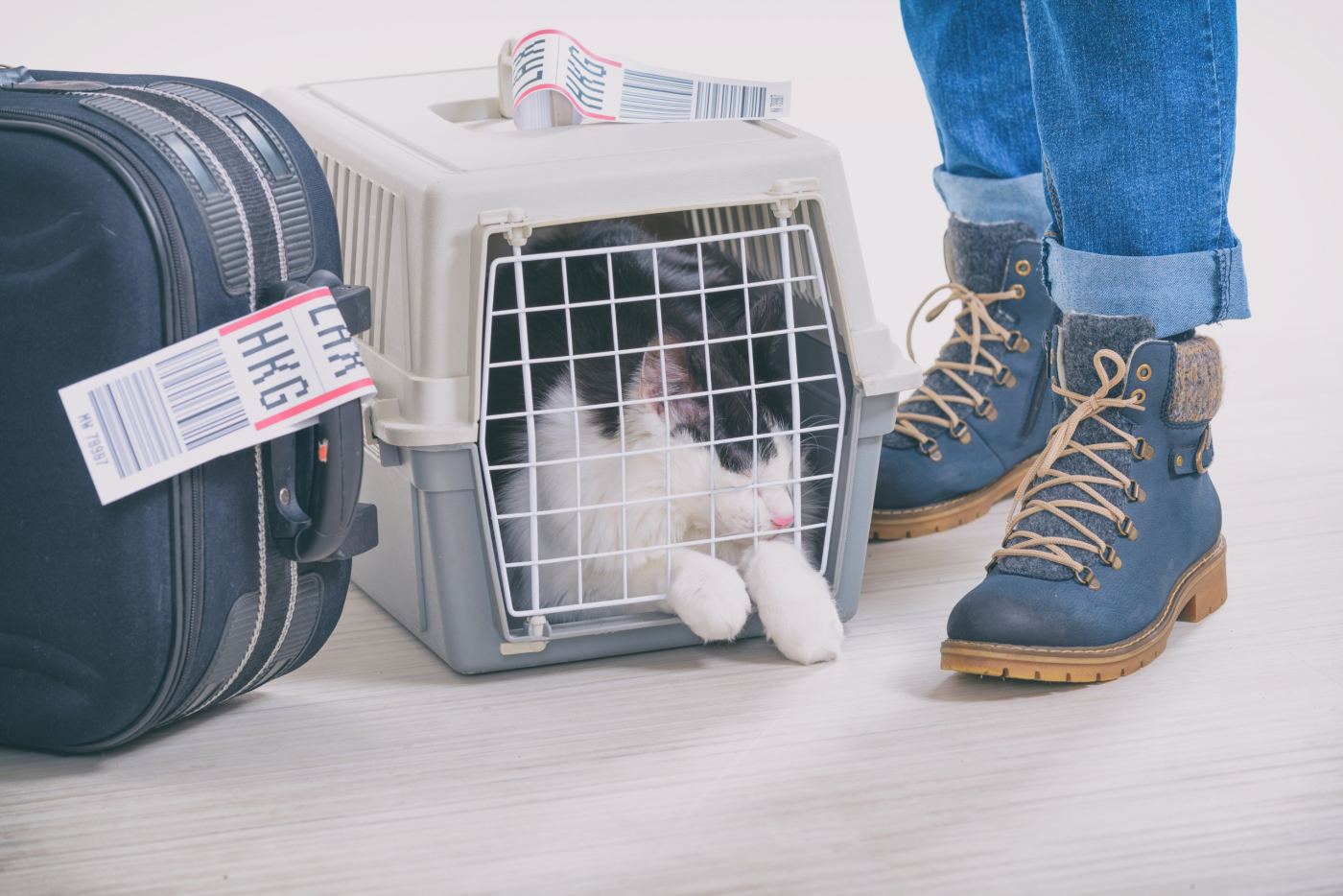
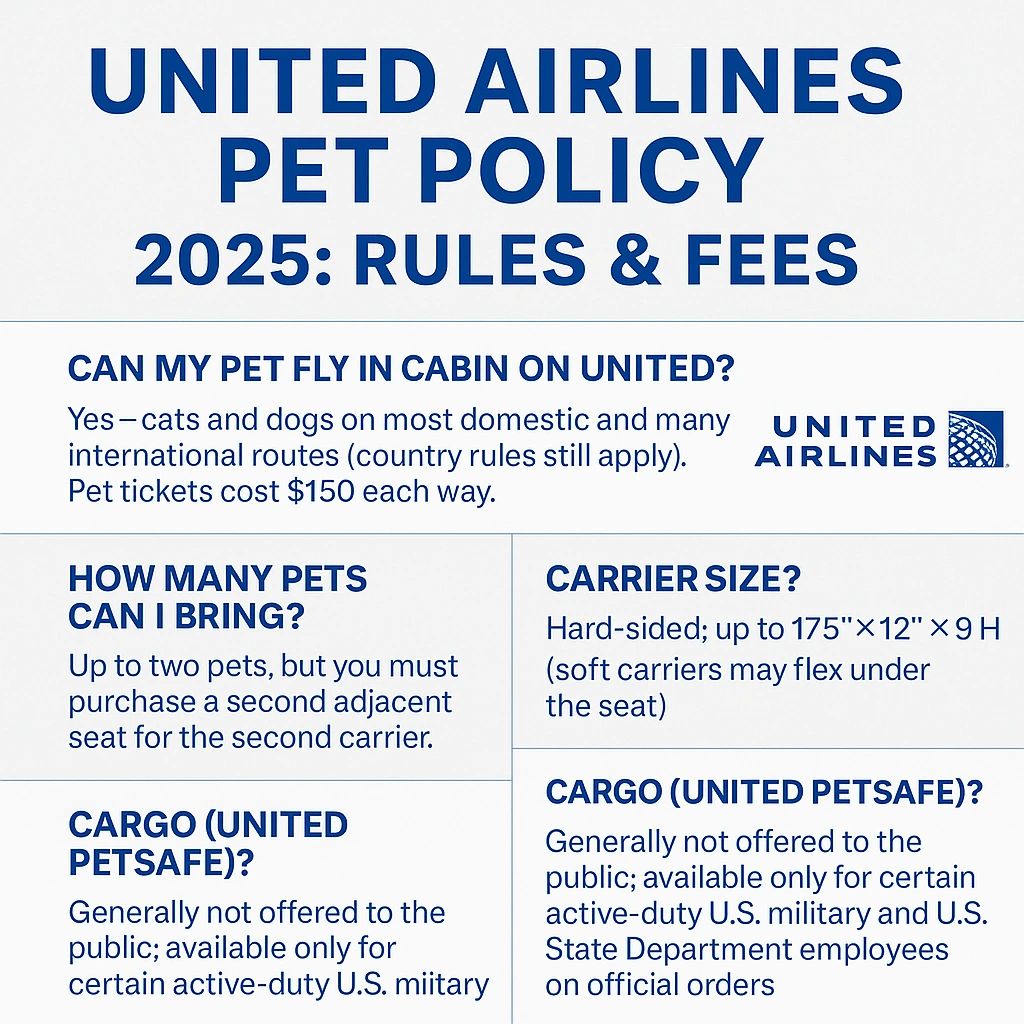
In-cabin travel is generally reserved for small cats and dogs that can fit comfortably in a soft-sided or hard-sided carrier beneath the seat in front of you. This is the most regulated category because the animal must remain inside the carrier for the duration of the flight. Airlines enforce strict dimensions for these carriers, and the combined weight of the pet and carrier often has a cap, typically ranging between 15 and 20 pounds.
2. Checked Pets (Cargo)
Large animals or those traveling as checked baggage are housed in the pressurized cargo hold. Many major commercial airlines have significantly restricted this service in recent years due to safety concerns regarding temperature regulation and stress on the animal. If a carrier allows checked pets, they often require climate-controlled holds and specific, IATA-compliant crates that allow the animal to stand, turn, and lie down comfortably.
3. Service Animals
Service animals, specifically dogs trained to perform tasks for individuals with disabilities, are handled under distinct legal frameworks such as the U.S. Air Carrier Access Act (ACAA). These animals are not considered pets; they generally fly in the cabin at no extra cost. It is essential to distinguish between a service animal and an Emotional Support Animal (ESA). Since the U.S. Department of Transportation revised its regulations in 2021, most U.S. airlines no longer recognize ESAs as service animals and will treat them as standard pets subject to regular fees and carrier rules.
Understanding Carrier-Specific Requirements
Every airline maintains its own "Contract of Carriage." While some requirements—such as health certificates—are universal, others vary wildly. You must verify these details on the official airline website for every segment of your trip, especially if you are codesharing or switching carriers.
- Breed Restrictions: Many airlines, particularly those based in warmer climates, prohibit "brachycephalic" (short-nosed or snub-nosed) dog and cat breeds from flying in cargo holds. This is due to their inherent difficulty in regulating body temperature and breathing under stress.
- Carrier Specifications: Your pet carrier must be leak-proof, well-ventilated, and large enough for the pet to stand up and turn around. Airlines may refuse entry if the carrier is deemed too small or structurally unsound.
- Flight Constraints: Some airlines restrict pet travel on specific aircraft types, during holiday blackout periods, or on flights exceeding a certain duration.
Essential Documentation and Health Requirements
International travel adds a layer of complexity that domestic travel does not. When crossing borders, the airline policy is secondary to the legal requirements of the destination country.
- Health Certificates: Most airlines require a veterinarian-signed health certificate issued within 10 to 30 days of travel. This document confirms the pet is fit to fly and free of contagious diseases.
- Vaccination Records: Proof of rabies vaccination is mandatory for most destinations. Keep a physical copy in your carry-on, as digital records may not be accessible if you lose connectivity.
- Import Permits: If you are traveling to a country with strict rabies-free statuses, such as Australia, New Zealand, or certain European nations, you may need an import permit secured months in advance. Failure to produce this will result in the animal being denied boarding or placed in a mandatory, costly quarantine.
Financial Considerations and Fees
Pet travel is an "ancillary service," meaning it is rarely included in the ticket price. Fees are usually one-way and non-refundable.
- Domestic Fees: Generally range from $100 to $250 per flight segment.
- International Fees: Can be significantly higher, often reaching $400 or more, especially if the pet must be processed through a cargo facility rather than checked as luggage.
- Cancellation Policy: If you cancel your flight, some airlines will refund the pet fee, but others categorize it as a service fee that is forfeited. Always check the specific refund terms before finalizing your booking.
Comparison of Travel Methods
| Method | Best For | Typical Limitations |
|---|---|---|
| In-Cabin | Small dogs/cats | Tight space, weight limits, carrier size |
| Checked Baggage | Larger dogs | Seasonal temperature bans, breed restrictions |
| Manifest Cargo | Relocation/large animals | Higher costs, separate airport facilities |
| Service Animal | Task-trained dogs | Requires DOT form completion, strict training criteria |
Common Mistakes to Avoid
The most common error travelers make is assuming their pet can fly just because they have a ticket. Pet spots are limited on each flight, and airlines operate on a first-come, first-served basis.
- Not Calling Ahead: Never book your human ticket before verifying that there is an available "pet slot" on that specific flight.
- Ignoring Layover Times: If you have a long connection, you must ensure the airline can accommodate your pet’s needs during the layover. In many cases, pets in cargo cannot be removed from the aircraft during a short transit.
- Inadequate Pre-Flight Conditioning: Bringing a pet onto an airplane without acclimating them to their carrier in the weeks prior leads to high stress. The carrier should be a "safe space" for the animal long before the airport environment.
Managing Flight-Day Logistics
On the day of travel, prioritize the animal's comfort while maintaining compliance with security procedures.
- Security Screening: You will be required to remove your pet from the carrier at the TSA checkpoint. Ensure your pet is wearing a secure harness and leash so they do not bolt in a busy terminal. The empty carrier will go through the X-ray machine.
- Feeding and Hydration: Consult your veterinarian regarding feeding times. Some experts suggest a light meal a few hours before the flight to prevent nausea, while others recommend an empty stomach. Always ensure the carrier has a water dish that can be filled by crew if necessary.
- Sedation Warnings: Many airlines and veterinarians strongly advise against sedating pets for flights. Altitude changes can cause respiratory and cardiovascular issues that are exacerbated by sedatives.
Troubleshooting and Unexpected Denials
Even with perfect preparation, issues can arise. If you arrive at the check-in counter and are denied boarding, remain calm and ask for a supervisor. Frequently, denials are based on misunderstandings of company policy regarding the specific pet carrier dimensions or current immunization paperwork.
If you are traveling internationally and your paperwork is questioned, have the official government website of the destination country pulled up on your phone. Official government documentation often supersedes the interpretation of a gate agent who may be unfamiliar with the latest import regulations for a specific country.
Expert Guidance for Success
The most successful pet travelers treat their pet’s flight as a complex logistics project. Begin planning at least 60 days before your departure. This window allows time for required boosters, microchipping, and securing the necessary permits for international travel. Always verify the airline's "Live Animals" page, as these pages are updated more frequently than the general terms and conditions.
FAQs
Can I take two pets in one carrier? Most airlines restrict this to one pet per carrier to ensure the animal has enough space to move. Some carriers allow two pets of the same species if they are small enough, but this is the exception, not the rule. Always call the airline to confirm.
What should I do if my pet is too large for the cabin but the airline has a cargo ban? If your airline prohibits pets in cargo, you must explore specialized pet transport services. These companies specialize in shipping pets as "manifest cargo," which involves a separate booking process, climate-controlled transport vehicles, and specialized ground handling.
Do I need a microchip for my pet to fly? For domestic flights within many countries, it is not mandatory, but it is highly recommended. For international travel, it is almost universally required. Most countries demand a 15-digit ISO-compliant microchip to verify the pet’s identity against health certificates.
What is the "Blackout Period" for pet travel? Some airlines enforce blackout dates during extreme weather or high-volume travel periods (like summer months or December holidays). During these times, they may refuse to transport pets in the cargo hold to prevent heatstroke or logistical delays, even if the flight itself is operating.
Can I book my pet online? While some airlines allow you to add a pet during the online booking process, many still require a follow-up phone call to confirm the animal's weight, carrier dimensions, and the specific pet quota for the aircraft. Always call to confirm the booking is finalized.
What are the rules for Emotional Support Animals (ESAs)? Since 2021, most U.S. airlines categorize ESAs as pets. You will likely need to pay the standard pet fee and adhere to in-cabin weight and carrier requirements. Only service animals trained to perform tasks for a disability are granted the exemptions previously afforded to ESAs.
Next Action: Before booking your ticket, visit the official website of your chosen airline, navigate to the "Special Assistance" or "Traveling with Pets" section, and confirm the specific pet quota for your intended flight date. Once confirmed, book the human ticket and immediately call the airline’s customer service line to link the pet to your reservation.