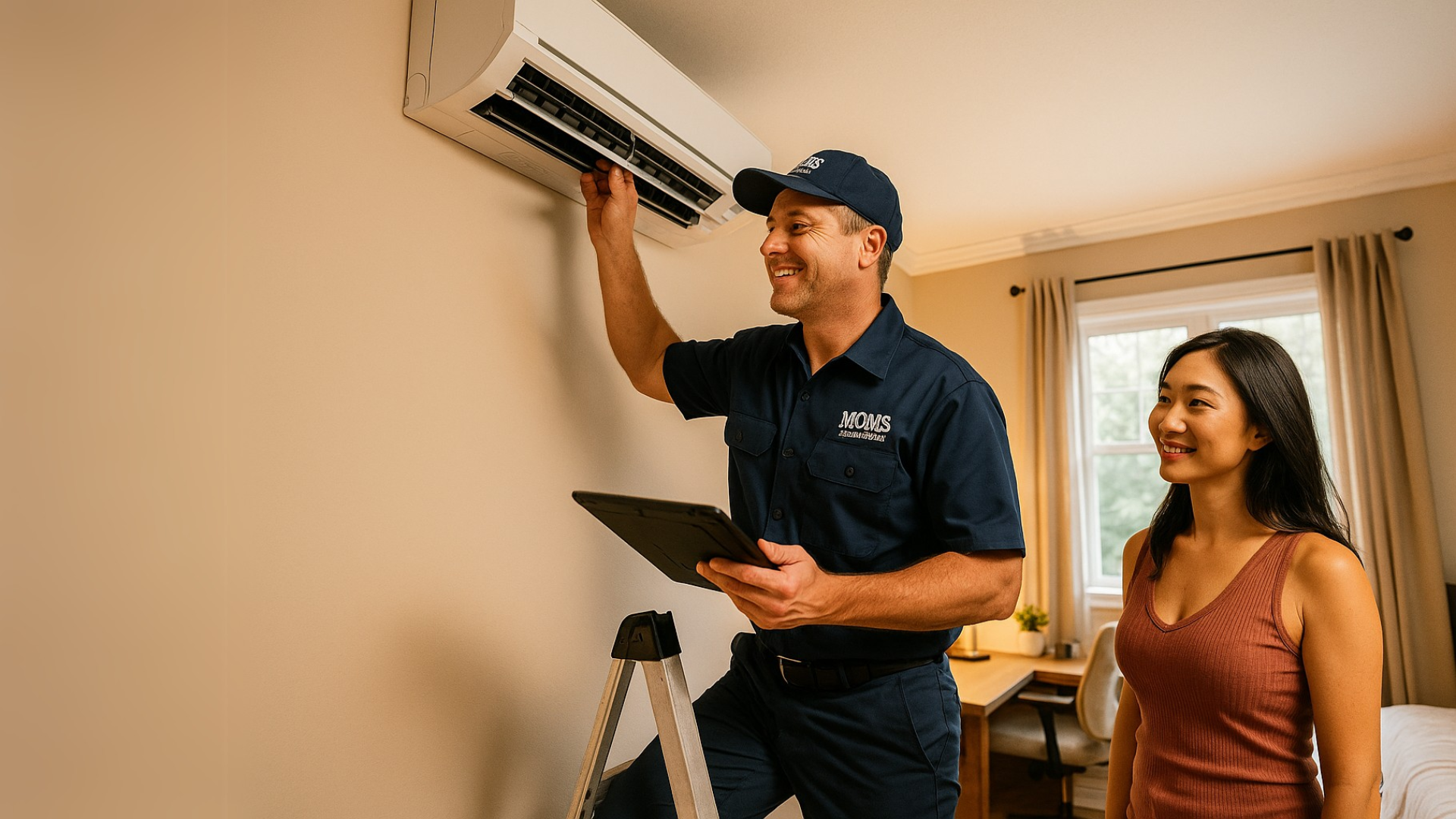
For residents in Chino Hills, professional air conditioning repair involves diagnosing mechanical failures, managing refrigerant transitions, and ensuring system efficiency during extreme Southern California heatwaves. Most repairs in 2026 focus on electrical component restoration, refrigerant leak detection, and upgrading older systems to meet current SEER2 efficiency standards.
Living in the Inland Empire, particularly in the rolling hills of Chino Hills, presents unique challenges for HVAC systems. The combination of high summer temperatures, Santa Ana wind conditions, and varying elevations requires a robust cooling strategy. When an air conditioner fails in this environment, it is rarely just a matter of discomfort; it can quickly become a safety issue for seniors, children, and pets. Understanding the nuances of air conditioning repair—from identifying early warning signs to navigating the 2026 regulatory landscape regarding refrigerants—is essential for every homeowner.
Common Air Conditioning Failures in Chino Hills
Air conditioning systems in Southern California operate under high stress for several months of the year. In Chino Hills, specific environmental factors contribute to localized repair trends. The presence of dust and debris during wind events can lead to clogged condenser coils, while high ambient temperatures accelerate the wear on electrical components.
Capacitor and Electrical Component Failure
One of the most frequent service calls in Chino Hills involves the failure of the start or run capacitor. These cylindrical components store energy and provide the initial "jolt" needed to start the compressor and fan motors. Over time, heat exposure causes the electrolyte inside the capacitor to degrade. By 2026, most modern units use higher-rated capacitors, but older systems frequently experience "swelling" or "leaking," leading to a humming sound without the unit actually starting. If left unaddressed, a failed capacitor can cause the motor to overheat and eventually burn out, leading to a much more expensive repair.
Refrigerant Leaks and the 2026 Regulatory Environment
As of 2026, the HVAC industry has significantly shifted away from R-410A refrigerant toward lower Global Warming Potential (GWP) alternatives like R-32 and R-454B. For Chino Hills homeowners with older systems, a refrigerant leak is now a complex issue. Because R-410A production has been significantly curtailed by federal regulations, the cost of "recharging" an old system has risen sharply. Technicians must use electronic leak detectors or ultraviolet dye to find the breach—often in the evaporator coil or at the flare fittings—rather than simply adding more gas. Repairing the leak is now the standard requirement, as "topping off" is neither environmentally responsible nor economically viable in the current market.
Frozen Evaporator Coils
A frozen coil is a paradox: the unit is iced over, yet it is blowing warm air into the house. This typically occurs due to restricted airflow or low refrigerant levels. In Chino Hills, dirty air filters are the primary culprit. When air cannot pass over the cold evaporator coil, the condensation on the coil drops below freezing and turns to ice. This ice then acts as an insulator, preventing the system from cooling the air. Technical intervention is required to thaw the system safely and identify if the root cause is a simple filter blockage or a failing blower motor.
Troubleshooting Your AC Before Calling a Professional
Before requesting emergency air conditioning repair in Chino Hills, there are several diagnostic steps homeowners can take. While complex mechanical and electrical work must be handled by NATE-certified technicians, basic system checks can often resolve minor issues or provide the technician with valuable data.
- Check the Thermostat Settings: Ensure the thermostat is set to "Cool" and the temperature is at least five degrees below the current room temperature. In 2026, smart thermostats are standard; ensure the device has not entered an "Eco" or "Demand Response" mode triggered by the local utility provider to save energy during peak hours.
- Inspect the Circuit Breaker: Air conditioners draw a significant amount of power, especially during startup. A power surge or a struggling motor can trip the dedicated HVAC breaker in your electrical panel. If the breaker has tripped, flip it fully to "Off" and then back to "On." If it trips again immediately, do not attempt to reset it further, as this indicates a dangerous short circuit.
- Examine the Air Filter: A clogged filter is the leading cause of system inefficiency and mechanical strain. Filters should be checked monthly during the peak summer season in Chino Hills. If you can no longer see light through the filter material, it needs replacement.
- Clear the Outdoor Condenser: Ensure that the outdoor unit has at least two feet of clearance on all sides. Overgrown vegetation, debris from Santa Ana winds, or stored items can restrict heat dissipation, causing the compressor to overheat and shut down prematurely.
Professional Diagnostic Procedures and Tools
When a licensed technician arrives at a Chino Hills residence, they follow a standardized diagnostic protocol to ensure all subsystems are functioning. This process is more than just a "quick fix"; it is a comprehensive evaluation of the system's health.
Static Pressure Testing
Technicians measure the "total external static pressure" to evaluate how hard the blower motor has to work to move air through the ductwork. High static pressure indicates restricted ducts, undersized registers, or a severely dirty coil. This is a critical measurement because high pressure leads to premature motor failure and uneven cooling across different rooms of the home.
Superheat and Subcooling Measurements
To determine if a system has the correct refrigerant charge, technicians do not rely on pressure gauges alone. They calculate "superheat" (for fixed orifice systems) or "subcooling" (for systems with Thermal Expansion Valves). These calculations involve measuring the temperature of the refrigerant lines relative to the pressure. This precision is necessary to protect the compressor from "slugging," which occurs when liquid refrigerant enters the compressor, causing immediate mechanical destruction.
Combustion Analysis (for Package Units)
Many Chino Hills homes utilize "package units" that contain both an air conditioner and a gas furnace in one outdoor cabinet. During a repair visit, technicians often perform a combustion analysis to ensure that the heat exchanger has not been compromised by rust or vibration. This is a vital safety check to prevent carbon monoxide from entering the home's airflow.
Air Conditioning Repair and Replacement Costs in 2026
Repair costs in the Chino Hills area are influenced by labor rates in San Bernardino County and the rising cost of specialized parts. The following table provides estimated price ranges for common AC repairs in 2026.
| Repair Type | Estimated Cost (Parts & Labor) | Complexity Level | Estimated Duration |
|---|---|---|---|
| Capacitor Replacement | $250 – $450 | Low | 1 hour |
| Contactor Replacement | $200 – $400 | Low | 1 hour |
| Blower Motor Repair/Replace | $600 – $1,200 | Moderate | 2–3 hours |
| Refrigerant Leak Repair | $800 – $2,500 | High | 4–8 hours |
| Condenser Fan Motor | $500 – $900 | Moderate | 1–2 hours |
| Evaporator Coil Replacement | $2,000 – $4,500 | Very High | 6–10 hours |
| Thermostat Replacement (Smart) | $300 – $600 | Low | 1 hour |
Note: Prices are estimates based on 2026 market trends in Southern California and may vary based on equipment brand and warranty status.
When to Repair vs. Replace Your AC
Homeowners often face the "Repair or Replace" dilemma, especially when a major component like the compressor or evaporator coil fails. In Chino Hills, where the climate demands high performance, the decision should be based on several factors:
The 5,000 Rule
A common industry benchmark is the "5,000 Rule." Multiply the age of the unit by the cost of the repair. If the total exceeds $5,000, replacement is generally the more economical long-term choice. For example, a 12-year-old unit needing a $600 motor repair results in $7,200, suggesting a replacement is warranted.
Energy Efficiency Standards (SEER2)
As of 2026, all new installations in California must meet strict SEER2 (Seasonal Energy Efficiency Ratio 2) requirements. An older 10-SEER unit costs significantly more to operate than a modern 16 or 18-SEER2 system. In many cases, the monthly utility savings from a new, high-efficiency unit can offset a significant portion of the financing costs for a new installation.
Refrigerant Availability
If your current system uses R-22 (Freon), it is likely over 15 years old. R-22 is no longer manufactured or imported. Even systems using R-410A are seeing increased maintenance costs. Upgrading to a system using 2026-standard refrigerants ensures that future repairs will be more affordable and that the system complies with the latest environmental mandates from the California Air Resources Board (CARB).
Selecting a Qualified HVAC Contractor in Chino Hills
Not all repair services are equal. Because HVAC systems are complex and involve high-voltage electricity, pressurized gases, and sometimes combustible fuels, selecting the right professional is paramount.
- License Verification: Ensure the contractor holds a valid C-20 Warm-Air Heating, Ventilating and Air-Conditioning license from the California Contractors State License Board (CSLB). This protects you in the event of substandard work or legal disputes.
- NATE Certification: Look for technicians certified by North American Technician Excellence (NATE). This is the "gold standard" for technical competency in the HVAC industry.
- Local Experience: A contractor familiar with Chino Hills will understand the local building codes and the specific challenges posed by the geography of the Carbon Canyon or Sleepy Hollow areas.
- Written Estimates: Avoid contractors who provide "ballpark" figures over the phone without seeing the unit. A reputable professional will provide a detailed, written diagnostic report and a firm price for the repair.
The Importance of Preventative Maintenance
The most effective way to avoid emergency air conditioning repair in Chino Hills is through a structured preventative maintenance program. Most major failures do not happen overnight; they are the result of small issues that go undetected for months.
A professional "Tune-Up" should include cleaning the condenser coils, checking the refrigerant charge, tightening electrical connections, lubricating moving parts, and testing the condensate drain line. In Chino Hills, the condensate line is particularly important; as the AC pulls humidity from the air, the water must drain away. If the line clogs with algae or debris, it can back up and cause significant water damage to the home's interior.
Frequently Asked Questions
Why is my AC running but not cooling my Chino Hills home?
This is often caused by a dirty condenser coil or a refrigerant leak. If the outdoor unit is covered in dirt or blocked by plants, it cannot release the heat it absorbed from inside. Alternatively, if the refrigerant level is low, the system lacks the thermal capacity to move heat efficiently. Turn the system off and call for a professional diagnosis to prevent compressor damage.
How often should I service my AC in Southern California?
In the Chino Hills climate, professional maintenance should be performed twice a year: once in the spring before the cooling season and once in the fall before the heating season. Regular service ensures the system is operating at peak efficiency and helps identify worn parts before they cause a total system breakdown.
Can I repair my own air conditioner?
While homeowners can change filters and clear debris from around the outdoor unit, most repairs should be left to professionals. Handling refrigerant requires EPA Section 608 certification, and working with high-voltage capacitors and motors poses a significant risk of electric shock. Furthermore, DIY repairs often void the manufacturer's warranty.
Why is my air conditioner making a loud screeching noise?
A loud screeching sound usually indicates a failing bearing in the blower motor or the condenser fan motor. It could also suggest a damaged fan belt in older models. If you hear this sound, shut the system down immediately. Continuing to run a motor with a failed bearing can lead to the motor seizing or catching fire.
Is it normal for my AC to run constantly during a Chino Hills heatwave?
When temperatures exceed 100°F, most air conditioners are designed to run nearly continuously to maintain the set temperature. However, if the system is running constantly but the indoor temperature is still rising, this indicates an efficiency problem, an undersized unit, or a mechanical fault that needs attention.
Next Steps for Homeowners
If your air conditioner is showing signs of struggle—such as unusual noises, weak airflow, or rising energy bills—the best course of action is to schedule a diagnostic visit immediately. Early intervention is the key to preventing a minor component failure from escalating into a full system replacement. Verify your contractor’s credentials through the CSLB and ensure they use up-to-date diagnostic tools suited for 2026 technology.