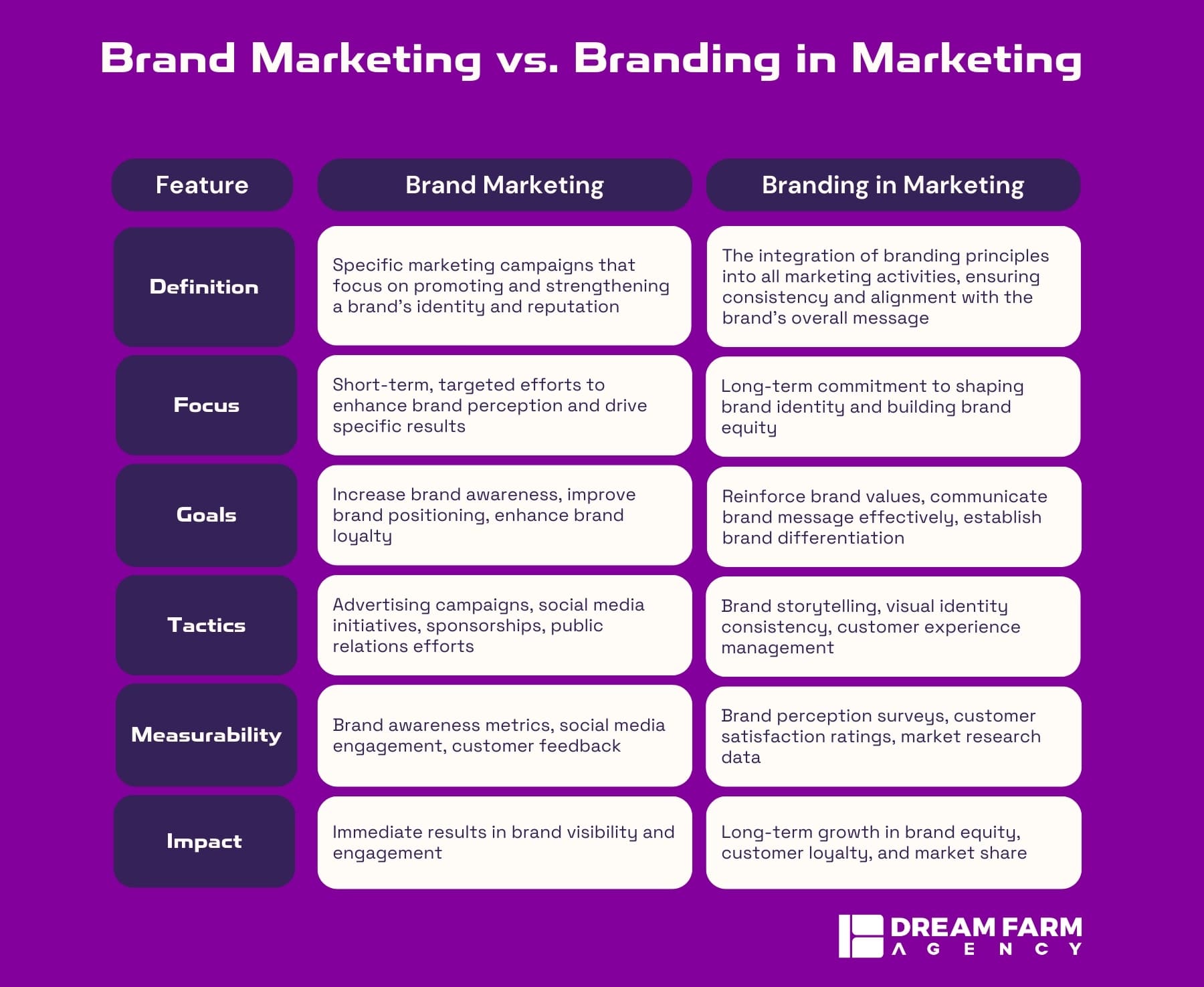
Agency branding is the strategic process of aligning an organization’s internal identity—its core values, culture, and expertise—with its external market perception to drive sustainable influence. By systematically managing how an agency presents itself, leaders can move beyond commoditization, command higher price points, and foster deeper, more resilient client relationships in a competitive professional services landscape.
Defining the Core Identity
An agency’s identity is more than a visual logo or a catchy tagline; it is the synthesis of its operational philosophy and the tangible value it delivers. Before an agency can influence the market, it must establish a coherent sense of self. This foundational stage requires an audit of what the agency stands for, who it serves, and why its approach differs from the current industry standard.
When defining identity, stakeholders often mistake "positioning" for "branding." Positioning is a tactical decision—choosing a market segment or a specific service tier. Branding is the emotional and intellectual resonance created by that position. For an agency, this means defining a "point of view." A strong identity answers why a client should trust the agency with their business goals, not just their tactical execution. If an agency cannot articulate its unique methodology or its specific cultural lens, the market will inevitably force it into the role of a commodity provider, where price becomes the only differentiator.
The Dynamics of Market Influence
Market influence is the byproduct of a well-articulated identity. In the agency world, influence is gained through authority, social proof, and consistency. In 2026, the noise level in the digital space remains exceptionally high, making the ability to cut through the clutter dependent on the credibility an agency builds over time.
Influence is not synonymous with visibility. An agency can have high visibility through paid media and aggressive outreach but low influence if the market perceives its work as inconsistent or disconnected from its declared identity. True influence occurs when an agency’s public output—thought leadership, case studies, and client success stories—perfectly mirrors its stated identity. When this alignment exists, the agency stops competing for "projects" and begins to be sought out for "partnerships."
Strategic Alignment: Connecting Internal Values to External Output
To bridge the gap between who you are and how you are perceived, you must synchronize your internal operations with your outward-facing communication. This alignment requires a systematic approach.
- Cultural Integrity: If an agency claims to be "innovation-led" but adheres to rigid, outdated internal processes, the cognitive dissonance will eventually manifest in poor work quality and client turnover. Your brand must be a mirror of your actual capabilities.
- Voice and Narrative: Your brand voice should be an extension of your company culture. A boutique creative agency and a large-scale data analytics firm should have vastly different tones of voice. Consistency in this tone builds familiarity and trust.
- Client Selection: Part of maintaining brand identity is the courage to reject work that does not align with your core focus. Taking on projects that fall outside your expertise dilutes your reputation and undermines your market authority.
The Role of Evidence in Brand Equity
In professional services, evidence is the currency of trust. In the current market environment, prospective clients are more risk-averse than ever. They require verifiable proof that your agency can solve their specific problems before they engage in long-term contracts.
- Case Studies as Proof Points: Avoid generic "We helped a client increase revenue" narratives. Instead, create evidence-based case studies that detail the process, the challenge, the solution, and the measurable outcomes.
- The Power of Transparency: Admitting to the limitations of your services or explaining where your methodology is not a good fit builds immense credibility. It signals to the market that you are a confident expert who values long-term client success over short-term sales.
- Social Proof and Peer Validation: While awards are pleasant, client-to-client referrals and public endorsements by respected industry figures hold significantly more weight in B2B decision-making.
Comparison of Branding Approaches
Different agency types require different branding strategies based on their business model and client needs.
| Agency Type | Primary Brand Driver | Key Focus Area | Risk of Misalignment |
|---|---|---|---|
| Boutique Creative | Personal vision and craft | Portfolio uniqueness | Becoming too niche/narrow |
| Strategic Consultancy | Intellectual rigor and methodology | Proprietary frameworks | Perceived as high-cost/slow |
| Performance Marketing | ROI and data transparency | Attribution and scale | Commiditized pricing pressure |
| Technical Implementation | Reliability and integration | Security and uptime | Low brand differentiation |
Navigating Market Influence in 2026
As of 2026, the marketplace for agencies is characterized by a reliance on integrated solutions. Clients are increasingly moving away from managing a fragmented roster of small vendors, favoring instead agencies that can act as "orchestrators."
To maintain influence, agencies must demonstrate their capacity to handle complexity. This doesn't mean becoming a generalist; it means becoming a specialist that can play well within an ecosystem. Your branding should emphasize your ability to integrate with other tools, platforms, and teams. Positioning yourself as an essential node in the client’s success, rather than just a peripheral service provider, is the most effective way to protect your market influence during economic cycles.
Overcoming Common Branding Pitfalls
Agencies frequently struggle with "brand drift." This happens when the desire for revenue leads an agency to chase every request, gradually abandoning the core focus that initially made them successful.
- The "Yes" Trap: Accepting work because it pays well, even when it falls outside your core competency, is a fast track to brand erosion. It leads to poor outcomes, which in turn leads to poor case studies and a weakened reputation.
- Ignoring Internal Feedback: Your employees are the daily practitioners of your brand. If your branding claims you are "agile and collaborative" but your internal staff reports silos and bureaucracy, your brand is effectively a lie that will eventually be discovered.
- Neglecting Legacy: Branding is iterative. Do not fear updating your identity, but ensure that changes are backed by clear strategic reasons rather than just aesthetic trends.
Frequently Asked Questions
How does an agency measure the impact of its branding efforts? Measure brand impact through lead quality, conversion rates, and client retention. If your branding is effective, you should see a decrease in the time required to educate prospects on your value proposition and an increase in the number of inbound, qualified leads.
Should an agency’s brand be centered on the founder or the firm? Initially, founder-led branding is often necessary to build authority. However, as the agency scales, you must transition the brand toward the firm’s methodology and collective team expertise to ensure the business is sustainable without the founder's daily intervention.
What is the role of visual identity in high-stakes professional services? Visual identity acts as a shorthand for professional quality. In high-stakes environments, a polished, cohesive, and intentional visual presence conveys maturity and stability. It is the "suit" your agency wears; while it doesn't do the work, it ensures that your presence is taken seriously during critical negotiations.
How often should an agency revisit its brand positioning? An agency should conduct a formal brand review every 24 to 36 months. However, the underlying identity should be robust enough to withstand market fluctuations. Only pivot your positioning if there is a fundamental, long-term shift in the market or your service delivery model.
How do you maintain brand consistency across remote or distributed teams? Consistency is maintained through documented brand guidelines that prioritize the "why" and "how" over rigid rules. Provide team members with templates and clear examples of what successful output looks like, ensuring that everyone communicates from the same foundational set of values.
Next Steps for Implementation
To improve your agency's branding, begin with a "Gap Analysis" between your current market perception and your internal reality. Conduct interviews with your three best, three worst, and three lost clients. Ask them what they believe your agency is known for. If their answers align with your stated identity, you are effectively communicating your value. If they do not, you have discovered the precise points where your identity and market influence are misaligned. Use this feedback to refine your messaging, sunset services that do not align with your core focus, and build your next cycle of marketing around your proven, high-value strengths.