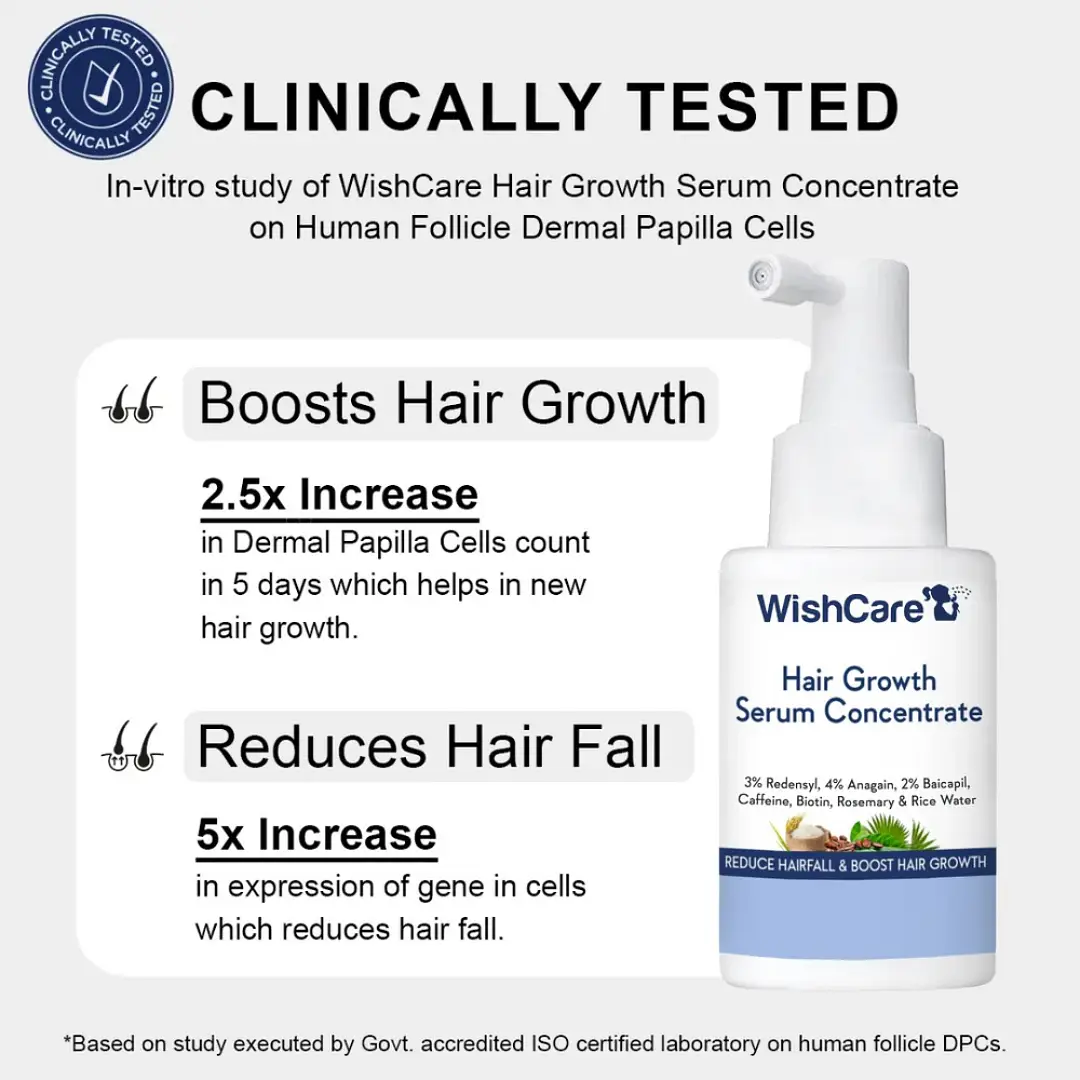
Navigating the affordable hair growth serum market requires understanding how budget-friendly formulations utilize active ingredients like minoxidil, peptides, and botanical extracts to stimulate follicles, and how consumer choices are increasingly driven by transparent labeling and clinical validation rather than marketing hype.
Introduction to the Affordable Hair Growth Serum Market
The landscape of hair care has shifted dramatically over the last few years, driven by a surge in demand for accessible, science-backed treatments. Once dominated by luxury salon brands or costly clinical procedures, the market for targeted hair thinning and scalp care has experienced rapid democratization. Consumers today have access to a vast array of over-the-counter formulations that do not require a prescription or a luxury budget. This evolution has transformed affordable hair growth serums from niche drugstore novelties into sophisticated cosmetic and wellness staples.
Understanding this market requires looking closely at what drives consumer choices. Modern buyers are increasingly ingredient-savvy, turning away from vague promises of "miracle growth" and instead examining labels for clinically proven actives like minoxidil, biotin, caffeine, red clover extract, and various peptide complexes. At the same time, economic pressures have made cost-efficiency a primary purchasing driver. Consumers expect high-performance formulations at accessible price points, forcing brands to optimize their supply chains, reduce excessive packaging, and focus their spending on active raw materials.
Defining "Affordable" in Modern Hair Care
When evaluating the market for hair serums, establishing a clear definition of affordability is essential. Generally, affordable hair growth serums are priced between $10 and $30 for a standard 30ml to 60ml supply, distinguishing them from luxury or specialized dermatological treatments that can easily exceed $80 to $100 per bottle. However, price per fluid ounce and cost per daily application are more accurate metrics for determining true value, especially since consistent, long-term use is required to see visible results.
Cost vs. Concentration Dynamics
A common misconception among consumers is that a lower price tag equates to a lower concentration of active ingredients. While some budget-friendly brands cut costs by minimizing expensive actives, many direct-to-consumer and mass-market brands leverage high-volume manufacturing to offer competitive pricing on identical or highly similar formulations to their high-end counterparts. For instance, generic topical minoxidil solutions often share the exact same active pharmaceutical ingredient percentage as branded versions while costing a fraction of the price.
Packaging and Marketing Overhead
The price differential between affordable and luxury serums frequently stems from packaging materials and marketing budgets rather than formulation quality. Luxury brands often invest heavily in heavy glass bottles, elaborate droppers, celebrity endorsements, and high-end retail placement. In contrast, affordable brands often utilize lightweight plastic packaging, minimalist labeling, and direct-to-consumer e-commerce models. This reduction in overhead allows brands to price their products accessibly while maintaining healthy profit margins.
Key Active Ingredients Driving Consumer Demand
Consumer choices in the hair growth serum market are heavily dictated by ingredient efficacy. Shoppers are reading labels more critically than ever, favoring formulations backed by dermatological science or traditional botanical usage. Understanding these primary active categories helps explain why certain products dominate sales charts.
Minoxidil and FDA-Regulated Actives
For individuals experiencing androgenetic alopecia (pattern hair loss), minoxidil remains the gold standard of over-the-counter treatment. As the only FDA-approved ingredient for hair regrowth available without a prescription, topical minoxidil (typically available in 2% and 5% concentrations) commands a significant portion of the budget market. Generic and store-brand minoxidil solutions provide identical therapeutic benefits to name-brand equivalents, making them the most popular choice for cost-conscious consumers seeking proven medical efficacy.
Peptides and Growth Factor Alternatives
For those seeking cosmetic thickness and follicle stimulation without pharmaceutical interventions, peptide complexes have emerged as a dominant trend. Ingredients like Biotinoyl Tripeptide-1 and acetyl tetrapeptide-3 are widely incorporated into affordable serums. These molecules aim to improve anchoring, extend the anagen (growth) phase of the hair cycle, and support extracellular matrix proteins in the scalp.
Botanicals, Caffeine, and Scalp Health Nutrients
Scalp care is increasingly recognized as the foundation of hair health, mirroring the "skinification" of hair care. Caffeine is a popular inclusion in affordable serums due to its ability to counteract the suppressive effects of testosterone on hair follicles. Additionally, botanical extracts such as green tea (epigallocatechin gallate or EGCG), rosemary oil, and red clover extract are favored by consumers looking for natural or holistic alternatives to synthetic chemicals.
Comparison of Popular Budget-Friendly Hair Serum Categories
| Serum Category | Primary Active Ingredients | Typical Price Range | Best Suited For | Key Limitation |
|---|---|---|---|---|
| Generic Minoxidil | Minoxidil (2% or 5%) | $10 – $20 | Androgenetic alopecia, patterned thinning | Requires lifelong maintenance; potential initial shedding |
| Peptide-Based Serums | Biotinoyl Tripeptide-1, Copper Peptides | $15 – $28 | General density support, breakage reduction | Slower visible results; cosmetic rather than medical regrowth |
| Botanical & Caffeine Blends | Caffeine, Rosemary Extract, Niacinamide | $12 – $25 | Scalp stimulation, mild thinning, holistic preferences | Less clinical data compared to pharmaceutical options |
| Multiaction Hybrid Serums | Minoxidil + Botanical Extracts or Peptides | $20 – $35 | Comprehensive approach targeting multiple pathways | Higher end of the budget spectrum; possible sensitivity risks |
Consumer Behavior and Market Trends
The purchasing behavior of modern hair serum consumers is shaped by digital communities, educational content, and a demand for radical transparency. Social media platforms have democratized product reviews, allowing everyday users to document their hair growth journeys with before-and-after timelines. This peer-validated evidence often carries more weight with consumers than traditional advertising campaigns.
The Rise of Scientific Skepticism and Transparency
Today's consumers are increasingly skeptical of exaggerated marketing claims such as "instant growth" or "miracle transformations." Buyers look for brands that provide clear explanations of how their formulations work, publish ingredient lists in compliance with international nomenclature, and manage expectations regarding the timeline of results. Serums that rely on transparent, straightforward labeling are capturing higher market share among informed demographics.
The "Skinification" of Scalp Care
Another defining trend is the shift toward viewing the scalp as an extension of facial skin. Consumers are applying skincare principles—such as exfoliation, barrier repair, and targeted hydration—to their hair routines. Affordable serums that incorporate ingredients like hyaluronic acid, salicylic acid, and niacinamide alongside growth actives appeal directly to consumers who prioritize overall scalp health as a prerequisite for hair vitality.
Evaluating Value, Efficacy, and Realistic Expectations
When purchasing an affordable hair growth serum, consumers must balance financial considerations with realistic physiological expectations. Hair growth is a biologically slow process governed by the natural anagen, catagen, and telogen phases of the hair follicle cycle.
The Timeline of Results
Regardless of whether a consumer chooses a $15 botanical blend or a $25 peptide serum, visible improvements in hair density, reduction in shedding, and new growth generally require a minimum of three to six months of consistent, daily application. Consumers who fail to maintain consistent use often abandon products prematurely, misattributing the lack of results to product inefficiency rather than insufficient duration.
Potential Side Effects and Troubleshooting
Even budget-friendly products require careful patch-testing and monitoring. Scalp irritation, dryness, or contact dermatitis can occur, particularly with formulations containing high concentrations of alcohol (common in topical minoxidil delivery systems) or potent essential oils. If irritation develops, consumers should evaluate whether the vehicle base or a specific active is the culprit, and downgrade to sensitive-formula variants or consult a dermatologist.
Common Mistakes Made by Budget-Conscious Shoppers
Navigating the affordable serum market often leads consumers into specific pitfalls that compromise their results and waste money. Recognizing these missteps helps ensure a more effective purchasing strategy.
- Chasing the Lowest Price at the Expense of Formulation Quality: Buying unverified, ultra-cheap formulations from questionable online marketplaces can lead to purchasing counterfeit products or formulas lacking active concentrations.
- Neglecting Root Causes: Treating generalized shedding with a cosmetic peptide serum when the underlying cause is a nutritional deficiency, hormonal imbalance, or medical condition will yield poor results. Serums work best as part of a holistic health strategy.
- Inconsistent Application: Skipping applications or using erratic schedules disrupts the continuous chemical or nutritional signaling required to stimulate and maintain follicle growth phases.
- Expecting Permanent Cures from Temporary Treatments: Products like minoxidil require ongoing maintenance. Stopping use typically results in a reversion to baseline hair thinning within a few months.
Practical Next Actions for Consumers
For shoppers ready to explore the affordable hair growth serum market, a structured approach ensures the best balance of safety and efficacy.
- Identify the Underlying Cause: Determine whether your thinning is related to genetics, stress, postpartum recovery, styling damage, or nutritional factors. Consult a dermatologist or trichologist if hair loss is sudden or severe.
- Audit Your Budget and Commitment: Choose a product and price point that you can comfortably maintain for at least six months without financial strain.
- Read Beyond the Front Label: Check the ingredient deck to ensure active ingredients (like minoxidil, caffeine, or specific peptides) are listed near the top, indicating meaningful concentration.
- Perform a Patch Test: Apply a small amount of the serum to the inner forearm or a discrete area of the scalp for 24 to 48 hours to check for adverse allergic reactions before full application.
- Track Your Progress: Take standardized, well-lit photographs of your scalp or hairline every 30 days to objectively measure changes over time, as daily mirror observation makes gradual improvements difficult to notice.