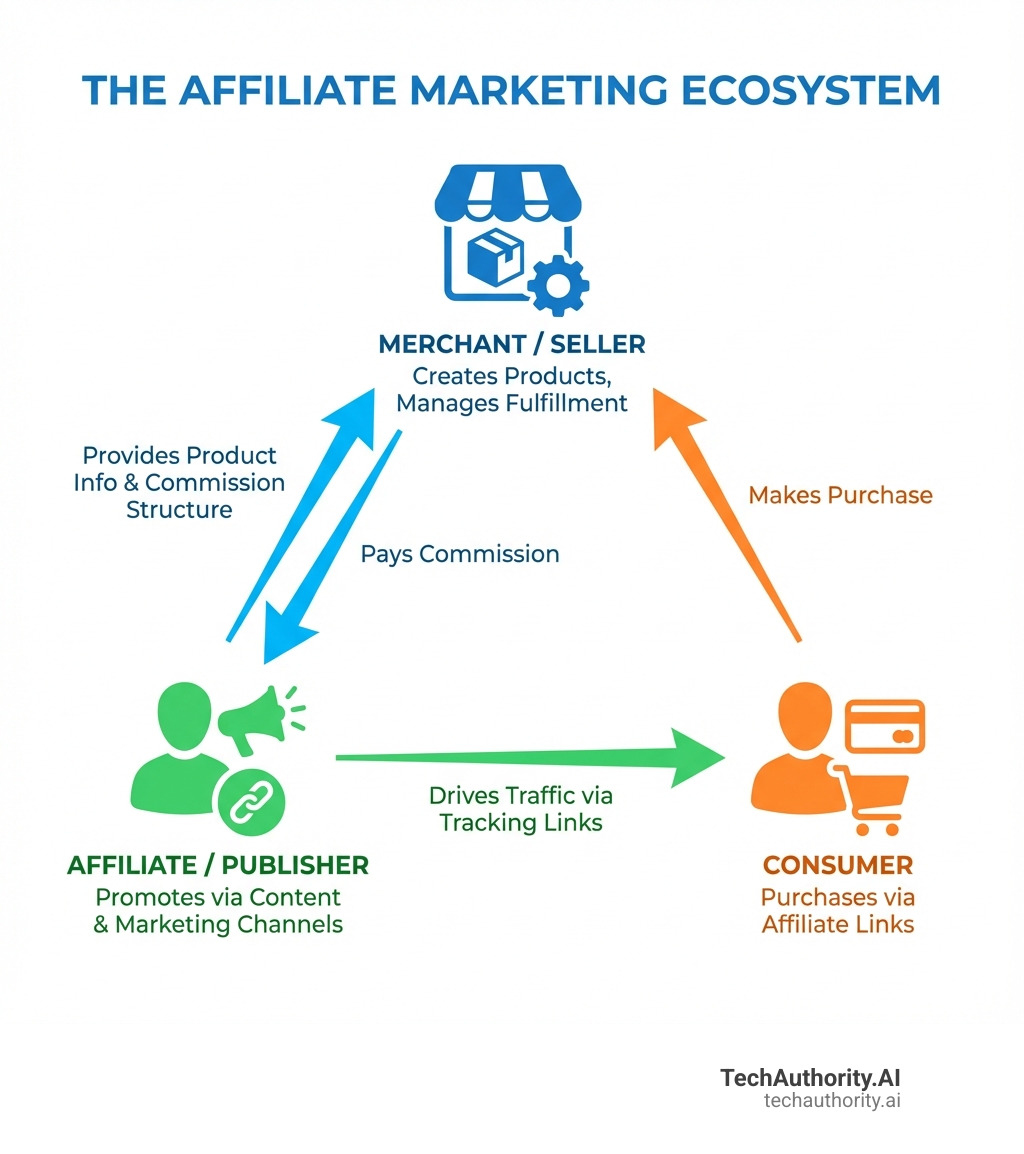
Life insurance affiliate marketing is a specialized performance-based sector where partners earn commissions by referring potential policyholders to insurance providers or lead aggregators. In 2026, this niche remains a high-value segment of the financial services market, characterized by significant payouts, long-term stability, and an increasing consumer shift toward digital-first, automated underwriting platforms that simplify the conversion process for affiliates.
The State of Life Insurance Affiliate Marketing in 2026
The life insurance landscape has undergone a digital transformation that has fundamentally changed the affiliate experience. Historically, life insurance was a "sold, not bought" product, requiring heavy intervention from licensed agents and weeks of medical underwriting. As we navigate 2026, the rise of algorithmic underwriting and "instant-issue" policies has turned life insurance into a product that can be effectively marketed and sold entirely online.
For affiliate marketers, this shift means that the "gap" between a click and a conversion has narrowed. When a user clicks an affiliate link and can receive a firm coverage offer in under ten minutes without a medical exam, the conversion rates for traffic increase exponentially. The market is currently dominated by two types of players: legacy carriers that have modernized their digital interfaces and "InsurTech" startups that built their entire business models around digital acquisition.
Affiliates in this space generally target demographic milestones—marriage, the birth of a child, or a first home purchase. Because life insurance is a "Your Money or Your Life" (YMYL) topic, search engines and social platforms hold content to the highest standards of accuracy and authority. Success in 2026 requires more than just high-volume traffic; it requires a commitment to transparency, regulatory compliance, and high-quality educational content.
Primary Commission Models: CPL vs. CPA
In the life insurance niche, how you get paid is often as important as how much you get paid. The two primary structures are Cost Per Lead (CPL) and Cost Per Acquisition (CBA), also frequently referred to as Cost Per Sale.
Cost Per Lead (CPL)
CPL remains the most common entry point for many affiliates. In this model, you are paid when a user completes a specific action, such as filling out a quote request form or submitting a detailed application. In 2026, lead quality is paramount. Carriers use sophisticated lead-scoring AI to determine the validity of a lead in real-time.
A high-quality lead usually requires a verified email address, a working phone number, and basic demographic data. Payouts for CPL can range from $10 to $50 depending on the depth of the form and the specific demographic (e.g., a "high net worth" lead will command a premium). The advantage of CPL is that you get paid regardless of whether the insurance company ultimately issues a policy, which protects the affiliate from the long "tail" of insurance underwriting.
Cost Per Acquisition (CPA)
CPA models pay out only when a policy is actually "placed" or "in-force," meaning the customer has signed the documents and paid their first premium. While the barrier to earning is higher, the rewards are significantly larger. It is not uncommon for CPA payouts in 2026 to range from $100 to over $500 per policy.
Some advanced programs even offer a percentage of the first year’s premium (first-year commission or FYC). The challenge with CPA is the "attribution window." If a customer takes 45 days to decide on a policy, the affiliate must ensure the program’s cookie duration is long enough to capture that conversion.
Categorizing Life Insurance Products for Affiliates
To build a successful affiliate strategy, you must understand the different "flavors" of life insurance. Each has a different target audience and conversion difficulty.
- Term Life Insurance: This is the "bread and butter" of affiliate marketing. It is simple to explain, affordable for the consumer, and increasingly available through automated underwriting. It covers a specific period (10, 20, or 30 years). Most affiliate content focuses on term life because the barrier to entry for the consumer is low.
- Whole Life and Permanent Insurance: These policies are more complex and expensive, as they include a cash-value component. While payouts are higher, the conversion rate is typically lower because consumers often require a consultation with a licensed agent before committing to the high monthly premiums.
- Final Expense (Burial Insurance): This is a high-volume niche targeting seniors (ages 50–85). These policies have smaller face values (usually under $50,000) and are often "guaranteed issue," meaning no medical exam is required. This is a very popular sub-niche for affiliates using social media advertising or email marketing.
- No-Exam / Accelerated Underwriting: This is a category rather than a specific product type. These policies use data from the MIB (Medical Information Bureau), motor vehicle records, and prescription histories to issue policies instantly. For an affiliate, these are the highest-converting offers because they provide the instant gratification consumers expect in 2026.
Top Life Insurance Affiliate Programs Comparison
The following table highlights some of the most prominent players in the life insurance affiliate space as of 2026. Note that payouts vary based on volume and lead quality.
| Program Name | Primary Model | Typical Payout Range | Key Feature / Advantage |
|---|---|---|---|
| Bestow | CPA | $25 - $100+ | 100% digital, no-exam focus; high conversion. |
| Ladder | CPA | Competitive | Flexible coverage options; strong brand recognition. |
| Ethos | CPA/CPL | $20 - $150 | Wide age range; proprietary underwriting engine. |
| Policygenius | CPL/CPA | Variable | Marketplace model; allows users to compare multiple brands. |
| Quotacy | CPA | High | High-touch service for complex or high-value cases. |
| Fabric by Gerber | CPA | $80 - $120 | Targeted specifically at young parents and families. |
Navigating Regulatory Compliance and Legal Requirements
Affiliate marketing for life insurance is not like marketing consumer electronics or fashion. You are dealing with highly regulated financial products. In the United States, insurance is regulated at the state level, but federal organizations like the Federal Trade Commission (FTC) also oversee advertising practices.
Licensing Limitations
In many jurisdictions, an affiliate cannot "sell" or "negotiate" insurance unless they are a licensed insurance producer. As an affiliate, your role is strictly limited to referral. You are providing information and a link to a licensed entity. You should avoid giving specific "advice" on which policy a specific individual should buy. Instead, frame your content as educational or as a comparison of available options.
Necessary Disclosures
The FTC requires clear and conspicuous disclosures regarding your financial relationship with the insurance companies you promote. In 2026, search engines are increasingly sensitive to these disclosures. A simple "Affiliate Disclosure" link in the footer is often insufficient; disclosures should be placed near the affiliate links or at the top of the article.
Truth in Advertising
You must avoid making "guaranteed" claims. For example, never say "Everyone is approved" or "You will pay only $10 a month." Instead, use phrases like "Rates as low as..." or "Many applicants may qualify for..." All pricing and coverage details must be caveated with the fact that final rates are determined by underwriting.
High-Performance Traffic Strategies for 2026
To succeed in this competitive niche, your traffic strategy must be multi-faceted.
Search Engine Optimization (SEO)
SEO remains the gold standard for life insurance leads because it captures "high intent" users—people actively searching for "term life insurance quotes." However, the keywords are incredibly competitive. To win in 2026, focus on long-tail keywords or specific "life events" (e.g., "life insurance for new homeowners in Texas" or "how much life insurance do I need for a $500k mortgage").
Paid Search (PPC)
Google Ads and Bing Ads are effective but expensive. The Cost Per Click (CPC) for life insurance can be among the highest in any industry. Successful PPC affiliates in 2026 focus on "negative keyword" lists to filter out non-converting traffic and use highly optimized landing pages that offer a "Lead Magnet," such as a free coverage calculator or a downloadable estate planning checklist.
Content Marketing and Social Proof
Educational content is the most sustainable way to build trust. In 2026, video content on platforms like YouTube or short-form clips on professional social networks are highly effective for explaining complex insurance concepts. Using real-world scenarios—such as a breakdown of how a family used a term policy to stay in their home after a tragedy—creates an emotional connection that "feature lists" cannot match.
Technical Implementation and Conversion Optimization
The technical side of insurance affiliate marketing involves more than just pasting a link.
- API Integration: Many top-tier programs allow you to integrate their "quote engine" directly into your site via API. This allows users to see estimated rates on your site before clicking through to the carrier, which significantly increases the quality of the lead.
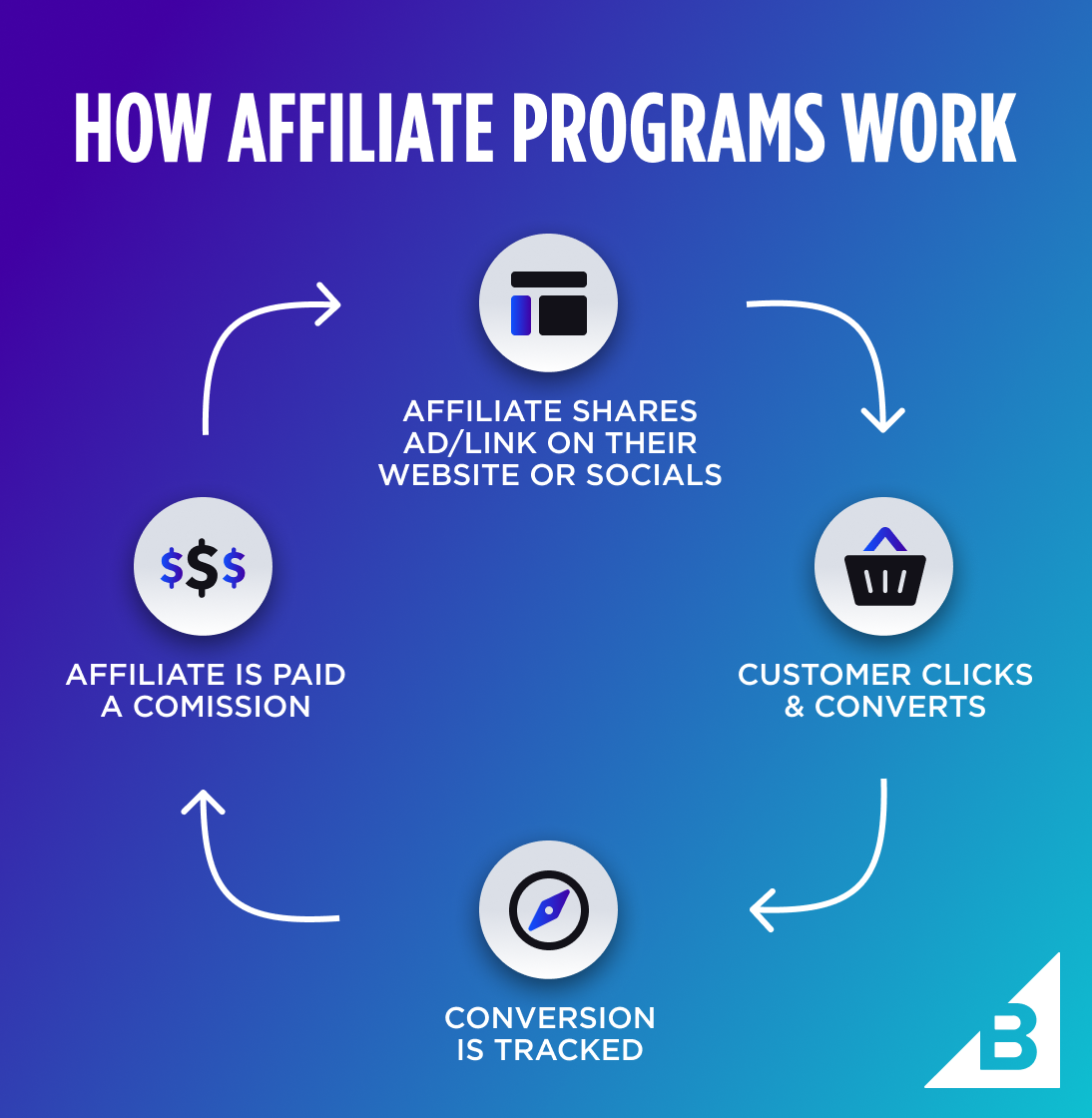
- Postback Tracking: Because the gap between a lead and a sale can be weeks, you should use "Postback URLs" or "Server-to-Server" (S2S) tracking. This allows the insurance carrier’s system to "talk" to your tracking software, notifying you when a lead eventually converts into a sale, even if it happens offline or on a different device.
- Speed and Mobile Optimization: By 2026, over 70% of insurance searches occur on mobile devices. If your landing page or the carrier’s quote tool is not perfectly optimized for mobile, your conversion rates will suffer.
Common Pitfalls and How to Avoid Them
Even experienced marketers fail in the life insurance niche due to a few common mistakes:
- Ignoring Compliance: One "non-compliant" ad can get you banned from a major affiliate network or even lead to legal action from state regulators. Always have your content reviewed if the program offers a compliance check.
- Focusing Only on Payouts: A program offering a $500 CPA might seem better than one offering $50 CPL, but if the $500 program has a 1% conversion rate and the $50 program has a 15% rate, the CPL program is more profitable.
- Low-Quality Traffic: Sending "incentivized" traffic (offering people rewards for filling out a form) is the fastest way to get your account terminated. Insurance companies want "organic intent."
- Lack of Transparency: Consumers are wary of insurance. If your site looks like a "lead capture farm" with no real information, users will bounce. Build a brand that looks and feels like a legitimate financial resource.
Frequently Asked Questions
Do I need an insurance license to be an affiliate?
Generally, no, you do not need a license to be an affiliate as long as you do not sell, solicit, or negotiate insurance. Your role is to refer the consumer to a licensed agency or carrier. However, you must avoid providing specific personalized recommendations that could be interpreted as professional advice. Always check the specific terms of the affiliate program, as some may have stricter requirements.
How long does it take to get paid for a life insurance sale?
This depends on the commission model. For CPL (Cost Per Lead), you are usually credited within 24-48 hours of the form submission. For CPA (Cost Per Acquisition), you may have to wait until the policy is "placed" and the "free look" period (usually 10-30 days) has passed. Most networks pay on a Net-30 or Net-60 basis.
Is the life insurance niche too competitive for new affiliates?
While highly competitive, there is always room for high-quality, niche-specific content. The key is to avoid "broad" terms like "life insurance" and focus on specific sub-niches, such as "life insurance for pilots," "coverage for people with Type 2 diabetes," or "term life options for stay-at-home parents."
What is a "scrub" in insurance affiliate marketing?
A "scrub" occurs when a lead is rejected by the carrier because it contains fake information, is a duplicate of an existing lead, or does not meet the minimum demographic requirements (e.g., the applicant is outside the age range). High scrub rates can lead to account suspension, so it is vital to use high-quality traffic sources.
Can I use email marketing for life insurance offers?
Yes, email marketing is highly effective for life insurance, particularly for "Final Expense" or "Mortgage Protection" offers. However, you must be strictly compliant with the CAN-SPAM Act (or GDPR/CCPA depending on location) and ensure that your email list is "opt-in" and hasn't been purchased or scraped.
Practical Recommendations for Next Actions
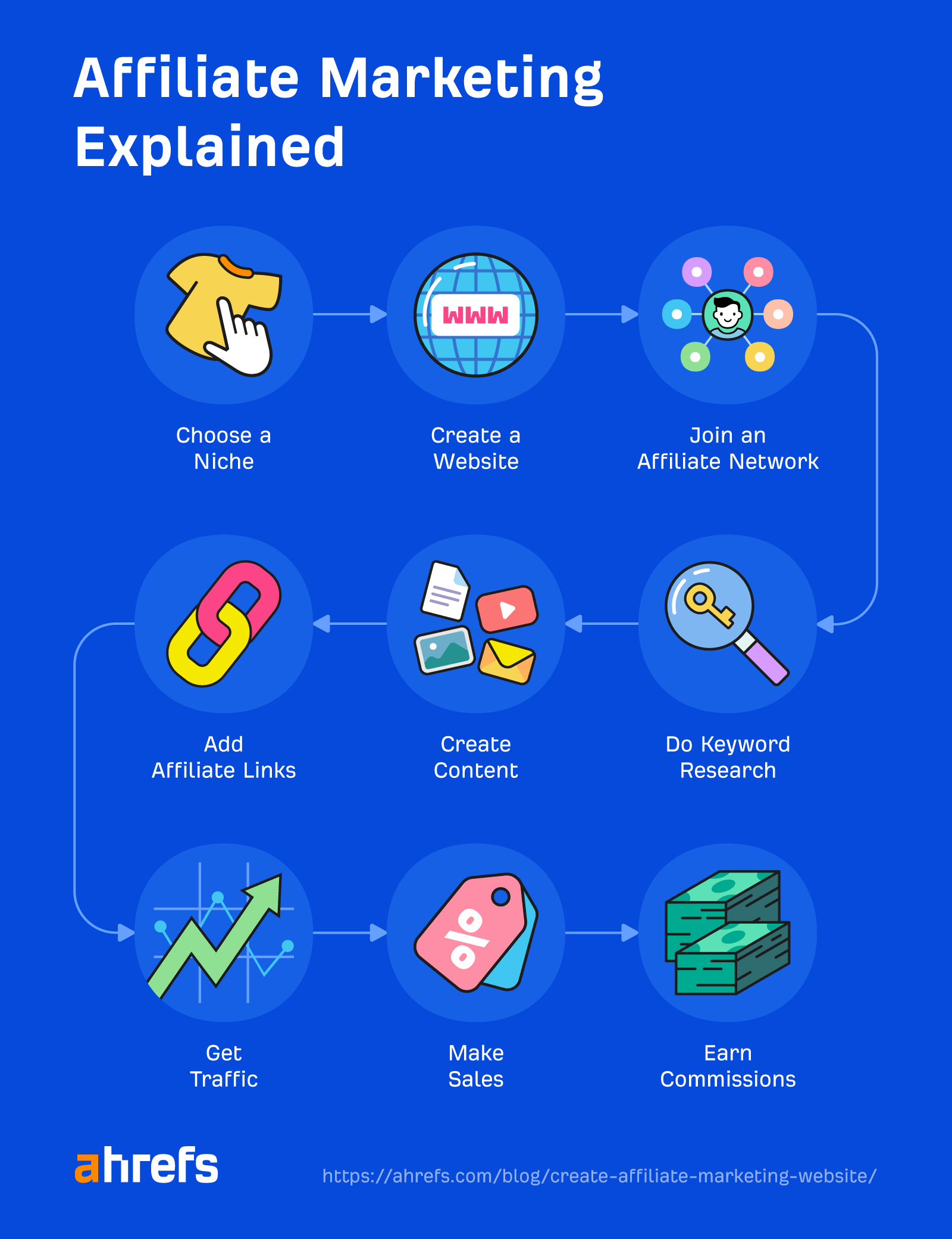
To begin your journey in life insurance affiliate marketing in 2026, start by selecting a specific sub-niche that aligns with your current audience or expertise. Research the compliance requirements for that sub-niche and sign up for a reputable affiliate network that specializes in financial services, such as FlexOffers, Commission Junction (CJ), or the direct programs of InsurTech companies like Ethos or Bestow.
Prioritize building a "Cornerstone" piece of content—a comprehensive guide to life insurance for your specific target audience—and use that as the hub for your traffic. Focus on data-driven content, such as cost comparison tables and coverage calculators, to provide immediate value to your readers. By positioning yourself as a helpful, transparent educator rather than a high-pressure salesperson, you will build the trust necessary to succeed in this lucrative but demanding field.
Disclaimer: This article provides an overview of affiliate marketing strategies and does not constitute legal or financial advice. Laws regarding insurance solicitation vary by jurisdiction. Marketers should consult with legal counsel to ensure all advertising is compliant with local regulations and carrier requirements.