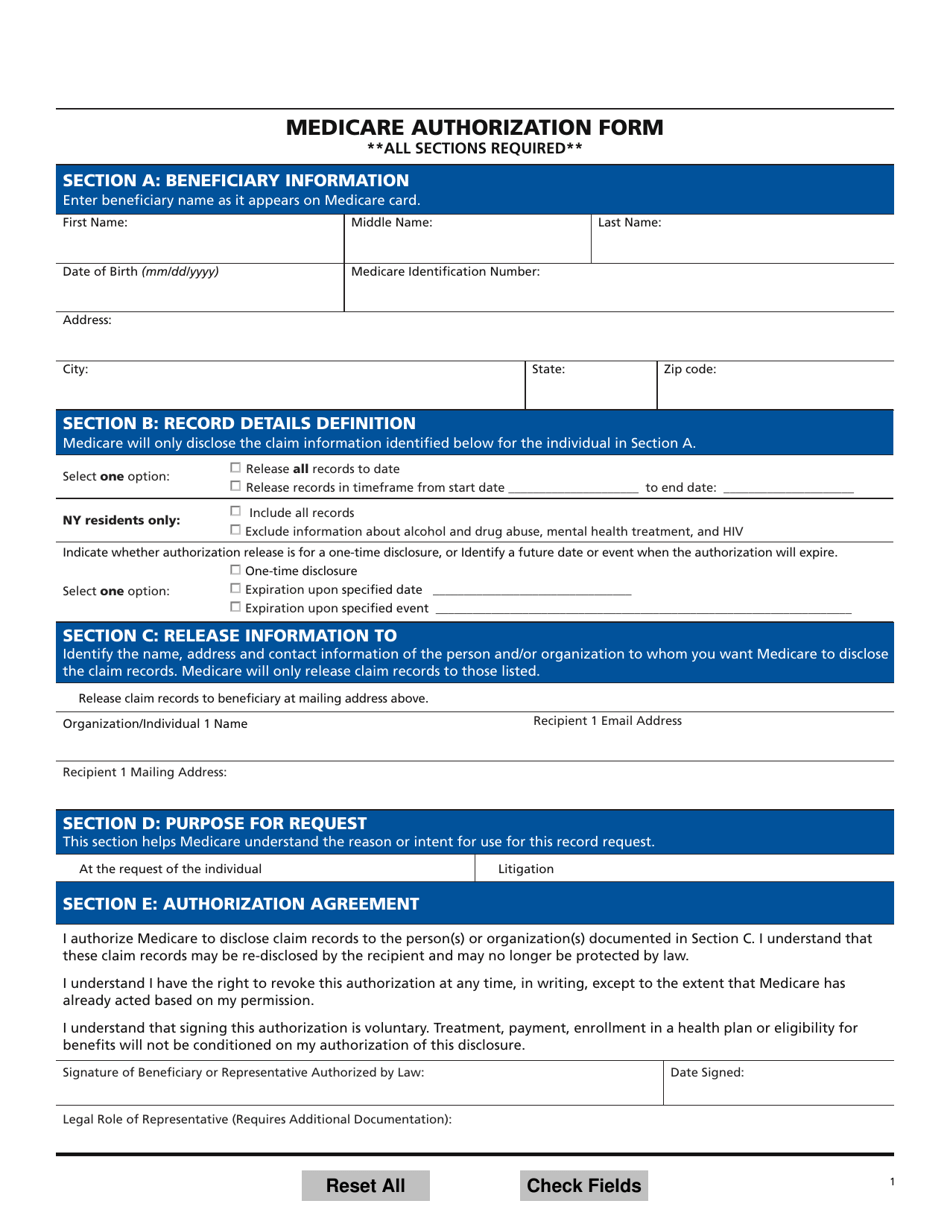
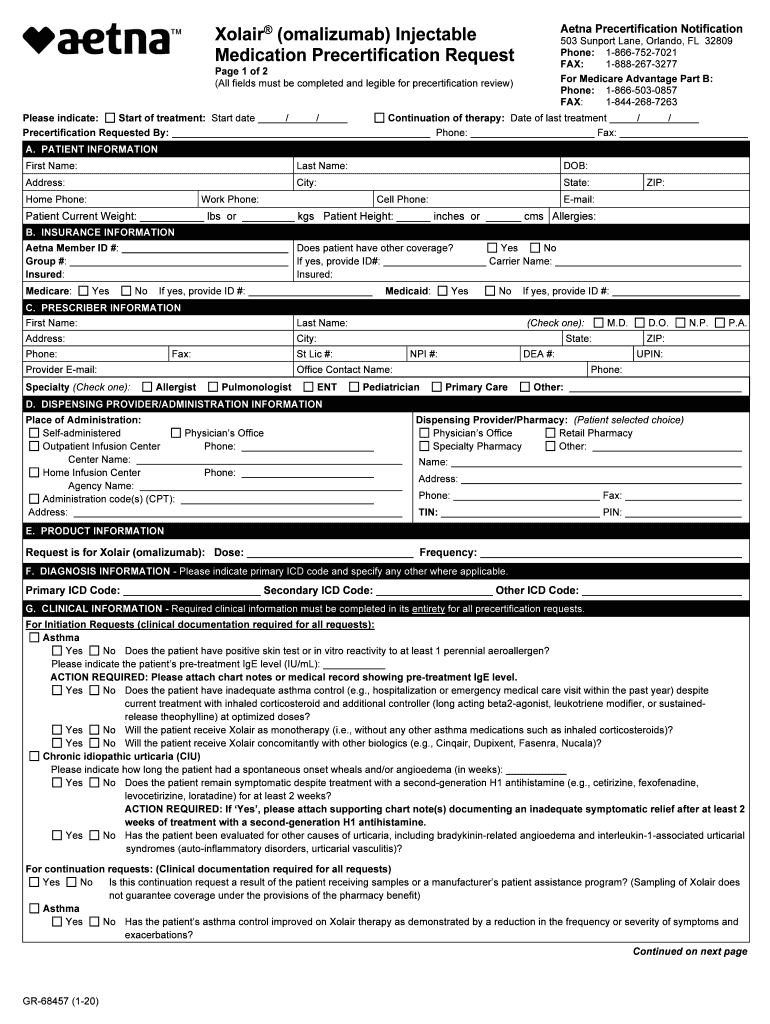
To obtain an Aetna prior authorization form for a Medicare Fully Integrated Dual Eligible (FIDE) Special Needs Plan, providers should primarily access the Aetna Better Health or Availity electronic portals. These platforms provide state-specific PDF forms and electronic submission tools required for medical services, behavioral health, and long-term services and supports (LTSS) that require pre-approval under the integrated Medicare-Medicaid framework.
Understanding the Medicare FIDE Landscape in 2026
In 2026, the management of Fully Integrated Dual Eligible (FIDE) Special Needs Plans (SNPs) represents the highest level of coordination between Medicare and Medicaid. For members enrolled in an Aetna FIDE SNP, a single entity—Aetna—is responsible for managing all Medicare-covered services (Parts A, B, and D) as well as all Medicaid-covered services, including long-term care and behavioral health. This integration is designed to reduce the administrative burden on the member, but it places a specific requirement on healthcare providers to navigate a unified prior authorization (PA) process.
Prior authorization is a "gatekeeper" mechanism used by Aetna to ensure that requested medical services, procedures, or medications meet established clinical criteria for medical necessity and appropriateness. In the context of a FIDE plan, the PA process is unique because it must satisfy both federal CMS (Centers for Medicare & Medicaid Services) standards and specific state Medicaid regulations simultaneously.
For 2026, regulatory updates have emphasized "Interoperability and Patient Access," meaning that Aetna’s PA forms and processes are increasingly digital. However, physical forms remain a critical backup and a legal requirement for certain state-specific Medicaid services. These forms serve as the official request for coverage before a service is rendered, preventing unexpected costs for the member and ensuring the provider will be reimbursed.
Locating and Accessing Aetna FIDE Prior Authorization Forms
Finding the correct form is the first hurdle for many clinical offices. Because Aetna operates FIDE plans under various state-level contracts (often branded as Aetna Better Health), the forms are not always centralized on a single national website. Instead, they are categorized by the state of service and the type of request.
The Provider Portal (Availity)
By 2026, the Availity Essentials portal is the primary conduit for Aetna prior authorizations. Most Aetna FIDE plans require providers to use this electronic system for the fastest turnaround.
- Login: Providers must use their NPI-validated credentials.
- Patient Look-up: Entering the member’s ID number will automatically identify them as a FIDE SNP enrollee.
- Auth Discovery: The portal allows you to check if a specific CPT (Current Procedural Terminology) code requires authorization before you even open a form.
- Submission: The electronic "form" mirrors the data fields found on the PDF versions but allows for direct upload of clinical notes.
State-Specific PDF Forms
For those who cannot use the portal, Aetna maintains a library of PDF forms. These are typically found on the Aetna Better Health website for the specific state (e.g., Aetna Better Health of New Jersey or Pennsylvania). Common forms include:
- The Universal Medical Prior Authorization Request Form: Used for surgeries, inpatient stays, and specialized diagnostic imaging.
- The Prescription Drug Prior Authorization Form: Specifically for Part D drugs or Medicaid-carve-out medications.
- Behavioral Health Authorization Form: Used for inpatient mental health or intensive outpatient programs.
- DME (Durable Medical Equipment) Request Form: Specifically for items like power wheelchairs, hospital beds, or oxygen supplies.
Clinical Documentation Requirements for FIDE Plans
A completed form is only as strong as the evidence attached to it. For Aetna FIDE SNP members, the "medical necessity" definition often spans both Medicare’s "reasonable and necessary" standard and the state’s Medicaid "maintenance of health" or "prevention of institutionalization" standards.
When filling out an Aetna PA form in 2026, the following data points are non-negotiable:
- ICD-10 Diagnosis Codes: You must provide the most specific code available (e.g., do not use a general code for "back pain" if "lumbar disc displacement" is documented).
- CPT/HCPCS Codes: The exact procedure or equipment code being requested.
- Clinical Summary: A brief narrative or office notes showing that lower-level treatments were attempted and failed (Step Therapy).
- Provider Information: Include the NPI, Tax ID, and a direct contact phone number for the clinical staff member who can answer questions about the request.
Failure to provide comprehensive clinical documentation is the most common reason for a "Request for Information" (RFI), which pauses the clock on the authorization and delays patient care.
Comparison of Prior Authorization Needs by Service Category
The following table outlines how different services are handled under the Aetna Medicare FIDE integrated model in 2026.
| Service Category | PA Required? | Primary Form/Method | Typical Documentation Needed |
|---|---|---|---|
| Emergency Services | No | N/A | Notification of admission within 24-48 hours. |
| Routine Specialist Visit | Often No | N/A | Referral may be required depending on state rules. |
| Outpatient Surgery | Yes | Medical PA Form | Surgeon notes, imaging reports, conservative tx history. |
| Inpatient Hospitalization | Yes | Portal/Fax | H&P, Admission orders, clinical stabilization plan. |
| Home Health Services | Yes | Home Health PA Form | Plan of Care (POC), Face-to-Face encounter notes. |
| DME (> $500 value) | Yes | DME PA Form | Physician prescription, equipment specs, necessity letter. |
| Part D Pharmacy | Varies | Pharmacy Portal | Relevant lab results or history of failed medications. |
| LTSS / Personal Care | Yes | State-specific LTSS Form | Functional assessment (ADL/IADL scores). |
The Role of Integrated Appeals in FIDE Plans
One of the significant advantages of the Aetna FIDE SNP structure in 2026 is the Integrated Appeals and Grievances process. Traditionally, if a service was denied by Medicare, the member might have to appeal separately through Medicaid. In a FIDE plan, Aetna is required to issue a single, unified notice of denial.
If a prior authorization request is denied, the provider and member receive a "Summary of Denial" that explains why the service did not meet Medicare or Medicaid criteria. The appeal form is usually attached to the denial letter. Under FIDE rules, the timeline for an "Expedited Appeal" is strictly regulated—Aetna must typically respond within 72 hours if the member’s life or health is at risk.
Step-by-Step Submission Process
To ensure a smooth experience when submitting the Aetna prior authorization form for Medicare FIDE, follow this sequence:
1. Verification of Coverage
Before downloading a form, verify that the member is still active in the FIDE plan. Because these members are dual-eligible, their Medicaid status can fluctuate monthly based on income or "spend-down" requirements. Use the Aetna Eligibility tool to confirm active status for the date of service.
2. Determine the Authorization Requirement
Check the Aetna Prior Authorization Code Lookup Tool. Input the CPT code. If the tool says "No Authorization Required," print that screen and keep it in the patient's chart as proof, then proceed with the service.
3. Complete the Form
Whether using a PDF or the portal, ensure all fields are filled. In the "FIDE Specific" section (if applicable), denote if the service is specifically requested to support the member's "Independent Living" status, as this triggers Medicaid-based approval criteria that are often broader than standard Medicare rules.
4. Attach Evidence
Attach the last two sets of office notes, any relevant lab work, and imaging (X-rays, MRIs). For DME, include the "Certificate of Medical Necessity."
5. Monitor Status
After submission, Aetna provides a tracking number. In 2026, standard (non-urgent) requests are typically processed within 14 calendar days, though many states have pushed for a 7-day turnaround for integrated plans.
Common Pitfalls and Troubleshooting
Navigating FIDE authorizations can be complex because of the "double layer" of regulations. Here are common issues and how to resolve them:
- Wrong Plan Type: Providers often confuse a standard D-SNP (Dual Eligible Special Needs Plan) with a FIDE SNP. The FIDE SNP has much stricter integration rules. If you use a standard Aetna Medicare PA form instead of the Aetna Better Health/FIDE-specific portal, it may be routed to the wrong department.
- Illegible Faxes: While 2026 is highly digital, some offices still fax. If the clinical notes are grainy or illegible, the PA will be denied for "insufficient information." Always prefer portal uploads.
- Generic Medical Necessity: Simply stating "patient needs surgery" is insufficient. Aetna’s clinical reviewers look for specific metrics (e.g., "Patient has a BMI of X, has failed 6 months of physical therapy, and has a 50% loss of joint space").
- Out-of-Network Providers: If the provider performing the service is not in the Aetna FIDE network, the PA form must include an "Out of Network" justification, explaining why a network provider cannot perform the service.
The Importance of the "Integrated Care Team" (ICT)
In 2026, Aetna FIDE plans heavily utilize an Integrated Care Team. This team includes a Care Coordinator assigned to the member. If you are struggling with a prior authorization for a complex case—such as a transition from a skilled nursing facility to home care—the best "form" you can use is a direct line to the member’s Care Coordinator.
These coordinators have the authority to help streamline the PA process by gathering the necessary clinical data from multiple providers. They ensure that the PA request aligns with the member’s "Individualized Care Plan" (ICP), which is a document required for all FIDE enrollees. If a service is already listed in the ICP, the PA approval process is significantly smoother.
Frequently Asked Questions
What is the typical turnaround time for an Aetna FIDE prior authorization?
For standard requests, Aetna generally issues a decision within 14 days, though state-specific Medicaid rules often require a faster 7-day window. For "expedited" or "urgent" requests—where a delay could seriously jeopardize the member's life or ability to regain maximum function—Aetna must provide an answer within 72 hours.
Can a member file their own prior authorization form?
While the process is usually initiated by the healthcare provider (as they possess the clinical data), a member or their authorized representative can technically request a "coverage determination." However, Aetna will still reach out to the treating physician to obtain the necessary medical records before making a decision.
Is the prior authorization form different for Part B vs. Part D drugs?
Yes. Part B drugs (usually administered in a doctor's office, like infusions) are requested via the medical PA form or portal. Part D drugs (self-administered medications from a pharmacy) use a specific "Pharmacy Prior Authorization" form, often processed through Aetna’s Pharmacy Benefit Manager (PBM), such as CVS Caremark.
What happens if I perform a service without prior authorization?
For Aetna FIDE plans, if a service requires PA and you do not obtain it, the claim will be denied for "Administrative/No Authorization." Under Medicare and Medicaid rules for dual eligibles, you generally cannot bill the patient for the balance. The provider must absorb the cost unless an appeal can retroactively prove medical necessity.
How do I know if a member is in a FIDE plan or a standard D-SNP?
Check the member’s ID card. A FIDE plan will typically include language like "Fully Integrated" or "Medicare-Medicaid Plan" on the card. You can also verify this through the Availity portal's eligibility check, which will list the specific plan benefit package (PBP) code.
Final Recommendation for Providers
To maximize success with Aetna prior authorizations for Medicare FIDE plans in 2026, move away from paper forms and embrace the Availity portal. The digital interface provides real-time validation of CPT codes and member eligibility, which reduces the chance of administrative denial. Always ensure that the "Medicaid side" of the coverage is addressed by mentioning how the service supports the patient’s long-term functional goals. If a request is complex, contact the member’s assigned Aetna Care Coordinator early in the process to align the request with the patient’s overall care plan.