Aetna Medicare Supplement plans, often called Medigap, are standardized insurance policies designed to work alongside Original Medicare to help cover out-of-pocket costs such as deductibles, copayments, and coinsurance. Offered by Aetna, a CVS Health company, these plans provide beneficiaries with predictable financial protection and the flexibility to see any healthcare provider in the United States who accepts Medicare.
The Role of Medicare Supplement Insurance
When you enroll in Original Medicare—which consists of Part A (hospital insurance) and Part B (medical insurance)—you are responsible for a significant portion of your healthcare expenses. Medicare typically covers approximately 80% of approved medical costs, leaving the remaining 20% and various deductibles as the beneficiary's responsibility. This is where Medicare Supplement, or "Medigap," plans become essential.
Aetna Medicare Supplement plans are secondary insurance policies. This means that when you receive medical services, the healthcare provider first bills Original Medicare. Once Medicare pays its share, the remaining balance that would traditionally be billed to you is processed by your Aetna plan. Because these plans are standardized by the federal government and state regulators, the core benefits of a "Plan G" or "Plan N," for instance, remain the same regardless of which insurance carrier issues the policy.
Standardized Plan Designs
To ensure transparency and ease of comparison for consumers, Medicare Supplement plans are categorized by letters (A, B, C, D, F, G, K, L, M, and N). Each letter represents a specific set of benefits. While insurance companies like Aetna choose which plans to offer, they cannot change the fundamental coverage structure mandated by the Centers for Medicare & Medicaid Services (CMS).
Key Features of Popular Plans
- Plan G: Currently one of the most comprehensive options for new enrollees. It covers all Medicare-approved out-of-pocket costs except for the Medicare Part B deductible.
- Plan N: Often selected for its lower premium, this plan includes cost-sharing elements, such as small copayments for certain office visits and emergency room visits, while still covering the 20% coinsurance for most services.
- Plan A: Provides the most basic level of coverage, including the core benefits like Part A coinsurance and hospice care, but leaves more financial responsibility to the policyholder than other plans.
It is important to note that if you were eligible for Medicare before January 1, 2020, you may have access to plans that cover the Part B deductible (such as Plan F or Plan C). If you became eligible for Medicare on or after that date, these specific plans are no longer available to you.
Comparison Table: Common Aetna Medicare Supplement Features
This table outlines how different plans generally address the "gaps" in Original Medicare coverage.
| Benefit | Plan A | Plan G | Plan N |
|---|---|---|---|
| Part A Coinsurance & Hospital Costs | Yes | Yes | Yes |
| Part B Coinsurance (20%) | Yes | Yes | Yes* |
| Blood (First 3 Pints) | Yes | Yes | Yes |
| Part A Hospice Care Coinsurance | Yes | Yes | Yes |
| Skilled Nursing Facility Coinsurance | No | Yes | Yes |
| Part A Deductible | No | Yes | Yes |
| Part B Deductible | No | No | No |
| Part B Excess Charges | No | Yes | No |
*Plan N requires copayments for some office visits and emergency room visits. Coverage for Part B coinsurance applies after these copays.
Eligibility and Enrollment Guidelines
To purchase an Aetna Medicare Supplement plan, you must first be enrolled in Medicare Part A and Part B. While you can apply for a policy at any time of the year, the timing of your application significantly impacts your costs and acceptance.
The Medigap Open Enrollment Period
The most advantageous time to apply is during your Medigap Open Enrollment Period. This is a one-time, six-month window that begins on the first day of the month in which you are both 65 years of age or older and enrolled in Medicare Part B. During this window, you have "guaranteed issue" rights. This means Aetna cannot deny you coverage or charge you higher premiums due to pre-existing health conditions.
Underwriting and Pre-existing Conditions
If you apply outside of your initial Open Enrollment Period or specific "guaranteed issue" scenarios—such as losing group employer coverage—you may be subject to medical underwriting. During this process, Aetna may review your health history to determine your eligibility and premium rates. In states that allow for medical underwriting, having a pre-existing condition could result in higher premiums or even a denial of coverage. Always check your state-specific regulations, as some states (such as New York, Connecticut, or Massachusetts) have established unique requirements that differ from the federal baseline.
Cost Factors and Premium Determination
Premiums for Aetna Medicare Supplement plans are not uniform; they are influenced by several variables that insurers use to calculate risk.
- Pricing Structure: Aetna, like other carriers, may use one of three pricing methods:
- Community-Rated: Everyone in the same geographic area pays the same monthly premium, regardless of age.
- Issue-Age-Rated: The premium is based on your age at the time you first purchase the policy. These premiums are generally lower for younger enrollees and do not increase simply because you get older.
- Attained-Age-Rated: Premiums start lower but increase as you get older.
- Location: Costs can vary significantly based on your zip code due to regional healthcare utilization patterns and state-level insurance regulations.
- Household Discounts: Many Aetna plans offer discounts if more than one person in the household holds an Aetna Medicare Supplement policy.
- Inflation and Adjustments: Premiums may also increase periodically due to overall healthcare inflation or shifts in medical cost trends, regardless of the pricing method used.
Essential Considerations for Policyholders
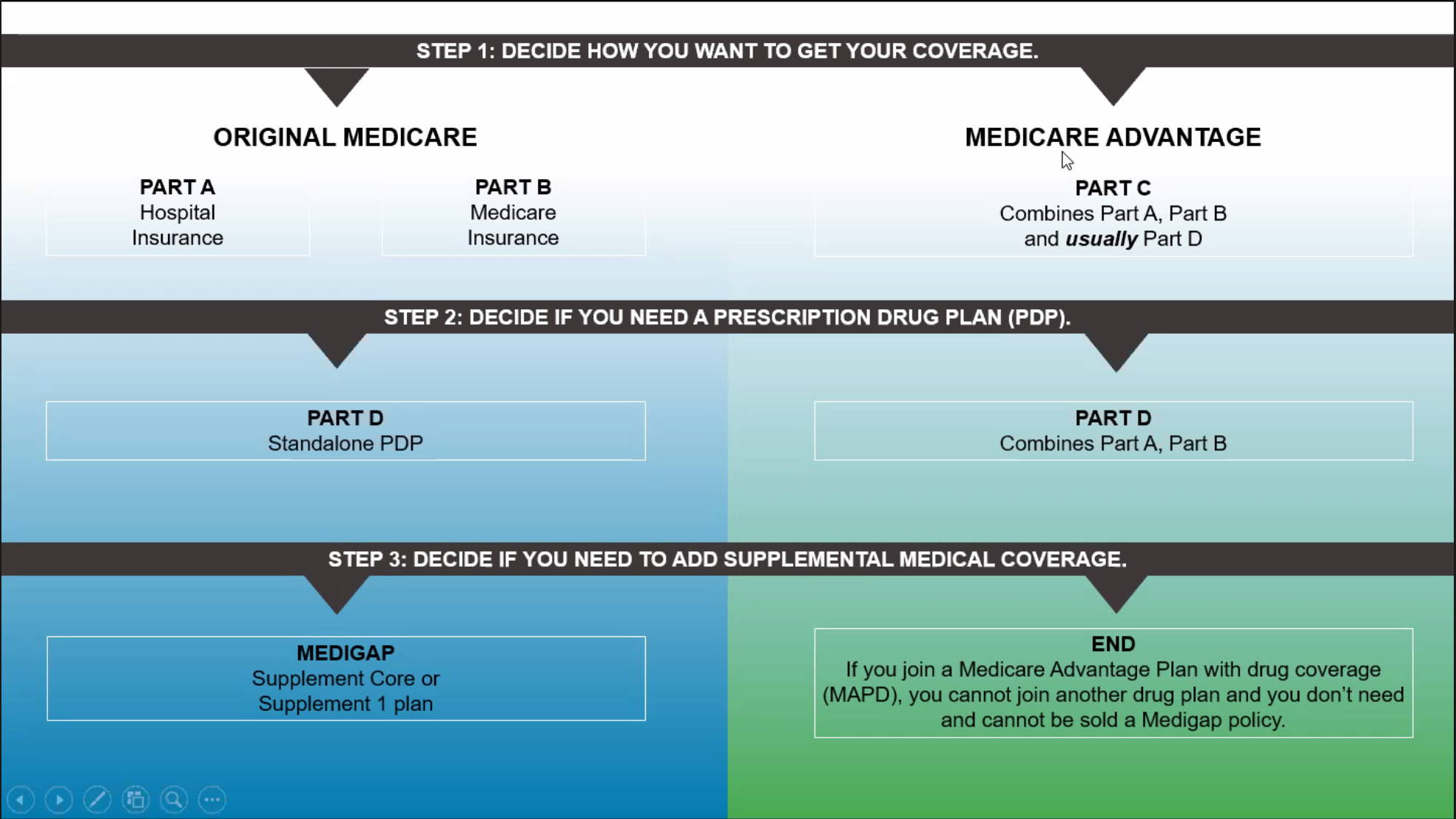
Choosing a Medicare Supplement plan is a decision that affects your long-term financial health and access to medical care. Because these plans do not include prescription drug coverage, you must obtain a separate Medicare Part D plan if you wish to have pharmacy benefits. Combining an Aetna Medicare Supplement plan with a standalone Part D plan provides a comprehensive safety net that covers both medical and pharmaceutical expenses.
It is also important to remember that Medicare Supplement plans are not Medicare Advantage (Part C) plans. You cannot be enrolled in both a Medicare Supplement plan and a Medicare Advantage plan simultaneously. If you currently have an Advantage plan and wish to switch to Original Medicare plus a Supplement, ensure your timing aligns with valid election periods to avoid gaps in coverage.
Frequently Asked Questions
Can I change my Aetna Medicare Supplement plan later?
Yes, you can apply to change your plan at any time. However, unless you are in a guaranteed issue period, you may be subject to medical underwriting. If your health has changed, you might be denied a new policy or charged a higher rate, so verify your eligibility before canceling your existing coverage.
Does an Aetna Medigap plan cover my spouse?
No. Medicare Supplement plans are individual policies. Each person must have their own separate policy. However, as noted previously, many Aetna plans offer household discounts if two people at the same address both carry Aetna policies.
Will my Aetna plan cover me if I travel outside the United States?
Some Aetna Medicare Supplement plans (generally plans C, D, F, G, M, and N) offer limited coverage for emergency medical care during foreign travel. There is typically a deductible and a lifetime maximum benefit limit, so review your specific policy documents before traveling abroad.
How do I file a claim with Aetna?
One of the primary benefits of Medigap is that you typically do not need to file claims yourself. Once your provider sends the claim to Medicare, Medicare automatically sends the remaining balance to Aetna. Aetna then processes the payment and sends you an Explanation of Benefits (EOB) showing what was covered.
Are Aetna Medicare Supplement plans available in every state?
While Aetna is a national provider, the availability of specific plan letters and the pricing structure can vary by state and county. You should use the Aetna website or a licensed insurance agent to verify which plans are currently active in your specific zip code for 2026.
Recommended Next Actions
Before finalizing a decision, confirm your current enrollment status in Part A and Part B. If you are approaching your 65th birthday, prioritize your Medigap Open Enrollment Period to avoid medical underwriting. Use the official Medicare Plan Finder tool to compare the costs and benefits of Aetna’s offerings against other available carriers in your area. If you require personalized guidance, consult with your State Health Insurance Assistance Program (SHIP), which provides free, unbiased counseling to Medicare beneficiaries.