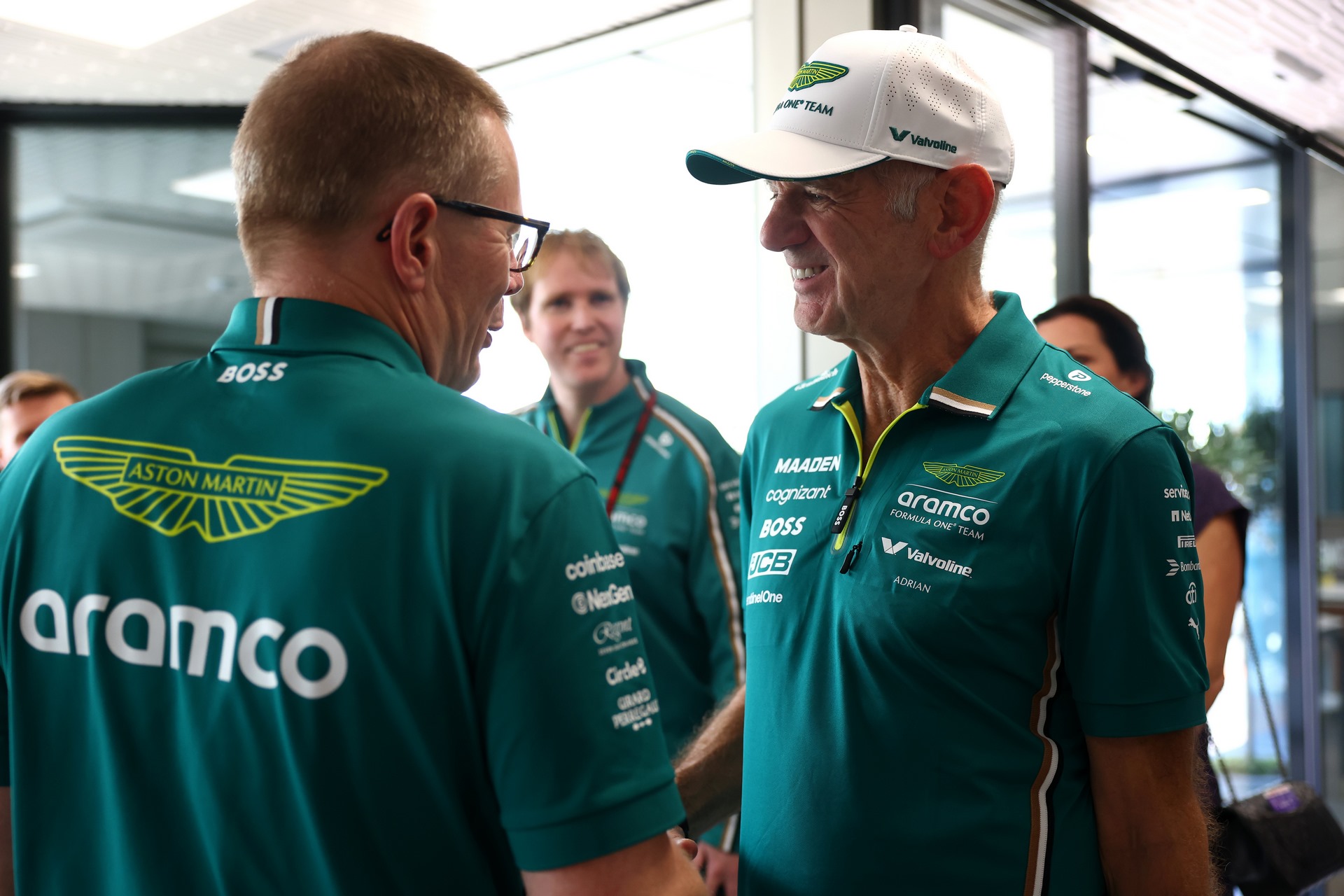
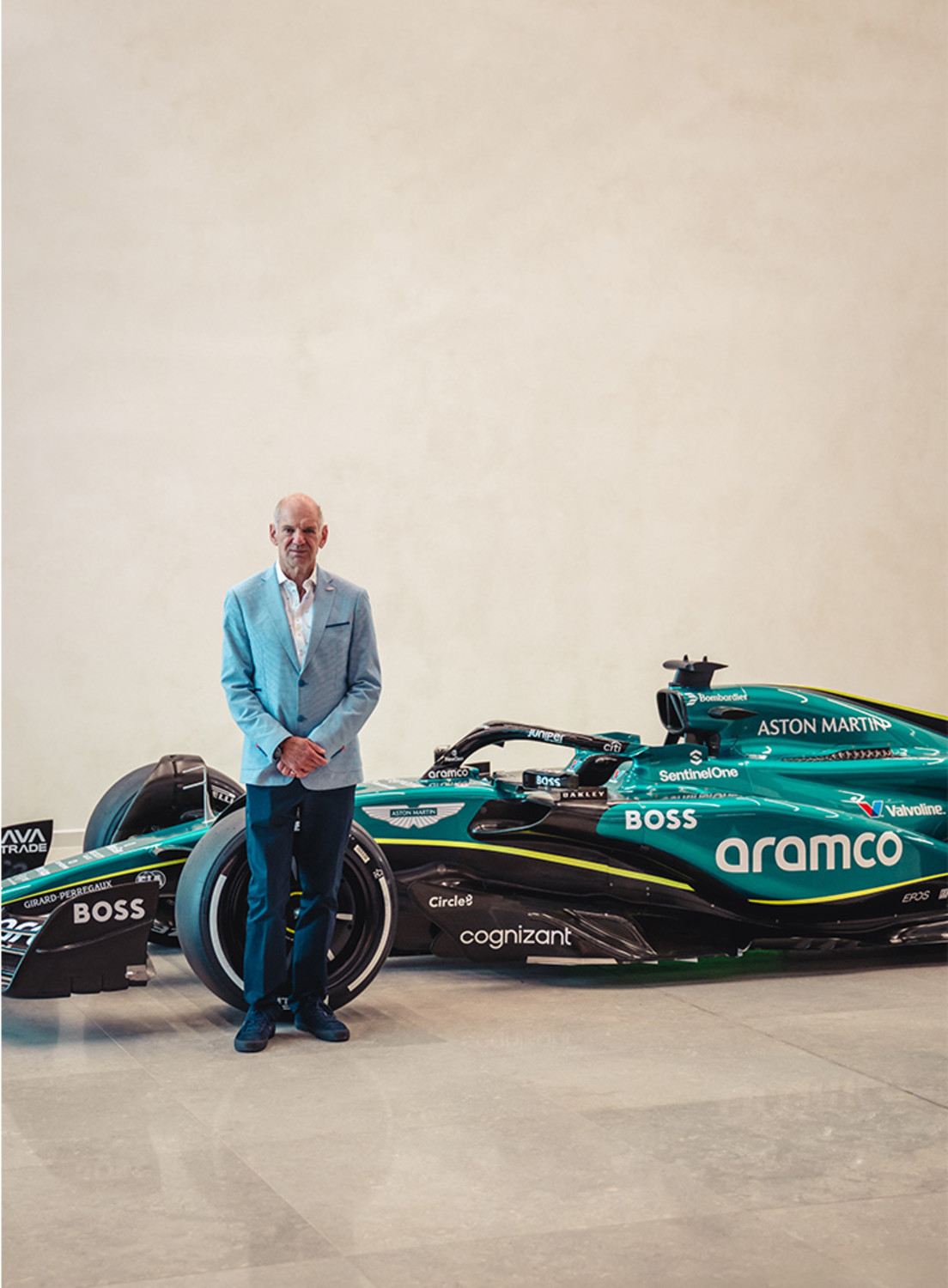
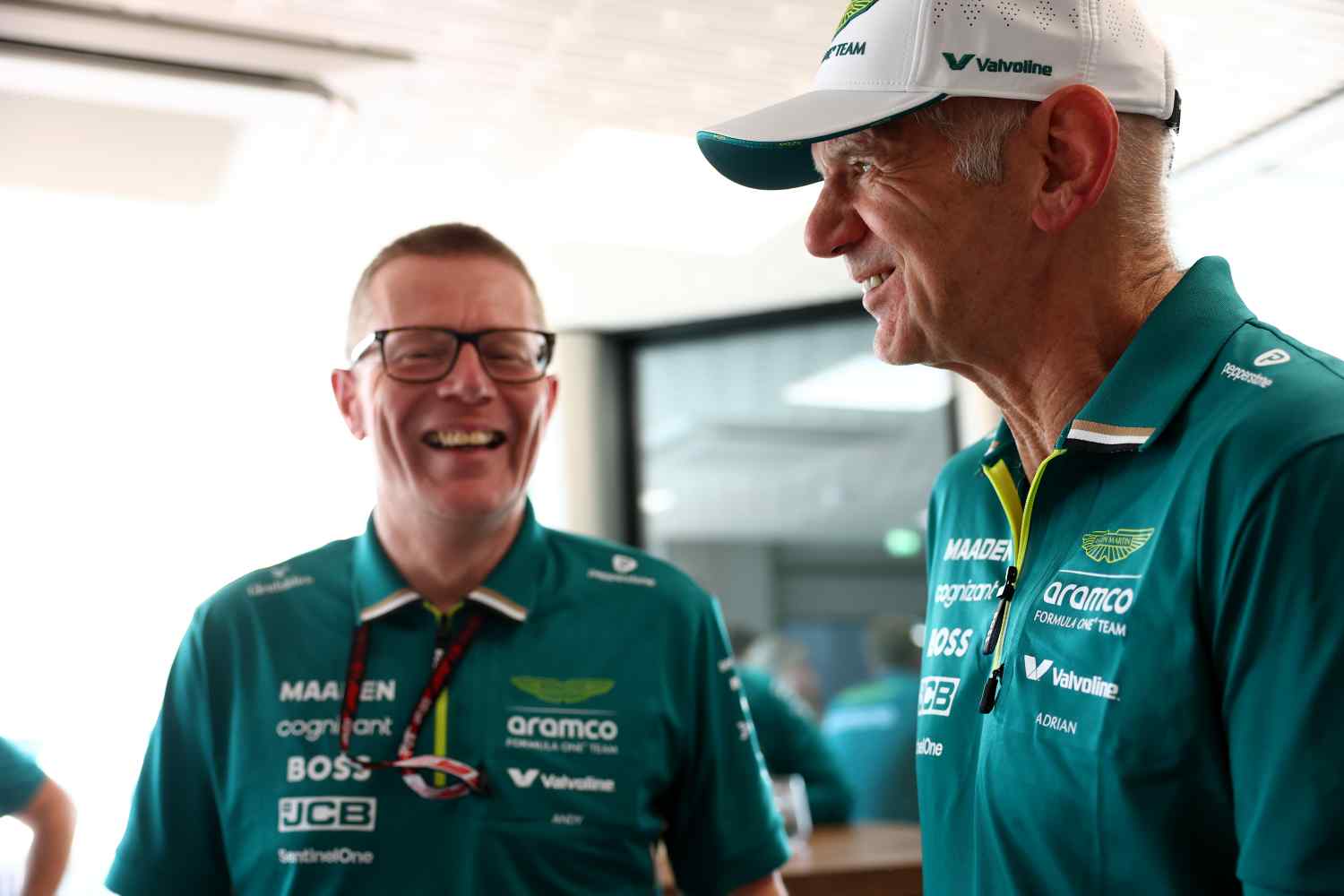
Aston Martin Aramco Formula One Team secured one of the most significant technical signings in modern motorsport history by hiring Adrian Newey as Managing Technical Partner. Starting March 1, 2025, Newey took technical leadership and became a shareholder in the Silverstone-based team, aiming to lead their championship campaign under the 2026 Formula 1 technical regulations overhaul.
Contract Terms, Ownership, and the Hiring Process
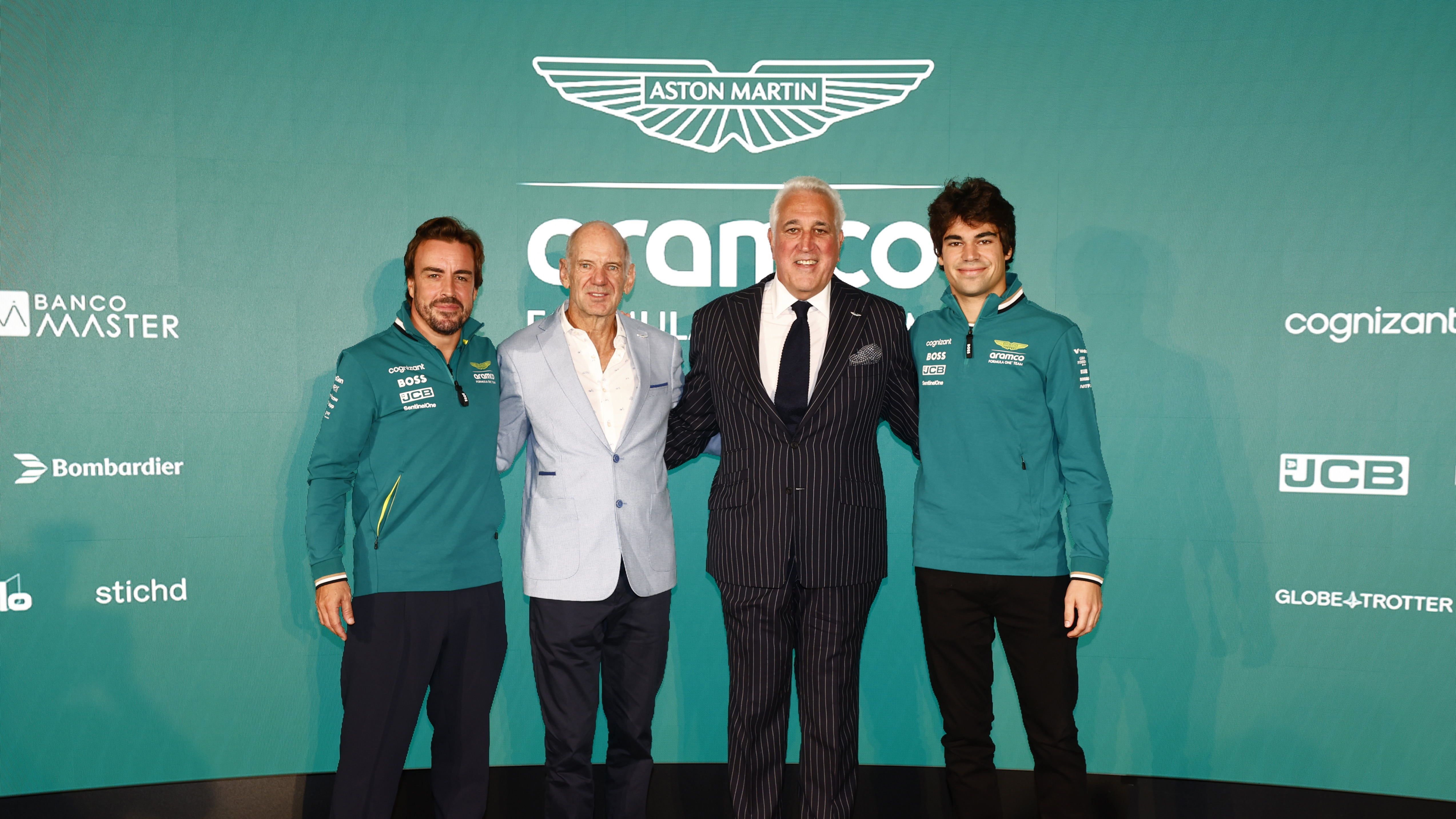
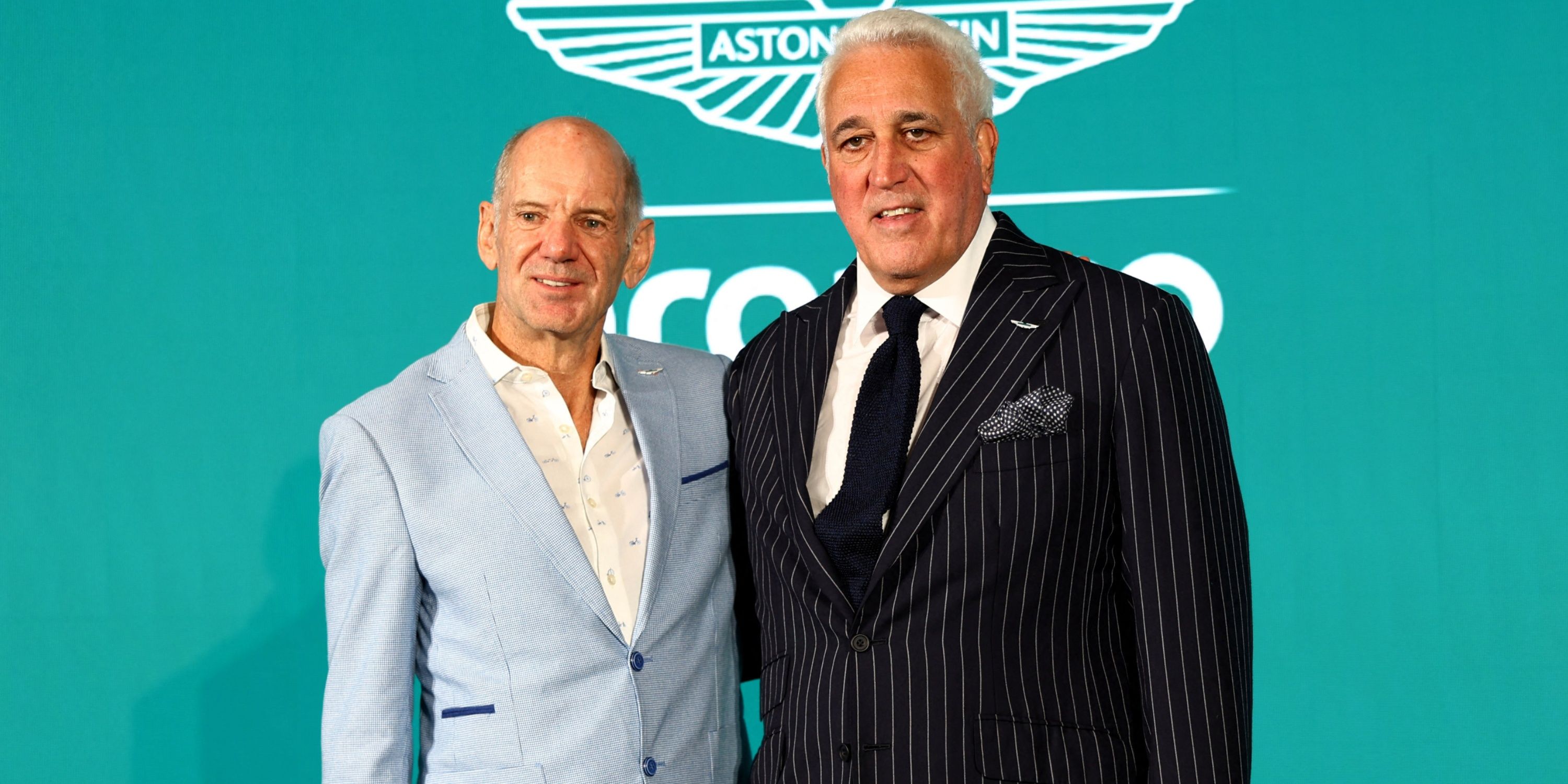
The announcement made on September 10, 2024, at Aston Martin’s AMR Technology Campus in Silverstone concluded months of intense speculation following Newey’s decision to depart Red Bull Racing. While several top-tier teams—most notably Scuderia Ferrari—actively pursued the legendary designer, Aston Martin Executive Chairman Lawrence Stroll successfully put together a winning proposal.
Newey's agreement extends beyond a traditional technical director or chief technology officer contract. As Managing Technical Partner, Newey was granted an equity stake in the team. This ownership structure aligns his long-term financial and professional incentives directly with the team's operational success and franchise valuation. Industry reports estimate the financial structure of the contract, including equity incentives and performance bonuses, at £20 million to £30 million annually over a multi-year commitment.
- ASTON MARTIN F1 EXECUTIVE LEADERSHIP
- Lawrence Stroll (Executive Chairman)
- Andy Cowell (Group CEO)
- Adrian Newey (Managing Technical Partner)
- Enrico Cardile (Chief Technical Officer)
- Technical Depts (Aero / Chassis / Dynamics)
- Adrian Newey (Managing Technical Partner)
Stroll’s recruitment process emphasized three critical factors:
- Private Ownership Agility: Unlike publicly traded corporate OEMs, Aston Martin could make fast decisions and provide custom equity structures without corporate bureaucratic delays.
- Integrated Infrastructure: A tour of the newly built, state-of-the-art AMR Technology Campus demonstrated a total commitment to providing world-class tools.
- Exclusive Works Status: The guaranteed 2026 factory partnership with Honda offered Newey an exclusive engine program tailored around his chassis specifications.
The Technical Leadership Structure at Silverstone
Integrating a figure of Newey's stature into an existing technical hierarchy requires deliberate organizational design. Aston Martin implemented a restructured engineering governance model designed to give Newey technical freedom while maintaining efficient day-to-day operations.
| Role | Key Figure | Operational Scope |
|---|---|---|
| Executive Chairman | Lawrence Stroll | Financial backing, vision, strategic vision |
| Group Chief Executive | Andy Cowell | Enterprise management, engine integration |
| Managing Technical Partner | Adrian Newey | Overall technical direction, vehicle concept |
| Chief Technical Officer | Enrico Cardile | Operational technical delivery, design execution |
| Technical Director | Dan Fallows (Transitioned) | Aerodynamic & chassis engineering management |
The executive structure pairs Newey with Andy Cowell, former Managing Director of Mercedes-AMG High Performance Powertrains, who stepped into the role of Group Chief Executive Officer. Cowell oversees operational management, organizational structure, and powertrain integration. This allows Newey to focus on vehicle architecture, aerodynamic philosophy, and structural layout.
Working alongside Newey is Enrico Cardile, who joined as Chief Technical Officer after leaving his post as Technical Director of Chassis at Ferrari. This division of labor allows Cardile to manage execution, manufacturing pipelines, and day-to-day engineering workflows, freeing Newey to work across departments, identify design bottlenecks, and push aerodynamic limits.
State-of-the-Art Facilities: AMR Technology Campus & Wind Tunnel
A major factor in Newey’s decision was Aston Martin’s infrastructure investment in Silverstone. For years, the team operated out of legacy facilities built by Jordan Grand Prix in 1991 and relied on renting Mercedes’ wind tunnel in Brackley.
- AMR CAMPUS INTEGRATION
- Building 1: Design Office & Chassis Assembly
- Building 2: Wind Tunnel & CFD High-Speed Compute Hub
- Building 3: Employee Amenities & Events Infrastructure
The 400,000-square-foot AMR Technology Campus changes these operational boundaries:
The New Subsonic Wind Tunnel
Aston Martin built a custom wind tunnel featuring a modern continuous-steel-belt rolling road system, advanced flow-visualization telemetry, and rapid-response force balance systems. Unlike shared customer facilities, this dedicated tunnel gives the team full control over test schedules, thermal management, and rapid prototype evaluation.
Advanced Computational Fluid Dynamics (CFD) Computing
The campus houses a custom High-Performance Computing (HPC) cluster dedicated to numerical aerodynamics. Under Formula 1's Aerodynamic Testing Restrictions (ATR), teams receive CFD allocations based on their Constructors' Championship standing. High-speed computing hardware lets engineers run finer mesh grids and complex transient flow simulations within their allowed testing time.
Integrated Manufacturing and Model Shop
Building 1 and Building 2 physically link design offices directly to additive manufacturing, composite autoclave bays, and model-scale machining centers. This proximity cuts the time needed to translate a theoretical design into physical wind-tunnel test parts.
Target 2026: The Technical Regulation Overhaul
While Newey began overseeing car development upon his arrival in March 2025, his primary technical focus centers on the 2026 FIA Formula One Technical Regulations. The 2026 rules represent one of the most radical technical shifts in F1 history, resetting both chassis dynamic rules and power unit architectures simultaneously.
| Technical Parameter | 2022-2025 Regulations | 2026 Technical Overhaul |
|---|---|---|
| Maximum Wheelbase | 3,600 mm | 3,400 mm |
| Maximum Overall Width | 2,000 mm | 1,900 mm |
| Car Minimum Mass | 798 kg | 768 kg (Targeted Reduction) |
| Active Aerodynamics | DRS Only (Rear Wing) | Active Front & Rear Wings (Z-Mode) |
| Power Unit Electric Split | ~120 kW (MGU-K) | 350 kW (50/50 ICE to Electric) |
| MGU-H Energy Recovery | Present | Completely Eliminated |
| Fuel Specification | E10 (10% Ethanol Blend) | 100% Sustainable Synthetic Fuel |
Active Aerodynamics and Drag Reduction Modes
The 2026 regulations replace ground-effect venturi tunnels with narrower floor geometries and mandatory active aerodynamics. Cars will feature dynamic front and rear wing elements switching between two operational profiles:
- Z-Mode (High Downforce): Deployed during cornering to maximize dynamic grip.
- X-Mode (Low Drag): Deployed on straightaways to reduce aerodynamic drag and preserve energy.
Newey's career in Formula 1 includes pioneering active suspension systems (such as the Williams FW14B in 1992) and managing active aerodynamic surfaces. His expertise is crucial for optimizing the interaction between moving wing elements, floor balance, and transient ride heights.
Honda Works Power Unit Integration
Transitioning from a Mercedes customer engine to a full Honda Works Power Unit gives Aston Martin a major competitive advantage. As a customer team, a constructor must design its chassis around the predefined dimensions, cooling layouts, and mounting points supplied by the engine vendor.
As Honda’s exclusive works partner for 2026, Aston Martin’s design team under Newey can dictate exact power unit packaging requirements. The 2026 engine regulations eliminate the MGU-H (Motor Generator Unit - Heat) and increase MGU-K (Motor Generator Unit - Kinetic) electrical output to 350 kW (approx. 470 hp).
- 2026 POWER UNIT ARCHITECTURE
- 1.6L V6 Turbocharged ICE (100% Sustainable Aramco Fuel)
- 350 kW MGU-K Electric Motor (Direct Kinetic Energy Recovery)
- Combined ~1,000 HP System
Designing a compact packaging layout that balances heavy battery storage (Energy Store), sidepod radiator ducts, dynamic airflow control, and dynamic balance is precisely where Newey has historically outperformed rival engineering teams.
Aramco Advanced Fuels and Thermal Efficiency
Title partner Aramco leads the development of 100% sustainable drop-in synthetic fuels required for 2026. Fuel formulation directly influences internal combustion knock limits, cylinder pressure curves, thermal expansion, and lubrication viscosity. Working directly with Honda engineers and Aramco chemical chemists, Newey’s team can optimize the cooling system and air intake geometries around the fuel's exact combustion properties.
Historical Context: Newey’s Formula 1 Eras
To understand the strategic value of hiring Newey, it helps to examine his track record across major regulatory transitions over four decades.
| Team Era | Primary Years | Notable Chassis Innovations | World Championships Won |
|---|---|---|---|
| Leyton House / March | 1988 - 1990 | Aggressive micro-aero packaging, narrow cockpit footprints | 0 (Established reputation for radical aerodynamic design concepts) |
| Williams F1 | 1990 - 1996 | FW14B active suspension, FW18 blown-diffuser blown aerodynamics | 5 Constructors' (1992, 1993, 1994, 1996, 1997), 4 Drivers' |
| McLaren F1 | 1997 - 2005 | MP4/13 narrow-track aero control, low center-of-gravity packaging | 1 Constructors' (1998), 2 Drivers' (1998, 1999) |
| Red Bull Racing | 2006 - 2024 | RB6 exhaust blown diffusers, RB18 floor edge vortex control | 6 Constructors' (2010-2013, 2022-2023), 7 Drivers' |
| Aston Martin F1 | 2025 - Present | 2026 Active Aero & Honda Integration | In Progress (Targeting 2026 Titles) |
The Williams Era (1990–1996)
Newey transformed Williams into the dominant force of the 1990s. The Williams FW14B paired active hydraulic suspension with precise underbody airflow management, dominating the 1992 season. His subsequent designs, including the FW16 and FW18, set industry benchmarks for structural rigidity, clean packaging, and high-speed dynamic stability.
The McLaren Era (1997–2005)
Moving to McLaren for 1997, Newey adapted instantly to the major 1998 narrow-track and grooved-tire rule changes. The McLaren MP4/13 won both World Championships in its first year, demonstrating his skill at exploiting fresh technical regulations ahead of competitor engineering teams.
The Red Bull Era (2006–2024)
Newey joined Red Bull Racing in its infancy and transformed the squad into a dominant force. His pioneering work on blown diffusers (RB6–RB9) produced four consecutive Drivers' and Constructors' titles from 2010 to 2013. When Formula 1 reintroduced ground-effect aeropackages in 2022, Newey’s deep understanding of ground-effect physics delivered the RB18 and RB19—the latter winning 21 out of 22 races in 2023, the most dominant single-season performance in F1 history.
Dynamic Impact on Driver Lineup and Operational Trackside Execution
The arrival of Newey carries major implications for driver performance, car setup philosophy, and trackside engineering execution.
- TRACKSIDE PERFORMANCE ENGINE
- Driver Input (Fernando Alonso & Lance Stroll)
- Suspension Setup (Anti-Dive / Anti-Squat Mechanical Geometry)
- Aerodynamic Dynamic (Rake Stability & Floor Pressure Maps)
Fernando Alonso’s Driver Partnership
Two-time World Champion Fernando Alonso has long expressed a desire to work alongside Newey before retiring from Formula 1. Alonso’s tactical driving style relies heavily on a predictable front-end turn-in dynamic and strong mechanical grip during mid-corner transitions.
Newey’s chassis designs excel at preserving aerodynamic load through cornering roll, pitch, and heave movements. This stability gives drivers higher confidence on corner entry without suffering unpredictable downforce shifts.
Mechanical Suspension and Anti-Dive/Anti-Squat Dynamics
Modern ground-effect cars require tight control over ride height to keep floor venturi channels operating at peak aerodynamic efficiency. Under Newey's leadership, Red Bull introduced sophisticated anti-dive front suspension and anti-squat rear suspension geometry. This mechanical setup minimizes body pitching during heavy braking and acceleration, keeping the underbody floor within its optimal ground-clearance window.
At Aston Martin, Newey works directly with mechanical design groups to integrate similar suspension kinematics, matching the mechanical suspension setup directly with active aerodynamic profile shifts.
Challenges and Realistic Development Timelines
While Newey’s technical credentials are established, transforming a mid-grid constructor into a World Championship winner involves realistic operational timelines and challenges:
- March 2025: Newey Onboards at Campus
- Mid-2025: Shift Focus 100% to 2026 Car
- Late 2025: Wind Tunnel Testing of 2026 Chassis
- January 2026: Track Pre-Season Testing Debut
1. The 2025 Transition Period
Because Newey officially started on March 1, 2025, his ability to influence the fundamental architecture of the 2025 car (the AMR25) was limited. Modern F1 monocoque designs, hard points, and cooling architectures are locked in during the preceding autumn. As a result, his main focus was directing aerodynamic update paths for 2025 while devoting most of his time to the 2026 car.
2. Aerodynamic Testing Restrictions (ATR)
Formula 1’s financial cost cap and ATR system restrict total wind-tunnel runs and CFD hours based on championship standing. Aston Martin must balance its development allocations carefully. Newey’s challenge is to maximize design quality per run rather than relying on high-volume trial-and-error testing.
3. Cultural Integration and Workflow Acceleration
Integrating new high-profile engineering leadership requires merging different design philosophies. Senior engineers from Red Bull, Ferrari, Mercedes, and Alfa Romeo must adapt to a single design pipeline under Newey's leadership without creating operational bottlenecks.
Frequently Asked Questions
What is Adrian Newey’s official job title at Aston Martin Aramco?
Adrian Newey is the Managing Technical Partner and a shareholder at Aston Martin Aramco Formula One Team. This role combines overall technical leadership across chassis design, aerodynamics, and power unit integration with an equity ownership stake in the team.
Why did Adrian Newey leave Red Bull Racing?
Newey announced his departure from Red Bull Racing in May 2024 to seek new professional challenges and opportunities. After nearly two decades at Red Bull, he sought a project that offered fresh technical challenges, equity participation, and the freedom to help build a team under major regulatory rule changes.
When did Adrian Newey officially start working at Aston Martin?
Newey officially began his employment with Aston Martin Aramco on March 1, 2025, following the completion of his contractual release commitments with Red Bull Racing.
How does Newey's arrival impact Aston Martin's engine partnership with Honda?
Newey works closely with Honda Racing Corporation (HRC) engineers to integrate their exclusive 2026 works power unit into the Aston Martin chassis design. Because Aston Martin is Honda's exclusive works partner for 2026, Newey can dictate engine packaging, cooling layouts, and mounting geometries to optimize overall vehicle dynamics.
What are the main F1 rule changes for 2026 that Newey is focused on?
The 2026 Formula 1 regulations introduce smaller, lighter car dimensions, lower overall drag, active front and rear wing aerodynamics (Z-Mode and X-Mode), 100% sustainable fuels, and a redefined 1,000 hp power unit that splits power 50/50 between the internal combustion engine and a 350 kW MGU-K electric motor.
Practical Takeaways and Looking Ahead
The partnership between Adrian Newey and Aston Martin Aramco represents one of the most complete technical alignments in modern Formula 1. By combining private ownership structure, state-of-the-art wind tunnel and CFD infrastructure, an exclusive Honda factory engine program, and Newey's proven design philosophy, Aston Martin has assembled all the necessary elements to challenge for World Championships under the 2026 regulatory reset.
Motorsport analysts, team members, and fans evaluating the team's championship prospects should track these key performance indicators:
- Correlation Metrics: Evaluate early track data against wind tunnel predictions during 2026 pre-season testing to verify the accuracy of the new Silverstone wind tunnel.
- Power Unit Packaging: Watch for compact sidepod and engine cover layouts made possible by early structural integration between Honda's 2026 engine team and Newey's design office.
- In-Season Development Rate: Monitor how quickly low-drag and high-downforce aerodynamic updates arrive at trackside during race weekends, reflecting the speed of the integrated AMR Technology Campus.