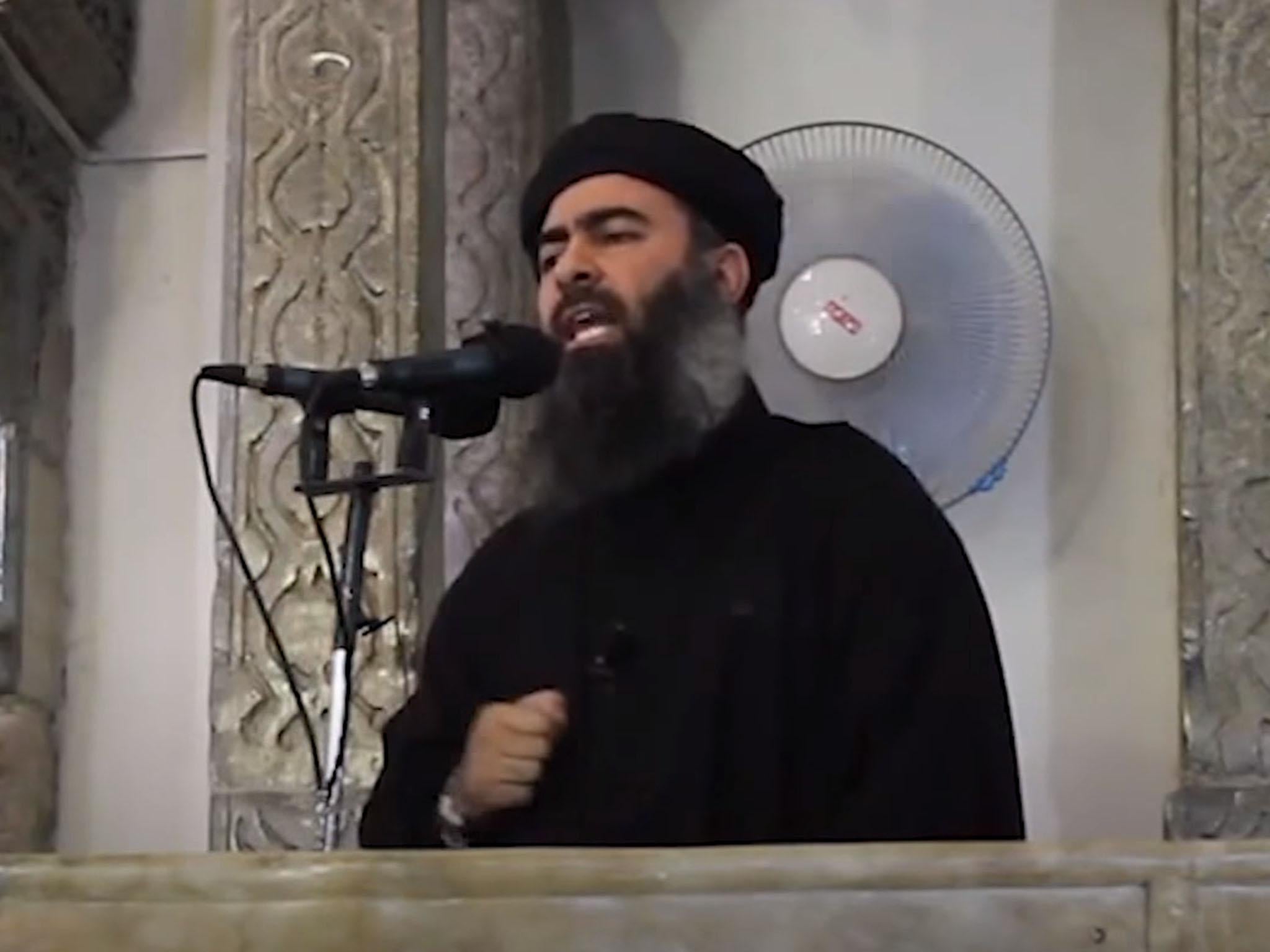
The financial status of Abu Bakr al-Baghdadi, the late leader of the Islamic State (IS), was not a personal "net worth" in the conventional sense of individual wealth or private capital. Instead, his financial authority was defined by his control over the illicit revenue streams of a quasi-state, including oil production, extortion, taxation, and looting, which were managed through centralized organizational treasuries rather than personal bank accounts.
Defining the Nature of Insurgent Wealth
To understand the financial footprint of individuals like Abu Bakr al-Baghdadi, one must shift focus from personal prosperity—such as stocks, real estate, or liquid cash holdings—to the mechanisms of a shadow economy. Al-Baghdadi, as the self-proclaimed caliph of the Islamic State from 2014 until his death in 2019, sat at the apex of an organizational structure that functioned more like a rogue state than a traditional criminal enterprise.
In this context, "net worth" is an inaccurate metric. His power was derived from his ability to command an organizational budget. By the height of the group’s territorial expansion in 2015, intelligence agencies and international watchdogs estimated the organization’s annual revenue to be in the hundreds of millions of dollars. These funds were directed toward military operations, administrative costs, and the maintenance of a sophisticated propaganda machine, rather than being amassed as personal private wealth.
The Financial Architecture of the Islamic State
The fiscal operations overseen by al-Baghdadi were characterized by diversification. Unlike traditional terrorist groups that relied heavily on foreign donations or external state sponsors, the Islamic State under his leadership prioritized self-sufficiency through the systematic exploitation of resources within the territory it controlled in Iraq and Syria.
1. Hydrocarbon Exploitation
The most significant revenue driver was the control of oil fields in Eastern Syria and Northern Iraq. At its peak, the group controlled refineries and extraction sites, selling crude oil to intermediaries, local smugglers, and even, under certain conditions, to elements within the regions they occupied. This "oil-for-cash" mechanism allowed for a consistent stream of liquidity that functioned as the bedrock of the group’s treasury.
2. Extortion and Taxation
The organization implemented a rigid system of "taxation" upon the millions of civilians living under its jurisdiction. This included levies on essential services, commerce, and agricultural output. Furthermore, the group engaged in systemic extortion of businesses and individuals, creating a captive economy where the failure to pay resulted in severe penalization.
3. Looting and Antiquities
Cultural heritage and historical sites became sources of immediate capital. The looting of archaeological artifacts and the subsequent sale of these items on international black markets provided a supplemental, albeit fluctuating, revenue stream. Additionally, the seizure of banks within captured cities—most notably in Mosul—resulted in the consolidation of significant amounts of physical currency and precious metals into the group’s central treasury.
Comparing Financial Models
When analyzing the financial reach of non-state actors, it is vital to differentiate between personal accumulation and organizational throughput. The following table illustrates the structural differences between traditional corporate wealth and the illicit financial flow managed by the leadership of the Islamic State.
| Feature | Corporate Executive Wealth | Insurgent Financial Control |
|---|---|---|
| Ownership Type | Personal, private assets | Institutional, collective funds |
| Primary Revenue | Salary, equity, dividends | Taxation, extortion, smuggling |
| Transparency | Audited, regulated markets | Opaque, shadow finance |
| Liquidity Use | Personal lifestyle, investment | Military operations, bureaucracy |
| Legal Standing | Protected by law | Subject to global counter-terror laws |
The Role of International Sanctions and Tracking
Because the financial system managed by al-Baghdadi was inherently illicit, it was the subject of intense scrutiny by international financial regulators, most notably the United Nations Security Council and the U.S. Department of the Treasury.
These bodies utilized the designation of "Specially Designated Global Terrorist" (SDGT) and similar international sanctions frameworks to freeze assets associated with the leadership. However, the efficacy of these measures against an organization that operated largely in a cash-based, war-torn environment was inherently limited. The organization utilized informal value transfer systems (such as hawala) to move funds across borders, circumventing traditional banking systems that would have been susceptible to international monitoring.
Myth vs. Reality in Media Reporting
Public curiosity regarding the "net worth" of figures such as al-Baghdadi often stems from a misunderstanding of how extremist leadership functions. Sensationalist media headlines often conflate the total estimated revenue of an organization with the personal wealth of its leader. There is no evidence—historical or forensic—to suggest that al-Baghdadi held vast private wealth in offshore accounts or diversified investment portfolios.
His lifestyle remained characteristically austere, consistent with the ideological branding of the organization. The focus on his "net worth" in popular discourse serves as a proxy for the total resources the organization was able to command at its peak. Any attempt to quantify his wealth as a personal figure is statistically unfounded and misrepresents the decentralized, project-based nature of the group’s financial management.
Key Considerations for Financial Research
For those studying the financial mechanics of modern insurgencies, it is necessary to rely on reports from organizations like the Financial Action Task Force (FATF). These reports explain how terrorist groups transition from illicit resource extraction to more complex financial crimes.
- Diversification: The shift from simple extortion to the management of "state-like" revenue, such as selling utilities (water and electricity) to captive populations.
- Logistics of Movement: The difficulty of tracking physical cash movement compared to digital transactions.
- Attrition: How military pressure reduces the ability of an organization to hold resource-rich territory, subsequently shrinking their financial intake.
Frequently Asked Questions
1. Was there a confirmed net worth figure for Abu Bakr al-Baghdadi? No. There is no verifiable financial data, such as tax filings, bank records, or investment portfolios, that would support a "net worth" figure. Any such numbers circulating in media are speculative estimates of the organization's total assets rather than his personal wealth.
2. How did the Islamic State manage its finances? The group utilized a centralized treasury that collected funds through oil smuggling, heavy taxation of local populations, extortion, and the looting of banks and archaeological sites. These funds were then distributed through a bureaucratic hierarchy to sustain the organization's military and administrative functions.
3. Did international sanctions affect al-Baghdadi personally? While international sanctions and freezing orders targeted his network and potential proxies, they primarily impacted the organization’s ability to access the global formal financial system. Because the group operated largely within a cash-based war economy, the impact on any personal "wealth" was negligible.
4. Where did the money go after it was collected? The revenue was primarily reinvested into the group’s operations. This included salaries for fighters, the maintenance of military hardware, the administration of territory, and the production of media and propaganda materials intended to recruit members globally.
5. How does this compare to other criminal organizations? Unlike traditional criminal syndicates, such as drug cartels, whose primary goal is the accumulation of profit, the organization led by al-Baghdadi aimed for the maintenance of political and territorial control. This meant that the "profit motive" was secondary to the "governance motive," resulting in a different allocation of financial resources.
Final Perspective on Insurgent Finance
The discourse surrounding the "net worth" of extremist leaders serves as an analytical dead end. It is far more productive to investigate the financial pipelines that support these organizations. By understanding how resources are extracted, moved, and laundered, international bodies are better equipped to disrupt the operational capabilities of such groups. For researchers and observers, the focus should remain on the systematic dismantling of these illicit funding networks rather than the tracking of individual wealth that never existed in a traditional sense.