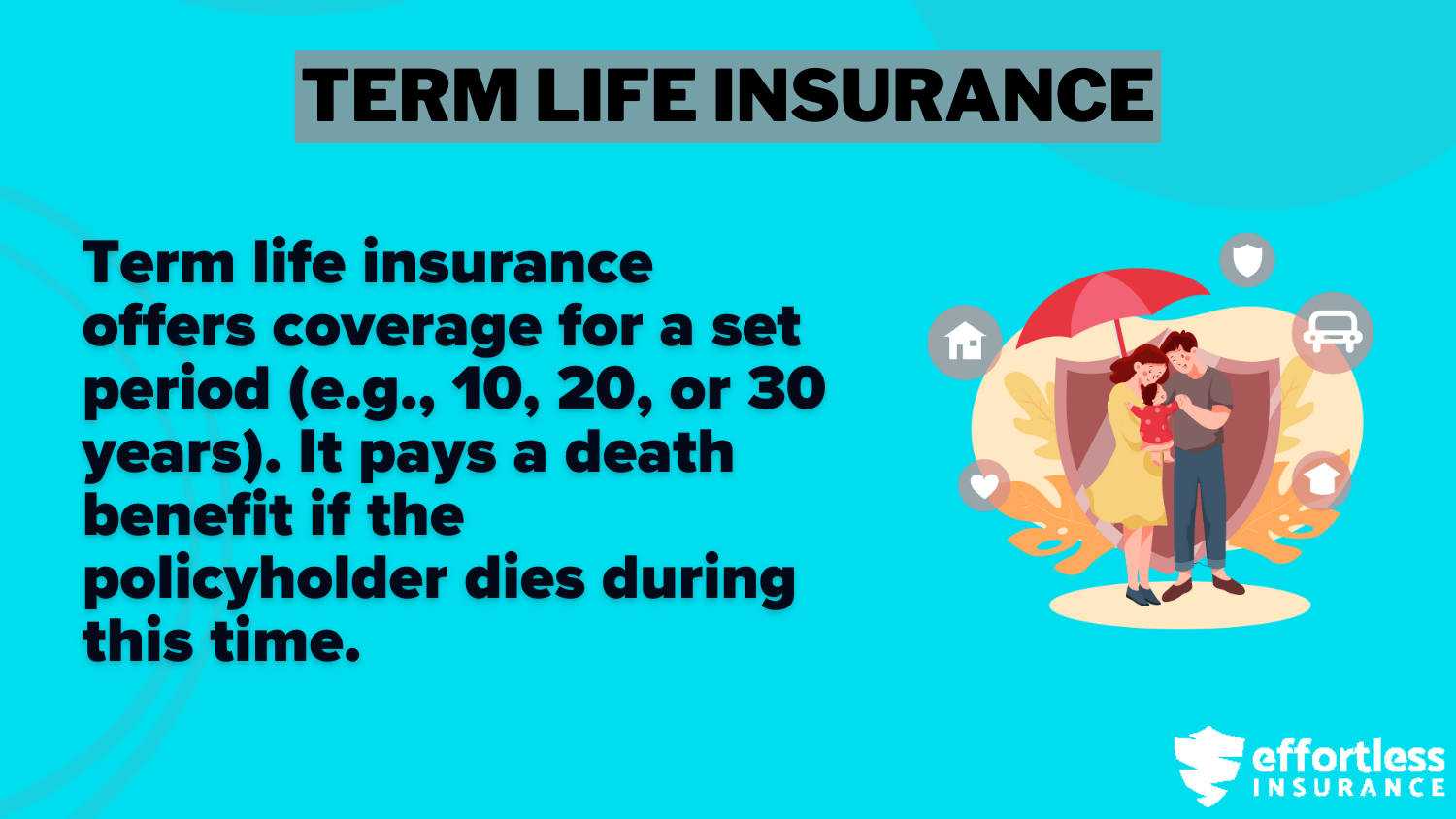
If a life insurance policy for a 98-year-old expires, it is typically because a term life contract reached its end date or a permanent policy reached "maturity." In the case of term insurance, coverage simply ceases. For permanent policies, maturity means the cash value is paid out to the owner, effectively ending the insurance protection.
Finding out that a life insurance policy has "expired" while the insured is still alive—especially at the advanced age of 98—can be a significant financial and emotional shock. For decades, the policyholder may have paid premiums with the expectation that a death benefit would be available to cover funeral costs, estate taxes, or a legacy for heirs. However, the mechanics of life insurance contracts are governed by actuarial tables that, until recently, did not account for the increasing frequency of centenarians.
As of 2026, many seniors and their families are encountering this issue as those born in the late 1920s outlive the expiration dates of policies written in the mid-20th century. Understanding why this happens, how to verify the policy status, and what alternative financial steps are available is essential for managing the final stages of an estate plan.
The Difference Between Policy Expiration and Policy Maturity
The first step in addressing an "expired" policy at age 98 is to determine the exact nature of the contract. The terms "expired" and "matured" are often used interchangeably by beneficiaries, but they carry vastly different financial implications.
Term Life Insurance Expiration
Term life insurance is designed to provide coverage for a specific period—typically 10, 20, or 30 years—or until a specific age. Many older term policies were written to terminate at age 95 or 100. If a 98-year-old holds a "Term to 95" policy, the coverage officially expired three years ago.
When a term policy expires, the contract simply ends. There is no death benefit paid out because the insured is still alive, and there is usually no cash value to recover. The premiums paid over the decades were the cost of "pure protection" during the years the policy was active.
Permanent Life Insurance Maturity
If the policy is a Whole Life or Universal Life contract, it does not "expire" in the traditional sense; instead, it "matures." For many years, the life insurance industry used the 1958 and 1980 Commissioners Standard Ordinary (CSO) Mortality Tables. These tables assumed that no one lived past age 95 or 100, respectively.
When a policy reaches the end of the mortality table it was written on (often age 95 or 100), it matures. At this point, the insurance company is contractually obligated to pay the cash surrender value to the policy owner. Because these policies were designed so that the cash value would eventually equal the death benefit at the maturity age, the policyholder receives the full value of the policy while still alive. Once this payment is made, the insurance coverage ends.
Why Policies End at Age 95 or 100
The primary reason a 98-year-old would face an expiring policy is the historical limitation of actuarial science. When many policies active in 2026 were originally issued (perhaps in the 1960s or 1970s), living to 100 was considered an extreme outlier.
- Actuarial Assumptions: The 1980 CSO table, which governed many policies for decades, assumed the "end of life" was age 100. Therefore, the internal pricing, premium structures, and cash value accumulation were all calibrated to hit their peak at that age.
- Contractual Termination: Term policies are legal contracts with a set expiration date. Once that date is reached, the insurer has fulfilled its obligation to provide coverage for that specific window of time.
- Modern Changes: It is important to note that newer policies issued after 2004 typically use the 2001 CSO Table, which extends the maturity age to 121. However, a 98-year-old in 2026 likely purchased their policy long before these updates were standard.
Immediate Steps to Take When a Policy Expires
If you or a loved one is 98 and notified that a policy has ended, do not assume all is lost. Follow these steps to verify the situation:
1. Request a Final Policy Illustration
Contact the insurance company and request a "Final Policy Accounting" or a "Maturity Statement." This document will clarify whether the policy was a term product (with no value) or a permanent product that has matured. If it matured, the statement will show the total cash value due to the owner.
2. Check for "Extension of Maturity" Riders
Some Universal Life policies issued in the 1990s included riders that allow the death benefit to continue past the original maturity age (e.g., age 95 or 100) without further premium payments. If this rider exists, the insurance company may have made an error in sending an expiration notice.
3. Verify the Grace Period and Lapses
If the policy "expired" not because of age, but because a premium was missed, there may be a 30- or 60-day grace period. At age 98, cognitive decline or hospital stays often lead to missed payments. Many states have laws requiring insurance companies to allow seniors to designate a "secondary addressee" for lapse notices. If the company failed to notify the secondary contact, you may have legal grounds to reinstate the policy.
Financial Comparison: Expiration vs. Maturity at Age 98
| Feature | Term Life Insurance | Whole/Universal Life (Matured) |
|---|---|---|
| End Result | Coverage ceases; no payout. | Cash value is paid to policy owner. |
| Tax Impact | None (no money received). | Gain (payout minus premiums) is taxable. |
| Death Benefit | Lost once the term expires. | Effectively paid out as "Maturity Proceeds." |
| Premiums | Stopped at expiration. | Stopped at maturity. |
| Actionable Value | Zero. | Full policy face amount (usually). |
The Tax Implications of a Matured Policy
One of the most overlooked aspects of a 98-year-old's policy maturing is the tax bill. Unlike a death benefit, which is generally received income-tax-free by beneficiaries under Internal Revenue Code Section 101(a), the proceeds of a matured policy are treated differently.
When a policy matures and pays out to the living owner, the IRS treats the "gain" as ordinary income. The gain is calculated as the total maturity payout minus the "basis" (the total amount of premiums paid into the policy over the years). For a policy held for 50 or 60 years, the gain can be substantial. In 2026, this could push a senior into a higher tax bracket or impact their Social Security taxation.
Options for New Coverage at Age 98
If the policy was term insurance and has truly expired, the individual is now uninsured. At age 98, obtaining new life insurance is exceptionally difficult, but not entirely impossible depending on the goals.
Guaranteed Issue Life Insurance
Most "Guaranteed Issue" or "Final Expense" policies—which do not require a medical exam—have a maximum entry age of 80 or 85. Very few carriers in 2026 extend this to age 90, and almost none provide new coverage at age 98. The risk to the insurer is simply too high.
Annuities with Death Benefit Riders
For those with significant liquid assets who want to ensure a specific amount is passed to heirs, a "Single Premium Immediate Annuity" (SPIA) or a specialized deferred annuity might be an option. While not a life insurance policy, some annuities offer a return-of-premium death benefit. However, at age 98, the payout rates and fees may not be favorable.
Pre-Paid Funeral Contracts
If the primary goal of the expired insurance was to cover burial costs, the most practical alternative is a pre-paid funeral plan directly through a funeral home. This involves paying for specific services at today’s prices. These contracts are generally not age-restricted, as they are service-based rather than mortality-based.
Life Settlements: Is it Too Late?
A life settlement involves selling an existing life insurance policy to a third party for a lump sum that is higher than the cash value but lower than the death benefit. For a 98-year-old, a life settlement would have been a highly lucrative option before the policy expired.
However, once a policy has reached its expiration or maturity date, it can no longer be sold on the secondary market. If you are reading this and have a policy that is approaching age 95 or 100, exploring a life settlement several years in advance is a vital strategy to avoid the "expiration" trap.
Common Mistakes to Avoid
- Stopping Payments Prematurely: If a policy is near its end date, some people stop paying premiums, thinking it’s a lost cause. This can trigger a "lapse" instead of a "maturity," potentially forfeiting the cash value or the chance to claim a maturity payout.
- Ignoring the "Maturity" Check: Many families receive a check in the mail from the insurance company when the insured turns 95 or 100 and set it aside, confused by what it is. This check represents the policy proceeds. Cashing it officially ends the contract.
- Failing to Update Contact Information: If the policy owner has moved to an assisted living facility, the insurance company may be sending vital expiration warnings to an empty house.
Legal Protections for Seniors
In 2026, many jurisdictions have strengthened protections against policy lapses for the elderly. If a policy for a 98-year-old expired because of a missed payment (rather than the natural end of the contract term), you should investigate the following:
- Third-Party Notification Laws: Many states require insurers to offer the policyholder the right to name at least one other person to receive notice of lapse for non-payment.
- Reinstatement for Mental Incapacity: Some policies contain provisions (or state laws mandate) that if a policy lapses due to the insured's cognitive impairment (e.g., Alzheimer’s or dementia), it can be reinstated within a certain timeframe (often five months) if the back premiums are paid.
Summary of Recommendations
If you are dealing with a life insurance policy for a 98-year-old that has expired:
- Identify the Policy Type: Confirm if it was Term or Permanent. If it was Permanent (Whole Life), demand the maturity proceeds.
- Search for Maturity Checks: Check the policy owner’s mail and bank records for payments from the insurer that may have been automatically issued at age 95 or 100.
- Review Alternatives: If coverage is truly gone, shift focus to pre-paid funeral arrangements or "Ear-Marked" savings accounts (often called "Totten Trusts") to cover final expenses.
- Consult a Tax Professional: If a maturity payout is received, prepare for the potential income tax liability to avoid surprises during the next filing season.
- Verify Lapse Reasons: If the policy ended due to non-payment, check for state-specific senior protection laws that might allow for reinstatement.
The expiration of a life insurance policy at age 98 is a reminder that these products are contracts based on mathematical models. While the loss of a death benefit is difficult, understanding the contractual reality allows a family to pivot their financial strategy and ensure that the final stages of estate planning remain secure.