The Lexus RX 350 has a maximum factory towing capacity of 3,500 pounds when properly equipped, meaning an 8,000-pound towing capacity is physically impossible for this vehicle. Achieving an 8,000-lb capacity would require a heavy-duty full-size SUV or a light-duty truck, as the unibody architecture, transmission cooling limitations, and engine output of the RX 350 are engineered strictly for light-duty recreational hauling.
Understanding the Lexus RX 350 Towing Baseline
To understand why an 8,000-pound towing capacity is unattainable for a Lexus RX 350, you must first examine the factory specifications established by Lexus. Across various model generations, the standard maximum towing capacity for a properly equipped RX 350 consistently hovers around 3,500 pounds (approximately 1,587 kilograms). This rating requires the optional factory tow prep package, which typically includes a heavy-duty radiator, transmission oil cooler, and pre-wired harness.
Attempting to pull 8,000 pounds—the weight of a large modern travel trailer, heavy equipment, or a massive boat—more than doubles the maximum design threshold of the vehicle. Exceeding this limit by such a vast margin places catastrophic stress on the powertrain, braking system, suspension, and chassis frame.
Factory Specifications vs. Desired Capability
Vehicle towing limits are not arbitrary numbers chosen by manufacturers; they are calculated through rigorous engineering standards, such as the SAE J2807 towing standard. These tests evaluate vehicle acceleration, braking, handling, cooling efficiency, and structural integrity under maximum load.
| Metric / Component | Lexus RX 350 Factory Limits | 8,000 lb Heavy-Duty Requirement |
|---|---|---|
| Max Towing Capacity | 3,500 lbs (with Tow Prep Package) | 8,000+ lbs |
| Chassis Architecture | Unibody (car-based platform) | Body-on-frame or heavy-duty unibody truck platform |
| Engine Configuration | V6 or Turbocharged Inline-4 | High-output V8, Turbo-Diesel, or Heavy-Duty Hybrid |
| Transmission Cooling | Standard auxiliary cooler (limited duty) | Dual heavy-duty transmission and engine oil coolers |
| Gross Combined Weight Rating (GCWR) | ~8,500 lbs | 14,000+ lbs |
As illustrated by these parameters, bridging the gap between a 3,500-lb limit and an 8,000-lb requirement is mechanically impossible through aftermarket modifications alone.
Anatomy of the Lexus RX 350 Powertrain and Limits
The limitations preventing an 8,000-lb towing capacity are rooted in the mechanical design of the vehicle. Reviewing the core systems highlights why upgrades cannot safely expand its utility to heavy-duty levels.
Unibody Construction and Structural Rigidity
Unlike body-on-frame trucks and large SUVs like the Lexus LX or Toyota Land Cruiser, the RX 350 utilizes a unibody construction. In a unibody design, the body and frame are integrated into a single structure. While this provides superior ride comfort, fuel efficiency, and handling for a luxury crossover, it lacks the massive structural backbone required to handle tongue weights and pull forces associated with an 8,000-pound load. Towing heavy loads can cause chassis flex, structural fatigue, and permanent alignment distortion.
Engine and Transmission Capabilities
The engine options found in the Lexus RX 350—historically robust naturally aspirated V6 engines and more recent high-output turbocharged four-cylinder engines—are tuned for daily commuting and passing power. They generate ample horsepower and torque for pulling a small utility trailer, pop-up camper, or jet skis. However, pulling 8,000 pounds would subject the transmission to extreme heat and torque converter slippage. Even with aftermarket transmission coolers, the internal gearsets and axle shafts are not sized to manage the continuous rotational stress of heavy loads.
Braking System Dynamics
Stopping an 8,000-pound trailer requires a robust braking infrastructure, often including integrated trailer brake controllers, heavy-duty multi-piston calipers, and massive vented rotors. The braking system on the RX 350 is calibrated for the weight of the crossover itself plus its 3,500-lb maximum trailer rating. Exceeding this by thousands of pounds would rapidly overheat the factory brakes, leading to brake fade, extended stopping distances, and potential loss of vehicle control.
The Dangers and Risks of Exceeding Tow Limits
Attempting to tow 8,000 pounds with a Lexus RX 350 creates severe safety hazards for the driver, passengers, and other motorists.
- Mechanical Failure: Overworking the engine and transmission can result in catastrophic mechanical failure, including blown head gaskets, cracked engine blocks, transmission failure, and snapped axle shafts.
- Loss of Steering Control: Excessive tongue weight unloads the front steering axle of the crossover, reducing front-tire traction and making steering response spongy or unresponsive.
- Trailer Sway (Whip): An overweight trailer can easily overpower the lighter tow vehicle, initiating dangerous trailer sway that can lead to jackknifing or rollovers, especially at highway speeds or in crosswinds.
- Legal and Insurance Liabilities: Operating a vehicle significantly above its Gross Vehicle Weight Rating (GVWR) or Gross Combined Weight Rating (GCWR) violates federal and state transportation laws. In the event of an accident, insurance investigators may deny coverage if they determine the vehicle was overloaded beyond manufacturer specifications.
What Can a Lexus RX 350 Actually Tow?
While an 8,000-pound capacity is out of reach, a properly equipped RX 350 is fully capable of handling lighter recreational towing tasks. Understanding these legitimate limits ensures safe and efficient transport.
- 0 lbs: Start of scale
- 1,500 lbs: Jet Skis & ATVs
- 3,000 lbs: Pop-up Campers
- 3,500 lbs: Small Utility Trailers / Max Limit
- Jet Skis and ATVs: A pair of personal watercraft on a lightweight single or double-axle trailer easily falls well within the 1,500 to 2,500-pound range.
- Pop-Up Campers: Most lightweight folding camping trailers can be towed safely, provided cargo weight inside the camper is carefully monitored.
- Small Utility Trailers: Hauling landscaping materials, furniture, or motorcycles on a standard open utility trailer is well within the operational design of the crossover.
Alternative Vehicles for 8,000 lb Towing Requirements
If your primary objective is to tow an 8,000-pound load—such as a medium-to-large travel trailer, horse trailer, or heavy boat—you will need to transition from a midsize luxury crossover to a vehicle specifically engineered for heavy towing.
Consider vehicles featuring body-on-frame architecture, high-torque engines, and factory towing packages rated for 8,000 pounds or more:
- Full-Size SUVs: Models like the Lexus LX, Toyota Sequoia, Chevrolet Tahoe, Ford Expedition, or Cadillac Escalade routinely offer towing capacities ranging from 7,500 to over 9,000 pounds.
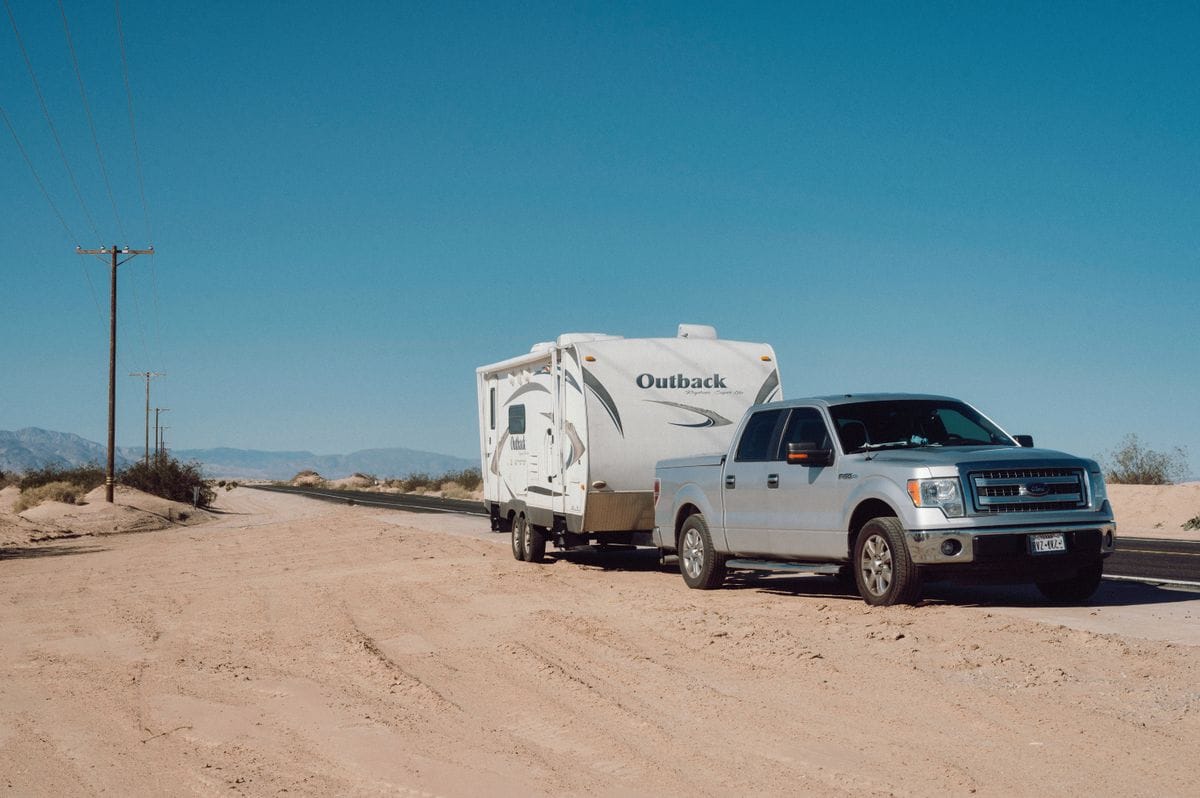
- Light-Duty Trucks: Half-ton pickup trucks such as the Toyota Tundra, Ford F-150, Chevrolet Silverado 1500, and Ram 1500 provide the bed utility and heavy-duty chassis required for safe 8,000-lb towing.
Frequently Asked Questions
Can I install a heavy-duty hitch receiver to increase my RX 350 towing capacity to 8,000 lbs?
No. Installing an aftermarket class III or IV hitch receiver only changes the physical mounting point, not the underlying structural, powertrain, or braking capabilities of the vehicle. The overall towing capacity is permanently limited by the weakest link in the engineering chain, which for the RX 350 is its unibody frame, transmission cooling, and gross vehicle weight rating.
Does the Lexus RX 350 Hybrid have a higher towing capacity?
No. The Lexus RX 350h (hybrid) and RX 500h (performance hybrid) generally feature towing capacities comparable to or lower than the standard gasoline-powered models, often capped at 2,000 to 3,500 pounds. Hybrid powertrains prioritize fuel efficiency and regenerative braking, and adding heavy towing loads can strain the hybrid battery thermal management systems.
What happens if I exceed the factory towing limit in an accident?
Exceeding the manufacturer's specified towing limits introduces severe legal and financial risks. If you are involved in a collision while heavily overloaded, law enforcement may cite you for negligence or operating an unsafe vehicle. Furthermore, insurance companies may inspect the vehicle's payload and towing data during claims processing and deny coverage based on reckless operation or modification beyond stated limits.
Is a weight-distribution hitch recommended for the Lexus RX 350?
Lexus generally does not recommend or require weight-distribution hitches for the RX 350 due to the unibody chassis design, which is not engineered to handle the leverage forces exerted by spring bars. Always consult your specific owner's manual for model-year-specific guidance regarding weight distribution and sway control requirements.
How do I verify my specific Lexus RX 350 towing limit?
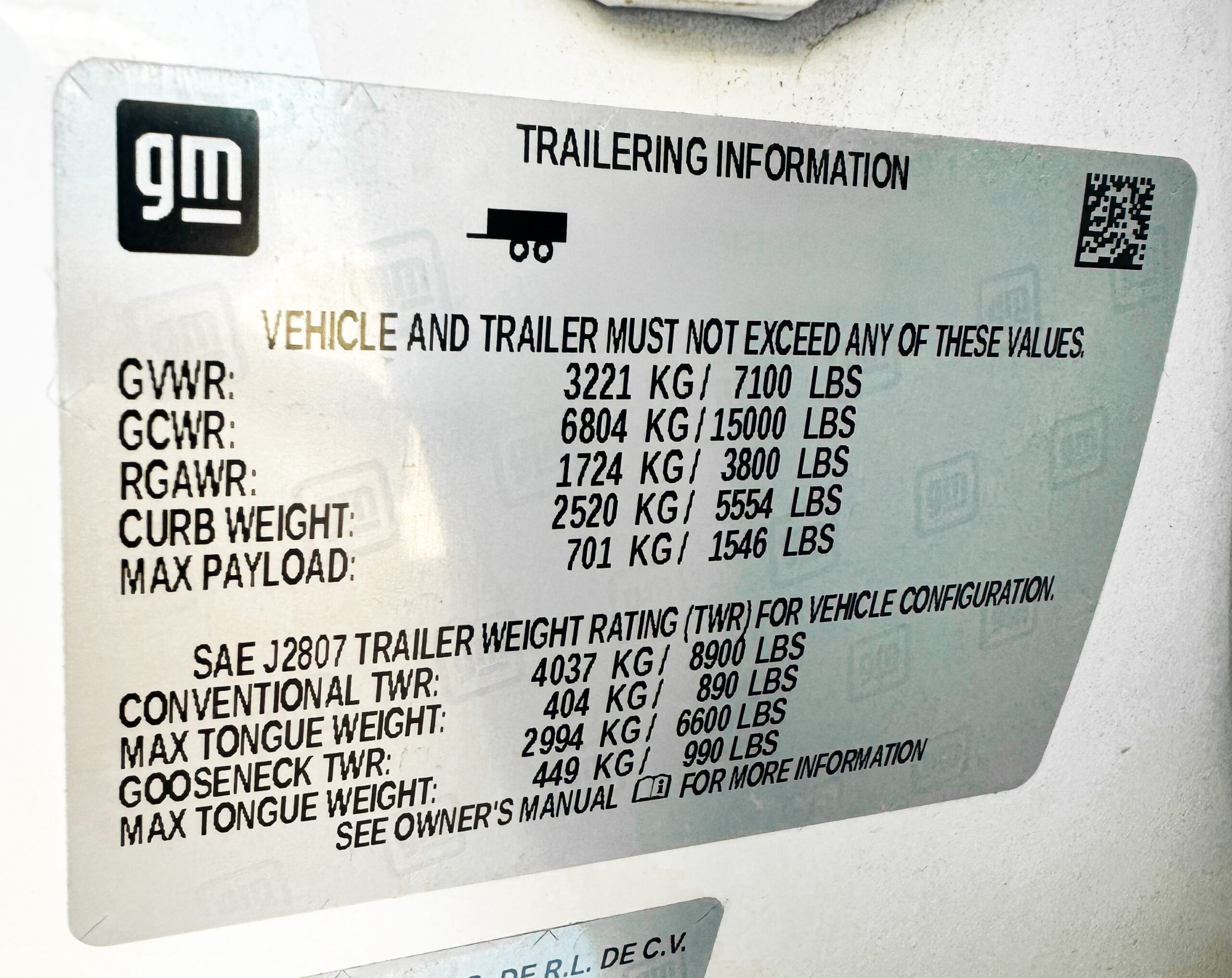
The most accurate method to determine your exact vehicle's capability is to check the safety certification label located on the driver-side door jamb. This placard lists the Gross Vehicle Weight Rating (GVWR) and Gross Axle Weight Rating (GAWR). You should also reference the towing guide section of your specific owner's manual, using your vehicle identification number (VIN) if necessary to account for factory-installed packages.
Conclusion and Next Steps
The Lexus RX 350 is a refined, comfortable luxury crossover designed for passenger transport and light utility hauling, not heavy-duty towing. An 8,000-pound towing capacity is fundamentally incompatible with its unibody architecture and powertrain limits. If your lifestyle requires pulling loads in the 8,000-lb range, your best course of action is to explore full-size body-on-frame SUVs or light-duty pickup trucks built specifically for heavy towing safety and performance.